
England's Fantasy Squad and Football Discourse
England haven’t even kicked a ball at a World Cup and already we’re redesigning the squad with a fantasy draft that would make a Football Manager save look restrained.
According to Charlie Wyett in The Sun, if Thomas Tuchel could simply parachute in Arsenal’s entire back four of Jurrien Timber, William Saliba, Gabriel and Riccardo Calafiori, England would win the World Cup. Job done. Problem solved. Just swap defences like you swap shirts.
Why stop there? If we’re shopping in north London, might as well grab David Raya while we’re at it. Then rotate Kylian Mbappé and Lionel Messi with Djed Spence as the wild-card off the bench. If we’re living in the realm of “ifs”, we might as well lean into it.
The Great Full-Back “Crisis”
Wyett’s wider point is that England finally look like a side ready to play without the handbrake on, but their defence will drag them back. Specifically, the full-backs.
“The full-back situation is a mess,” he writes, arguing that the injury to Tino Livramento should have been addressed with a like-for-like replacement. Instead, Tuchel called up Trevoh Chalobah, a centre-back.
But how big a “mess” are we really talking about when we’re down to debating the 25th man in the squad? Livramento is a talented player, no question, yet there’s no guarantee he would have seen meaningful minutes. Nor is there any guarantee that his replacement will. This is the outer edge of the squad, not the spine.
Wyett’s conclusion is stark: “England do not have a fully fit, in-form, natural full-back.” That line works neatly on the page, but only if you ignore the full-backs who actually started in the win over Croatia. You can raise an eyebrow over Reece James’ fitness record, sure, but pretending the role is vacant takes some doing.
Then comes the take on Nico O’Reilly: “Nico O’Reilly has been playing well but he is a midfielder who is being squeezed in at the back.”
He isn’t. He’s Manchester City’s starting left-back. Pep Guardiola has looked at his squad, looked at the demands of the position, and decided O’Reilly fits. If one of the most demanding coaches in world football is satisfied with him there, it probably doesn’t qualify as a national emergency.
And if we’re going to obsess over “natural full-backs”, it’s worth pointing out that Wyett’s dream England back four of Timber, Saliba, Gabriel and Calafiori contains exactly none of them. Not one.
Luke Shaw: Outrage Without a Cause
Wyett also calls it “ridiculous” that Luke Shaw missed out on the squad after a good season at left-back for Manchester United, before immediately undercutting his own outrage by noting Shaw hasn’t played for England since the Euro 2024 final and that his omission was “not a surprise”.
If a decision is predictable based on recent international involvement, it’s hard to sell it as scandalous. You can argue Shaw deserved a recall. You can’t really call it ridiculous when the manager has been consistent.
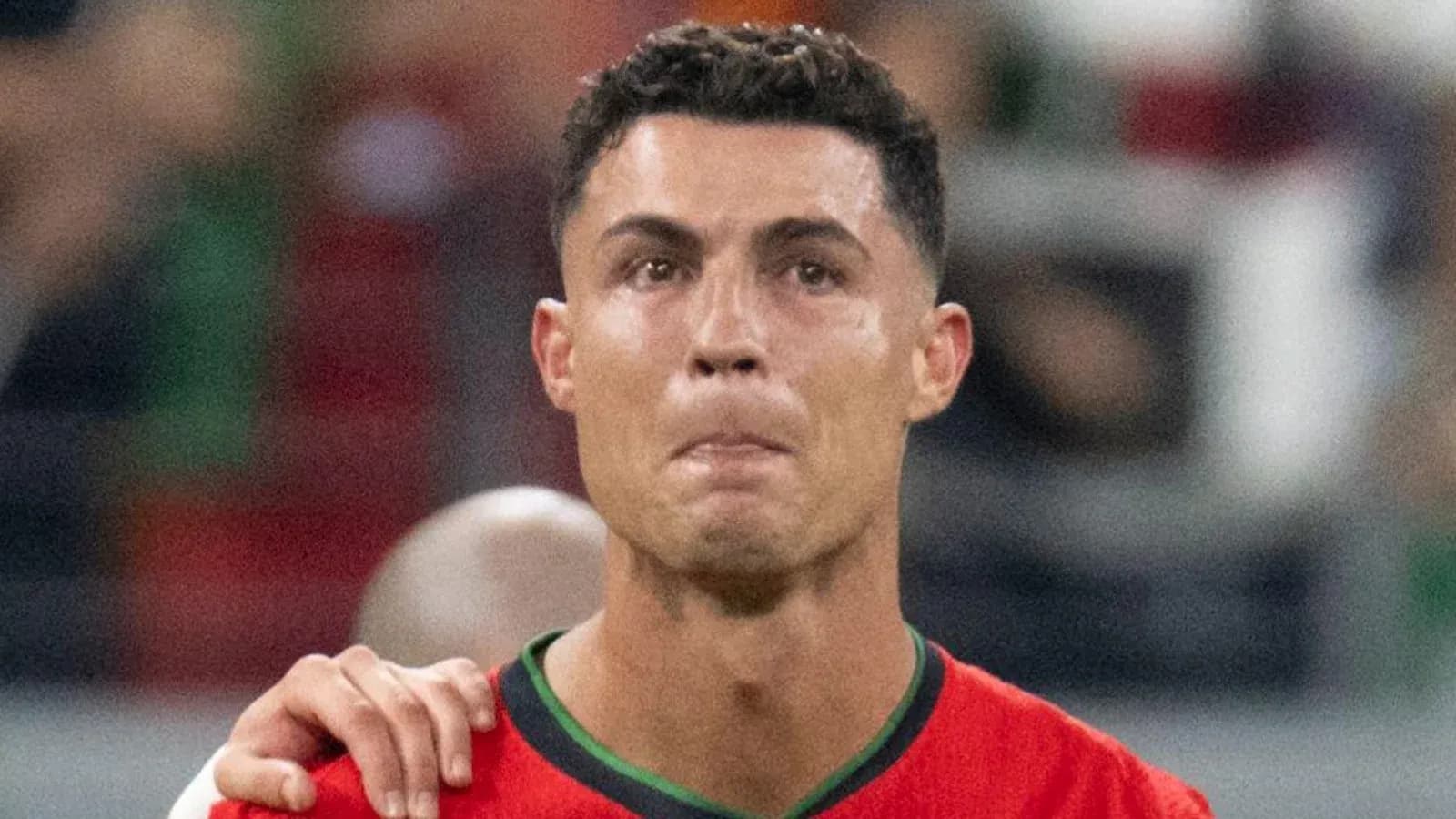
Ronaldo “Blasted” – Or Not
Where the word “ridiculous” really does apply is in the treatment of Cristiano Ronaldo’s latest “controversy”.
The Sun’s website went big: “JUST ANOTHER PLAYER: Portugal World Cup star sparks storm with brutal comments on Ronaldo” and “’He’s just another player’ – Cristiano Ronaldo blasted by Portugal World Cup team-mate after DR Congo horror show”.
You’d be forgiven for thinking Bruno Fernandes had finally snapped and called Ronaldo selfish in front of the cameras. Or that a veteran had gone rogue and torn into the captain after a bad night.
Instead, the supposed hatchet job came from Joao Neves, and this is what he actually said:
“We know what Cristiano has done for us, for our national team, and for the world of football. But at this moment, he and we know that he is no different. He is just another player here to help. He is no different from the others. He is here to contribute, just like all of us.”
That’s it. That’s the “brutal” blast. A 19-year-old midfielder saying, very politely, that even the greatest player in the country is part of the collective.
The only “storm” here is the one whipped up by fan accounts and headline writers. Neves didn’t diminish Ronaldo. He acknowledged his legacy, then stressed the importance of the team. That used to be called professionalism.
Cole Palmer, Jet2 and Selective Outrage
On a different page, The Sun hails Cole Palmer as a “humble star” because he flew with Jet2. The same act – a footballer using a budget airline – once led to Raheem Sterling being accused of “penny pinching” and having “slummed it on the budget airline” EASYJET, capital letters and all, despite his wages being spelled out in disbelief.
Same behaviour. Very different framing. One is salt-of-the-earth humility, the other is tight-fisted excess. The contrast doesn’t need spelling out; it’s been written loudly enough already.
Mark Chapman and the “Unwritten Rule”
Then we reach the BBC and a supposed broadcasting scandal.
“BBC host Mark Chapman makes feelings perfectly clear after World Cup clash as he breaks unwritten MOTD rule,” screams another Sun headline.
An unwritten Match of the Day rule? What could that be? No swearing? No dead air? No daring to say a 0-0 was dull?
Here’s what actually happened. After Czechia’s draw with South Africa, Chapman signed off with: “Sometimes a game does not deserve a really clever closing link. Goodbye.”
That’s it. That’s the “rule-breaking”. Somewhere within the BBC, we’re told, there is an unwritten expectation that coverage ends with a neat, clever line. As if “good broadcasting” is a secret code rather than the basic job description.
The irony, of course, is that Chapman’s line was clever. It undercut the convention, acknowledged the spectacle – or lack of it – and wrapped the programme with a wink. No rant, no meltdown, just a broadcaster reading the room.
Emma Hayes and the “Tiny Blackboard”
Finally, Emma Hayes. A coach who has won everything there is to win in the women’s club game and now finds herself dissecting matches on television.
The Sun’s website reported that Hayes was “forced to do her tactical analysis on a tiny blackboard on a set that looked like a little kitchen, sparking outrage online.”
“Forced” is doing a lot of heavy lifting there. The “tiny blackboard” detail is doing even more. As if we’re one step away from Hayes crouching beside Michael Scott’s infamous plasma TV, apologising for the size.
The discourse around Hayes is already loaded with nonsense – from tone-policing to outright hostility – so it’s no surprise that the size of a prop has somehow become part of the story. But the board doesn’t change the insight. The set dressing doesn’t blunt the analysis.
Football coverage is full of real talking points: tactics, selection, form, pressure. Instead, we’re stuck arguing over imaginary full-back crises, manufactured Ronaldo rebellions, and whether a presenter is allowed to admit a game was boring.
The sport keeps moving. The noise around it just keeps getting stranger.
Related News
Raphinha’s Hat-Trick Powers Barcelona to 7-2 Victory Over Racing Santander
Carabao Cup Fourth Round Draw: Liverpool Set to Clash with Chelsea, Arsenal to Face Fleetwood Town
Key Football Matches to Watch in Azerbaijan This Autumn
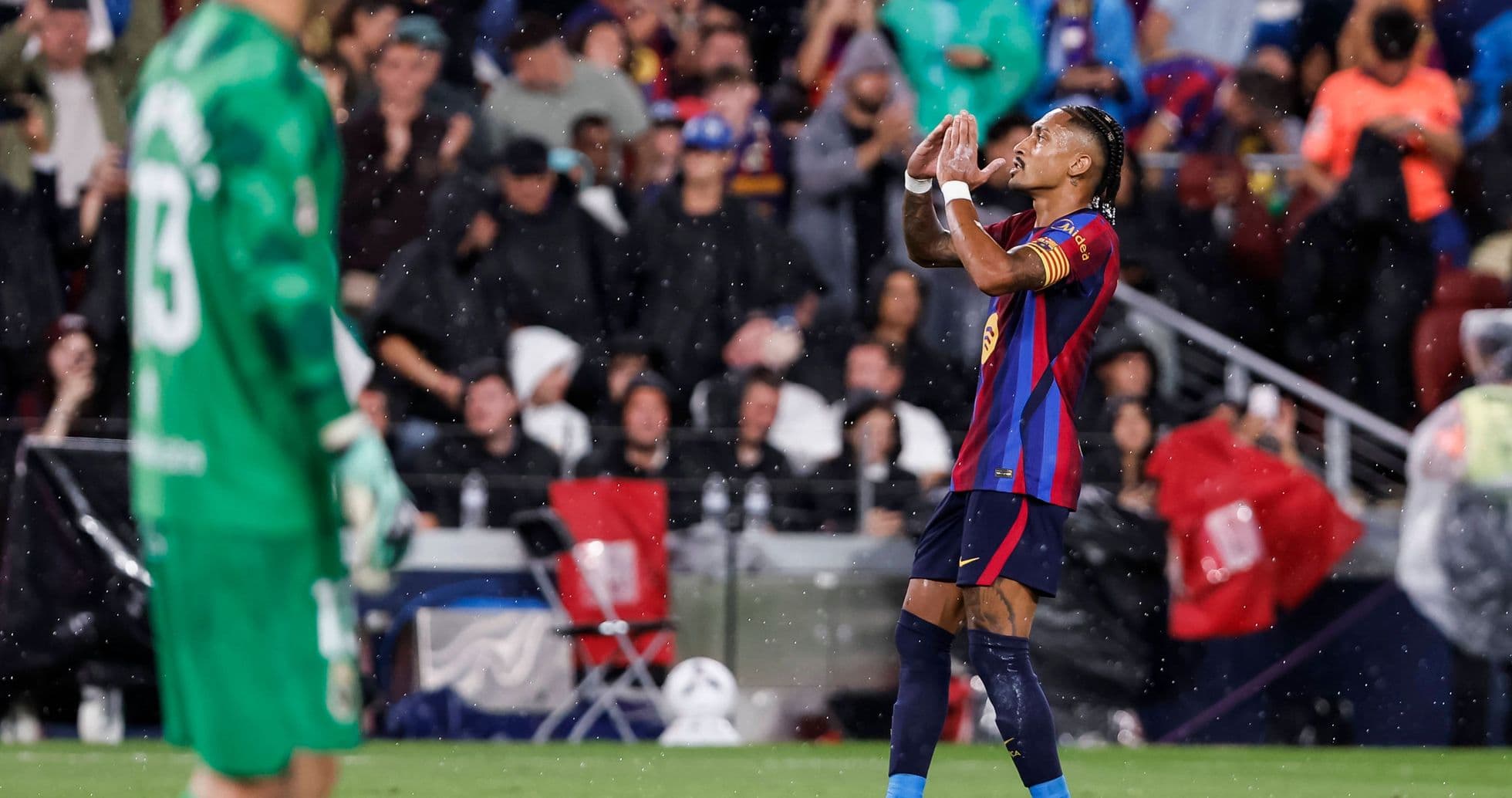
Raphinha's Hat-Trick Drives Barcelona to 7-2 Triumph Over Racing Santander
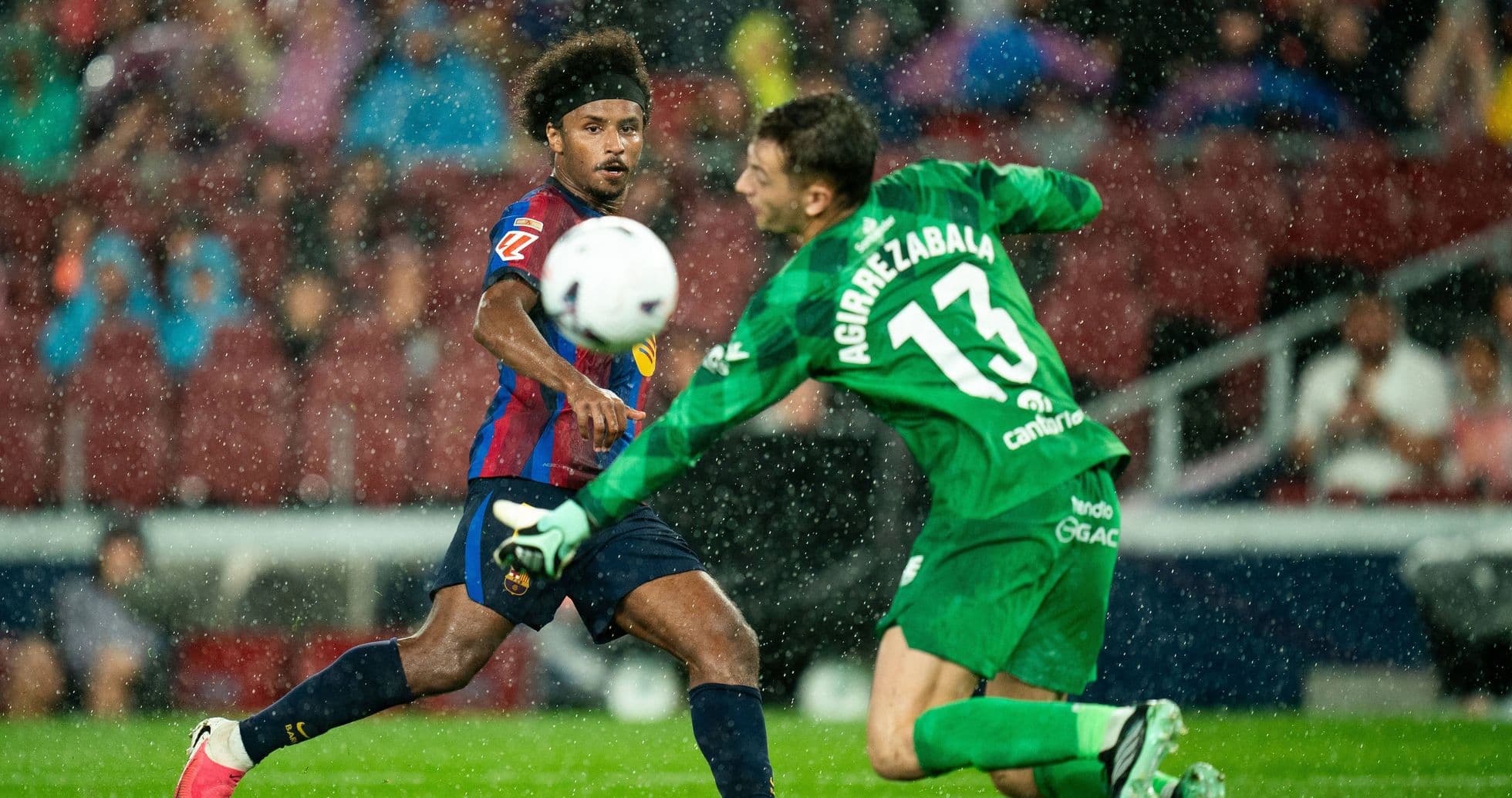
Hansi Flick Leads Barcelona to Record-Breaking Seven Wins in a Row
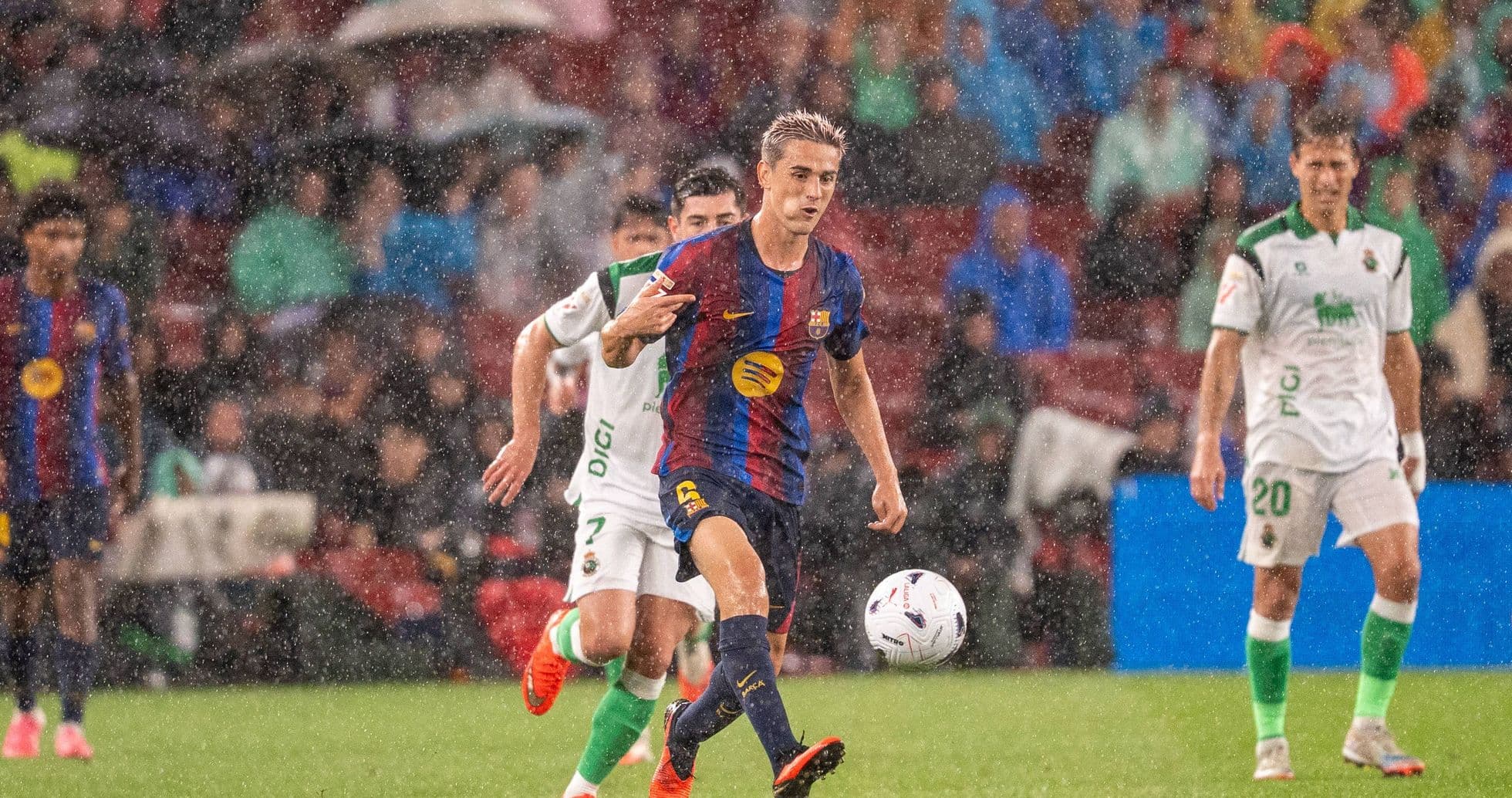
Gavi Reflects on Injury Return as Barcelona Dominate Racing Santander 7-2