
England Triumphs Over Congo DR in Tactical Showdown
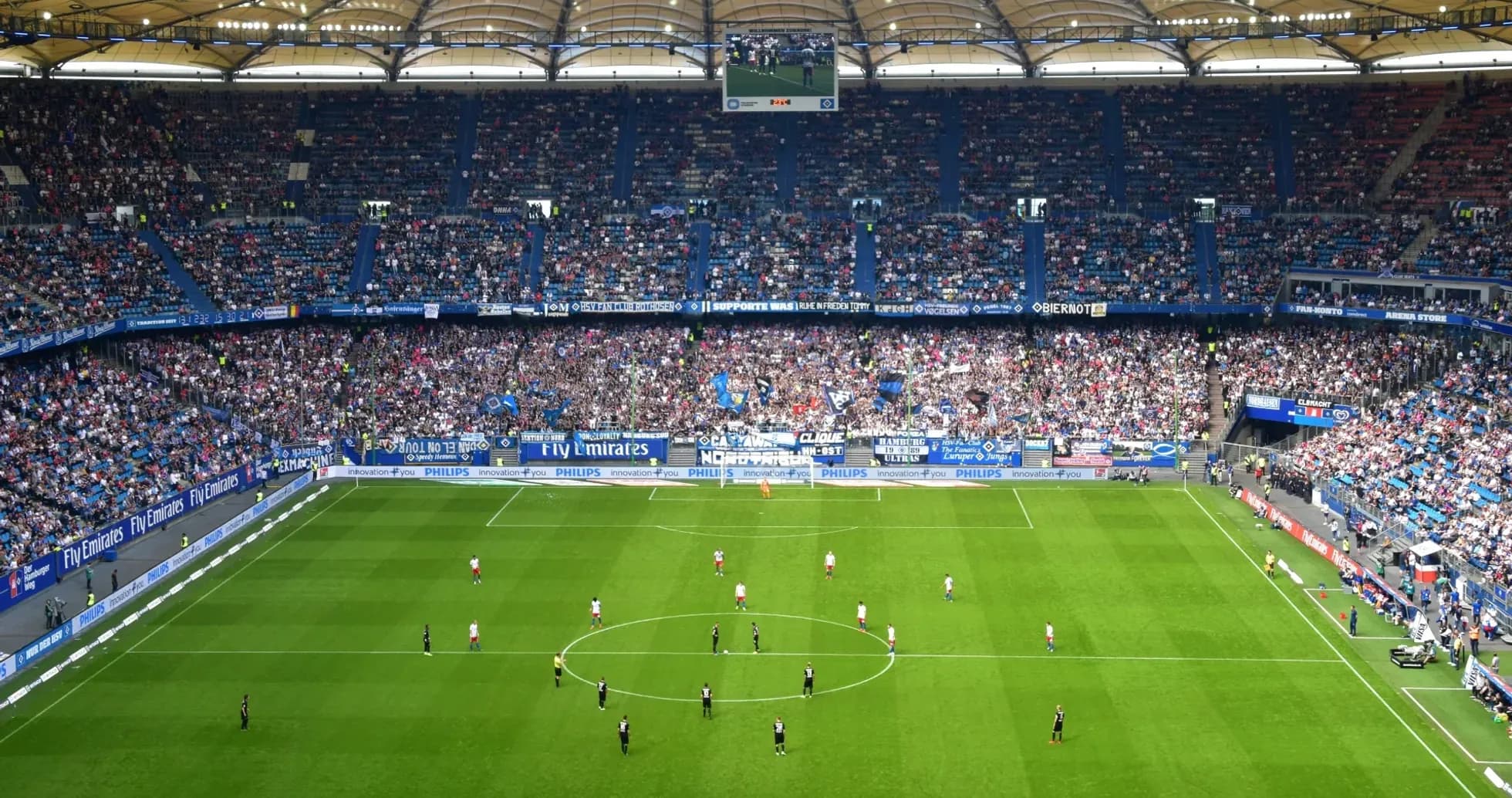
Mercedes-Benz Stadium in Atlanta staged a Round of 32 tie that felt like a collision of two carefully constructed identities. England arrived as group winners from Group L, carrying seven points and a total goal difference of 4 from three matches (6 scored, 2 conceded). Congo DR came through their own group with four points and a total goal difference of 1 (4 scored, 3 conceded), a side forged by adversity and tactical flexibility. Over 90 minutes, England’s 2–1 comeback win told a story of squad depth, structural discipline and a duel between a heavyweight attack and a resilient, if stretched, Congolese unit.
I. The Big Picture – Structures and Seasonal DNA
Heading into this game, England’s tournament profile was that of a controlled aggressor. Across the campaign they had played 4 matches in total, winning 3 and drawing 1, with no defeats. At home they had played 3 fixtures, winning 2, drawing 1 and losing none; on their travels they had played 1 and won it. Offensively, they averaged 2.0 goals in total per game, with 6 at home and 2 away, and defensively they were conceding 0.8 goals in total per match (3 at home, 0 away). The clean-sheet count – 2 in total, split evenly between home and away – underlined a side that could both dominate and deny.
Congo DR’s profile was more volatile. In total they had played 4 matches: 1 win, 1 draw, 2 defeats. At home they had 1 win from 1, while on their travels they had 3 games with 0 wins, 1 draw and 2 losses. Their total goals for stood at 5 (3 at home, 2 away), matched exactly by 5 goals against (1 at home, 4 away), leaving a total goal difference of 0. The contrast was stark: England were used to dictating, Congo DR to surviving and counter-punching, especially away from their comfort zone.
On the tactical board, Thomas Tuchel doubled down on England’s familiar 4-2-3-1, a shape they had already used 3 times in the tournament. Congo DR, under Sebastien Desabre, opted for a 4-3-3, a departure from their more conservative 5-3-2 and 4-4-2 setups that had featured earlier in the campaign. It was an aggressive statement: they were prepared to meet England higher up the pitch, even if it risked exposing the back line.
II. Tactical Voids – Absences and Discipline
For England, the squad sheet carried two quiet but significant absences. R. James was ruled out with a hamstring injury, and J. Quansah missed out due to a sprained ankle. Both were listed among the substitutes in the broader squad, but medically unavailable. In structural terms, that removed one of Tuchel’s most dynamic right-sided outlets and a fresh centre-back option, effectively locking in D. Spence at right-back and placing more responsibility on the starting pairing of E. Konsa and M. Guehi.
Despite those absences, England’s disciplinary record across the campaign had been measured. Their yellow cards were spread across the 16–60 minute window, with 33.33% of their cautions coming between 16–30 minutes, another 33.33% between 31–45, and the final 33.33% between 46–60. Crucially, there had been no red cards in any time band.
Congo DR’s discipline carried a different edge. N. Sadiki, who started as the left-sided midfielder in the 4-3-3, arrived as one of the tournament’s leading card collectors, with 2 yellows in 4 appearances. As a team, Congo DR’s yellow cards were front-loaded in the middle phases: 33.33% between 16–30 minutes, then 16.67% each across 31–45, 46–60, 61–75 and 91–105. Again, no reds – but plenty of evidence that the intensity of their press and duels could easily tip into fouls, especially as games wore on.
III. Key Matchups – Hunter vs Shield, Engine Room Battles
Up front, this tie was framed as Harry Kane versus a defence that had shown vulnerability on its travels. Kane entered as one of the World Cup’s elite forwards: 5 goals in total from 4 appearances, with a rating of 7.68 and 14 shots, 9 on target. He had already converted 1 penalty from 1, maintaining a perfect record from the spot in this campaign. England as a team had taken 1 penalty in total and scored it, with no misses.
Congo DR’s defensive numbers away told their own story. On their travels they had conceded 4 goals in 3 matches, an away average of 1.3 goals against per game, compared with just 1 goal conceded at home. That imbalance placed a heavy burden on the central pairing of C. Mbemba and A. Tuanzebe in Atlanta, especially with full-backs A. Wan-Bissaka and A. Masuaku asked to step high in the 4-3-3.
At the other end, Y. Wissa carried Congo DR’s attacking threat. With 3 goals in total from 4 appearances and a rating of 7.03, he was the spearhead of Desabre’s front line, supported by N. Mbuku and B. Cipenga. Wissa had taken 10 shots, 3 on target, and successfully converted 1 penalty from 1, mirroring Kane’s perfect record from the spot. England’s total defensive record – 3 goals conceded in 4 matches – suggested they were well equipped to absorb his movement, but his duel with M. Guehi and E. Konsa was always likely to be pivotal.
In midfield, the engine-room clash was finely poised. For England, D. Rice anchored the double pivot alongside E. Anderson, screening the back four and giving licence to J. Bellingham to roam as a central creator, flanked by N. Madueke and M. Rashford. On the Congolese side, Sadiki, S. Moutoussamy and N. Mukau formed a compact trio. Sadiki’s broader tournament data underlined his importance: 113 passes at 91% accuracy, 9 tackles, 1 blocked shot and 2 interceptions. He was both the metronome and the first line of resistance against Bellingham’s surges between the lines.
IV. Statistical Prognosis – Why England Tilted the Balance
From a probabilistic standpoint, England’s total attacking average of 2.0 goals per game against Congo DR’s total defensive average of 1.3 goals conceded pointed towards a multi-goal output for Tuchel’s side. Conversely, Congo DR’s total scoring rate of 1.3 goals per match, set against England’s 0.8 goals against in total, suggested they would likely need to be ruthlessly efficient to progress.
The formations amplified those numbers. England’s 4-2-3-1, used in 3 of their 4 matches, had become a stable platform: Kane as the fixed reference point, Bellingham as the connector, Rashford and Madueke stretching horizontally, and Rice providing vertical security. Congo DR’s switch to 4-3-3 – only their first or second outing in that shape this tournament – traded some of the defensive stability of their 5-3-2 for an extra forward lane. Against a side that had failed to score only once in total and kept 2 clean sheets, that gamble was always likely to leave spaces.
In the end, England’s 2–1 victory, overturning a 0–1 half-time deficit, was a logical extension of their season-long profile: resilient under pressure, capable of sustained attacking volume, and anchored by an elite finisher in Kane. Congo DR exited with credit – their structure, Wissa’s menace and Sadiki’s work without the ball all left a mark – but the statistical and tactical balance of this Round of 32 tie always leaned towards England, and over 90 minutes, the squad depth and system coherence of Tuchel’s side made that edge count.
Related News

Thomas Tuchel Reflects on England's 10-Man World Cup Triumph and a Surprising Regret

Robert Moreno Takes Over as Interim South Korea Coach After World Cup Setback

Jude Bellingham Returns to Form with Real Madrid After World Cup Success

Chloe Kelly, Beth Mead & 13 Lionesses Who Must Shine in the Upcoming WSL Season for England’s 2027 World Cup Bid

Barcelona Cancels World Cup Tribute Amid Political Tensions
Messi Breaks Record for Most Penalties Taken and Missed in FIFA World Cup History