
England's World Cup Dreams Dashed by Argentina's Late Comeback
For 40 minutes or so, England had a World Cup final in their hands. Then, under the heaviest pressure this sport can apply, they let it slip.
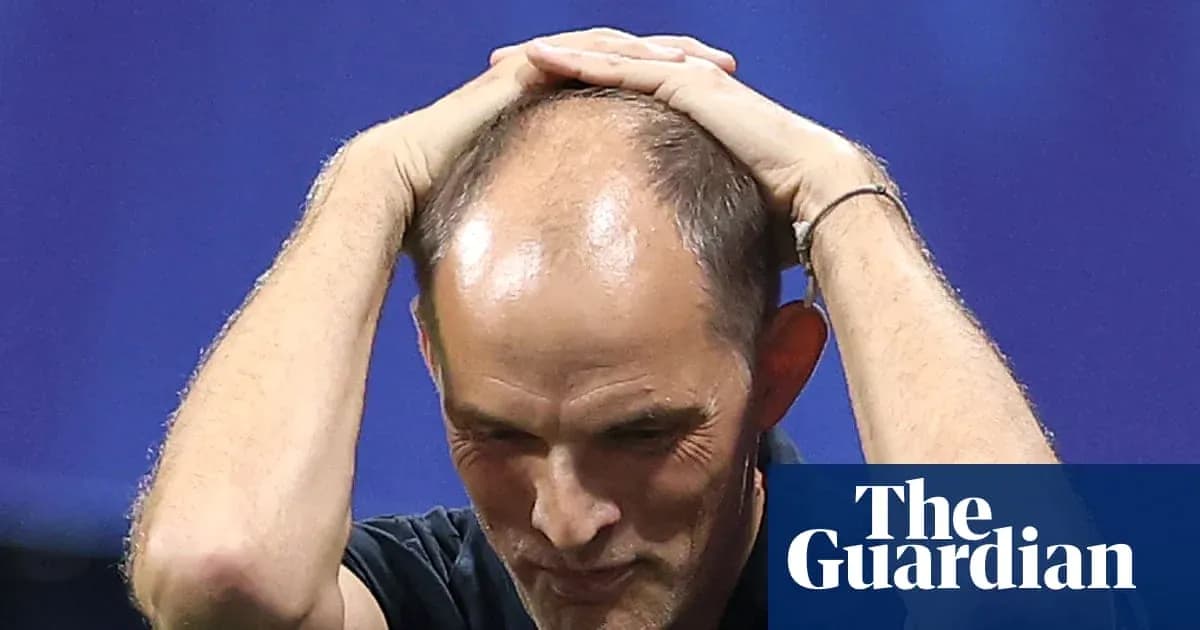
Anthony Gordon’s low, clinical finish early in the second half had put Thomas Tuchel’s side on the brink of history – a first men’s World Cup final on foreign soil, a shot at Spain in New York on Sunday. Instead, they were left scattered across the turf, Harry Kane staring into the middle distance, Jude Bellingham in tears, while Lionel Messi sank to his knees and roared at the sky.
Argentina, champions once already with this core, found a way. Again.
Tuchel’s gamble backfires
The turning point came not with a goal, but with a decision. Protect the lead or chase the second? Tuchel chose protection.
With England 1-0 up and creaking under growing pressure, he withdrew Declan Rice and Reece James and flipped to a back five. Three minutes later, Enzo Fernández stepped into space and detonated Argentina’s comeback with a vicious strike that flew beyond Jordan Pickford.
Tuchel did not duck the consequences.
“We decided to go to a back five because the gaps were far too open,” he said. “Argentina played with more risk, played with more rhythm and played with the feeling maybe that they had nothing to lose any more, which freed them up and pulled us back. Because we obviously played suddenly with a feeling that we had a lot to lose.
“Of course the responsibility is on the coach and if it doesn’t go well it’s easy to say it was wrong.”
Once the structure tilted backwards, the mindset followed. England, who had looked sharp and assertive, retreated. The numbers told the story: from Gordon’s goal to Lautaro Martínez’s winner, they saw only 12% of the ball. At this level, that is an invitation.
Wave after wave
Kane, who led the side with his usual relentlessness, knew exactly what had gone wrong.
“Just gutted, gutted for the boys, gutted for everyone: the team, the staff, the fans,” he said. “We played well for the vast majority of it. Once we went 1-0 up we just seemed to try to hold on which, at this level, is not enough.
“After the goal, whether it was them putting more men forward or us being able to match them man for man, it just was wave after wave and we were just trying to hold on, put the blocks in, but in the end it wasn’t enough.”
The pressure finally told in the second minute of stoppage time. Argentina, who had already hauled themselves back from 2-0 down against Egypt in the last 16, smelled weakness again. A move swept across the pitch, England’s reshaped back line dropped just a fraction too deep, and Lautaro Martínez arrived to ram home the winner.
Messi, who had been kept largely on the margins for long spells, celebrated like a man who understood exactly what it had taken to drag his team to a second straight final. Fists pumping, eyes blazing, he turned towards the Argentina end as if to say: again. We’re going again.
Tuchel rejects talk of ‘curse’
The manner of the collapse will reopen old wounds for England, who have seen leads slip away in major tournaments before. Tuchel, though, dismissed any notion of a national flaw.
“I don’t believe so much in an English thing and a curse or whatever,” he said. “It’s repeating itself in different moments. It’s different coaches, different players, different situations.
“What cost us today was that we were not active enough in any structure. I can understand these discussions are out there and of course a million coaches after the game know it better. You can discuss this with a million coaches. I have to make a decision on the pitch. It’s how I analyse the match and I take the responsibility.
“At the moment no regrets. The team gave everything and we were very very close. We deserved to be up 1-0. We played one of our better matches, maybe our best match under the circumstances. The team was top – we couldn’t bring it over the line.”
That last line will haunt them. England did much of the hard work: they matched Argentina physically, they found the opening goal, they quietened Messi. Then, with the finish line in sight, they stopped playing.
Argentina thrive on chaos
For Argentina, this was familiar territory. They had stared elimination in the face against Egypt and found a way back; here, they saw England sink into their own box and sensed opportunity.
“England pressed hard for about 60 minutes,” said Lautaro Martínez. “After finding the goal, they dropped back, and that gave us more composure in circulating the ball and spreading the play.”
Lionel Scaloni, visibly emotional at full-time, leaned into that identity.
“This team plays best when they are facing adversity,” the head coach said. “We had a challenging situation, there was blood in the water and we went for it. We had six or seven chances and the ball wouldn’t go in but the team fought until the end. After they scored, we really proved ourselves – it shows what football means to us and it goes beyond tactics.”
It did feel, in those closing minutes, as if the game had slipped into Argentina’s preferred realm – frantic, stretched, decided by nerve and conviction as much as by shape. England, frozen between hanging on and stepping out, were caught in the worst of both worlds.
Flashpoints and fallout
The final whistle did not bring instant calm. Bellingham, raw and devastated, appeared to strike Argentina substitute Valentín Barco on the back of the head after the game had finished and had to be dragged away by reserve goalkeepers Dean Henderson and James Trafford. The officials took no action.
On the pitch, Manchester United defender Lisandro Martínez celebrated draped in a banner reading “Las Malvinas son Argentinas”, a pointed political message referencing the Falklands war that will echo far beyond the football.
Around all of that, England’s players made their slow walk to the travelling support, led by Kane, who forced himself to applaud while others struggled to even look up. They knew how close they had come. They also knew how they had lost it.
Argentina, meanwhile, head to New York with momentum, belief and a sense of destiny that refuses to fade. England go home with another scar and a familiar question hanging over them: when the moment comes again, will they finally keep playing – or retreat into the past?
Related News
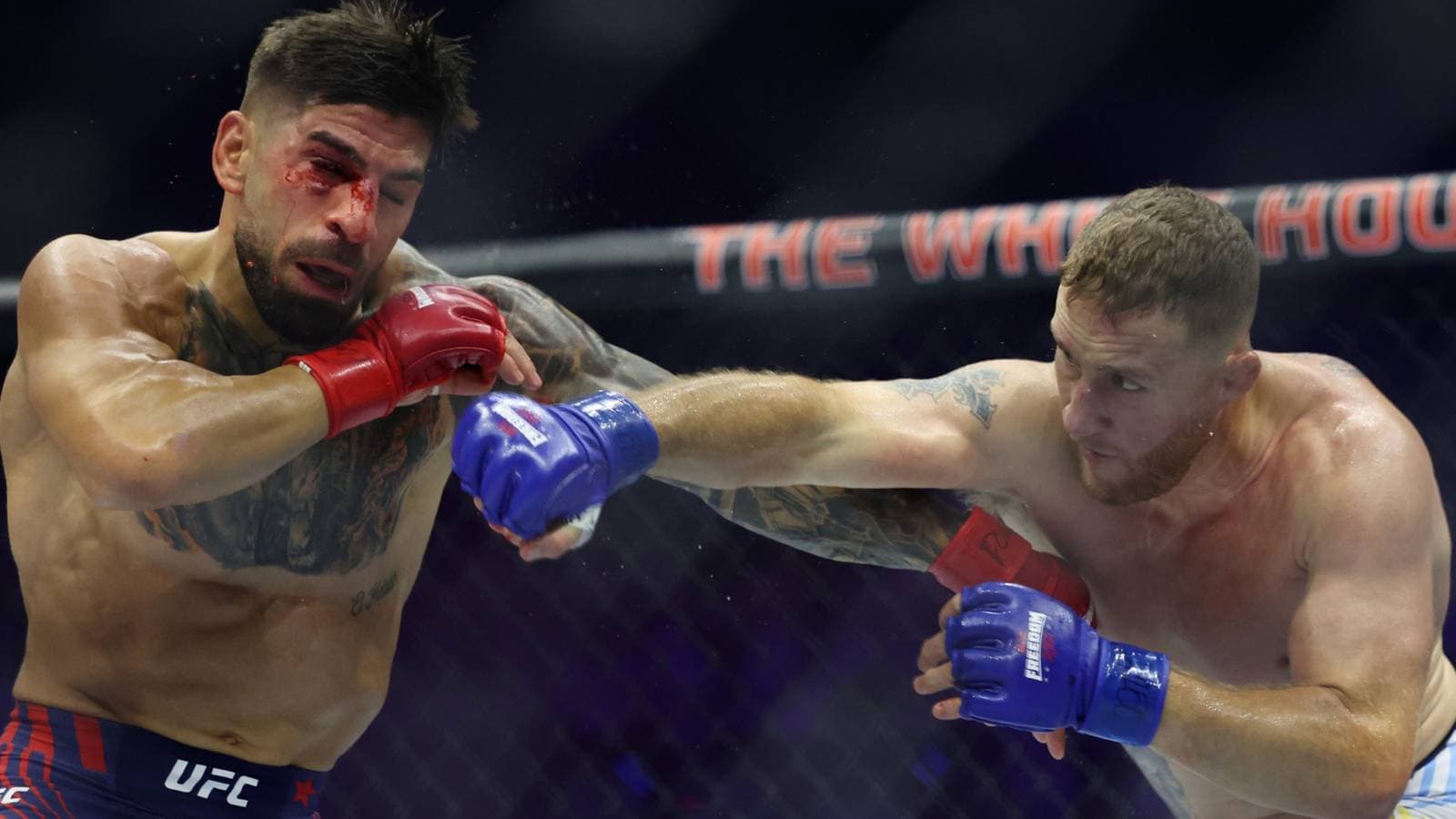
Ilia Topuria Accuses Justin Gaethje After UFC Defeat

Tyson Fury vs Anthony Joshua Fight Date and Venue Confirmed
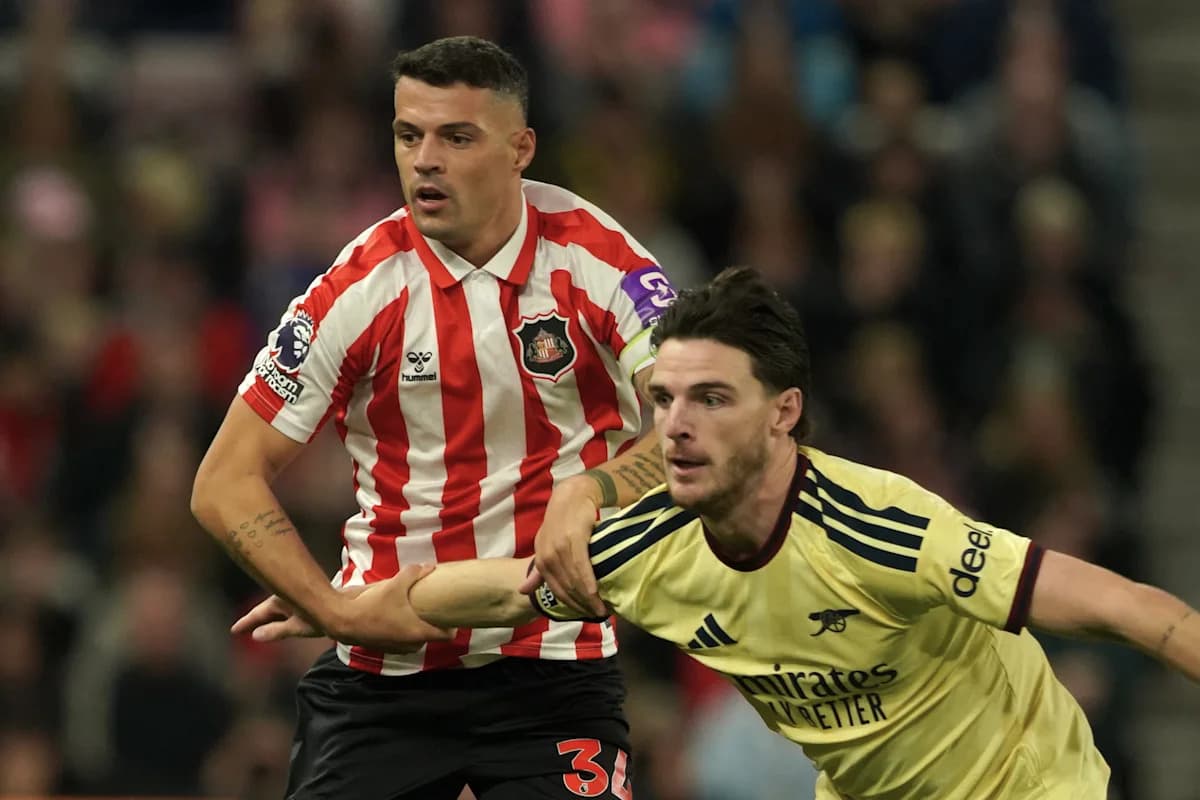
Switzerland Calls Up In-Form Sion Striker Winsley Boteli for Nations League

Bournemouth Secures Historic 2-1 Win Over Real Sociedad in Spain
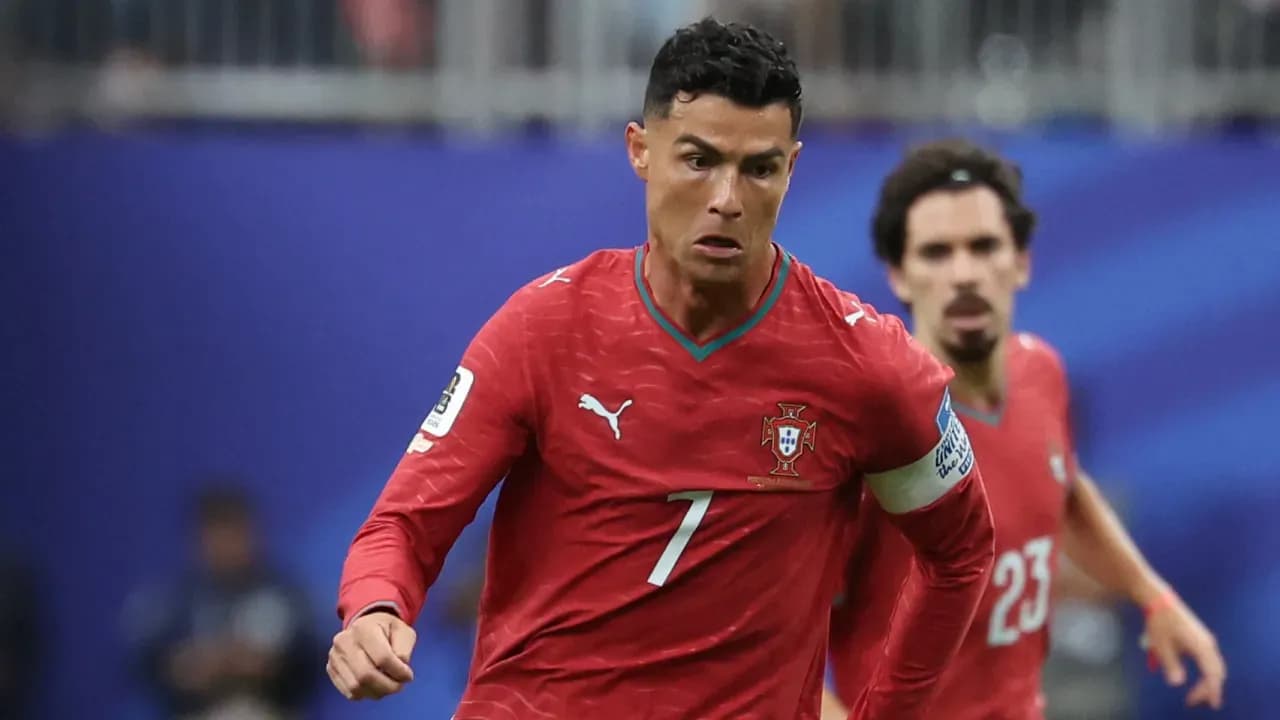
Portugal Announces Squad for 2026 UEFA Nations League; Cristiano Ronaldo Expected to Play

Raphinha Channels Ronaldo Nazario as Barcelona's Leading Striker After Position Change