
Elliot Anderson's Record Transfer and Its Impact on Liverpool's Curtis Jones
Manchester City’s £116m move for Elliot Anderson has not only reset the transfer market for midfielders, it has thrown a harsh spotlight on Liverpool’s handling of Curtis Jones.
City agreed the club-record deal with Nottingham Forest on Thursday evening, a fee that does more than just break internal records. It is the highest sum ever paid for a midfielder and makes Anderson the most expensive British footballer in history. That is the scale of the statement.
On the player himself, the logic is clear enough. At 23, Anderson is already a high-level midfielder with the profile to dominate the Premier League for a decade. Clubs do not spend nine-figure fees on potential any more; they spend it on players they believe will sit among the very best in the world. City clearly see exactly that.
The knock-on effect, though, lands on Merseyside.
Liverpool are edging towards the sale of Curtis Jones, a homegrown midfielder who, at 25, is entering what should be his prime years. He has only one year left on his contract, and that contractual reality drags down any valuation. No one expects Liverpool to receive Anderson money. Not close.
Yet the numbers being mentioned around Jones are jarring. An asking price of around £35m for a technically gifted, tactically intelligent English midfielder with Premier League pedigree looks wildly out of step with a market that has just seen Anderson go for £116m.
Strip away the emotion and the comparison is still brutal. The Anderson deal underlines just how valuable top-level English midfielders are in this climate. They tick every box: homegrown quotas, familiarity with the league, marketing value, and the promise of longevity. Clubs pay a premium for that package. City just proved it.
Against that backdrop, Liverpool appear willing to let Jones leave for a figure that belongs to a different era. There is a player there worth far more than £35m in this market, even with a year left on his deal. That is not sentiment, it is simple economics in a league where English talent routinely attracts inflated fees.
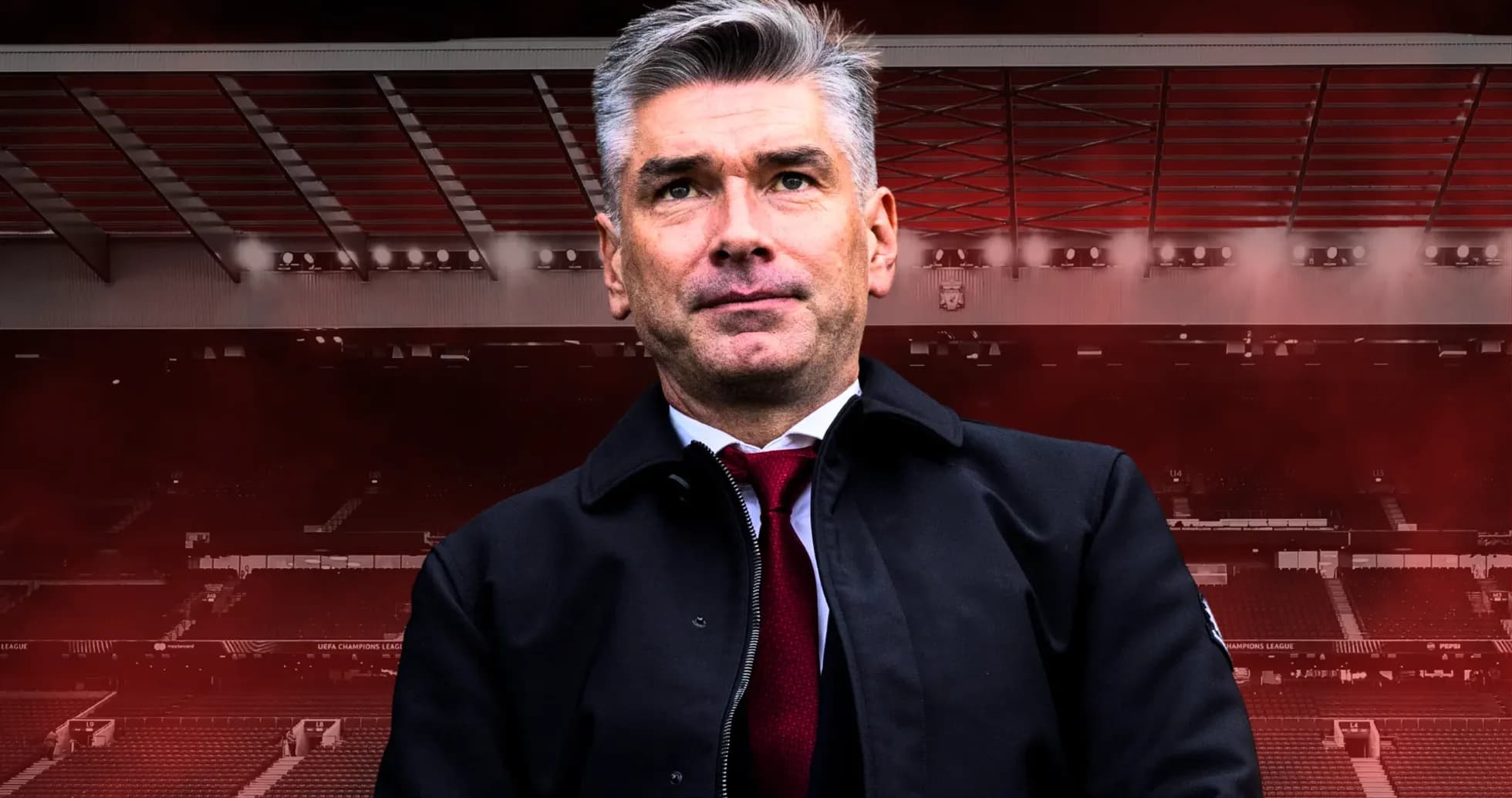
This is why the situation raises serious questions over sporting director Richard Hughes and the club’s wider strategy. The logical outcome for a player of Jones’s profile is a new contract, securing his value and either building around him or selling from a position of strength later. Instead, Liverpool look to have allowed the situation to drift.
If Jones does depart this summer for a cut-price fee, Liverpool will effectively be waving through the exit of an asset easily worth something closer to €90m in a more controlled scenario, and doing so for a fraction of that. In an era where every elite club talks about sustainability and smart squad building, that edges towards negligence.
The alarm bells should be ringing at Anfield. City have just shown what the market will bear for an elite, English, 20-something midfielder. Liverpool, staring at the same landscape, look ready to cash out on one of their own at a level that barely acknowledges that reality.
There is still time to change course, to repair relations, to put a new contract on the table and protect the club’s position. If they do not, this summer will not just be remembered for the record-breaking fee that took Anderson to the Etihad. It will also be remembered for one of the most avoidable pieces of business Liverpool have made in years.
Related News

Raphinha’s Hat-Trick Powers Barcelona to 7-2 Victory Over Racing Santander

Carabao Cup Fourth Round Draw: Liverpool Set to Clash with Chelsea, Arsenal to Face Fleetwood Town
Key Football Matches to Watch in Azerbaijan This Autumn

Hansi Flick Leads Barcelona to Record-Breaking Seven Wins in a Row

Gavi Reflects on Injury Return as Barcelona Dominate Racing Santander 7-2
Buffon Stands Firm in Support of Gattuso and Reflects on Italy Exit