
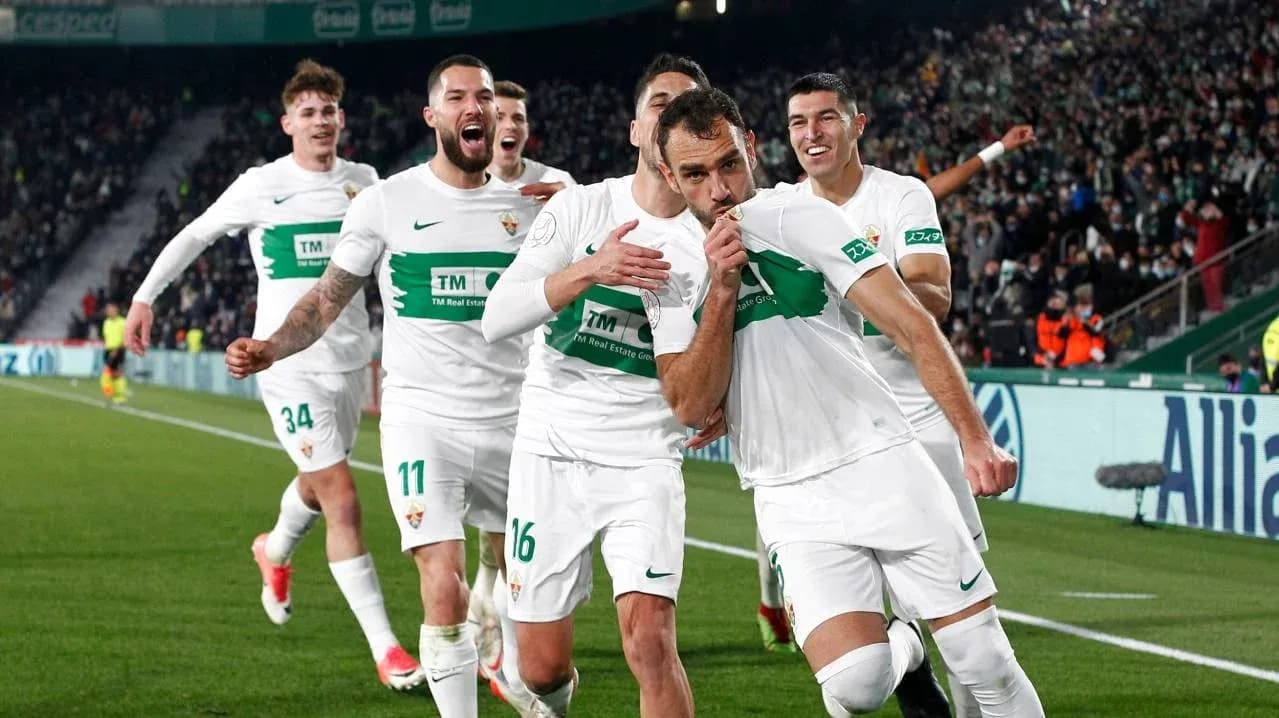
Elche and Alaves Battle to 1-1 Draw in La Liga Clash
The afternoon at Estadio Manuel Martínez Valero closed with the scoreboard locked at 1-1, but the story beneath the result was far richer: a clash of survival instincts between an Elche side clinging to its formidable home identity and an Alaves team fighting to escape the relegation undertow.
Following this result in La Liga’s Regular Season - 35, Elche sit 16th on 39 points, their overall goal difference at -8 after scoring 46 and conceding 54. Alaves, 18th with 37 points and a goal difference of -13 (41 scored, 54 against), remain trapped in the relegation zone. Ninety minutes here did not resolve their fate, but it did sharpen the contours of both squads’ tactical DNA.
I. The Big Picture – Structures and Season Identities
Elche lined up in a 3-5-2 under Eder Sarabia, a shape that has been their most used structure this season (11 league matches). It mirrors their broader campaign logic: compact at the back, volume in midfield, and a front two designed to punish transitions. At home this season, Elche have been quietly formidable: 18 matches, 8 wins, 8 draws, only 2 defeats, with 29 goals for and 19 against. That translates to 1.6 goals scored at home on average and 1.1 conceded – the numbers of a side that turns its stadium into a shield.
Alaves, under Quique Sanchez Flores, arrived with a 5-3-2, a more conservative variant of their usual 4-4-2 and 4-1-4-1 structures. On their travels this campaign, they have played 18 times, winning 3, drawing 4 and losing 11, scoring 18 and conceding 31 – an away average of 1.0 goal for and 1.7 against. The five-man back line in Elche was less a bold new idea and more a survival mechanism: protect the box, compress space, and trust the front two to steal margins.
II. Tactical Voids – Absences and Discipline
Both squads entered this fixture carrying scars and suspensions that reshaped their options.
Elche were without A. Boayar (muscle injury), R. Mir (hamstring injury) and Y. Santiago (knee injury). For Sarabia, that meant fewer alternatives in attack and less flexibility to alter the front line. The decision to start André Silva alongside Álvaro Rodríguez was therefore both logical and necessary: his 10 league goals overall and penalty reliability (3 scored from the spot, 0 missed) make him the reference point in tight matches like this.
Alaves, already fragile in the table, were hit harder by absences. C. Alena (yellow card suspension), L. Boye (muscle injury) and F. Garces (suspended) all missed out. Boye’s absence was particularly seismic: 11 league goals overall and a physically dominant profile that often pins back defensive lines. Without him, the burden of stretching Elche’s back three fell more heavily on Toni Martínez and I. Diabate.
Discipline-wise, both teams came into this game with clear tendencies. Elche’s yellow-card distribution shows a pronounced spike between 61-75 minutes (23.94%) and a sustained intensity late on (19.72% between 76-90). Their red cards are clustered at high-stress phases too: 25.00% in 31-45, another 25.00% in 76-90, and 50.00% in 91-105. Alaves mirror that volatility: 20.88% of their yellows arrive in the 76-90 window, with a heavy red-card concentration in 91-105 (60.00%). This fixture was always likely to tighten and fray as the clock ticked into the final quarter.
III. Key Matchups – Hunter vs Shield, Engine Room vs Enforcer
Hunter vs Shield
On paper, the marquee duel was Toni Martínez against Elche’s defensive block. Martínez entered this round as one of La Liga’s sharper strikers: 12 goals and 3 assists overall, 71 shots with 33 on target, and 24 key passes. His profile is not just that of a finisher but a constant duel machine – 455 duels contested, 238 won – who can drag centre-backs into uncomfortable spaces.
Waiting for him was a back three anchored by D. Affengruber, V. Chust and P. Bigas. Affengruber’s season tells its own story: 24 successful blocked shots across the campaign, 47 interceptions and a red card that underlines how far he is willing to go on the edge of legality. In a 3-5-2, his aggression in stepping out is crucial to prevent Martínez from receiving between the lines. Elche’s overall record of 19 goals conceded at home – 1.1 on average – shows that the “shield” has largely held.
For Alaves, the collective defensive question was whether a five-man line could resist Elche’s strong home attack. Elche’s 29 home goals at 1.6 per game, combined with André Silva’s 10 overall goals and Álvaro Rodríguez’s 6 goals and 5 assists, posed a multi-layered threat: crosses, second balls and penalty-box craft.
Engine Room – Febas vs Blanco
The midfield battle had a distinctly combative flavour. Aleix Febas, Elche’s metronome and irritant, has been one of the league’s most industrious midfielders: 34 appearances, 2992 minutes, 1864 passes at 89% accuracy, 74 tackles and 25 interceptions. His 9 yellow cards speak to his role as both organiser and disruptor. For Sarabia’s 3-5-2 to function, Febas must both progress the ball and foul smartly when transitions threaten.
Opposite him, Antonio Blanco is Alaves’ enforcer-playmaker hybrid. Across 33 appearances and 2846 minutes, he has produced 91 tackles, 9 blocks and 51 interceptions, while still completing 1738 passes at 85% accuracy. His 9 yellow cards mirror Febas: two players walking the disciplinary tightrope while trying to dictate tempo.
This duel framed the match’s rhythm. When Febas found angles into G. Villar and M. Aguado, Elche could pin Alaves back and feed the front two. When Blanco snapped into duels and broke play, Alaves could release J. Guridi and the wing-backs, particularly A. Perez and A. Rebbach, to advance the team upfield.
IV. Statistical Prognosis – xG Echoes and Defensive Solidity
Even without explicit xG values, the season numbers sketch the expected shot quality landscape. Heading into this game, Elche’s overall scoring rate of 1.3 goals per match, combined with only 1.5 conceded, suggests a team that typically generates slightly better chances than it allows, especially at home where their clean-sheet count (7) is impressive. They have failed to score at home only twice.
Alaves, by contrast, have an overall scoring rate of 1.2 and concede 1.5 per match. On their travels, that defensive figure rises to 1.7 conceded, with only 1 clean sheet away and 7 away matches without scoring. The underlying pattern points to a side that often needs its forwards to outperform the quality of chances just to stay in games.
Within that context, a 1-1 draw feels like the statistical midpoint: Elche’s home attack nudging towards its usual output, Alaves’ away defence bending but not breaking, and Toni Martínez once again operating as the visiting side’s offensive fulcrum. The late-game card distributions for both teams also hint that the closing stages likely saw rising pressure, more fouls and tactical cynicism to protect what each side had.
Following this result, Elche preserve their home aura and inch closer to safety, their 3-5-2 continuing to provide structural stability. Alaves leave with a valuable point but no resolution: their away fragility remains, and the burden on their key figures – Martínez up front, Blanco in midfield – only grows as the season’s final chapters approach.
Related News

LaLiga 2026-27 Season Schedule Released: Kickoff on August 15, Clásico on October 25
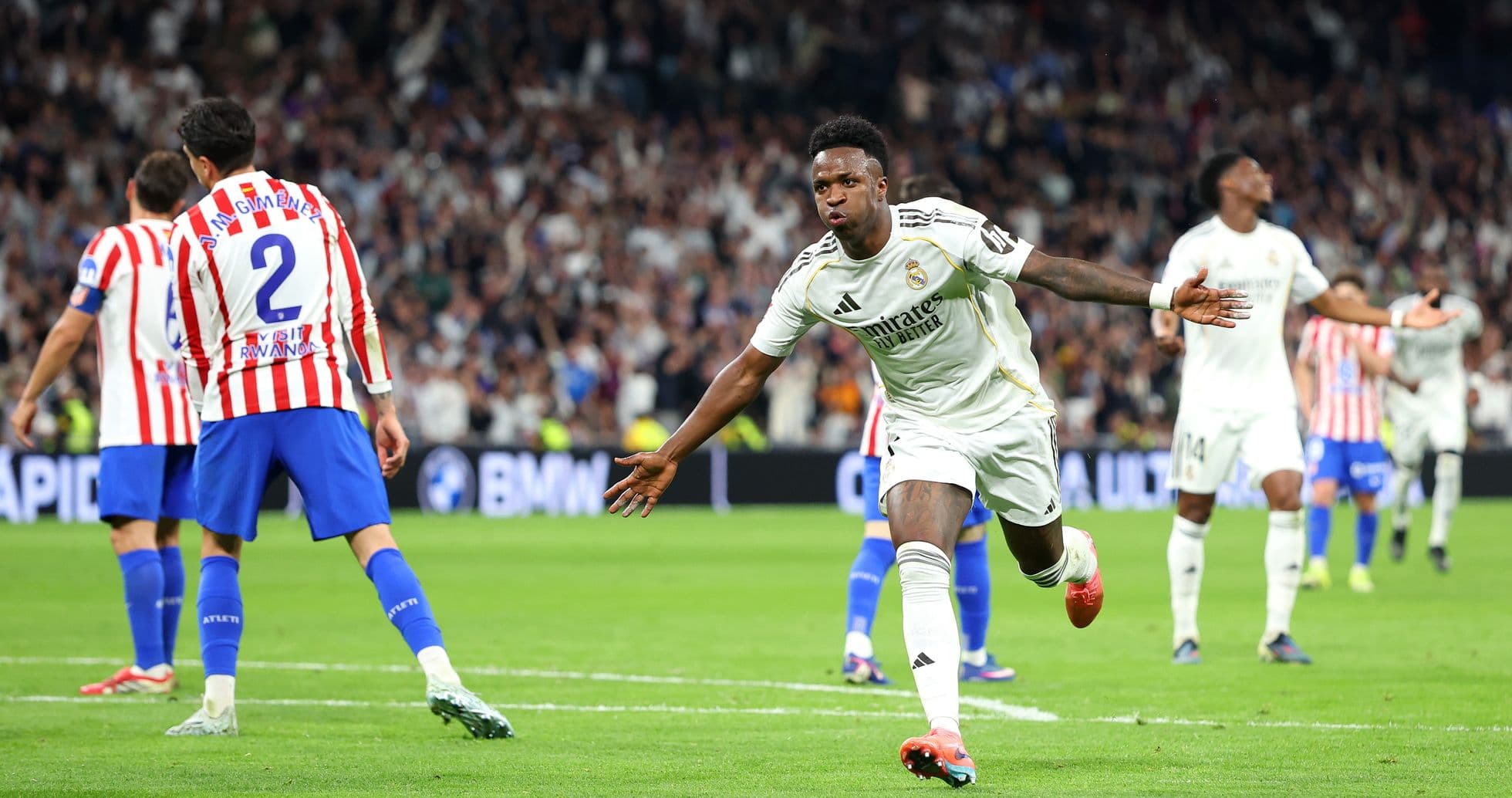
Atletico Madrid vs Real Madrid: Head-to-head Stats and Past Meetings
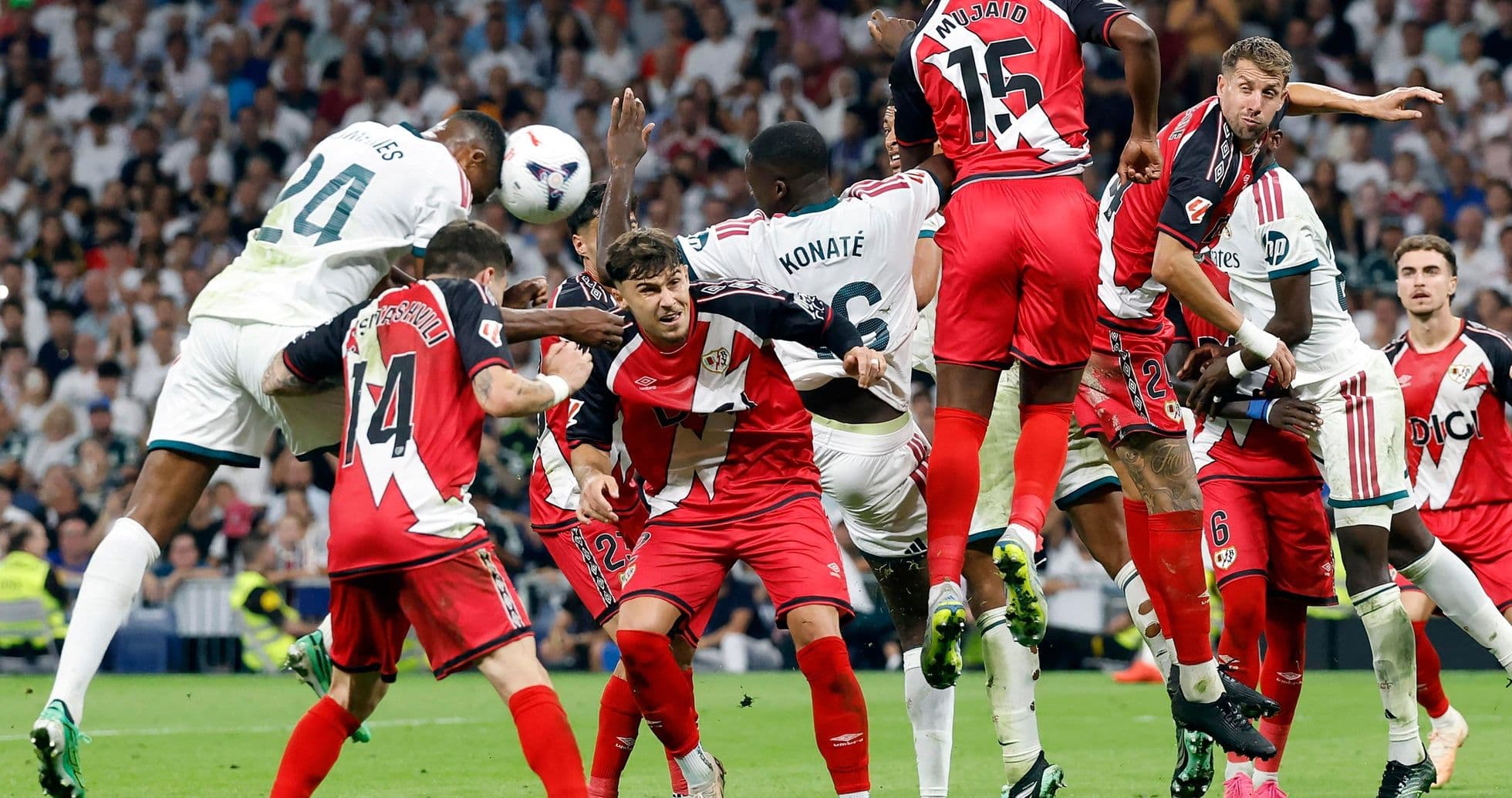
Real Madrid Dominates Rayo Vallecano in La Liga Clash
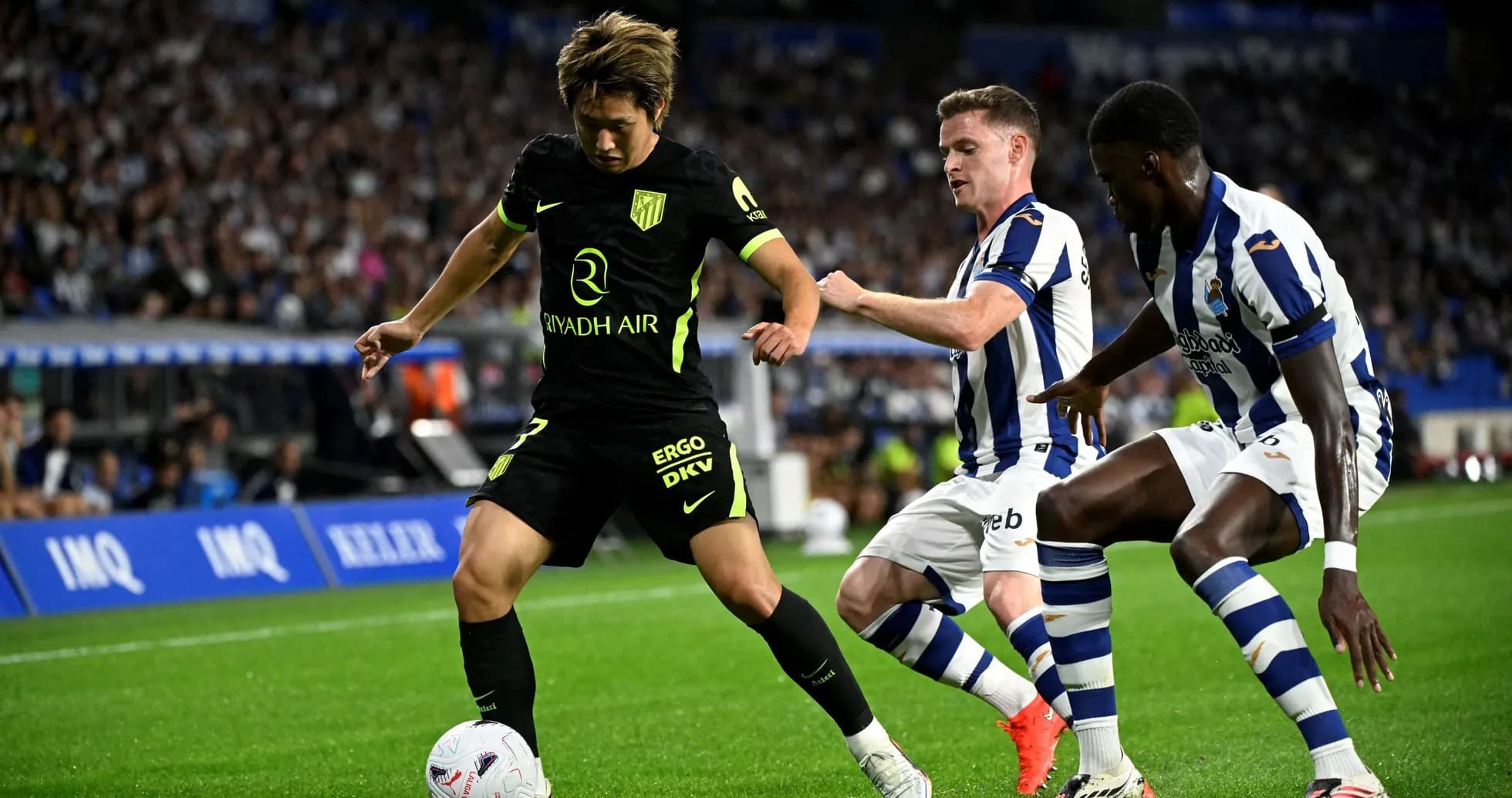
Atletico Madrid Dominates Real Sociedad 3-0 at Reale Arena
Barcelona Dominates Levante in High-Scoring Clash
Sevilla vs Barcelona Stats: Head-to-Head Record and Past Meetings