
Egypt's Historic World Cup Knockout Victory Led by Salah
ARLINGTON, Texas — Mohamed Salah walked slowly toward midfield, the captain’s armband clinging to a sleeve that had already soaked up 120 minutes of tension. Hamstring taped, legs heavy, eyes clear. Egypt’s greatest modern player was about to lead his country into a place it had never been.
A World Cup knockout victory.
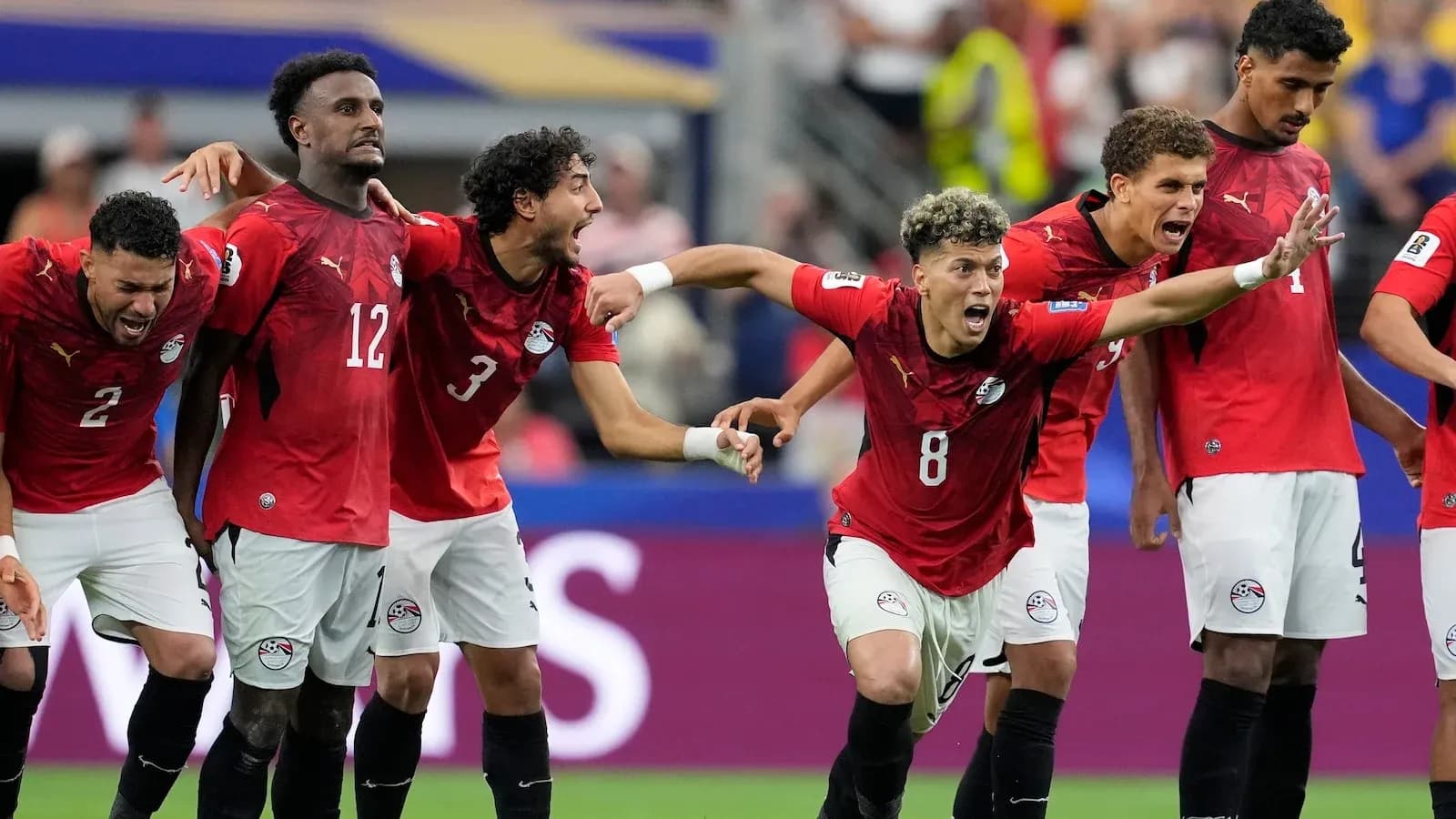
Hossam Abdelmaguid, a defender without a single international goal to his name, delivered it. His low, nerveless penalty sealed a 4-2 shootout win over Australia after a 1-1 draw on Friday, sending Egypt into the round of 16 for the first time in its history and detonating a red wave of noise inside a sold-out NFL stadium.
Seventy thousand voices. One release.
Salah’s night, Egypt’s moment
This was Egypt’s fourth World Cup, the first in the expanded 48-team era, but only recently had the Pharaohs even tasted a win on this stage. They arrived in Arlington still savoring their first-ever World Cup victory, a 3-1 group-stage win over New Zealand less than two weeks ago.
Now they have something far bigger.
Salah, 34 and one goal shy of coach Hossam Hassan’s national record of 69, started and stayed on the pitch through every second of regulation and extra time, just days after a hamstring injury in the group finale. He took his penalty in the shootout and scored, the kind of cold-blooded moment that has defined his club career and now anchors his international legacy.
“Me feeling today is that it's incredible,” Salah said. “I always like seeing the boys happy and enjoying the moment. Nothing can match that. So today was one of the best days of my life.”
For once, Egypt’s long-running World Cup story did not end with regret. It ended with Abdelmaguid, 25 years old, walking toward the spot with the weight of a nation on his shoulders and a goalkeeper staring him down.
The shootout that rewrote history
The tension of the night condensed into those five kicks each.
Australia blinked first. Harry Souttar strode up to open the shootout and lashed his effort high over the bar, a jarring miss from the towering defender who had thrown his body in front of everything all evening.
Egypt seized the opening.
Mahmoud Saber converted. Jackson Irvine answered for Australia. Ramy Rabia made it 2-1. Awer Mabil kept the Socceroos alive.
Then the crossbar intervened.
Lucas Herrington, just 18, stepped up for Australia’s fourth kick and smashed his effort against the bar. The ball cannoned away, and the momentum swung decisively toward the Pharaohs.
Salah did what Salah does, tucking his penalty away with clinical precision. That left Abdelmaguid with the chance to end it. Fifteen caps, no international goals, and suddenly the defining touch of Egypt’s World Cup life.
He went low to the left. Mathew Ryan, brought on late in extra time specifically for this moment, dived the wrong way. The net rippled. The Egyptian bench exploded. Red shirts spilled from the technical area and raced toward their new unlikely hero.
Egypt 4, Australia 2 on penalties. History, signed by a defender who had never scored.
Hassan’s simple message
On the touchline, Hossam Hassan had lived every second. The former star striker, now coach, had walked this emotional tightrope as a player. This time, he tried to strip the fear away from his squad before the shootout.
“When I went to the players and talked to them, I wanted to take some pressure off,” he said. “Do not look at the pressure. Just let everything out, don’t think about anything. Think about your penalty kick. Don’t even think about the goalkeeper. Just think about your kick.”
He admitted that in those moments, his mind was elsewhere.
“I was only thinking about the Egyptian fans,” Hassan said through a translator. “During the entire time and during the penalty shootout, I was just praying, ‘God, please make the Egyptian people happy.’ Even before the penalty shootout, to be honest.”
On this night, those prayers were answered in red flares, flags, and tears.
A brutal twist for Australia
For Australia, this stage has become a chamber of heartbreak.
The Socceroos are now 0-3 in World Cup knockout games. The only goals they have ever scored in those matches have been own-goals — one in a 1-0 loss to Italy in 2006, another in a 2-1 defeat to Argentina four years ago in Qatar.
Here, they forced extra time with help from yet another own-goal, but again walked away empty-handed.
“It hurts when you get that close,” coach Tony Popovic said. “Unfortunately, we bow out in a penalty shootout, so it’s difficult to take right now.”
Popovic’s side had its moments. Australia’s energy grew in the second half, and the decision to replace 22-year-old Patrick Beach with Ryan late in extra time for the shootout was a bold call. Beach, playing just his sixth international match, had kept them alive with a sprawling save on a Rabia header in stoppage time and a firm stop on Salah seconds later.
Ryan, making his 105th appearance, never got near any of Egypt’s four penalties.
From early control to chaos
Egypt had started like a team determined to rip up the script.
In the 13th minute, Emam Ashour ghosted into the box and met a cross with a sharp header, beating Beach just inside the near post. The red end of the stadium erupted, sensing a rare World Cup knockout lead for the African side.
The Pharaohs nearly doubled it straight after halftime. Within seconds of the restart, Omar Marmoush found himself with a golden chance, only to drag his shot wide. That miss opened the door.
Australia stepped through it.
Ten minutes into the second half, Egypt defender Mohamed Hany, already carrying the scars of this tournament, became the answer to a cruel trivia question. Aiden O’Neill whipped in a free kick from the left, and Hany, trying to clear, glanced his header past his own goalkeeper Mostafa Shoubir.
It was Hany’s second own-goal of this World Cup, after another in a 1-1 group-stage draw with Belgium. No player had ever scored two own-goals in the same World Cup before.
The context made it worse. Less than 10 minutes earlier, Hany had crashed to the turf near the same spot after colliding with Connor Metcalfe on a header. Medical staff rushed on, stretcher at the ready. After what appeared to be a concussion check, he stayed on.
Soon after, he was staring at the turf again, this time in disbelief.
Bodies on the line
The game became stretched, frantic, and punishing.
Egypt carved out one last big chance in regulation when Haissem Hassan broke through, only for Souttar to fling out a knee and deflect the shot away. At the other end, Australia probed but could not find a clean look past a disciplined Egyptian back line determined not to let Hany’s misfortune become the defining story.
Extra time brought more fatigue than finesse. Cramp, time-wasting, risk management. Both sides looked like teams who knew the next mistake could end everything.
So it came down to penalties, to nerve, to detail. To a defender without a goal and a goalkeeper with 100 caps behind him.
Abdelmaguid won.
Next stop: Atlanta
Egypt’s reward is a round-of-16 clash in Atlanta on Tuesday against either defending champions Argentina or tournament surprise Cape Verde. One a global heavyweight, the other a rising underdog.
For Salah, the question of how many more World Cups he has left will linger. For now, it doesn’t matter. He captained Egypt to its first knockout win, played through pain, scored his penalty, and watched a younger teammate etch his name into history.
For a country that has long dominated Africa but never quite found its footing on the sport’s biggest stage, this night in Texas felt like a door finally swinging open.
The only question now: how far are Egypt willing to walk through it?
Related News
Raphinha’s Hat-Trick Powers Barcelona to 7-2 Victory Over Racing Santander
Carabao Cup Fourth Round Draw: Liverpool Set to Clash with Chelsea, Arsenal to Face Fleetwood Town
Key Football Matches to Watch in Azerbaijan This Autumn
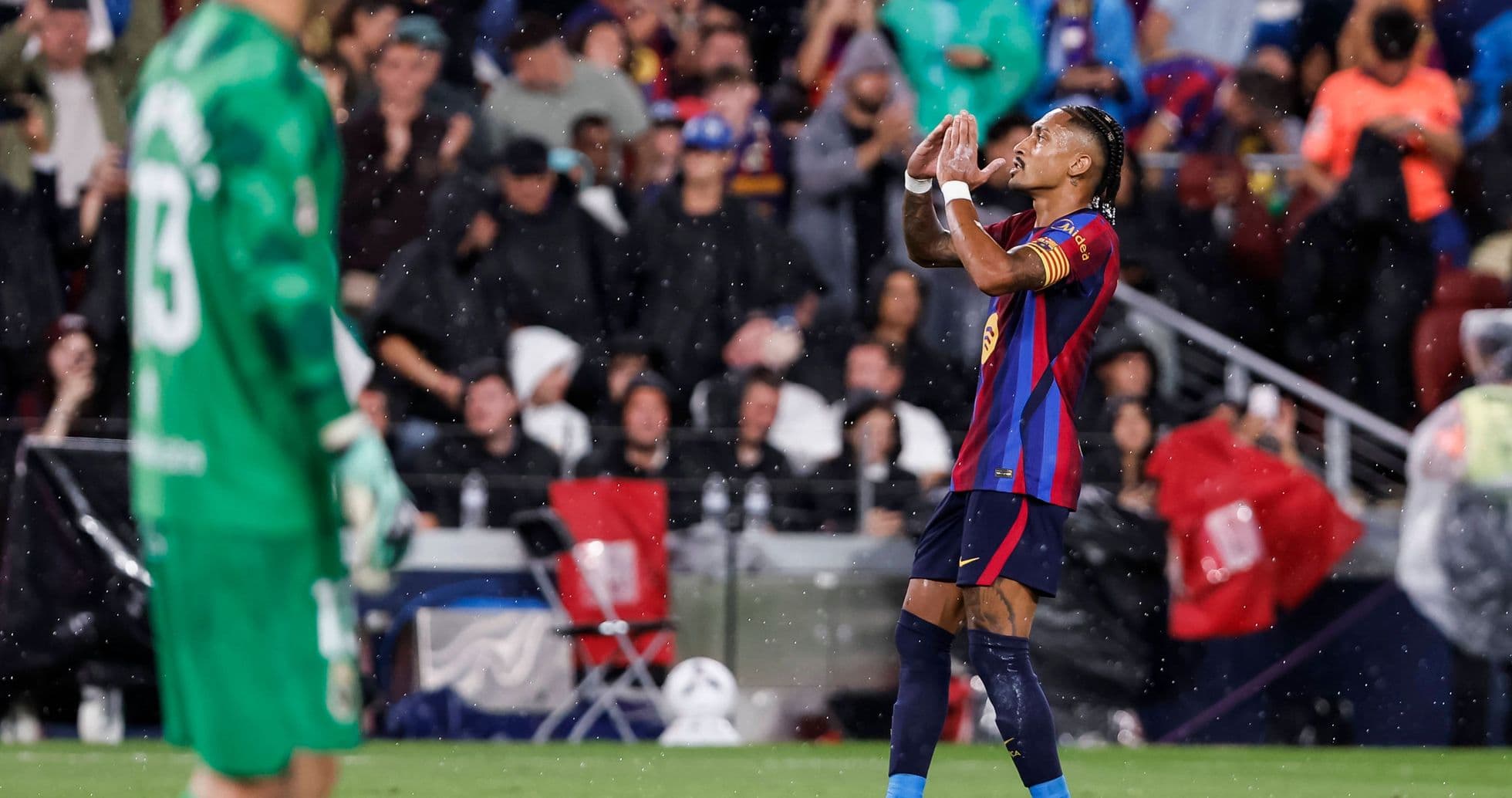
Raphinha's Hat-Trick Drives Barcelona to 7-2 Triumph Over Racing Santander
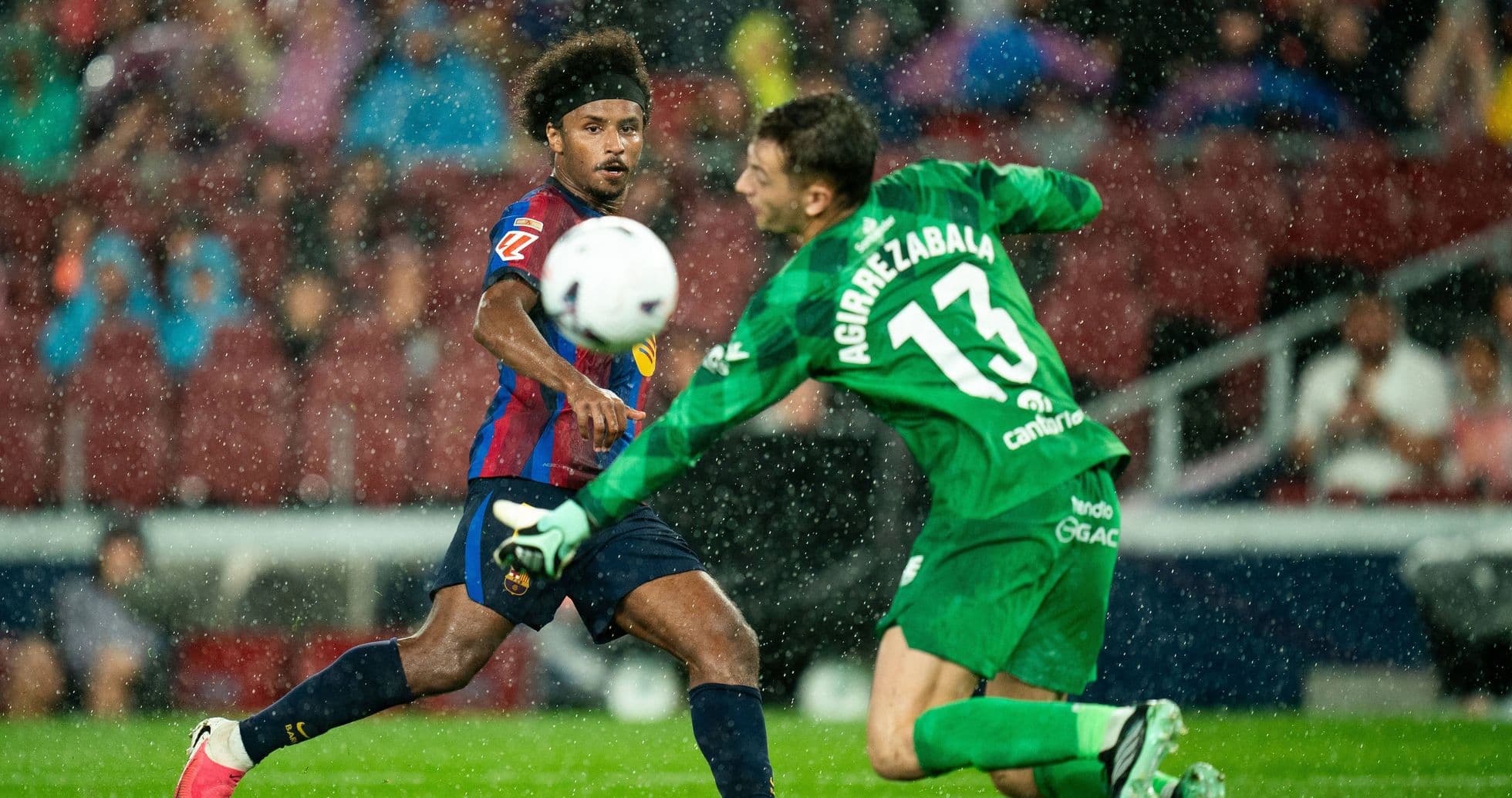
Hansi Flick Leads Barcelona to Record-Breaking Seven Wins in a Row
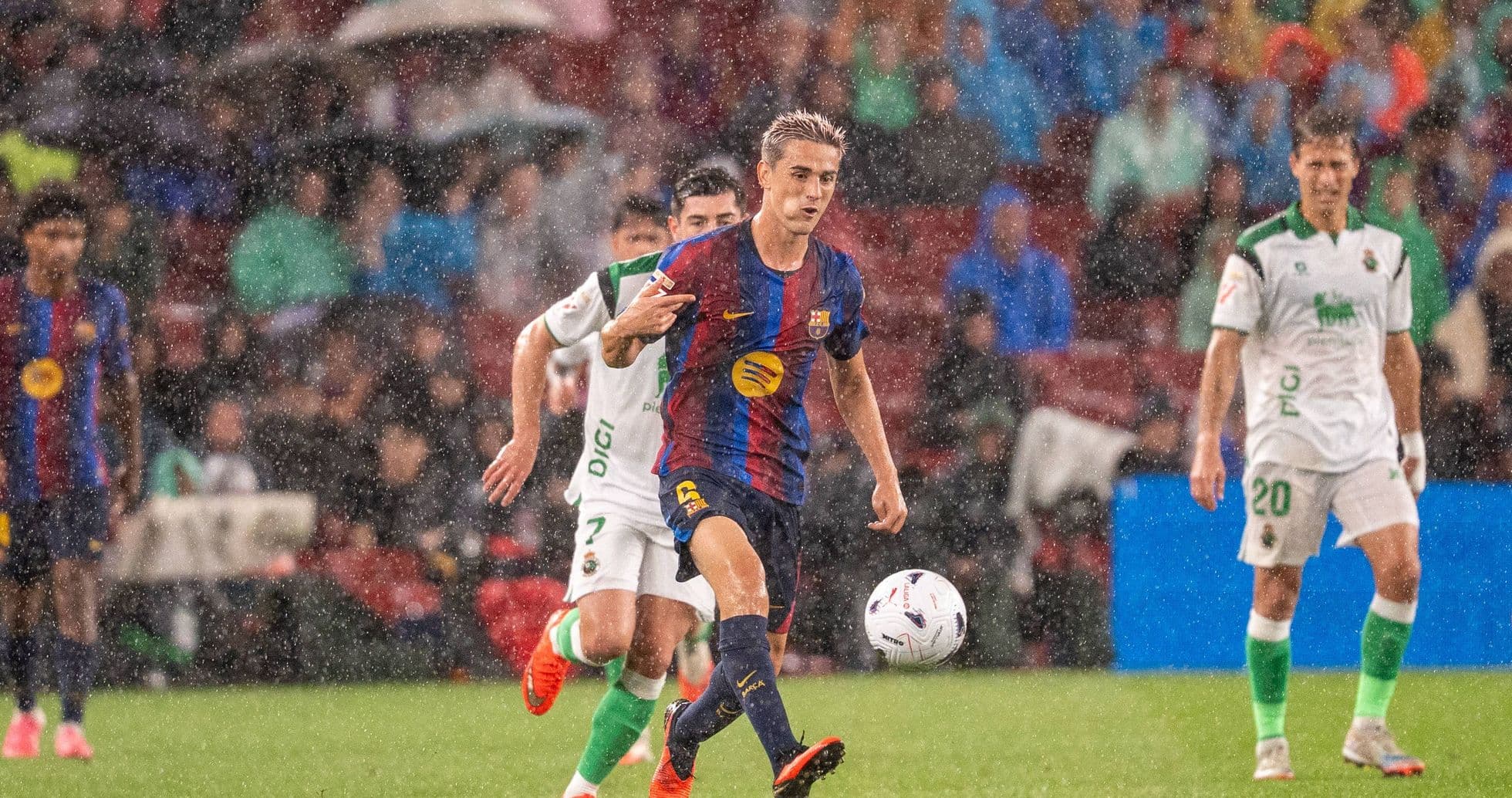
Gavi Reflects on Injury Return as Barcelona Dominate Racing Santander 7-2