
Egypt Makes History with First Knockout Win Against Australia
Hossam Abdelmaguid stood over the ball, 18 yards from history. One clean strike later, Egypt were somewhere they had never been before.
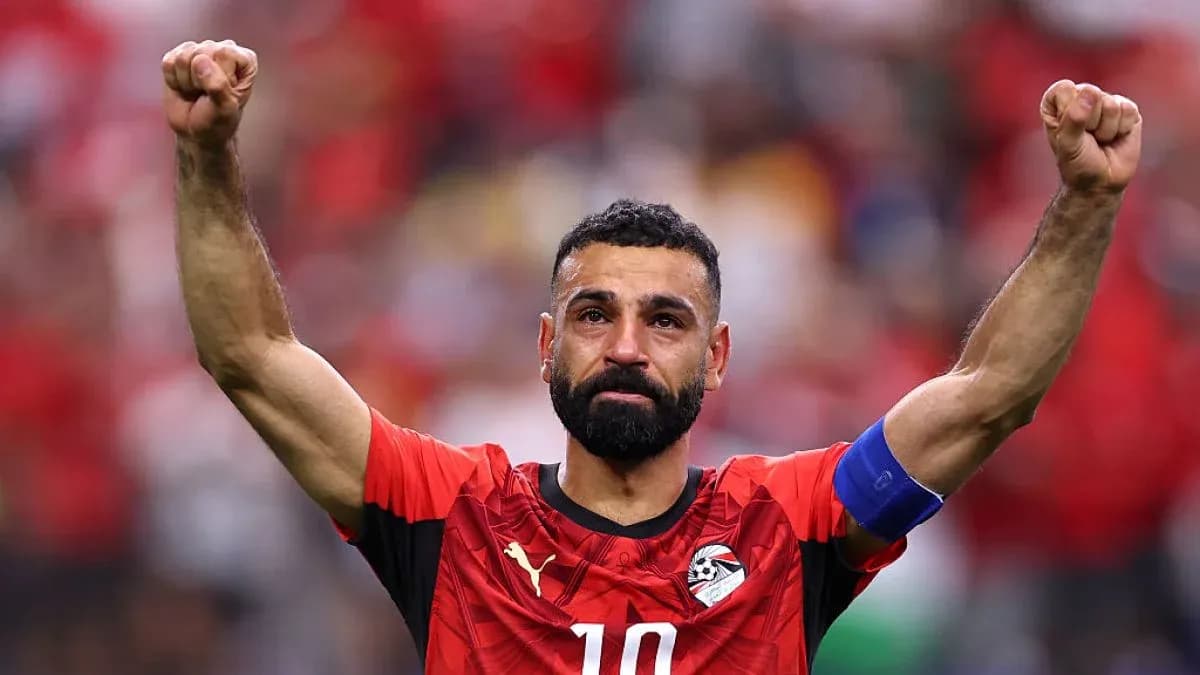
The teenager buried the decisive penalty as Egypt edged past a stubborn Australia 4-2 in a shootout in Texas, booking a first-ever place in the World Cup last 16 and sending Mohamed Salah to his knees in tears of joy.
It had taken 120 tense, scrappy minutes and a draining shootout to separate two sides who had never previously won a men’s World Cup knockout match. The prize was enormous. The route was anything but pretty.
Egypt hold their nerve as Australia blink first
Tony Popovic played his final card before the shootout, hauling on veteran goalkeeper Mathew Ryan in the dying seconds in the hope of a psychological edge. It evaporated almost immediately.
With whistles pouring down from the bank of Egypt fans behind the goal, Harry Souttar strode up to take Australia’s first penalty and launched it high into the night sky. Advantage Egypt. The Socceroos never recovered.
Every kick that followed only tightened the screw. The next five penalties were converted, Salah stepping up with Egypt’s second and rolling in the coolest of finishes, a reminder that even on an off night his nerve remains elite.
At 4-2, with the pressure now crushing, 18-year-old defender Lucas Herrington smashed his effort against the bar. Abdelmaguid, equally young but unflinching, walked up knowing one clean contact would rewrite Egyptian football history.
He did not flinch. He did not miss.
A night that began with a roar
The drama of the shootout almost obscured how sharply Egypt had started. Under the roof at the air-conditioned home of the Dallas Cowboys, with more than 70,000 in attendance, Hossam Hassan’s side struck first.
On 13 minutes, Australia switched off. Nestory Irankunda lost Emam Ashour at the back post, Karim Hafez whipped in an inviting cross, and Ashour powered home his second goal of the tournament with a firm header. Egypt, who had looked nervous at the back in the opening exchanges, suddenly had the lead and a platform.
Australia, who had only scored twice in the group stage, were now asked a question they had rarely answered in this tournament: could they chase a game?
They almost responded immediately. Cristian Volpato, the late convert from Italy to Australia, rattled the top of the crossbar with a fierce effort inside the opening five minutes, a warning of his threat. It stayed a warning.
For all their territory, Popovic’s side created little of note. Their first shot on target did not arrive until 10 minutes before half-time, Aziz Behich drilling tamely at Mostafa Shobeir, whose father Ahmed kept goal for Egypt at the 1990 World Cup. The current custodian barely had to move.
Salah struggles, Egypt suffer
This was supposed to be Salah’s stage. Instead, the 34-year-old, still feeling the effects of a hamstring strain from Egypt’s previous match, spent much of the first half on the fringes.
He snatched at rare openings, struggled to find rhythm and found himself repeatedly crowded out. Egypt’s game plan, so often built around his left foot, had to find other routes.
The contest turned bruising. Right on half-time, Jordan Bos — one of the quickest players at this World Cup — ended the half in a heap after a flying, uncompromising challenge from Rabia. Bos could not continue and Kai Trewin replaced him at the interval, a significant blow to Australia’s attacking thrust down the flank.
Seconds after the restart, Egypt should have tightened their grip. Omar Marmoush, the Manchester City attacker, arrived perfectly to meet a low ball in the box and somehow slid his finish wide from close range. It felt costly on the spot. It soon looked worse.
Hany’s nightmare continues
Egypt’s coach had warned about Australia’s physicality at set pieces. The warning went unheeded.
On 55 minutes, under intense pressure from a swirling in-swinging free-kick, Mohamed Hany mistimed his header and diverted the ball past his own goalkeeper. It was his second own goal of the tournament, and it dragged Australia level without them having crafted a clear-cut chance.
The goal transformed the mood. Egypt, so assured after Ashour’s opener, wobbled. Australia sensed vulnerability but lacked the cutting edge to exploit it. Half-chances came and went, but clear opportunities were rare.
Salah remained on the periphery, a famous name rather than a decisive force, yet he still had a say in the late drama. Deep into added time at the end of 90 minutes, he linked play in a flowing move that ended with Patrick Beach producing a superb save to deny Ramy and force extra time.
Extra time, frayed nerves, and a familiar outcome
By now, legs were heavy and decisions slower. Egypt, though, finished normal time the stronger and carried that momentum into the extra 30 minutes.
Early in extra time, Salah finally found a pocket of space, cut inside onto his weaker right foot and lashed a rising effort well over. It summed up his night from open play: always present, rarely precise.
The longer the clock ticked, the more inevitable penalties felt. Both teams knew what was at stake, both terrified of a single mistake. Tackles lost their bite, attacks lost their conviction. The game drifted towards the spot.
Egypt had never been here before at a World Cup. But in knockout football, their continental pedigree counts. Seven Africa Cup of Nations titles, a history of high-pressure nights, and a squad that refused to blink when it mattered most.
Australia, who had thrown everything at the tournament after another solid group phase, watched it slip away via one wild swing from Souttar and one cruel thud off the bar from Herrington.
Messi, or the miracle
Egypt’s reward is as daunting as it is glamorous. In Atlanta on Tuesday, they will face the winner of Argentina against Cape Verde. Barring one of the great World Cup shocks, that means Lionel Messi and the reigning champions.
For now, the Pharaohs will not care. They came to this World Cup still searching for a first win and found it against New Zealand. They arrived in Texas with a chance to reach uncharted territory and seized it, even with their captain short of his best.
On a night when Salah misfired, others carried the weight: Ashour with the early header, Shobeir with safe hands, Abdelmaguid with the final word.
Egypt have stepped through a door that stayed locked for generations. The question now is simple: having finally arrived on the World Cup’s knockout stage, how far are they prepared to go?
Related News
Ilia Topuria Accuses Justin Gaethje After UFC Defeat

Tyson Fury vs Anthony Joshua Fight Date and Venue Confirmed
Switzerland Calls Up In-Form Sion Striker Winsley Boteli for Nations League
Bournemouth Secures Historic 2-1 Win Over Real Sociedad in Spain
Portugal Announces Squad for 2026 UEFA Nations League; Cristiano Ronaldo Expected to Play
Raphinha Channels Ronaldo Nazario as Barcelona's Leading Striker After Position Change