
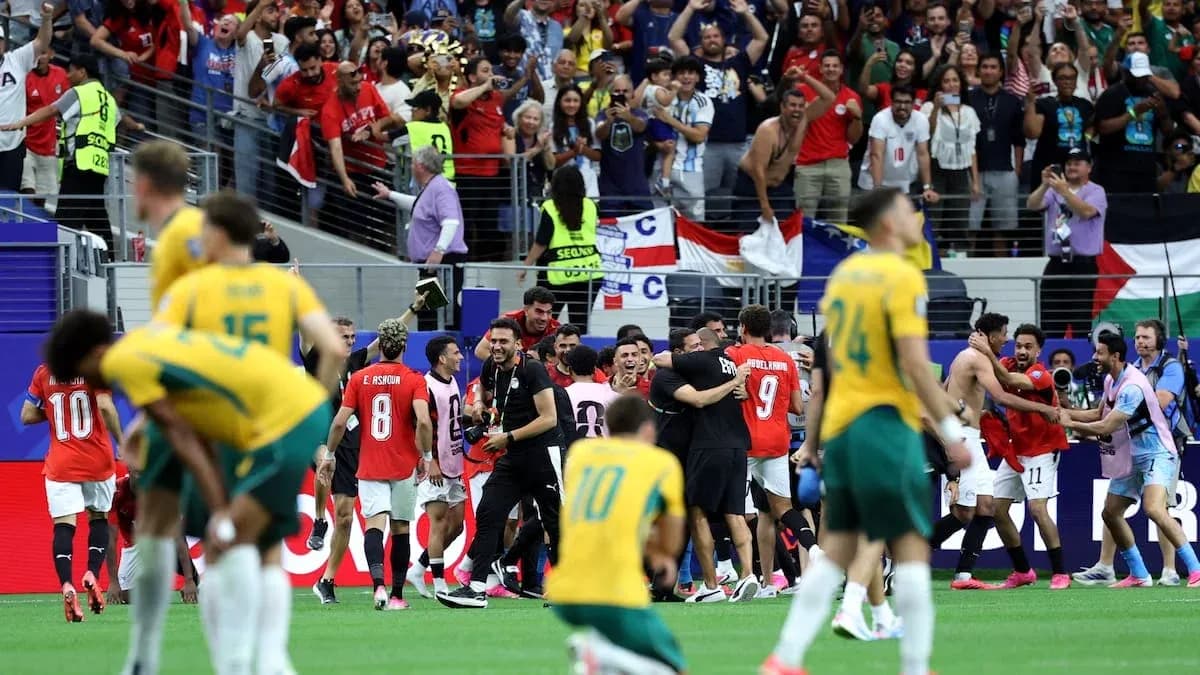
Egypt Triumphs Over Australia in World Cup Knockout
In the end, it came down to a teenager, a crossbar and a country holding its breath.
Australia’s World Cup dream died in a shootout, Egypt’s players sprinted towards the corner flag, and Mohamed Salah – largely muted for 120 bruising minutes – finally allowed the emotion to pour out. Tears, this time, of joy.
A goalkeeper’s gamble, a defender’s nightmare
Tony Popovic rolled the dice before the penalties. Off came Patrick Beach, on came Mathew Ryan – the veteran, the leader, the man for the moment.
It unravelled almost instantly.
Harry Souttar, so often Australia’s defensive rock, strode up for the first kick. He lashed it, high and wild, over the bar and into the noise of the Egypt end. Advantage Egypt. The Socceroos were chasing from the first whistle of the shootout.
The next five penalties all found the net. Salah, who had laboured through the match after his hamstring strain, walked up with that familiar, unhurried calm and rolled in his effort with icy precision. Egypt edged closer.
Then came Lucas Herrington. Just 18, a defender carrying a nation’s tension on young shoulders. His strike beat the keeper but not the frame of the goal, crashing against the bar. Abdelmaguid stepped up, kept his head, and buried his kick to send Egypt through and leave Australia crushed.
Egypt strike first against the run
This had been billed as a night of opportunity. Neither Egypt nor Australia had ever won a men’s World Cup knockout match. In the vast, air-conditioned arena that usually belongs to the Dallas Cowboys, history felt close enough to touch.
Popovic’s side nearly seized it inside five minutes. Cristian Volpato, who chose Australia over Italy on the eve of the tournament, rattled the top of the crossbar with a fierce effort that had Mostafa Shoubir beaten.
Egypt looked rattled early, especially at the back. For a team that had only just claimed their first-ever World Cup win in the group stage – a 3-1 victory over New Zealand – the occasion seemed to weigh heavy.
Then, almost out of nowhere, they struck.
Nestory Irankunda switched off at the back post, losing Emam Ashour as Karim Hafez whipped in a teasing cross. Ashour, already on the scoresheet once this tournament, powered his header home after 13 minutes. One chance, one ruthless finish. Seven-time African champions in front, the script flipped.
The goal forced Australia into a role that has never quite sat comfortably at this World Cup: aggressors. They had scored just twice in the group phase and now had to chase in front of 70,000 fans.
Their response before the break was tepid. Aziz Behich finally tested Shoubir with a tame effort ten minutes before half-time, the goalkeeper gathering routinely under the gaze of his father Ahmed, who had worn the gloves for Egypt at the 1990 World Cup.
Injuries, collisions and an ugly first half
The opening 45 minutes never settled into a rhythm. It was attritional, stop-start, with Salah a peripheral figure, still feeling the after-effects of his hamstring problem. He drifted wide, dropped deep, searched for pockets of space that never quite opened.
Australia’s evening took a further hit just before the interval. Jordan Bos, one of the quickest players at the tournament and a constant outlet down the flank, ended the half in a heap after a fierce, flying challenge from Rabia. He did not return. Kai Trewin replaced him at the break, a tactical plan reshaped by a single collision.
Egypt’s coach had warned about Australia’s physical edge. He was right to.
An own goal swings the tide
Seconds into the second half, Egypt should have killed it. Omar Marmoush, the Manchester City attacker, slid the ball wide from close range when it seemed easier to score. A let-off, and a warning.
Australia clung on – and then the pressure told, in the strangest way.
From an in-swinging free-kick, Mohamed Hany, under heavy Australian pressure, mistimed his header and diverted the ball past his own goalkeeper. It was his second own goal of the tournament, a cruel personal twist that dragged the Socceroos level and ignited the contest.
Suddenly, the game opened up. Egypt, stung, pushed higher. Australia, emboldened, sensed that their direct, combative approach was unsettling their opponents.
Salah still struggled to impose himself, but his touches grew more purposeful. Deep into added time at the end of the 90, he was involved in the build-up as Beach – before his late substitution – flung himself to his right to deny Ramy with an outstanding save that kept Australia alive and forced extra time.
Extra time tension, then the inevitable
By the end of normal time, Egypt had the momentum. They finished stronger, pinning Australia back, and carried that authority into extra time.
Early in the added 30 minutes, Salah finally found a pocket of space, cut across the box and let fly with his weaker right foot. The shot sailed well over, a reminder that even the greats misfire when the legs are heavy and the stakes are suffocating.
Chances thinned out. Legs cramped. Every tackle drew roars. Every break forward felt like it might be the one, and yet both teams knew what was coming. Penalties loomed, inexorable.
Popovic made his move, turning to Ryan for the shootout. It was bold. It was logical. It did not work.
Souttar’s miss set the tone, Herrington’s agony sealed it, and Salah – quiet for so long – delivered in the one moment that mattered most.
Egypt had their first men’s World Cup knockout win. Australia had only the hollow echo of the crossbar and the question that will linger long after the stadium lights dim: how close can you come to history without actually touching it?
Related News
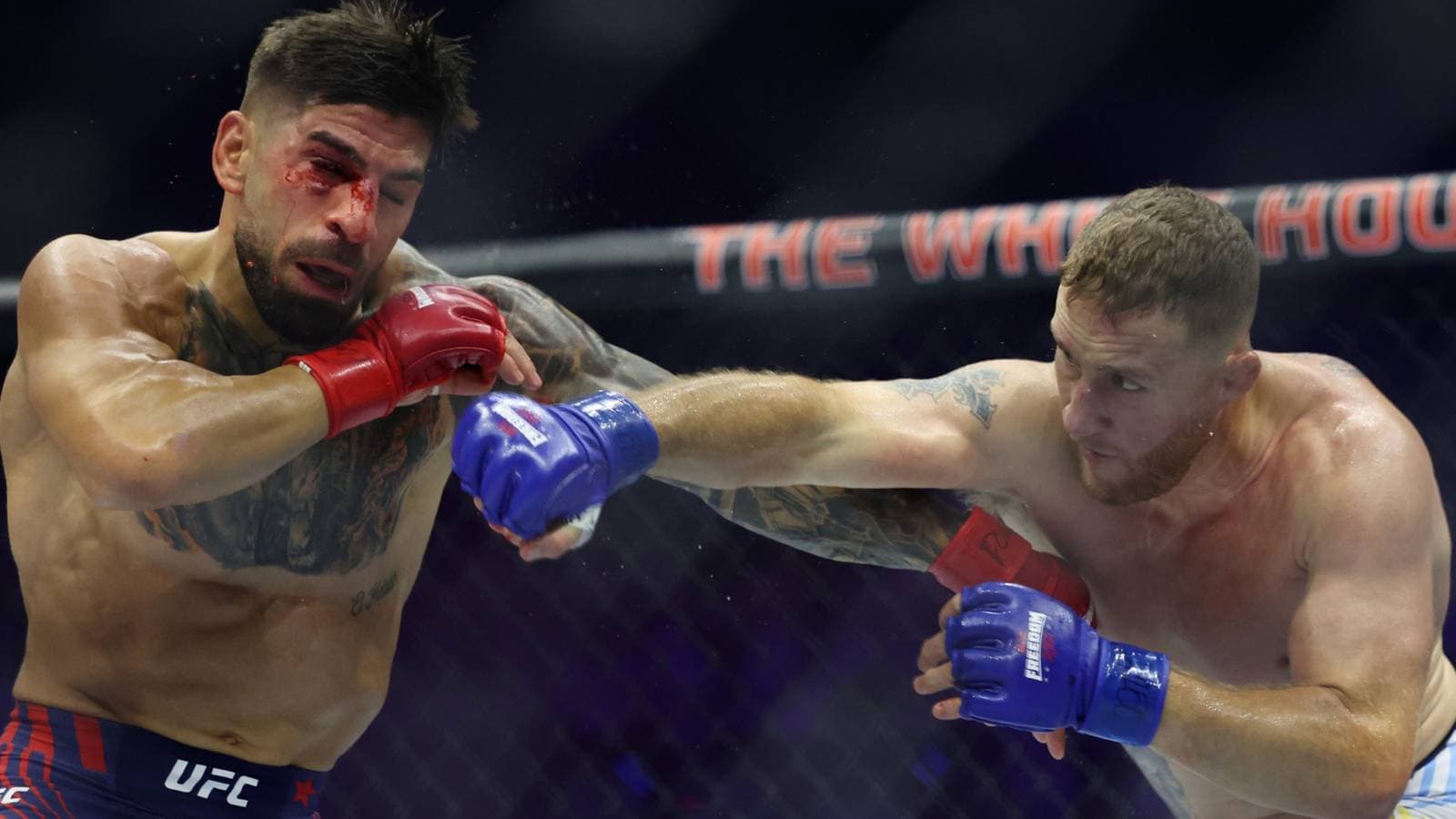
Ilia Topuria Accuses Justin Gaethje After UFC Defeat

Tyson Fury vs Anthony Joshua Fight Date and Venue Confirmed
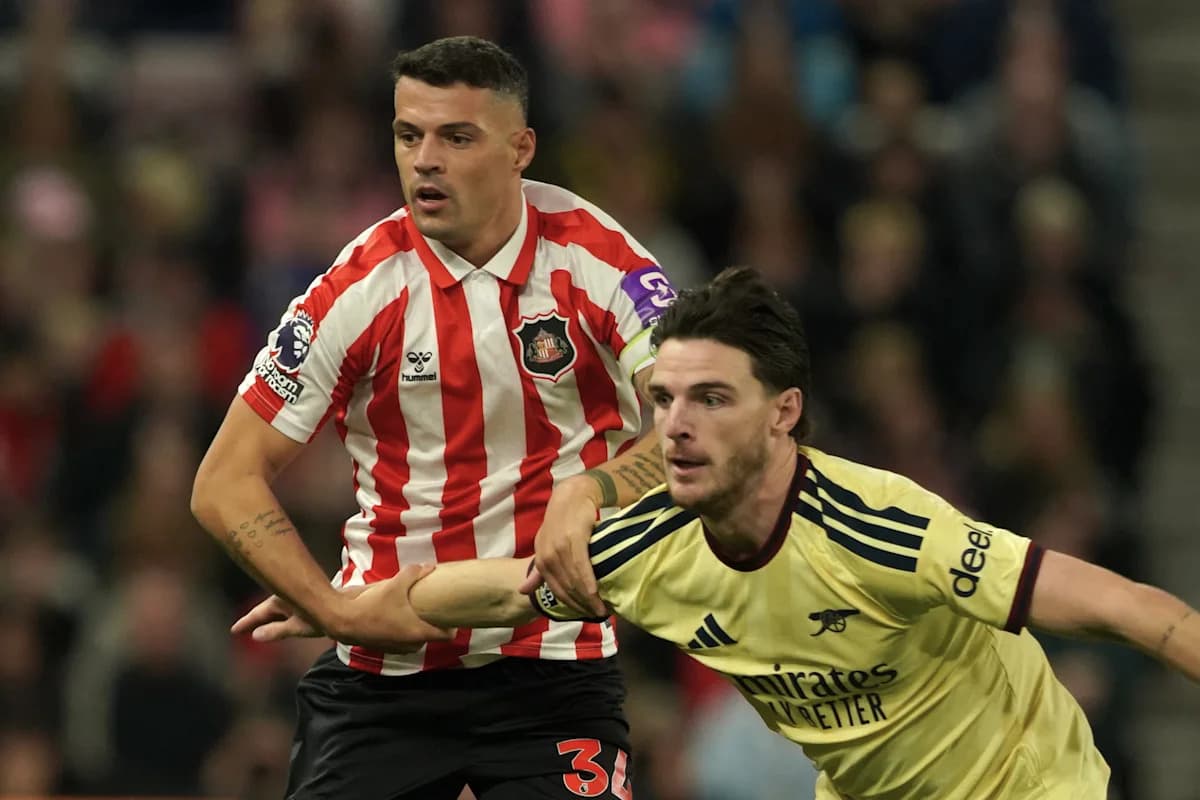
Switzerland Calls Up In-Form Sion Striker Winsley Boteli for Nations League

Bournemouth Secures Historic 2-1 Win Over Real Sociedad in Spain
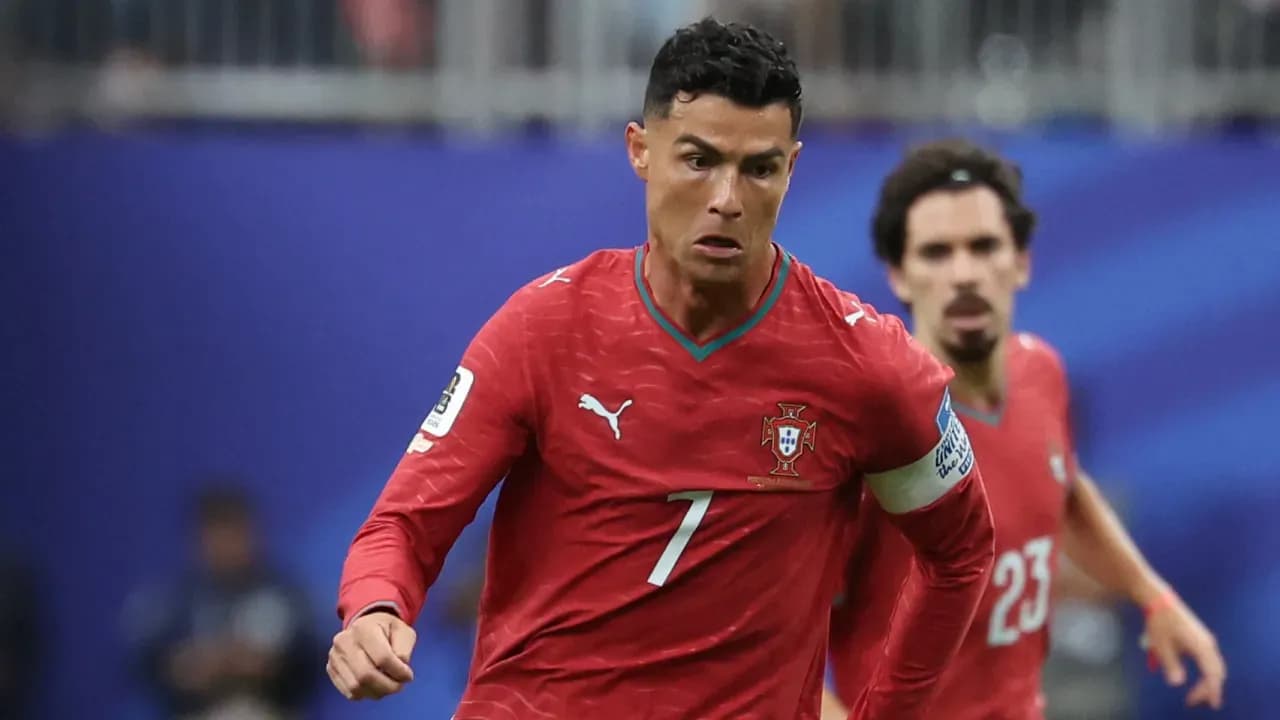
Portugal Announces Squad for 2026 UEFA Nations League; Cristiano Ronaldo Expected to Play
Raphinha Channels Ronaldo Nazario as Barcelona's Leading Striker After Position Change