
Eddie Howe's Season Reflection and Future Challenges for Newcastle United
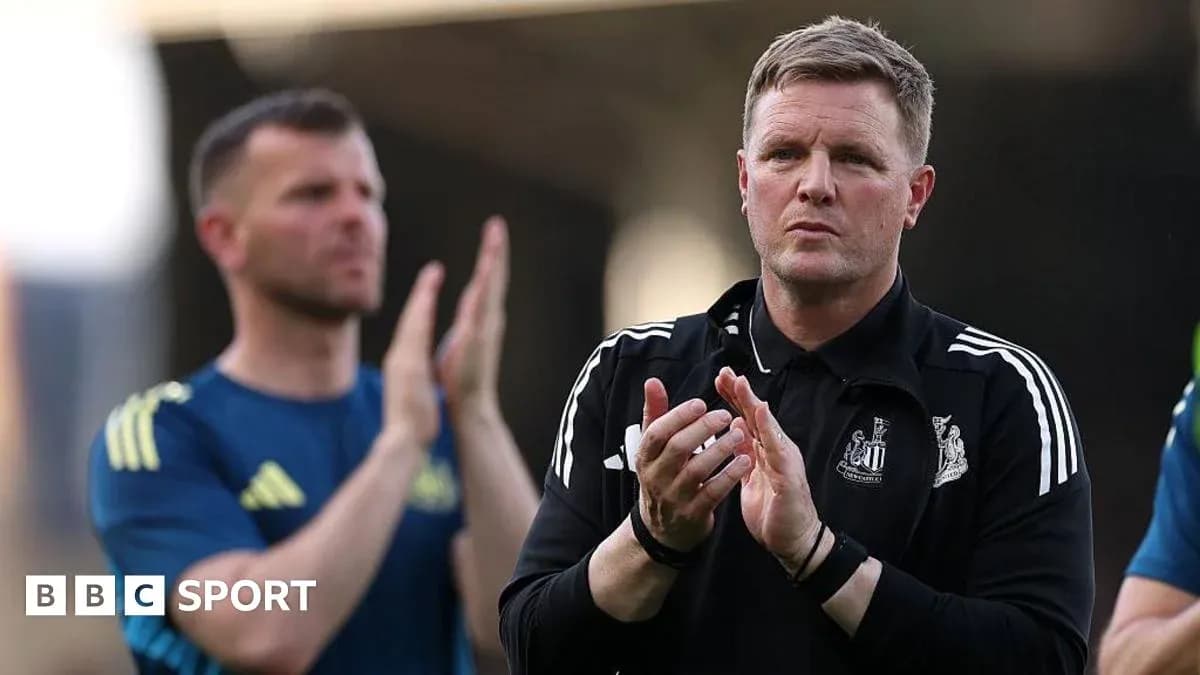
Eddie Howe walked alone.
At least, that is how it looked when he set off on Newcastle United’s lap of appreciation after the final home game of the season. In reality, he was anything but. St James’ Park wrapped itself around him with a noise that felt almost defiant.
“Eddie Howe’s black and white army” rolled down from the stands again and again on 17 May, the same anthem that had soundtracked those euphoric Champions League-clinching nights in 2023 and 2025. This time, though, the emotion was different. Less triumph, more solidarity. Less celebration, more reassurance.
This was the end of Howe’s most bruising season on Tyneside. And yet, with seven points taken from the final nine available at home, it felt as if Newcastle had finally found a flicker of momentum in the dying embers of a draining campaign.
There was still one game left. One more chance to leave a different taste.
Instead, Fulham away on the final day delivered something horribly familiar. Newcastle reverted to type, curiously flat, curiously loose, and slumped to a 2-0 defeat – their 17th league loss of the season. When the players and staff walked towards the away end at full-time, several heads were bowed. The body language told its own story.
It felt like Groundhog Day.
“There have been a lot of bruises this season,” Howe admitted afterwards.
If anything, that undersold it.
A season that forced a rethink
The scale of the regression has already triggered serious conversations at the top of the club. Earlier in May, owners, executives and senior figures gathered in Northumberland for their annual summit. This year, the agenda was blunt: what went wrong, and how do they fix it?
“We are in a moment right now and they want to understand why, what we are doing about it and how to fix it,” said one senior source.
The response has not been emotional. It has been analytical, cold, and detailed. The conclusion is clear: big changes are coming. This squad will not look the same when next season kicks off.
There is still a gap in valuation between Bayern Munich and Newcastle over Anthony Gordon, and the club insist they will only sell on “our terms”. Even so, Gordon looks one of the likelier departures. Factor him in with other possible exits and the recruitment picture becomes stark. Newcastle could need, at minimum, a new goalkeeper, a full-back, a midfielder and at least a couple of forwards.
Howe has grown “frustrated” by recurring on-pitch problems he has not been able to solve. He says the club are now “very clear” on what is required this summer after a 12th-placed finish that fell well below internal expectations.
Fresh faces alone will not fix this. Howe knows that. But he also points to recent examples of clubs who have vaulted up the table off the back of one smart window. That is the sort of decisive, targeted work now expected of sporting director Ross Wilson, who is leading a crucial rebuild with Howe still seen as part of both the diagnosis and the solution.
That stance is hardly shocking. This is the coach who, only last season, ended Newcastle’s 70-year wait for a major domestic trophy by lifting the Carabao Cup. Yet standards have slipped. Everyone inside the club accepts this season has not been good enough.
Just as you never quite knew what version of Newcastle would turn up from week to week, the same could be said of Howe. He has often looked like a manager searching for a formula rather than imposing one. The bar that he himself raised now needs to be reset after his worst domestic campaign at the club.
“It’s something we need to address and we need to address it very quickly,” he said.
He is right. Newcastle have to rediscover their edge.
From ruthless to brittle
Not long ago, this side were ruthless finishers. They could suffocate opponents, get in front and stay there. In 2024-25, no team in the Premier League dropped fewer points from winning positions than Newcastle – just seven.
Howe could lean on Alexander Isak to strike first, drag them level or kill a game. He could then trust a drilled, aggressive unit to see it out. That structure, that certainty, underpinned everything.
This season, that identity has crumbled. Newcastle have thrown away more points from winning positions than anyone else in the division – 27 – and conceded more goals in the final 15 minutes of matches than any other side, 21. A team once known for its ferocity has turned flaky.
The demands of competing on multiple fronts exposed those cracks. Unlike Aston Villa, who went on to win the Europa League but exited both domestic cups earlier than Newcastle, Howe’s side never quite mastered the art of juggling it all. The schedule from September to March was relentless. Training sessions were trimmed, tactical work often moved into meeting rooms rather than onto the grass.
There were flashes of belated evolution late in the campaign, but nothing sustained. Even when the calendar eased and players finally had more time for training and recovery, the performances did not fully turn.
It has been a slog. A 58-game season tested the dressing room mentally as much as physically. For many, this was their first taste of such a grind.
“Bloody hell, it’s not easy,” said a source close to one regular.
The staff felt it too. Wins could not be savoured for long; every high carried the threat of a low three days later. Newcastle never produced the sort of defining surge that had previously powered them up the table. Instead, they lived on the wrong side of fine margins. Remarkably, 71% of their league defeats came by a single goal.
Howe has to find a way to flip those margins back in his favour, and quickly.
A fanbase ready for a reset
In the stands, there is still credit in the bank for Howe, but the balance is shifting.
Season-ticket holder Liam Phillips believes the club need a “reset”.
“He badly needs a good start next season,” he said. “If Newcastle are not in the top six or seven in the first few games, I think the crowd will quickly turn.
“There has been a patience and understanding this season but if the team start badly after spending more money in the transfer market, I don’t think people will be quite as forgiving.”
That patience survived a turbulent window last summer. Newcastle missed out on several first-choice targets. Most of the signings arrived late. There was no chief executive or sporting director in place. The club, having stood firm for so long, finally buckled and sold Isak on deadline day.
Others have handled that sort of disruption better. Brentford and Bournemouth, for example, have rebuilt smartly after selling key players. Newcastle, by contrast, have not seen enough return from a net spend of more than £100m that Howe was heavily involved in shaping.
Only Malick Thiaw can be called an unqualified success so far.
Because of the congested schedule, most of the new arrivals had to learn Newcastle’s way of playing via analysis sessions, not the full-intensity work Howe prefers on the training pitch. Jacob Ramsey had only a brief taste of those sessions before the fixtures piled up. Even in that short window, the midfielder was said to have found the high-intensity running a jolt after a more relaxed training rhythm, even under the demanding Unai Emery at Aston Villa.
It was a snapshot of the adjustment period new signings face before they fully grasp the physical and tactical demands Howe places on his players. The hope inside the club is that last summer’s recruits will be better for this bruising year and more attuned to what is required when the new season begins.
They will need to be. Howe has made a career out of overachieving against teams with bigger wage bills, but this time his side finished in the bottom half. While rivals Sunderland celebrated doing the double over Newcastle and booking their place in Europe in a season with eight qualification spots, Howe’s men watched from the outside.
That sort of boom-and-bust cycle cannot continue. Howe has previously thrived when he has had clear weeks to prepare his team for Premier League games, drilling detail and intensity into them on the training ground. He will need those blocks again, and he will need to use them better than ever.
The next step
Howe insists the experience will harden him and his players.
“Every experience makes you stronger and makes you appreciate the good times,” he said. “We will all try and come back a better team.”
The lap of appreciation at St James’ Park suggested the crowd are willing to believe him, at least for now. The songs, the applause, the number who stayed behind after such a weary season – all of it felt like a promise as much as a thank you.
Next season, that promise will be tested. The rebuild will be ruthless. The margins will be thin again. The question is no longer whether Eddie Howe can make Newcastle dream.
It is whether he can make them relentless.
Related News
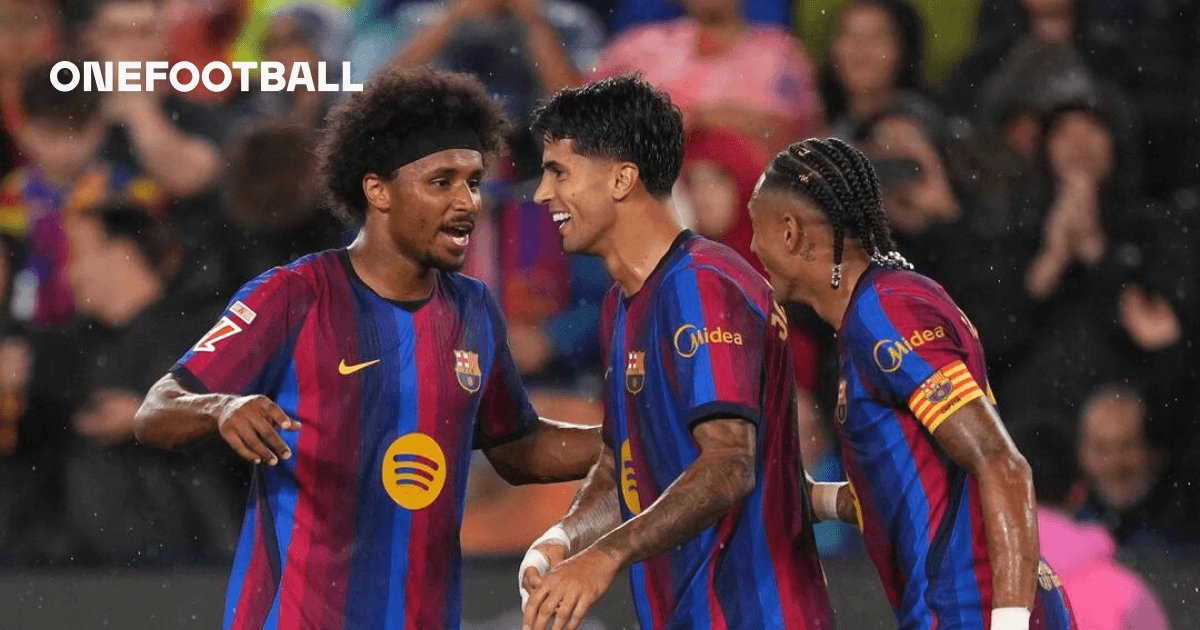
Raphinha’s Hat-Trick Powers Barcelona to 7-2 Victory Over Racing Santander
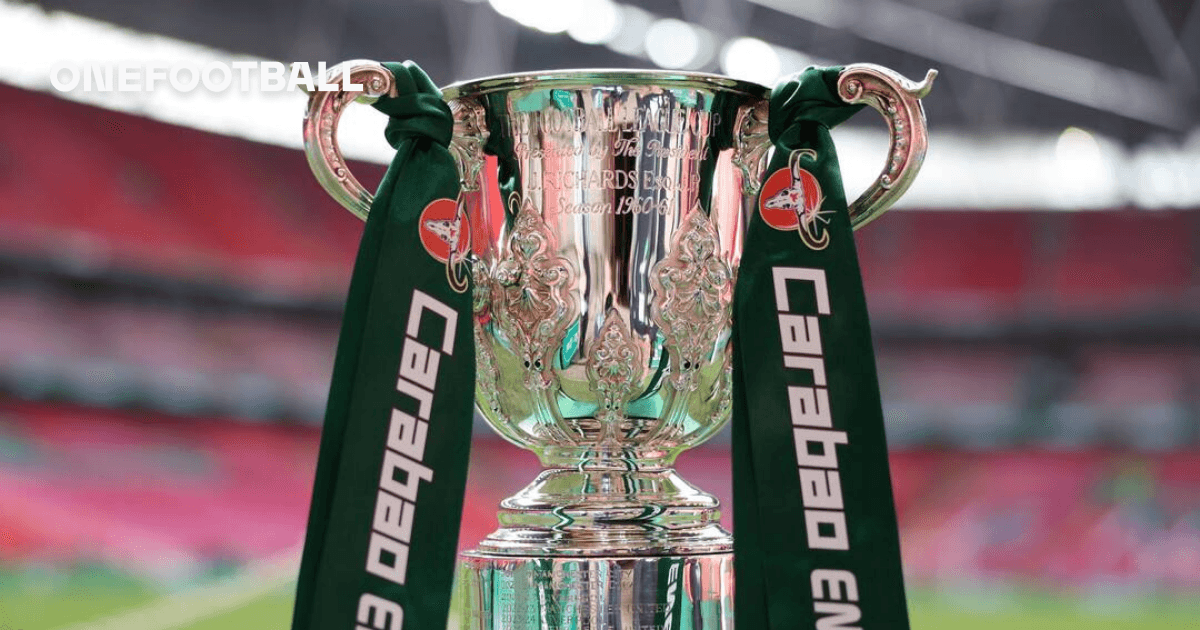
Carabao Cup Fourth Round Draw: Liverpool Set to Clash with Chelsea, Arsenal to Face Fleetwood Town
Key Football Matches to Watch in Azerbaijan This Autumn
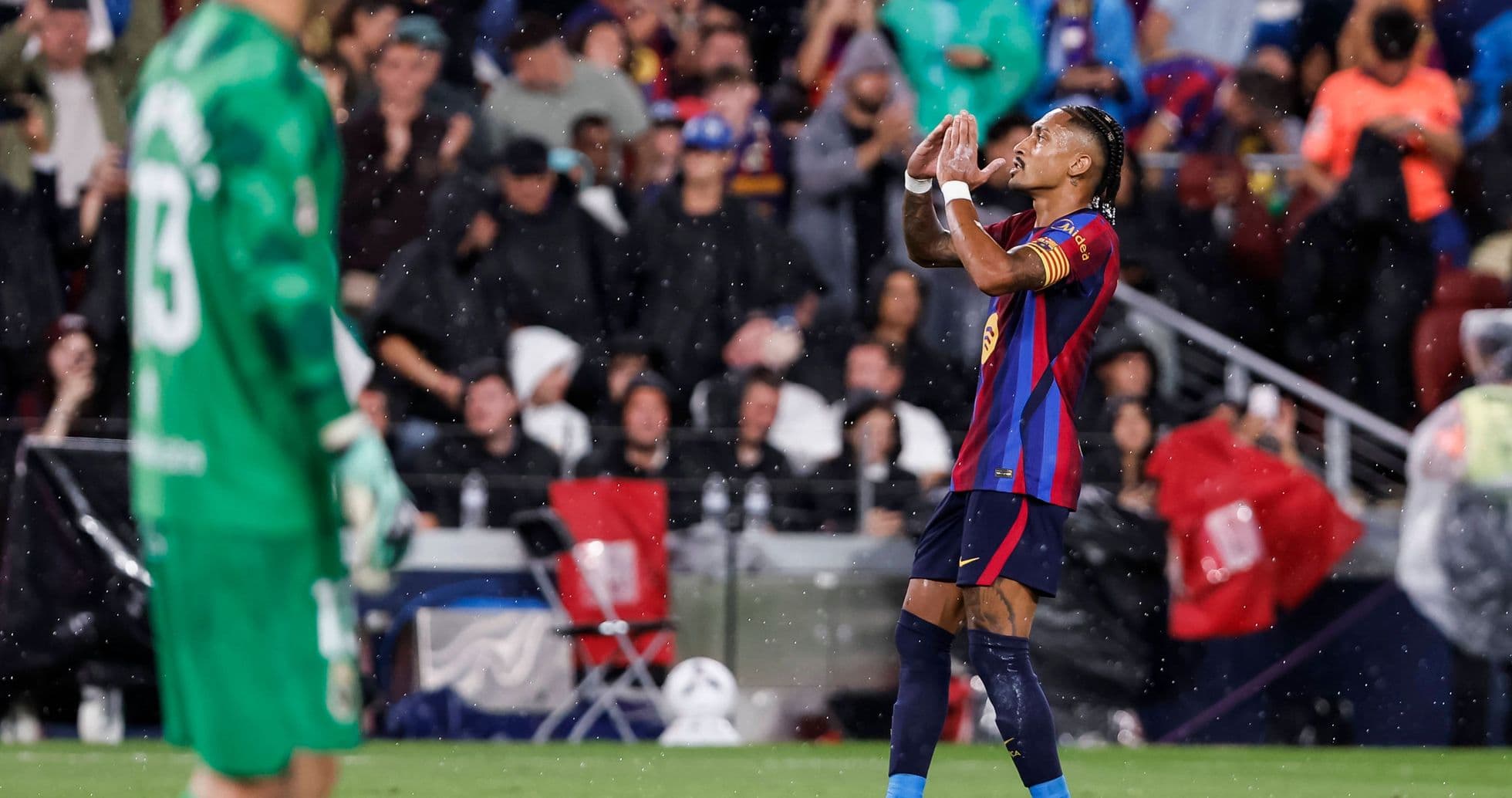
Raphinha's Hat-Trick Drives Barcelona to 7-2 Triumph Over Racing Santander
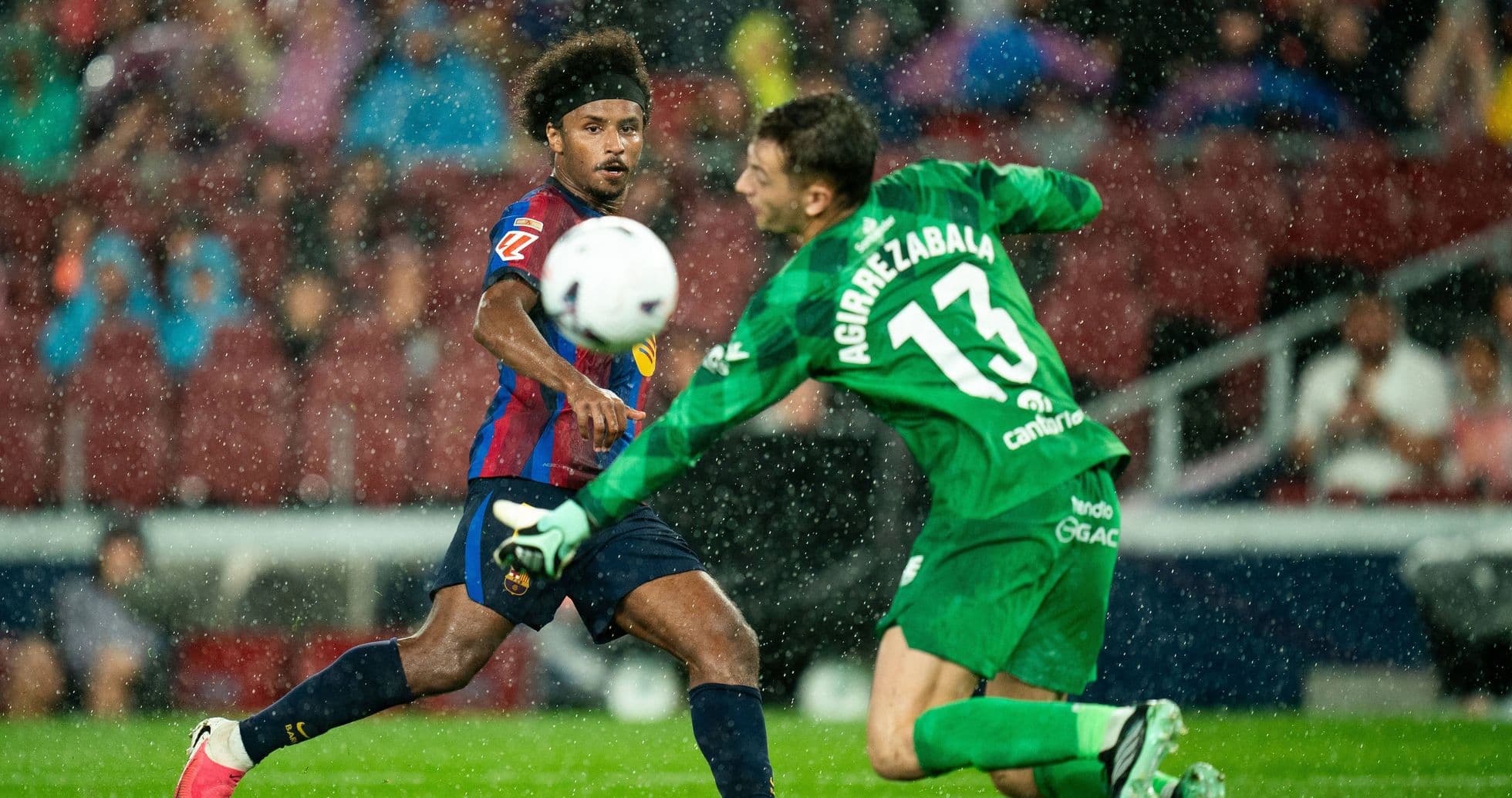
Hansi Flick Leads Barcelona to Record-Breaking Seven Wins in a Row
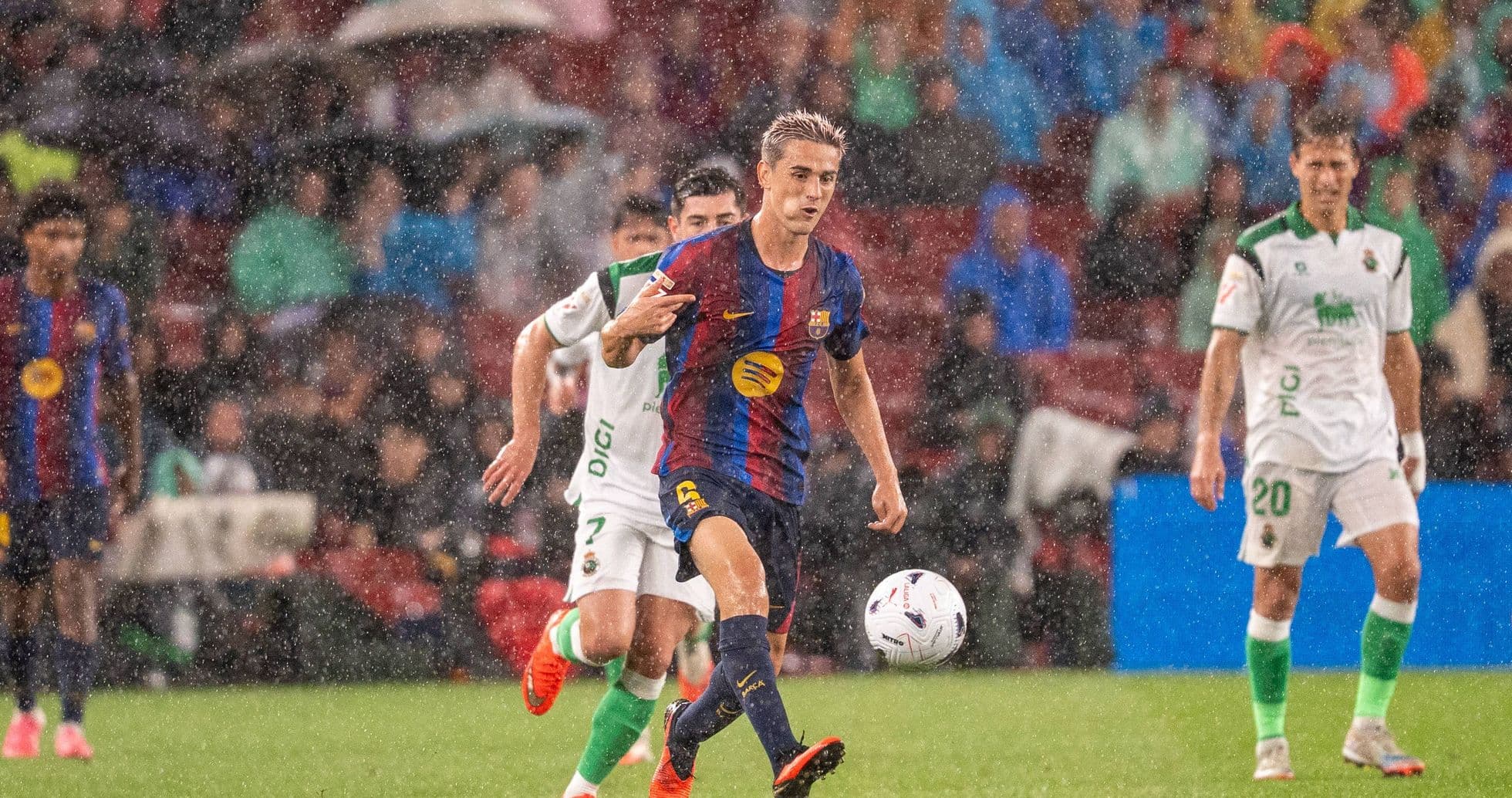
Gavi Reflects on Injury Return as Barcelona Dominate Racing Santander 7-2