
Eddie Howe Leaves Newcastle: A New Era Begins
Eddie Howe walked into St James’ Park with Newcastle United staring into the abyss. He leaves with the club unrecognisable from the one he inherited – and with a trophy, Champions League pedigree and a fanbase that believed again.
After almost five years in charge, Howe has stepped down as head coach, drawing a line under the most progressive spell the club has enjoyed in the Premier League era since the days of Kevin Keegan and Sir Bobby Robson.
From relegation scrap to European return
When Howe arrived in November 2021, replacing Steve Bruce in the early days of the Saudi-led takeover, Newcastle were marooned in the bottom three, five points from safety and drifting. The mood was mutinous, the football flat, the future uncertain.
He changed that quickly.
By the end of the 2021/22 season, Newcastle were not only safe but comfortable, climbing to 11th and playing with a purpose and intensity that had deserted Tyneside for years. St James’ Park, once a place of anxiety, rediscovered its noise.
The surge did not stop there. In Howe’s first full campaign, 2022/23, Newcastle finished fourth, barging their way into the Premier League’s top tier and returning to the UEFA Champions League for the first time in 20 years. A club that had been braced for a long rebuild suddenly found itself back among Europe’s elite.
They went one step further last season, reaching the Champions League round of 16 for the first time in their history. For a fanbase that had grown used to watching the big nights on television, those midweek roars under the lights felt like a restoration of status.
The trophy that broke a 56-year wait
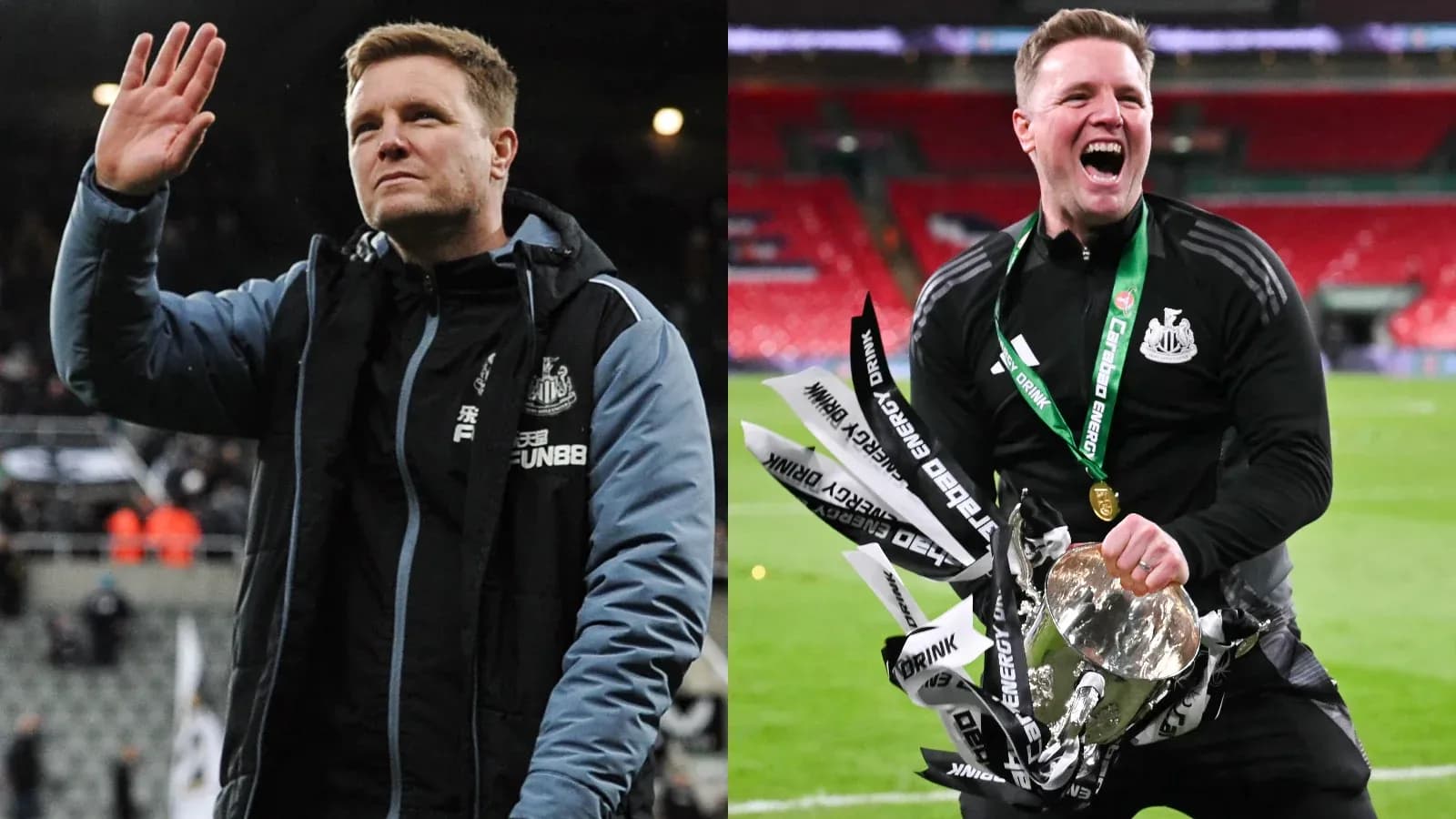
If one image defines Howe’s tenure, it is Newcastle lifting silverware at last.
In 2025, he delivered what generations had craved: a major trophy. Newcastle’s 2-1 win over Liverpool in the EFL Cup final ended a 56-year drought and gave tangible weight to the talk of a new era. It was not just about money or ambition anymore; it was about winning.
That triumph, allied with consistent league performance, cemented Howe’s place in the club’s modern history. The numbers back it up. He departs with more Premier League wins than any other Newcastle manager in the competition’s history – 84 in 179 games – and a win percentage of 46.9 per cent, second only to Keegan’s 51.2 per cent.
For a club that has lurched between boom and bust for decades, that level of sustained success is rare air.
Why Howe walked away
The decision to leave is Howe’s, and it comes not in crisis, but at a moment of transition.
“After a period of personal reflection, I have decided that now is the right time for me to step away from my role as head coach of Newcastle United,” he said, explaining that after nearly five years of “giving my life, heart and soul into the club with unrelenting energy,” he needed to step back, recharge and take a break.
He stressed that, as with every call he has made on Tyneside, he believed this was in the best interests of both himself and the club. He called managing Newcastle “the privilege of my lifetime”.
The club, in turn, accepted his decision and publicly thanked him for his “extraordinary contribution”, confirming that the search for a new head coach is already at an advanced stage.
The timing is not accidental. There is a wider reset underway at St James’ Park.
Anthony Gordon has gone to Barcelona. Sandro Tonali has joined Tottenham Hotspur. Two pillars of Howe’s side, gone in the same summer. The recruitment strategy has tilted sharply towards youth: winger Bazoumana Toure from Hoffenheim, midfielder Sean Steur from Ajax, goalkeeper Ewen Jaouen from Reims and defensive midfielder Alhadji Bamba from Monaco.
The average age of those four signings is just 19.5. This is a squad being rewired for the long term. In that context, a change in the dugout feels less like panic and more like a deliberate pivot.
A new voice on the touchline
Newcastle have not named Howe’s successor yet, but the club has made no secret privately that they want a coach comfortable working with emerging talent and under the scrutiny that comes with their ownership and expectations.
The leading candidate is 38-year-old German coach Matthias Jaissle. His track record fits the profile. Jaissle has just won back-to-back AFC Champions League titles with Al-Ahli, where he worked with former Premier League names Ivan Toney and Edouard Mendy, as well as Riyad Mahrez and former Newcastle favourite Allan Saint-Maximin.
Before that, he rose through the Red Bull system, starting at FC Liefering and then taking Red Bull Salzburg to consecutive Austrian Bundesliga titles and an Austrian Cup. High-intensity football, development of young players, success in continental competition – the CV speaks directly to what Newcastle’s hierarchy now want.
If and when he arrives, he will inherit not just a talented squad but also the weight of expectation that Howe has helped to build.
The road ahead
Howe’s final game, a 4-1 pre-season defeat at Bristol City on 29 July, was a low-key ending to a high-impact tenure. There were no grand farewells, no final lap of honour in front of a packed St James’ Park. Just a quiet close to a chapter that changed the club’s trajectory.
Newcastle’s pre-season continues without him: Valencia away on 8 August, Everton at a neutral venue on 12 August, then home fixtures against Bayer Leverkusen and Strasbourg on 15 and 16 August. The Premier League campaign starts on Sunday 23 August, with five matches before the first international break of 2026/27.
By then, a new head coach will be in place. A younger squad will be bedding in. The expectations Howe raised will not drop.
He arrived to save a club from relegation and leaves having reintroduced it to trophies and the Champions League. The question now is not whether Newcastle can cope without Eddie Howe.
It is whether they can use the platform he built to go even higher.
Related News
Raphinha’s Hat-Trick Powers Barcelona to 7-2 Victory Over Racing Santander
Carabao Cup Fourth Round Draw: Liverpool Set to Clash with Chelsea, Arsenal to Face Fleetwood Town
Key Football Matches to Watch in Azerbaijan This Autumn
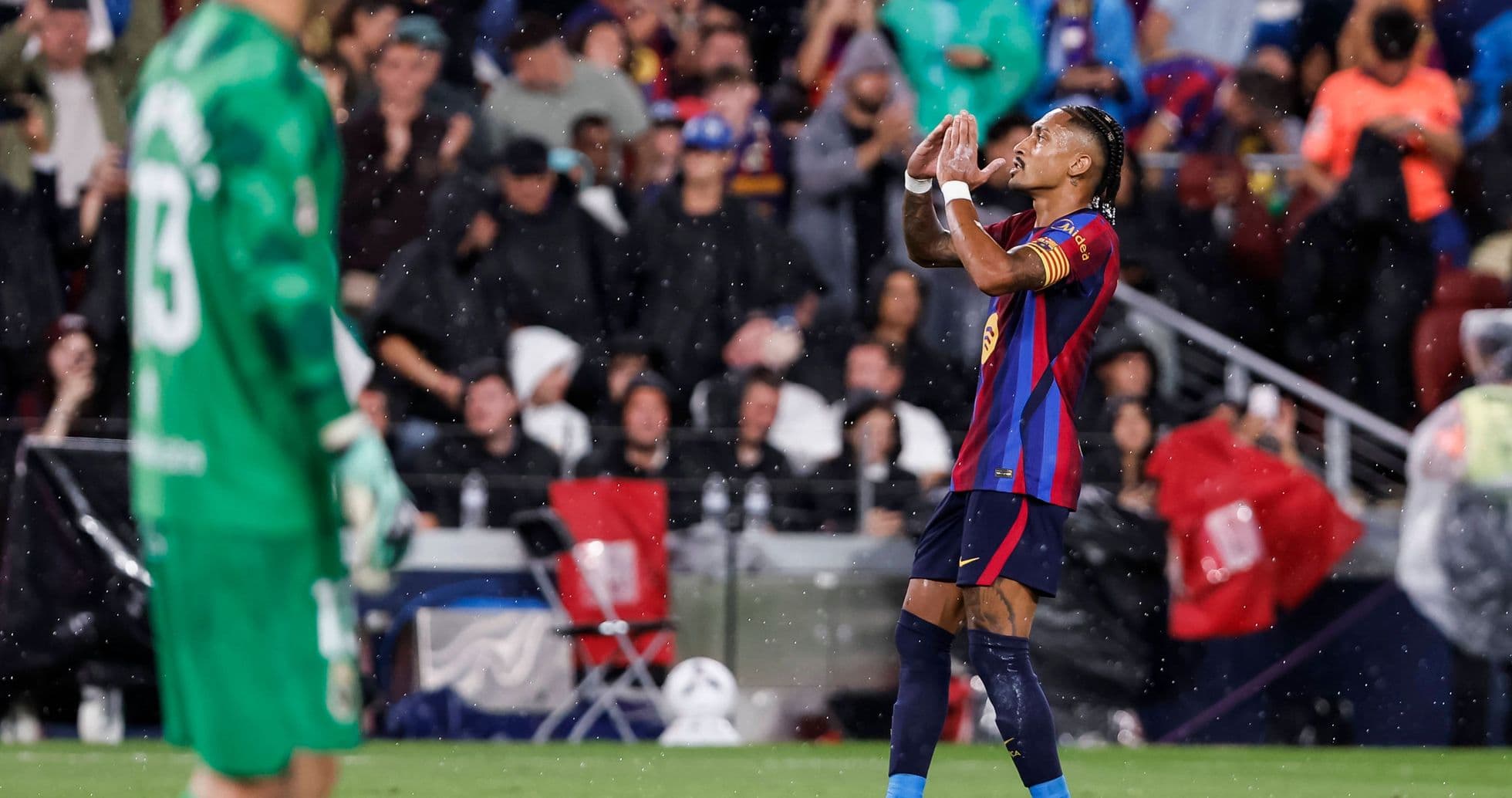
Raphinha's Hat-Trick Drives Barcelona to 7-2 Triumph Over Racing Santander
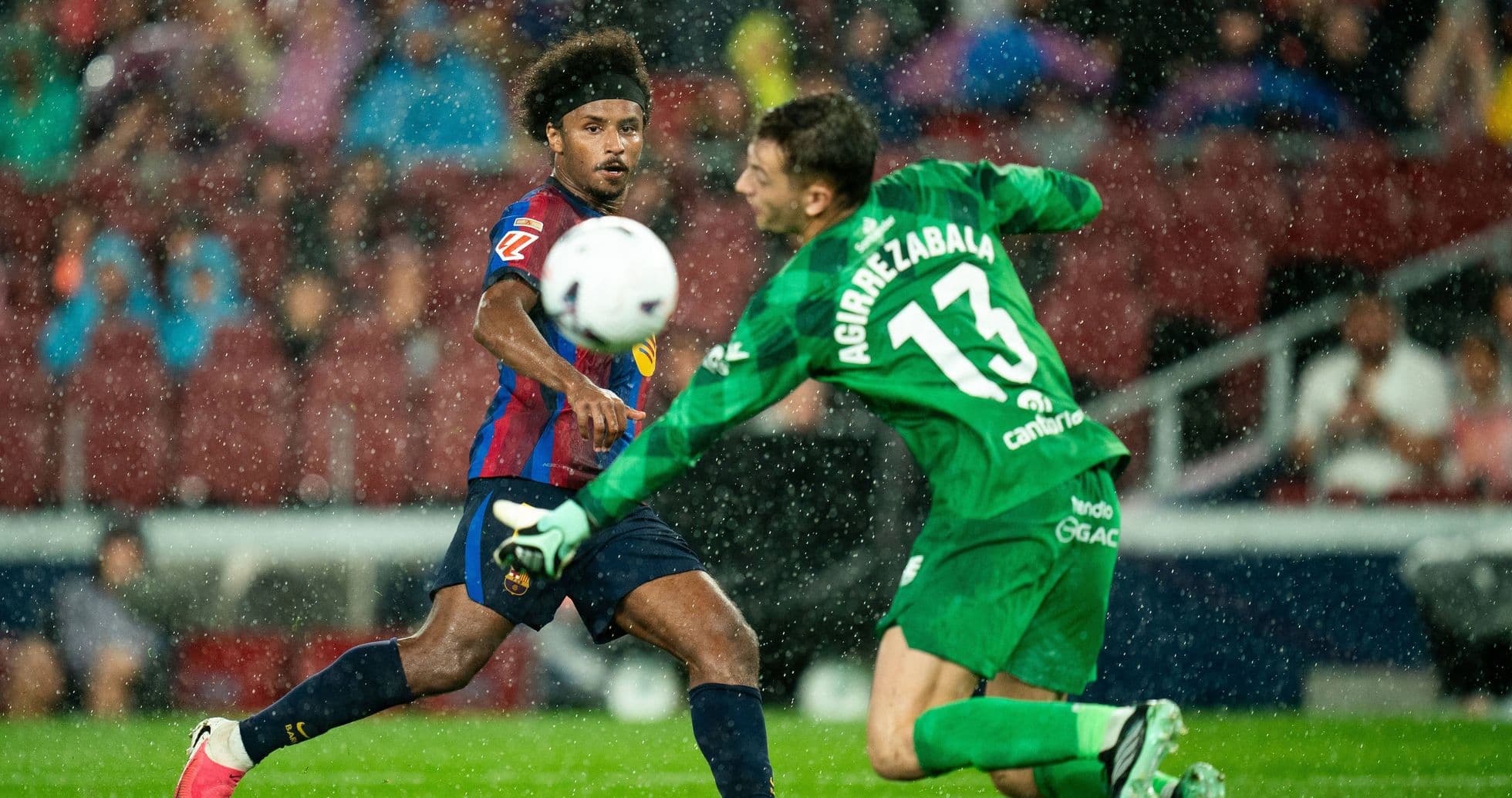
Hansi Flick Leads Barcelona to Record-Breaking Seven Wins in a Row
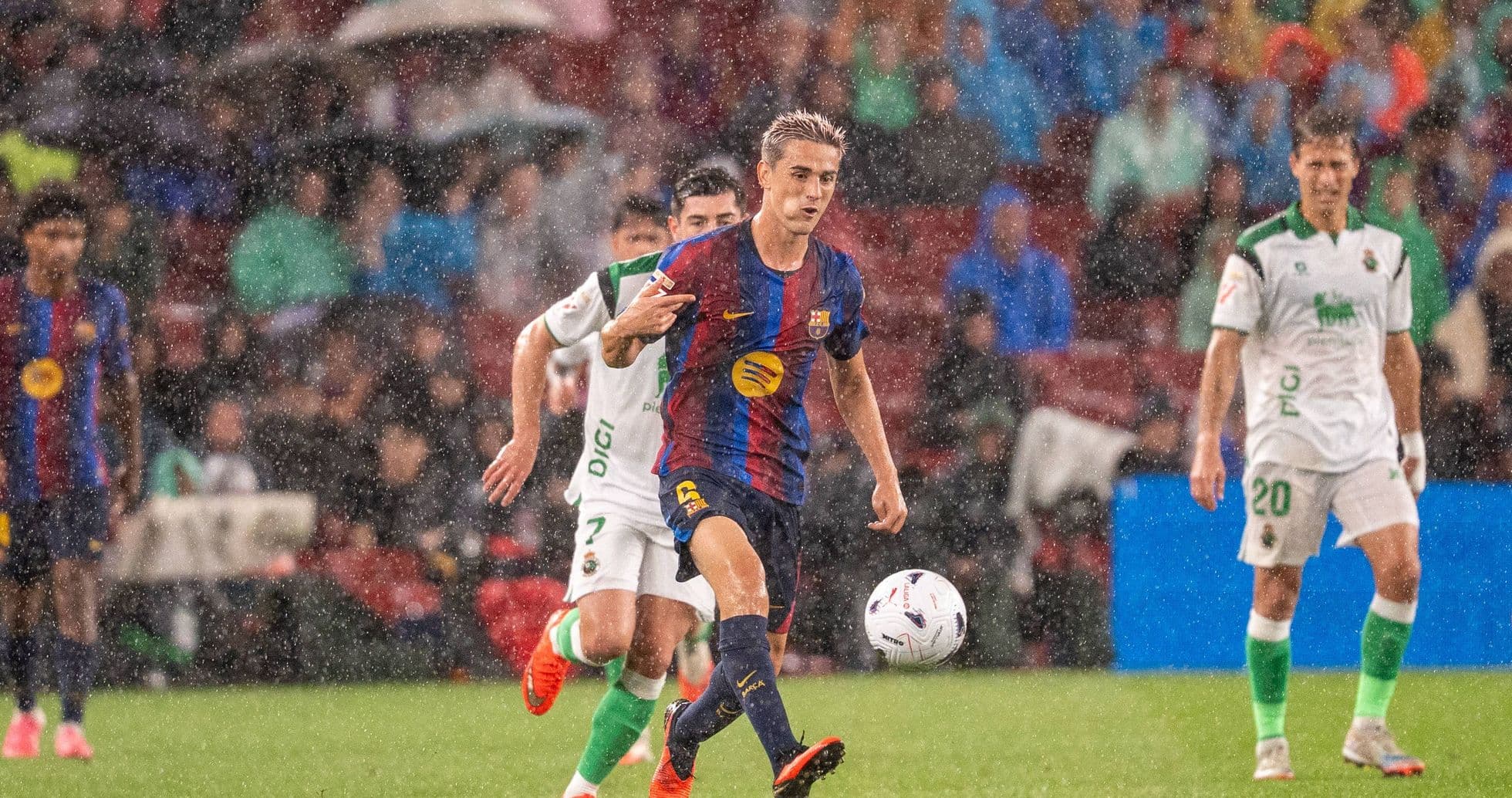
Gavi Reflects on Injury Return as Barcelona Dominate Racing Santander 7-2