
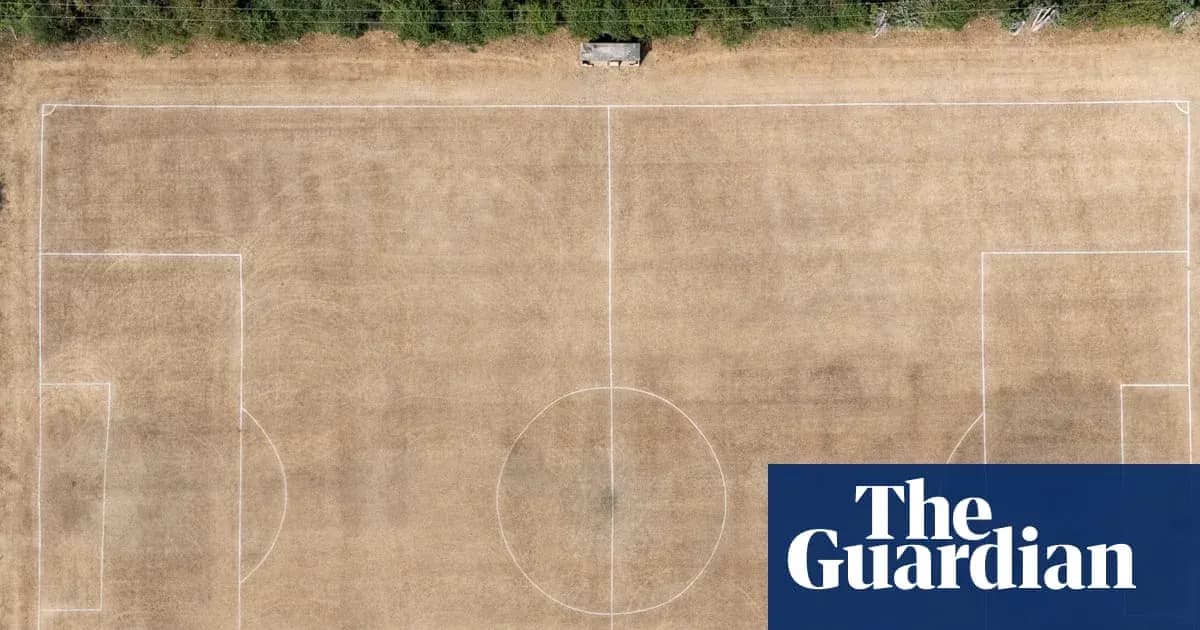
Drought Delays Anglian Combination Football Season Start
On the village pitches of Norfolk and Suffolk, the new football season was supposed to kick off next weekend. Instead, the grass has turned to straw, the soil to stone, and the Anglian Combination has been forced to admit what everyone with bruised shins already knew: it’s simply too dangerous to play.
The 2026/27 campaign for the 85-club amateur league will now start on 29 August after an urgent board meeting on Friday ended with a unanimous decision to delay.
Not a tactical tweak. A survival call.
‘Rock hard’ pitches and rising injuries
For weeks, pre-season friendlies have been abandoned or scratched from the calendar altogether. Those that did go ahead have come at a cost, with the league confirming “many injuries” as players slid, fell and landed on ground described as “rock hard”.
Most of the Anglian Combination’s clubs still play on traditional grass pitches, usually the pride of local volunteers and groundsmen. This summer they’ve been beaten into submission.
“The rationale behind this decision is to protect the welfare of players, officials and all associated with the match day, in what has been the driest and hottest July since records began in 1836,” said league chair Dale Brown in a statement sent to clubs, players and officials.
“Most of our league clubs pitches are grass and the ground conditions are extremely dry and pitches rock hard.”
Brown did not dress it up as an easy call. “This was a very difficult decision to reach and one that will not please all clubs,” he admitted. Some sides will already have built their preparations around an earlier start, arranged friendlies, booked facilities, and geared up for the usual late-August rhythm of league football. That rhythm is now broken.
A parched backdrop
The league’s decision sits against a stark national backdrop. A sequence of record-breaking heatwaves and exceptionally low rainfall has left large swathes of England and Wales scorched. Much of the country looks less like late-summer Britain and more like a dust bowl.
Record temperatures hit in May and June. July then went further, becoming the driest since records began. A drought has already been declared across half of England, prompting hosepipe bans from several water companies.
In Norfolk and Suffolk, Anglian Water’s hosepipe ban has been in place since 11 July. The knock-on effect is plain from the air: parks and sports fields have faded to a uniform brown, grass scorched away, with only a few oases of green. Golf clubs, some sports clubs and private schools, benefiting from controversial exemptions to the bans, stand out as rare exceptions in an otherwise burnt landscape.
At community level, the impact is more basic. No water, no grass. No grass, no safe football.
Heat still building, rain still missing
Any hope that this was a short-term pause has been dampened not by rain, but by the forecast. The Met Office expects another heatwave next week, with temperatures in parts of East Anglia and south-east England tipped to climb to 36C by Thursday. Humidity is likely to rise, but there is still no sign of the sustained rainfall groundsmen crave.
So the Anglian Combination waits. Clubs will have to juggle training schedules, rethink fitness plans and, in some cases, simply hope their pitches don’t deteriorate further before the weather turns.
At national level, there is no central picture of how widespread this disruption has become. The FA does not hold figures on the number of leagues delaying their seasons because of the drought, saying it is a matter for individual leagues and county FAs to manage.
For the Anglian Combination, that responsibility has meant stepping in early, swallowing the frustration and accepting an empty opening weekend. When the first whistle finally blows at the end of August, the question may not be who starts fastest, but whether the climate is now a permanent opponent in the English grassroots game.
Related News

Carlos Alcaraz Urges Tennis Organizers to Stop Matches Finishing in the Early Morning

Carlos Alcaraz Frustrated by 3:30 a.m. US Open Finish: 'Too Much'
Jannik Sinner Set for ATP 500 Return in Beijing with Novak Djokovic Also Competing

Meet Iva Jovic: The Rising American Tennis Talent

Flavio Cobolli Shares Insights on Training with Jannik Sinner Ahead of His Tennis Return

Till vs Romero: Fight Details, Undercard, and Viewing Info for This Weekend