
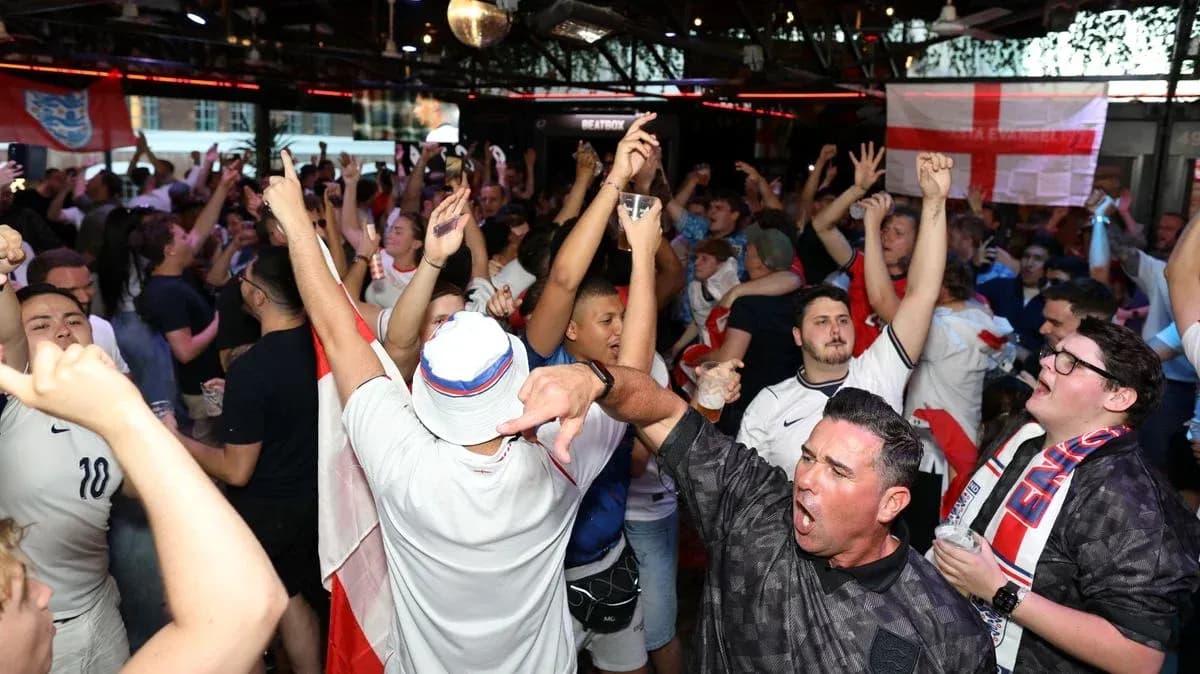
Drink-Drive Crackdown in Durham After England's World Cup Win
In the half-light of a Durham rush hour, with commuters inching towards the city centre and World Cup chatter still hanging in the air, police officers stepped into the road and raised a hand.
Engines cut. Windows dropped. Breathalysers clicked into life.
This was England the morning after the night before – and Durham Constabulary were in no mood to gamble with the consequences of a 4-2 win over Croatia.
Morning after the night before
Officers pulled over drivers at random on Thursday morning, asking them to take roadside breath tests as part of a drink‑drive crackdown triggered by England’s World Cup opener in Dallas.
The concern is simple and stark. On England match days, collisions rise by around 20%, according to Durham Constabulary. With this tournament staged in North America, kick-off times fall later in the evening for UK fans. That pushes drinking deeper into the night and, crucially, closer to the morning commute.
The danger is no longer the fan weaving home from the pub. It’s the one who thinks they’ve slept it off.
None of the drivers stopped while the Press Association observed the operation failed the test, but one motorist was left stunned to discover they were close to the limit. It was a quiet warning wrapped in a narrow escape.
Sergeant Sarah Manser did not dress it up.
“We come out this morning to give that message that alcohol still might be in your system the next morning,” she said. “We’ve had a couple this morning already who haven’t blown over the limit, but they have had alcohol in the system. Please just don’t and drink-and-drive, it’s just as simple as that.”
On the roadside, there was support for the hard line. Driver Louis Renwick, who recorded no alcohol at all, welcomed the checks.
“There’s too many deaths on the roads through drink-driving,” he said.
A World Cup played in the dark
This is the new reality of a World Cup stretched across US time zones. When England kicked off against Croatia in Texas, it was late evening in the UK. By the time Harry Kane had equalled Gary Lineker’s World Cup scoring record and Marcus Rashford had finished the job, many fans were staring at midnight – and beyond.
The football has been breathless. So has the drinking.
One Dallas venue, the Londoner Pub, became a vivid symbol of the frenzy. England fans poured through its doors for the Croatia game after it advertised a later closing time than rival bars. The tills rattled: 2,352 bottles of beer sold, more than 5,000 beers drunk in total, around £30,000 taken in a single night.
Then came the crash. The pub hit maximum capacity with only two security guards on duty. Police moved in, ordering fans out as they sang the national anthem. The fire marshal later shut the place down for the rest of the day, with the pub describing “the mayhem that descended on us” and insisting those headline sales figures did not reflect the damage to property and landscaping.
It was a snapshot of England’s travelling carnival: the songs, the excess, the sense that the party might be running just a little too hot.
Back home, Durham’s officers were dealing with the quieter, more insidious side of that same story.
Football, euphoria and the blind spot
The pattern is familiar. Big game. Big night. Big risk.
Police forces have long known that major football occasions change behaviour on the roads. The stats Durham cited – around 20% more collisions on England match days – are not a quirk of this tournament. They’re a warning that euphoria and alcohol can be a lethal mix once the ignition turns.
The twist this time is the schedule. Group-stage games in North America mean late kick-offs in the UK, stretching celebrations into the early hours and shrinking the gap between last orders and first gear.
That is what put officers on the roadside outside Durham: not the fear of drunken joyriders swerving home, but of ordinary workers driving to their jobs with just enough alcohol in their system to slow a reaction, blur a judgement, turn a near miss into a head‑on.
The breath tests told their own story. No spectacular failures. No dramatic arrests. Just traces of alcohol where there should have been none, and one driver discovering how thin the line can be between “fine” and “over”.
A campaign that will not wait for the final
Sergeant Manser’s message cut through the morning chill. This is not a one-off. It is a campaign built around a tournament that will dominate the coming weeks.
England’s progress on the pitch will only crank up the stakes off it. Kane is chasing the Golden Boot again. Thomas Tuchel’s side have shortened to 13/2 to win the World Cup. The songs – “Hey Jude”, “Sweet Caroline”, “Football’s Coming Home” – are already echoing from Dallas to Durham.
Every new kick-off brings another long night.
Police know they cannot rely on luck. Random stops, roadside tests and blunt warnings will be their tools as the country rides the emotional rollercoaster of a World Cup staged thousands of miles away, but lived in real time in British pubs and living rooms.
The football will take care of itself. The question now is whether the fans, once the final whistle blows and the glasses are drained, will do the same.
Related News

Raphinha’s Hat-Trick Powers Barcelona to 7-2 Victory Over Racing Santander
Carabao Cup Fourth Round Draw: Liverpool Set to Clash with Chelsea, Arsenal to Face Fleetwood Town
Key Football Matches to Watch in Azerbaijan This Autumn
Raphinha's Hat-Trick Drives Barcelona to 7-2 Triumph Over Racing Santander
Hansi Flick Leads Barcelona to Record-Breaking Seven Wins in a Row
Gavi Reflects on Injury Return as Barcelona Dominate Racing Santander 7-2