
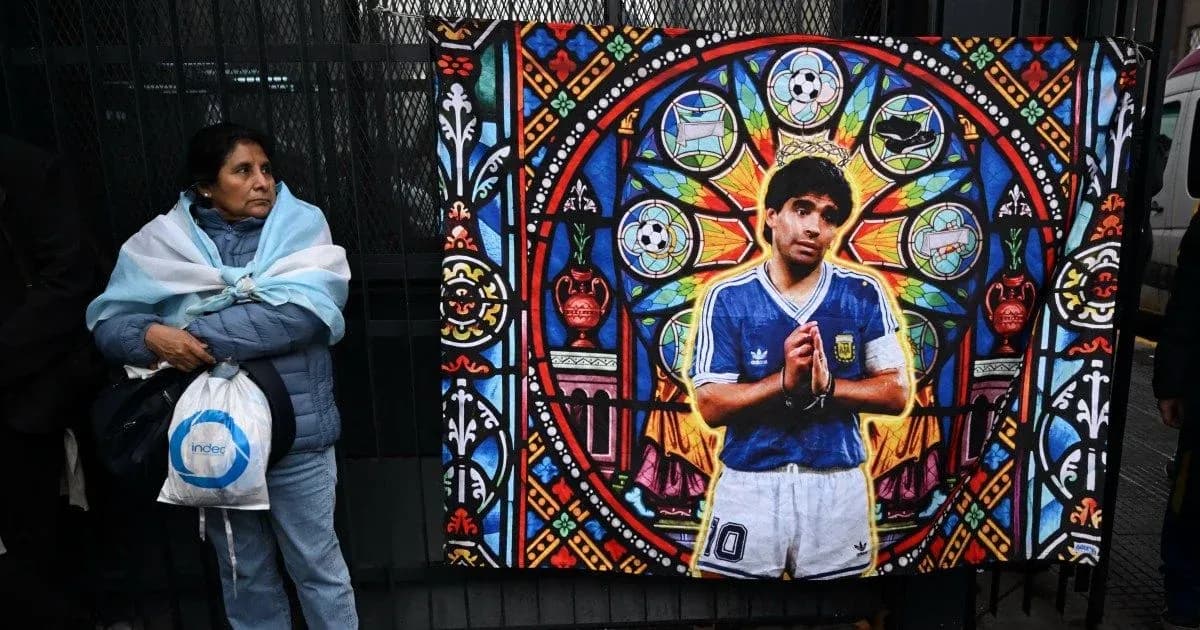
Diego Maradona's Final Days: A Tragic Decline Revealed
Diego Maradona spent his final days bedridden, swollen and defeated, barely eating or washing, according to harrowing testimony from his personal masseur at the trial examining the circumstances of his death.
Nicolas Taffarel, who worked closely with the Argentina icon, painted a bleak picture in court of a man who had stopped fighting.
“Diego wouldn’t get out of bed, he didn’t want to eat, he didn’t want to wash, he didn’t want to look after his personal hygiene,” Taffarel told the judges, his voice cracking as an audio message he had sent at the time was played in the courtroom.
A Legend Fading From View
This was not the Maradona the world remembers – the snarling genius of Mexico 1986, the man who bent matches and tournaments to his will. Taffarel described instead a 60-year-old isolated in a bedroom, drained of energy and will, while his body visibly deteriorated.
“He was bloated, his legs were swollen,” the masseur recounted. Alarmed by what he saw, he said he pleaded with the medical team responsible for Maradona’s care to be more present, to visit “every day”.
He said he raised repeated concerns, but saw “no concrete action or swift resolution”.
“The doctors told me to calm down, that these symptoms would pass,” Taffarel added. “When you’re anxious, you put your trust in them; you tell yourself it will pass, that everything will sort itself out. But it didn’t pass.”
The Final Conversation
The tension in the courtroom sharpened when Taffarel relived his last attempt to rouse Maradona, on November 24, 2020 – the day before the former Napoli and Barcelona star died.
He went to the room, he said, trying to coax him into drinking mate, the herbal infusion that had long been part of Maradona’s daily ritual.
“He said to me: ‘I don’t want anything, Taffita, that’s it.’ I asked him: ‘What do you mean, that’s it?’ and he replied: ‘Nothing, that’s it’,” Taffarel recalled.
The phrase “ya está” hangs over the case. In Spanish, it can mean “it’s all right” or “it’s over”. For the court, those two possible meanings now sit at the heart of a much larger question: did Maradona simply surrender to his condition, or did the system around him fail to act while there was still time?
The next day, November 25, Maradona was found dead in bed. The official cause: heart failure and acute pulmonary oedema, a build-up of fluid in the lungs. His death came just two weeks after surgery, and away from the roar of stadiums that once seemed like his natural habitat, he died alone.
A Trial With Heavy Stakes
Seven healthcare professionals are on trial in Argentina, accused of potential negligence that may have contributed to Maradona’s death. They face possible sentences of up to 25 years in prison if found guilty.
All deny responsibility. Their defence leans heavily on the limits of their roles and specialisms, arguing that their involvement did not directly touch the clinical causes of death. The court will have to untangle that web: who knew what, and when; who held real authority; who could have intervened as Maradona’s condition worsened.
The process has been running since mid-April and is expected to stretch beyond this month, as the football world watches a very different kind of drama unfold – not on grass, but in a courtroom, where the legacy of one of the game’s greatest is now measured not in goals or trophies, but in medical charts, audio messages and the haunting words of those who saw his final decline up close.
Related News
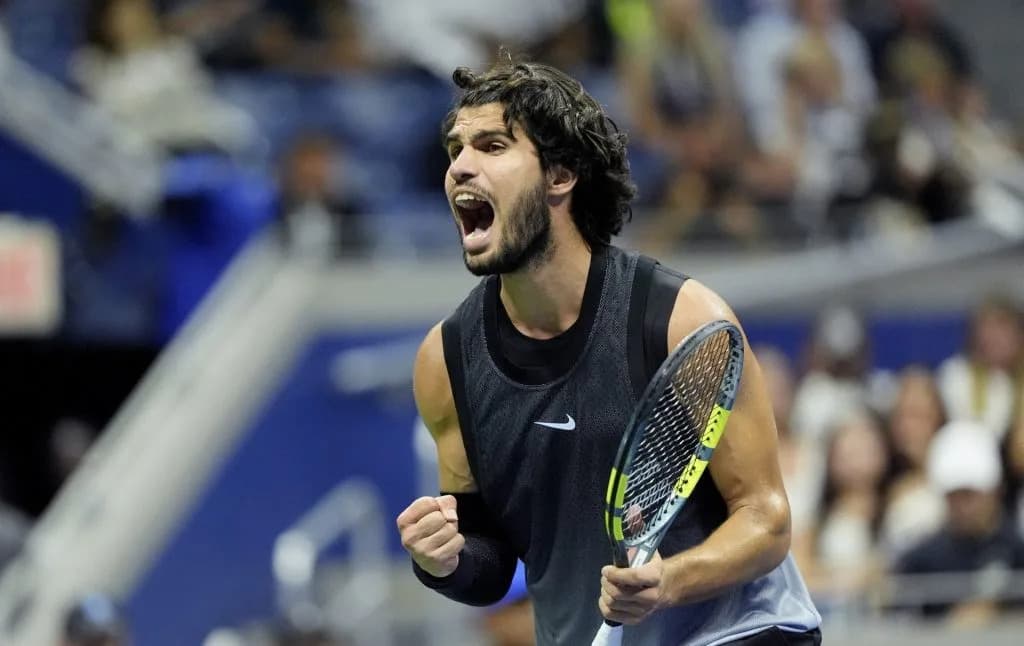
Carlos Alcaraz Urges Tennis Organizers to Stop Matches Finishing in the Early Morning
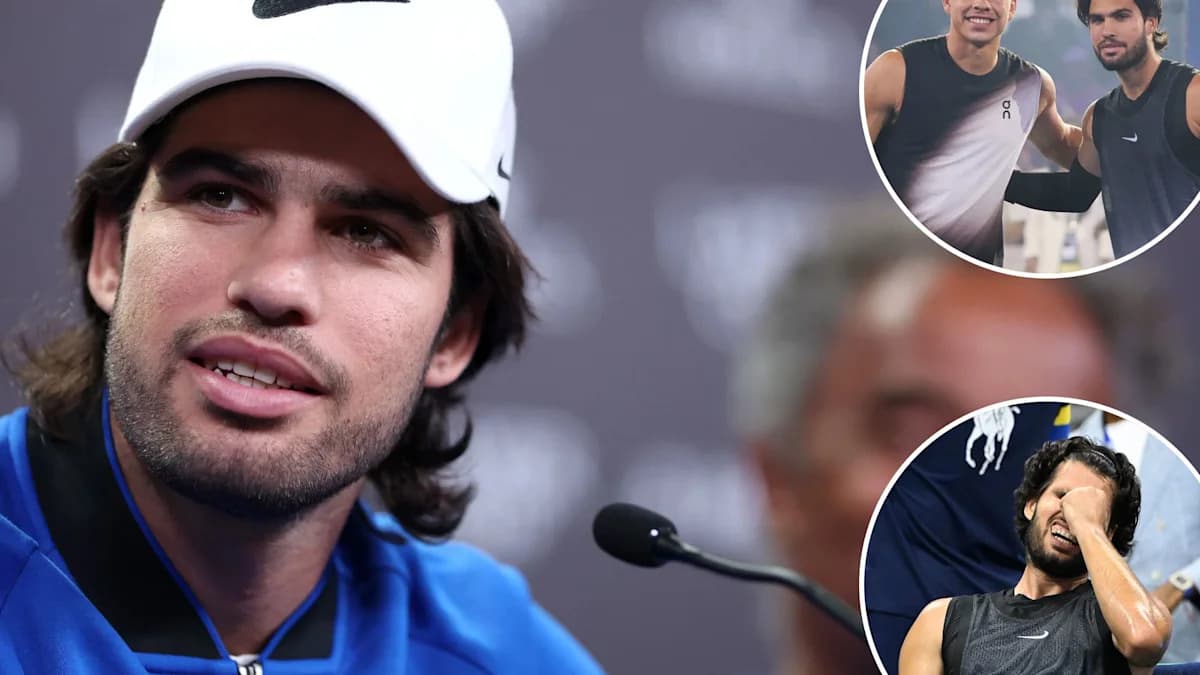
Carlos Alcaraz Frustrated by 3:30 a.m. US Open Finish: 'Too Much'
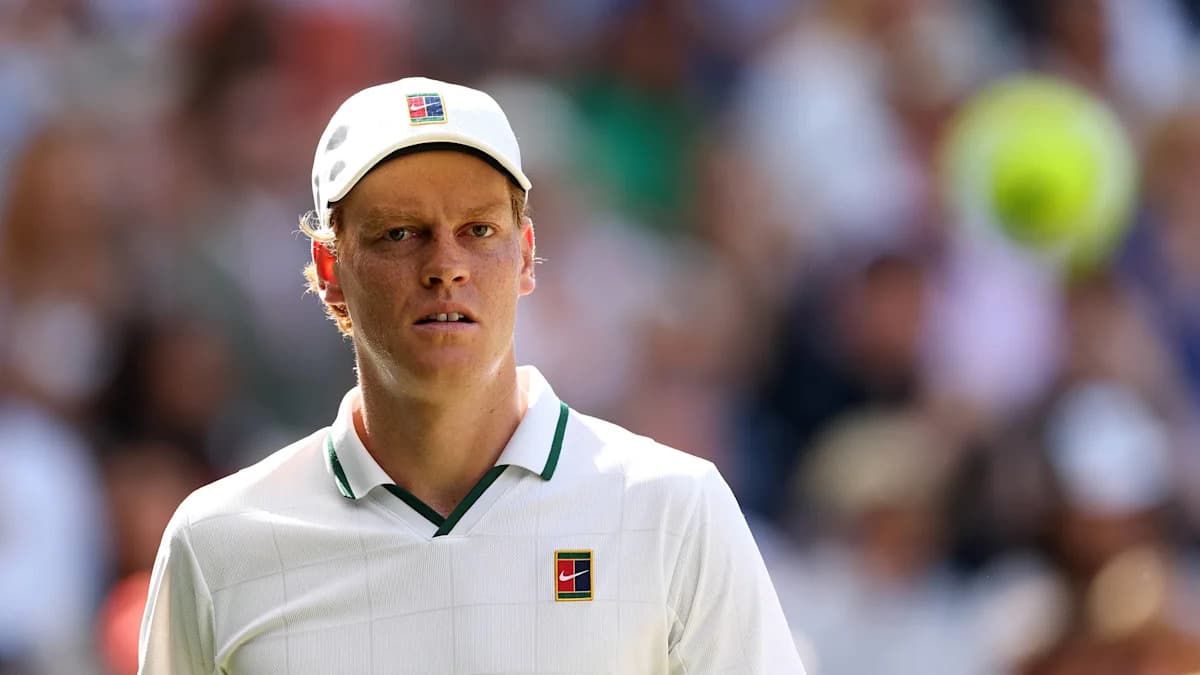
Jannik Sinner Set for ATP 500 Return in Beijing with Novak Djokovic Also Competing
Meet Iva Jovic: The Rising American Tennis Talent
Flavio Cobolli Shares Insights on Training with Jannik Sinner Ahead of His Tennis Return
Till vs Romero: Fight Details, Undercard, and Viewing Info for This Weekend