
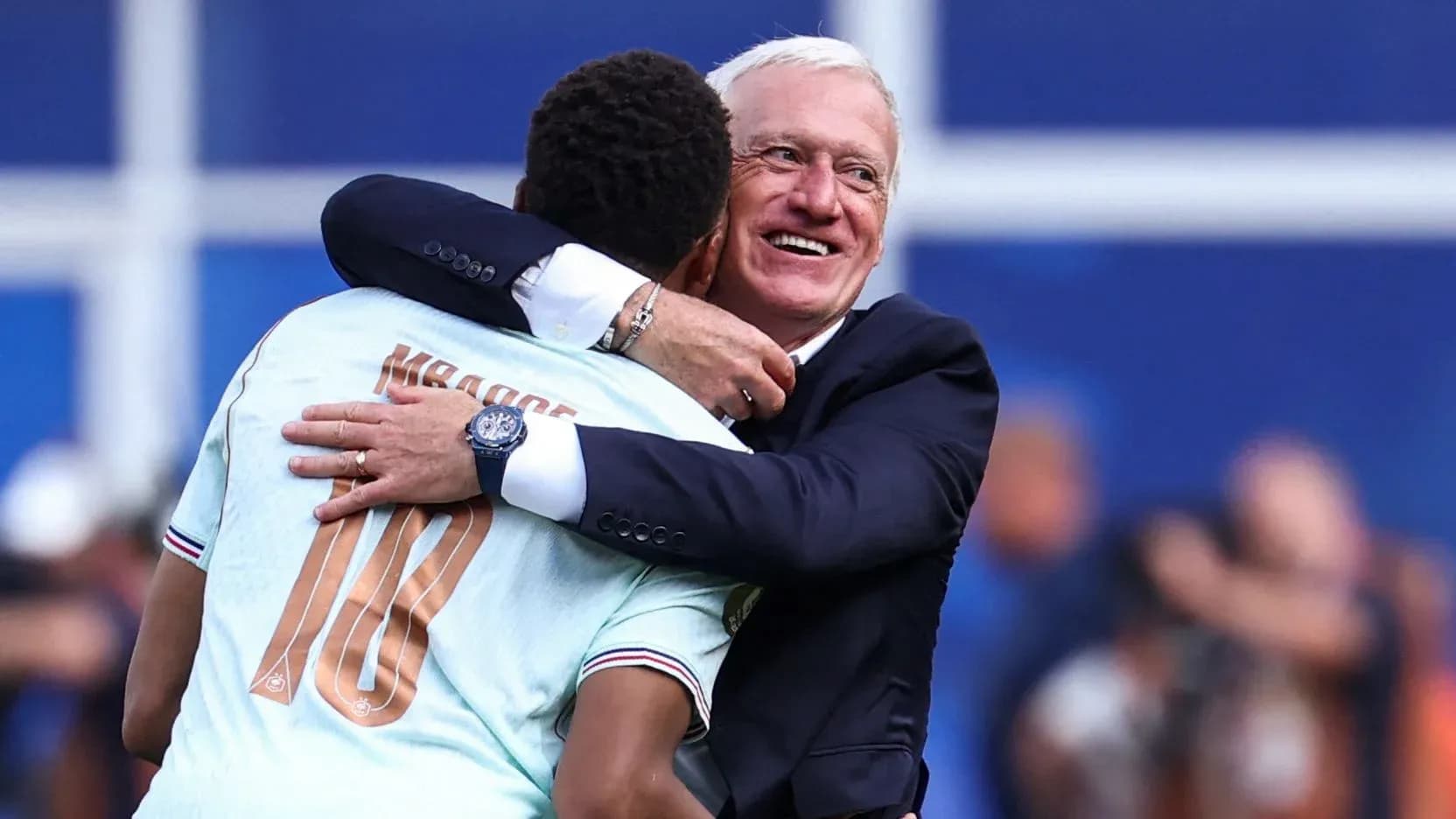
Didier Deschamps Reflects on France's World Cup Journey
Didier Deschamps walked into the interview area with the look of a man who has seen it all and still refuses to be surprised by any of it. Three consecutive World Cup semi-finals with France. For most nations, it would be a once-in-a-lifetime golden age. For Deschamps, it is “logical and natural.”
He knows why, of course. He has Kylian Mbappé.
France’s captain again dragged his team through a fraught knockout tie, but Deschamps revealed afterward that Mbappé had been playing with a “slight ankle issue” and pain that needed managing. It explained the late change and the anxious glances from the bench as the minutes ticked by.
“Kylian had a slight ankle issue; he was feeling some pain,” Deschamps told M6, laying out the medical bulletin with his usual blunt clarity. No drama, just facts. Mbappé still reacted, still scored, still carried the weight of a country without complaint.
The problems were not limited to his captain. Manu Koné, so important in the midfield press, also struggled physically.
“Manu took a blow to the knee and had cramps,” Deschamps said. The solution came from the bench, where Warren Zaïre-Emery, still a teenager, stepped into the chaos and looked as if he had been doing this for a decade. “Warren made a very, very good impact when he came on, so that’s great. Everyone needs to feel ready. And those who aren't playing are still fully behind the rest of the group.”
That line matters. Deschamps has built his France around hierarchy, but he demands total commitment from the shadows as much as from the stars. On nights like this, with key players limping and the tension rising, the so-called fringe players are no longer on the fringe at all.
The match itself was anything but straightforward. France missed a penalty, wasted chances, and flirted with the kind of frustration that can turn a campaign sour in a single evening. The manager did not sugar-coat it.
“It was complicated today,” he admitted. “Missing the penalty and the chances we didn’t convert makes things difficult. Kylian reacted well and scored. We are exactly where we wanted to be.”
That is Deschamps in a sentence: acknowledge the struggle, underline the response, point to the objective. No soaring rhetoric, just a relentless march toward the next hurdle. The semi-finals again, the pressure again, the expectations again.
“I think three consecutive semi-finals is already good, but it seems logical and natural. I have great players. It’s good,” he said, almost deadpan, as if guiding a nation to the last four of every major tournament were simply part of the job description.
Yet even he allows himself a moment to feel the scale of it outside the dressing-room walls. He knows what this run means back home.
“That’s the beauty of sport and football: we create emotions and we share them,” the former defensive midfielder reflected. “I imagine there is a lot of passion back in France, even if we are inside our own bubble here.”
That “bubble” is deliberate. Emotion belongs to the fans; control belongs to the squad. Deschamps is determined that the noise from outside does not seep into the daily grind of a group that has grown used to living deep into tournaments.
“The players have a duty to do everything they can to go as far as possible. This is an important step, and we are in the final four once again,” he said.
The next step comes after a night of recovery and a scouting mission. France will sit, watch, and wait to see whether Spain or Belgium emerge as their semi-final opponent on Friday. Whoever it is, they will be facing a team that treats the last four of a World Cup not as a miracle, but as a standard.
Logical. Natural. For Deschamps and France, the bar has never been higher. The question now is simple: is one more step still in them?
Related News
Ilia Topuria Accuses Justin Gaethje After UFC Defeat
Tyson Fury vs Anthony Joshua Fight Date and Venue Confirmed
Switzerland Calls Up In-Form Sion Striker Winsley Boteli for Nations League
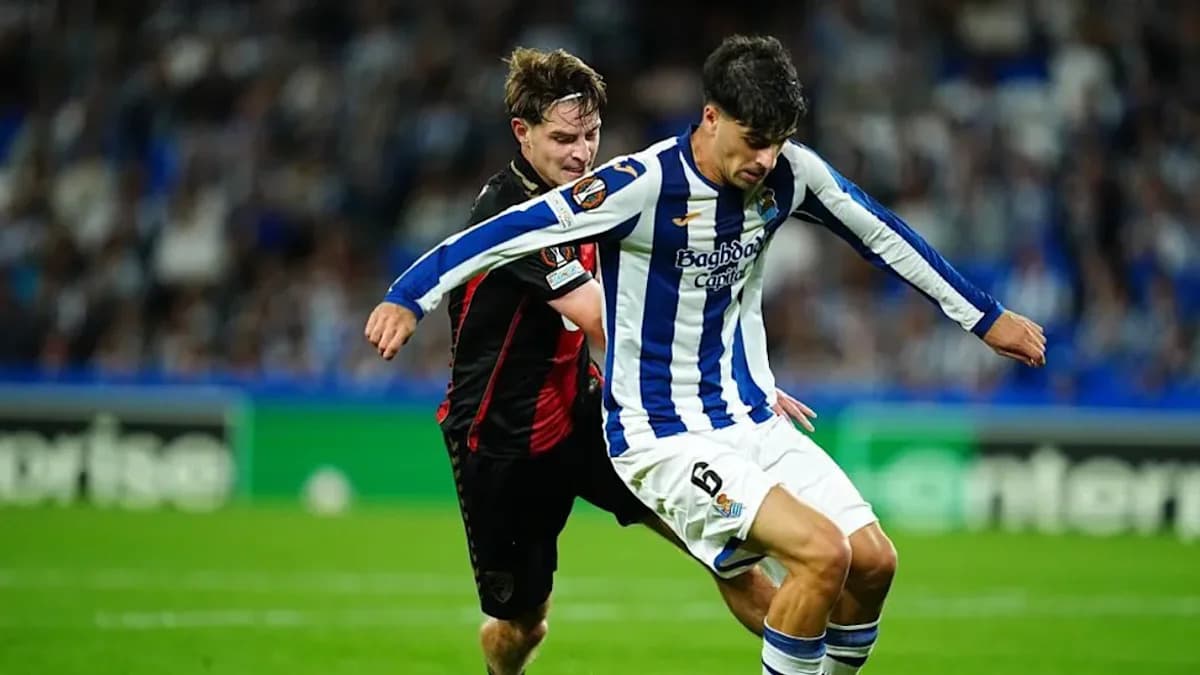
Bournemouth Secures Historic 2-1 Win Over Real Sociedad in Spain
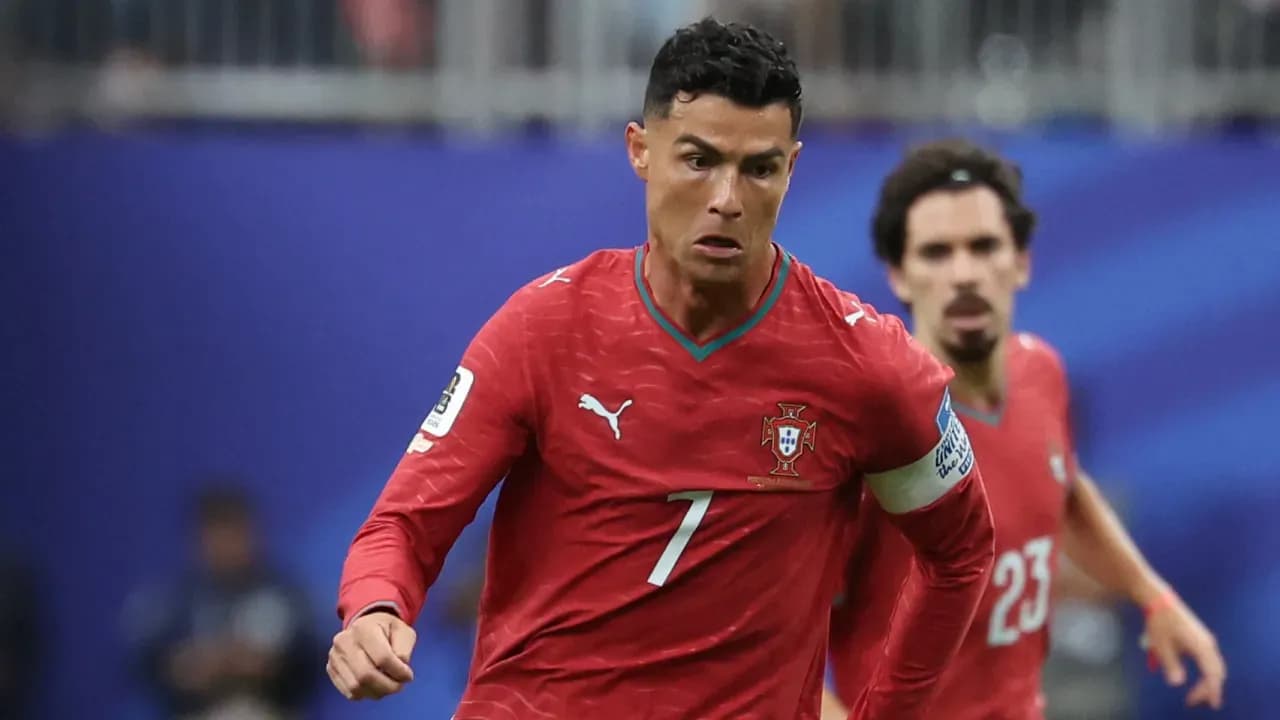
Portugal Announces Squad for 2026 UEFA Nations League; Cristiano Ronaldo Expected to Play
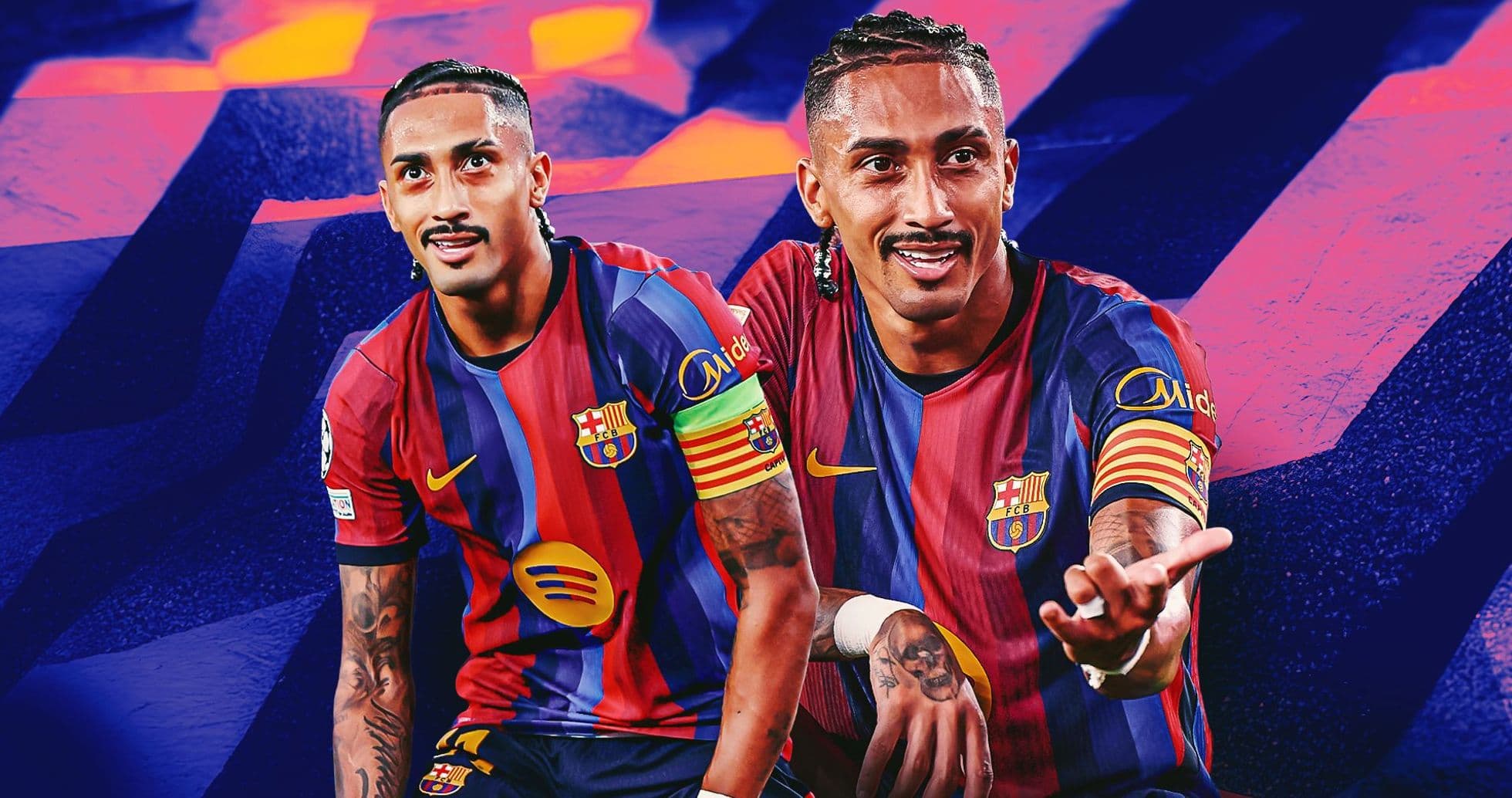
Raphinha Channels Ronaldo Nazario as Barcelona's Leading Striker After Position Change