
Derby County's Lion Sport Takeover Collapses
Derby County’s long‑trailed takeover by Lion Sport is off – abruptly, definitively, and with immediate consequences for the club’s future direction.
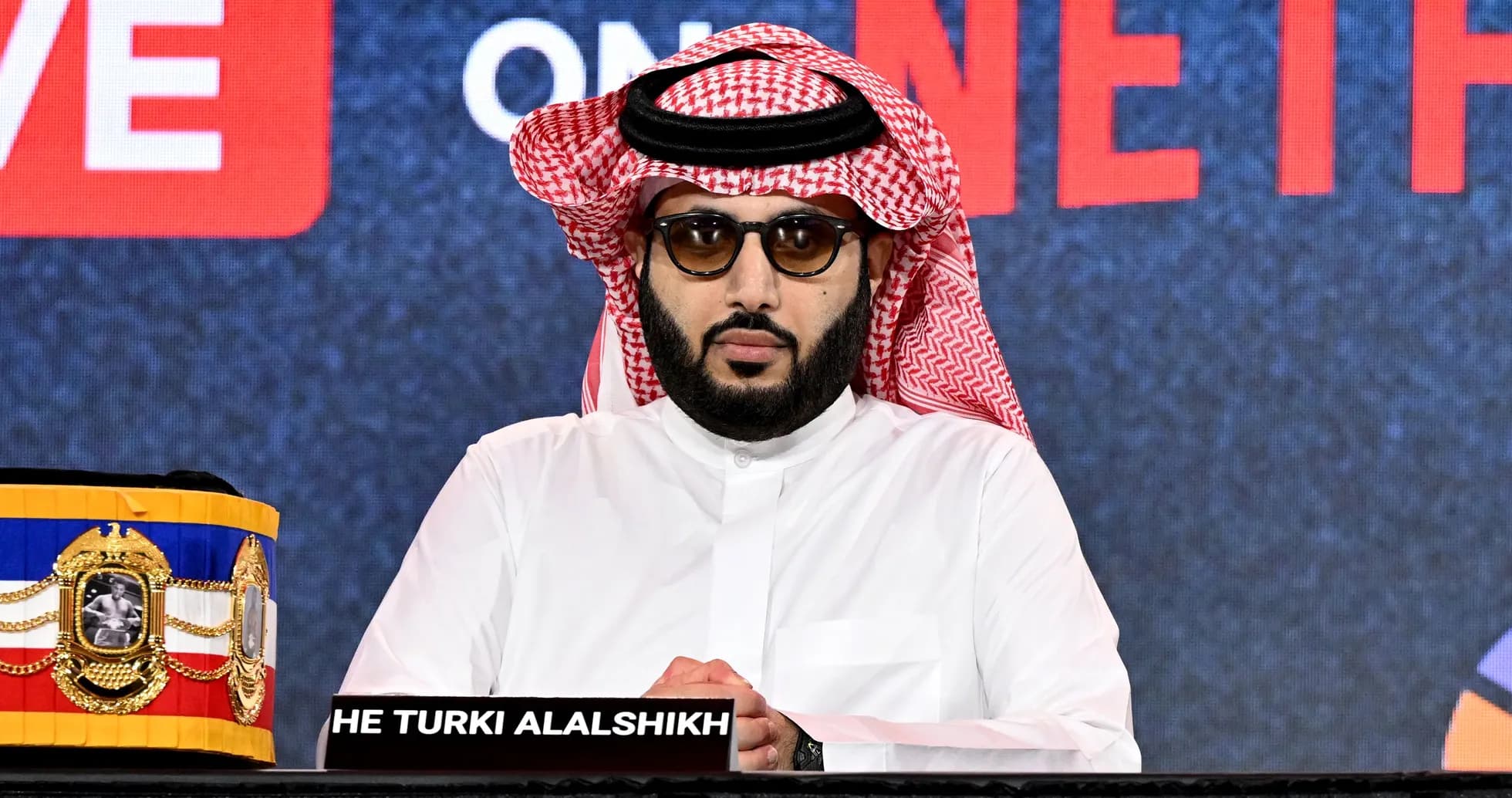
What had looked, from the outside at least, like a done deal has fallen apart just as it approached the finish line. The consortium fronted by Saudi General Entertainment Authority chairman Turki Alalshikh has walked away, leaving Derby still in the hands of David Clowes and Clowes Developments and, crucially, no longer for sale.
The mood around Pride Park shifted in a single statement.
Derby off the market, Clowes stays in control
Derby moved quickly to close the door on further speculation once the deal collapsed. In a firm, unambiguous message, the club confirmed that Clowes Developments will continue to run the Rams and that any idea of a change in ownership is now shelved.
“For the benefit of any doubt, the club is now off the market and will continue to operate under the loyal, committed and unwavering support of Clowes Developments,” read the statement. Preparations, they stressed, are continuing for the new EFL season, which begins against Charlton Athletic on Saturday. There will be no more public comment.
No teasing, no caveats. The takeover saga, at least this chapter, is closed.
The decision lands as a blow to those who had anticipated a wave of fresh investment and global exposure. The Lion Sport bid had already navigated the key regulatory checks needed for a change of ownership, raising expectations that Derby were on the verge of a new, big‑money era.
Then the plug was pulled.
Alalshikh: timing “left us with no time”
Shortly after Derby’s announcement, Alalshikh issued his own explanation. The problem, he said, was timing.
“I would like to thank everyone at Derby County Football Club, and everyone involved in this process for all their hard work over the past few months,” his statement began. He underlined that Lion Sport understood and respected the time required for the IFR process, but pointed to the reality of the football calendar.
“With the season already started, it would leave us with no time to prepare the team or the club for the season ahead,” he said.
That was the hinge. Regulatory approval came too late for Lion Sport to shape this campaign in their image. Without that runway, the group stepped back.
“After careful consideration, we don't feel it is right to proceed at this time without the necessary preparation in place,” Alalshikh added, while leaving the door ajar: Lion Sport will “remain in conversation with the club and see what is possible in the future.” He closed by wishing Derby “every success for the season ahead.”
No promises. No guarantees. Just the hint that this might not be the last time their names are linked.
Another twist in Alalshikh’s pursuit of an English club
The Derby collapse is the latest episode in Alalshikh’s uneven pursuit of a foothold in the English game.
He is no stranger to club ownership, having previously controlled Pyramids FC in Egypt and Spanish side Almeria. His wealth, estimated at around $2.8 billion, and his influence in global sport – particularly boxing – have made him a powerful figure on the international stage.
Yet turning that power into a stable role in English football has proved anything but straightforward.
Over recent years, his name has been associated with a series of clubs, including Millwall, Southampton and Sheffield Wednesday. Each link carried the same theme: major financial muscle looking for the right project. Each time, though, regulatory complexity and the scrutiny that follows such high‑profile figures have made the path far from simple.
Derby was meant to be the breakthrough. Instead, it becomes another near‑miss on a growing list.
Derby turn back to the pitch – and the Championship grind
For Derby County, the noise around ownership now gives way to something more familiar: the hard work of trying to climb the English pyramid again.
The club has lived through a brutal decade – administration, points deductions, a fall into League One, and the constant anxiety over whether there would even be a club to support. Clowes Developments stepped in to stabilise that chaos, and that stability is now the bedrock on which Derby must build.
The Lion Sport proposal had promised a different kind of future: heightened global profile, heavyweight investment, a potentially accelerated route back towards the Premier League conversation. That vision has been parked.
Instead, Derby enter the new Championship campaign with clarity if not glamour. They know who owns them. They know there will be no sudden change of direction from the boardroom. They know that any progress will have to be earned, not bought overnight.
The “for sale” sign at Pride Park has been taken down. The question now is simple: without the allure of a blockbuster takeover, how far can this version of Derby County go?
Related News
Carlos Alcaraz Urges Tennis Organizers to Stop Matches Finishing in the Early Morning
Carlos Alcaraz Frustrated by 3:30 a.m. US Open Finish: 'Too Much'
Jannik Sinner Set for ATP 500 Return in Beijing with Novak Djokovic Also Competing
Meet Iva Jovic: The Rising American Tennis Talent
Flavio Cobolli Shares Insights on Training with Jannik Sinner Ahead of His Tennis Return
Till vs Romero: Fight Details, Undercard, and Viewing Info for This Weekend