
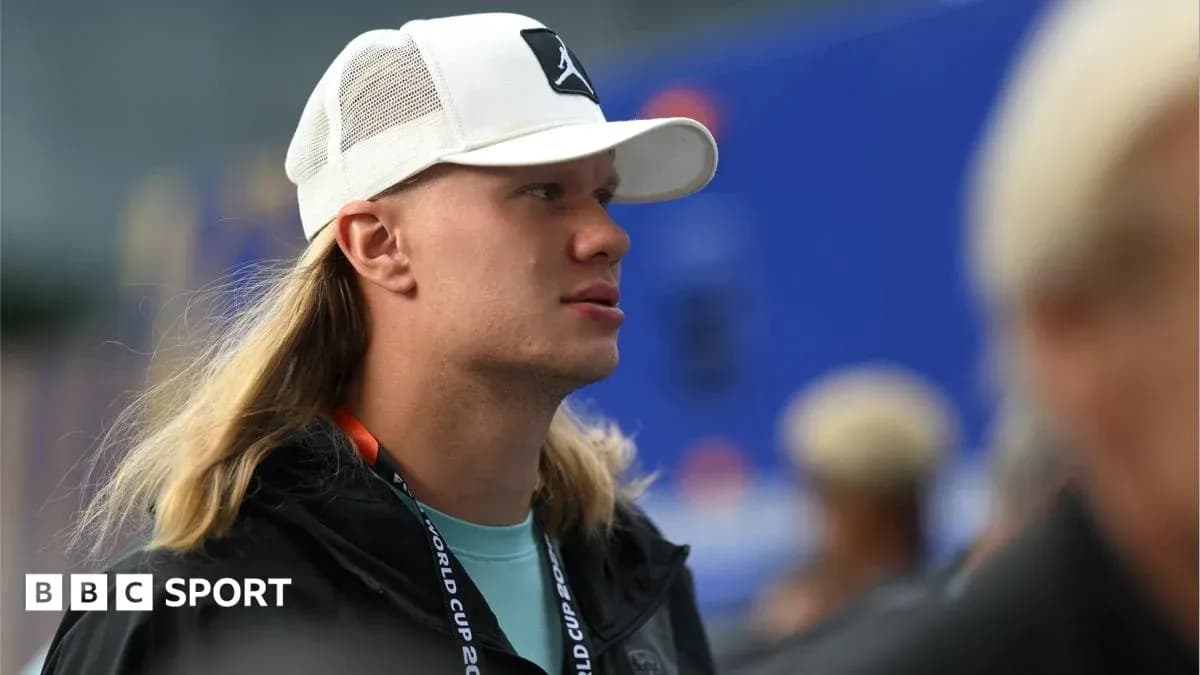
Dembélé's Hat-Trick Dominates Haaland's Absence in World Cup Clash
The posters and promos sold it as a World Cup Golden Boot duel: Kylian Mbappé v Erling Haaland, two of the game’s most ruthless finishers sharing the same stage, same night, same stakes.
Instead, Boston Stadium watched a different kind of superstar performance. Ousmane Dembélé walked in from the wings and tore the script to shreds.
By the time the half-time whistle blew, the Ballon d'Or winner had a 25‑minute hat-trick to his name and France were strolling to a 4-1 win. The supposed heavyweight shootout became a one-man exhibition, and it was delivered by the player who has spent a career living in the shadow of others’ headlines.
Haaland sits, Dembélé explodes
The shock landed an hour before kick-off. With Norway already through, Ståle Solbakken left Haaland on the bench, ending a run of starts stretching back to early 2024. He did not stop there. Ten changes. A virtually new XI. A group decider treated like a mid-season cup dead rubber.
“A no-brainer,” Solbakken called it, pointing to advice from his physios and medical staff, and from players who felt the load after the win over Senegal. He spoke of an entire back line and several midfielders “very affected” after 80 minutes. The only hesitation, he admitted, came from knowing what the Norway fans had paid and travelled to see: Haaland, Martin Ødegaard, the stars they follow across continents.
The crowd’s reaction told its own story. There was head-scratching in the stands when the teams were announced, a murmur of disbelief that the Manchester City striker would watch this one in a tracksuit. Yet the Viking-clad supporters chose noise over negativity, roaring through their now-familiar rowing celebration long before the game settled into its pattern.
On the pitch, the pattern belonged to France.
They came with all their attacking firepower, a forward line built for a July 19 final in New Jersey, not just a group-stage formality. Mbappé almost lit the fuse inside the opening minute, smashing a shot against the underside of the bar. The warning was brutal. Norway did not heed it.
The space, the inexperience, the lack of cohesion from a side with 10 changes – Dembélé feasted on all of it. He drifted into pockets, attacked full-backs, and finished with the kind of ruthless calm that once felt beyond him. Three times in 25 first-half minutes he found the net. By the time he completed his hat-trick, the contest looked less like a group decider and more like a training-ground mismatch.
France, in third gear, were 4-1 up and cruising. Les Bleus topped Group I with three wins from three and barely a scratch on them.
Norway’s gamble
The debate started long before the final whistle. Was this bold rotation or needless self-sabotage?
Haaland had warned where his priorities lay after his two goals in the 3-2 win over Senegal booked Norway’s place in the knockouts. “I couldn't care too much about that game now,” he said of the France clash. “They're probably going to win against us. They're probably going to win the whole tournament.”
He got the first part right. The second remains to be seen. But his words framed Norway’s thinking. This was the night to save legs, not chase glory.
From the pundits’ seats, there was less certainty. Former England striker Ian Wright, speaking before kick-off, admitted he was surprised at the sheer volume of changes, especially with Norway having named the same XI in wins over Iraq and Senegal. Pat Nevin, watching for BBC Radio 5 Live, called the whole thing “quite complicated” – and he was not talking about tactics.
Distances, not just line-ups, weighed heavily. France’s reward for topping the group is a short hop to the New York New Jersey Stadium for a last‑32 tie on 30 June against the runners-up in Group F or G. Norway, based in Greensboro, North Carolina, now face a 1,100‑mile haul to Arlington, Texas, to meet Ivory Coast on the same day. Win that, and they double back to New Jersey for a last‑16 tie on 5 July against the winners of Brazil–Japan.
It is a punishing itinerary. Had they beaten France to first place, the journey to their next game would have been roughly half the distance.
Nevin pointed to the sheer physicality of Norway’s usual approach. They lean on size, strength, aerial power. “If they go and try that physical style and lose two players, was it worth it?” he asked. The staff clearly decided the answer was no.
That physical profile – six regulars standing 6ft 4in or 6ft 5in, Haaland among them – never truly tested France. A full-strength Norway would have asked different questions, particularly in the air and on set pieces. Instead, the rotated side left gaps, gave France room to play, and invited Dembélé to run riot.
The missed moment
The one real twist came after the interval. With Haaland still watching on, his stand-in Jørgen Strand Larsen had the chance to drag Norway back into the match from the penalty spot. At 4-1, a goal would have made it 4-2 and given the game a pulse it had long since lost.
He missed. The chance went, the tension with it. On the bench, the man who usually shoulders that responsibility stayed seated.
For the travelling Norwegians, thousands of whom have spent serious money to follow their team across the United States, it felt like a night of what-ifs. What if Haaland had started? What if the “normal side”, as Nevin called it, had been sent out to contest top spot? What if France had been forced into a scrap rather than allowed to dictate?
Yet the camp will cling to a different narrative. Norway are through. Their stars are rested. Their identity – that bruising, high-intensity game that wears opponents down – remains intact for the matches that truly decide their fate.
History offers mixed comfort. Spain made 11 changes in 2006 against Saudi Arabia, still won the group game, and then went out 3-1 to France in the last 16. Belgium, by contrast, rotated heavily in 2018, beat Japan 3-2 in the last 16 after making 10 changes earlier in the tournament, then dumped Brazil out in the quarter-finals before falling, again, to France.
The template is there for both triumph and regret. Norway will discover soon enough which version they are writing.
France, meanwhile, march on with a swagger that grows by the game. Mbappé is already firing shots off crossbars. Dembélé has announced himself with a hat-trick that will echo far beyond Boston. The squad looks deep, sharp, and ominously fresh.
If Haaland was right and they are “probably going to win the whole tournament”, this was the kind of night that makes that prophecy feel less like bravado and more like a warning.
Related News
Raphinha’s Hat-Trick Powers Barcelona to 7-2 Victory Over Racing Santander
Carabao Cup Fourth Round Draw: Liverpool Set to Clash with Chelsea, Arsenal to Face Fleetwood Town
Key Football Matches to Watch in Azerbaijan This Autumn
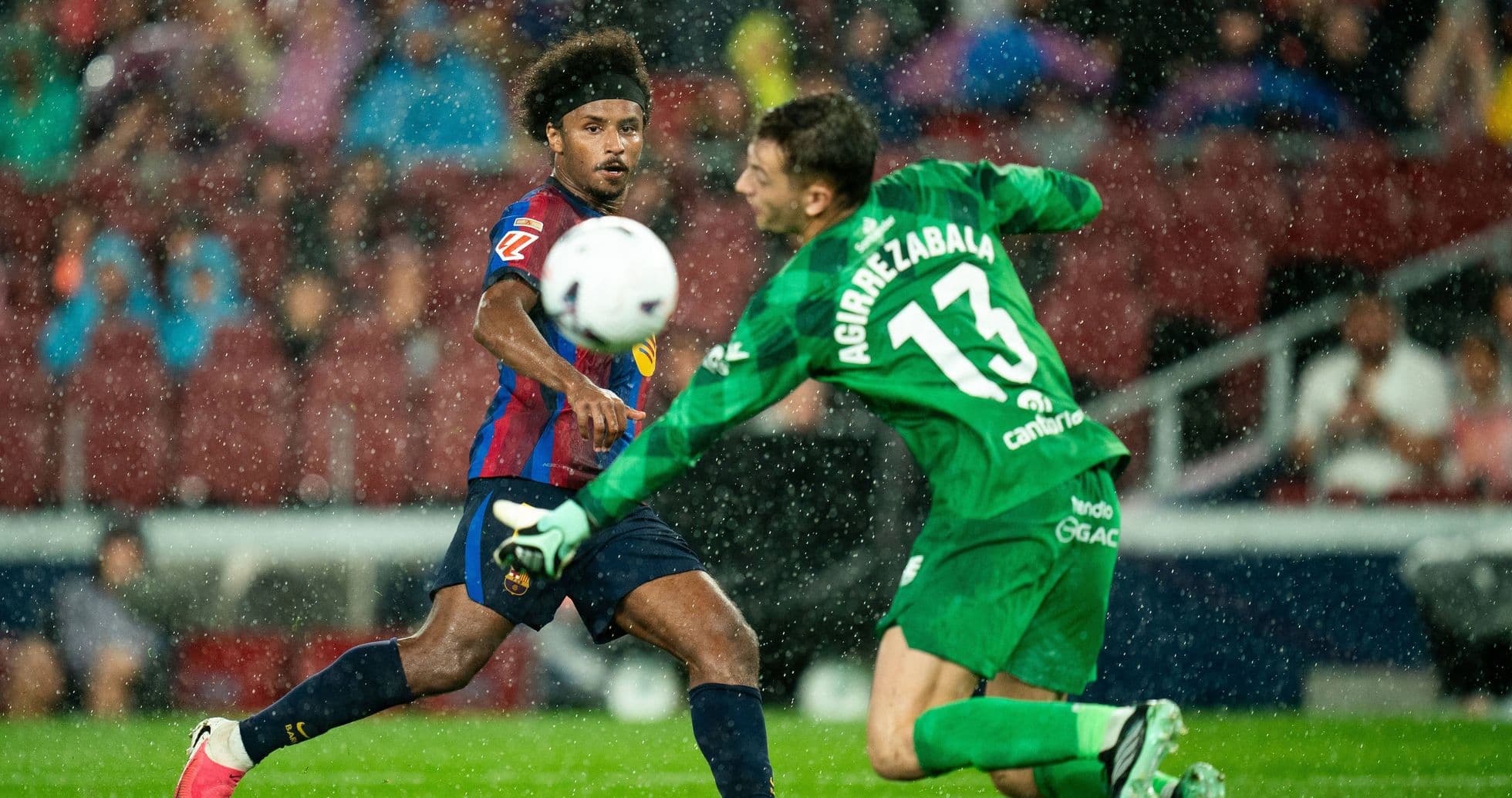
Hansi Flick Leads Barcelona to Record-Breaking Seven Wins in a Row
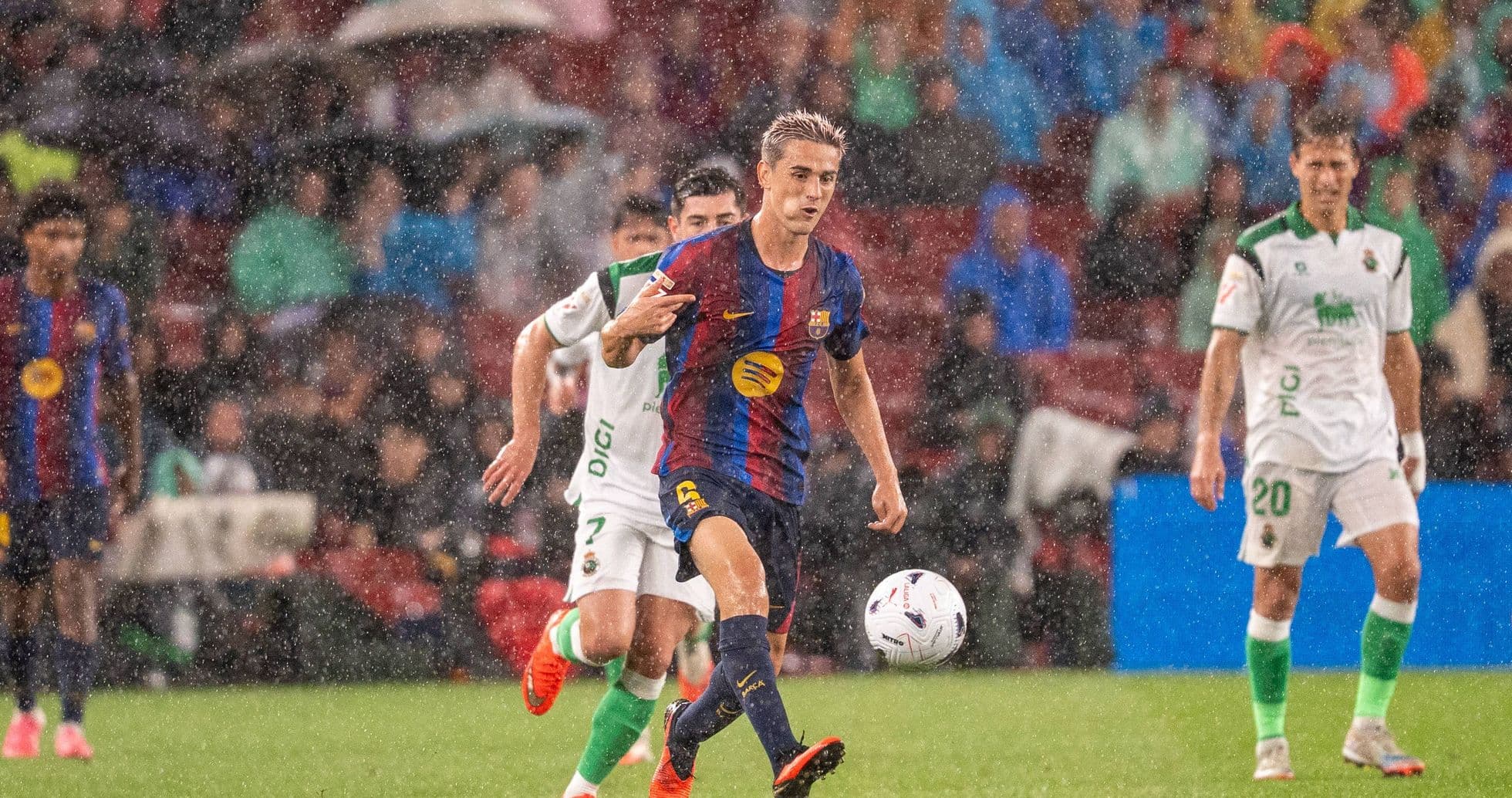
Gavi Reflects on Injury Return as Barcelona Dominate Racing Santander 7-2
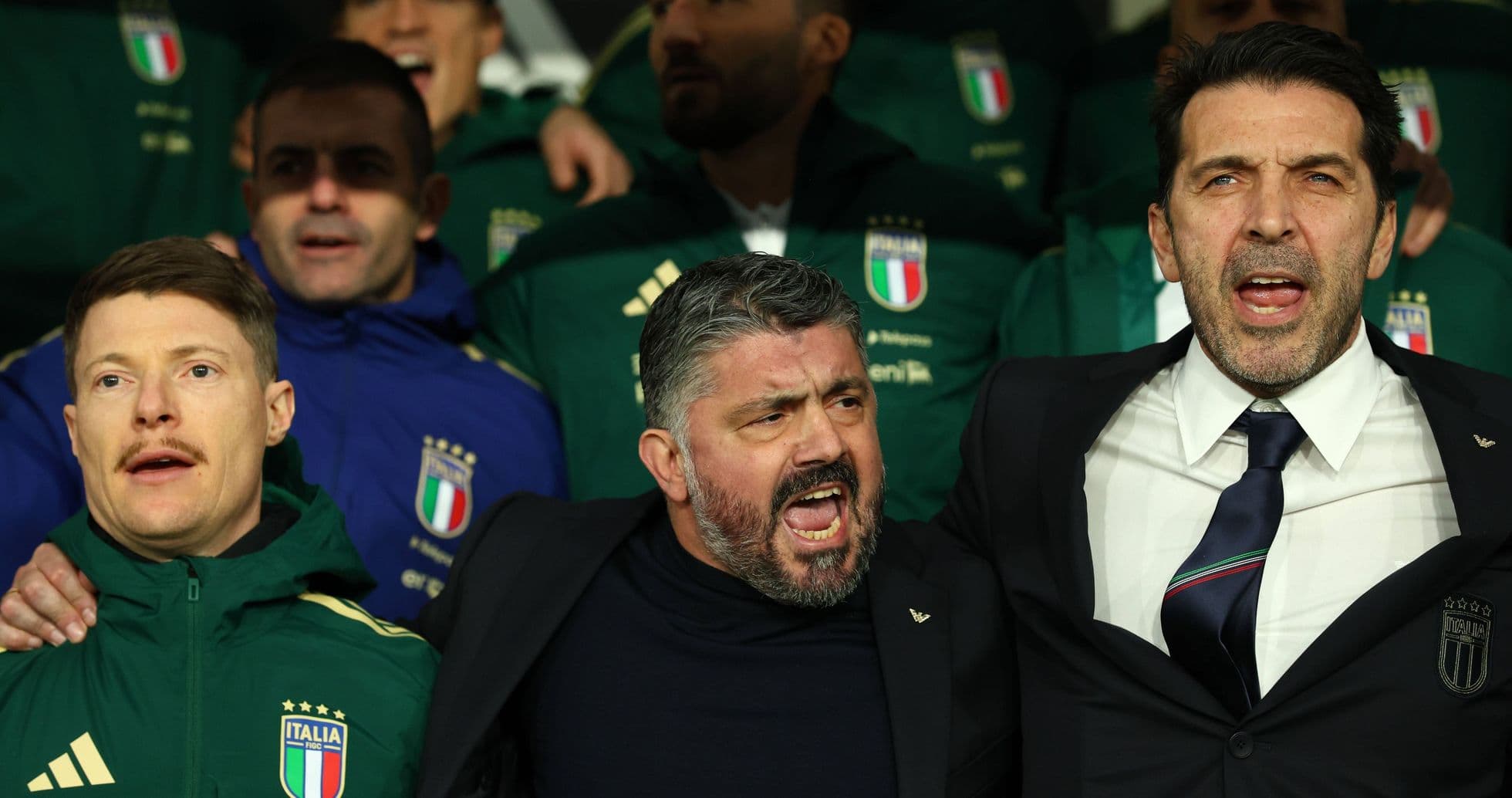
Buffon Stands Firm in Support of Gattuso and Reflects on Italy Exit