
Declan Rice: England's Essential Midfielder Faces Fitness Concerns
Aaron Cresswell calls Declan Rice a “freak of nature”. He means it as the highest compliment. The former West Ham left-back has watched Rice run, tackle and lead without pause for years and still marvels at his capacity to endure. “He can play six or seven games a week,” Cresswell once said. The numbers are not far off.
Since the start of the 2020-21 season, Rice has played 360 matches. West Ham’s long European journeys, England’s tournament pushes, Arsenal’s title and Champions League charges – Rice has been in the middle of almost all of it. He has become the constant in a sport that devours its best players with relentless schedules.
On Wednesday in Yokohama, the constant finally flickered.
A rare off-night
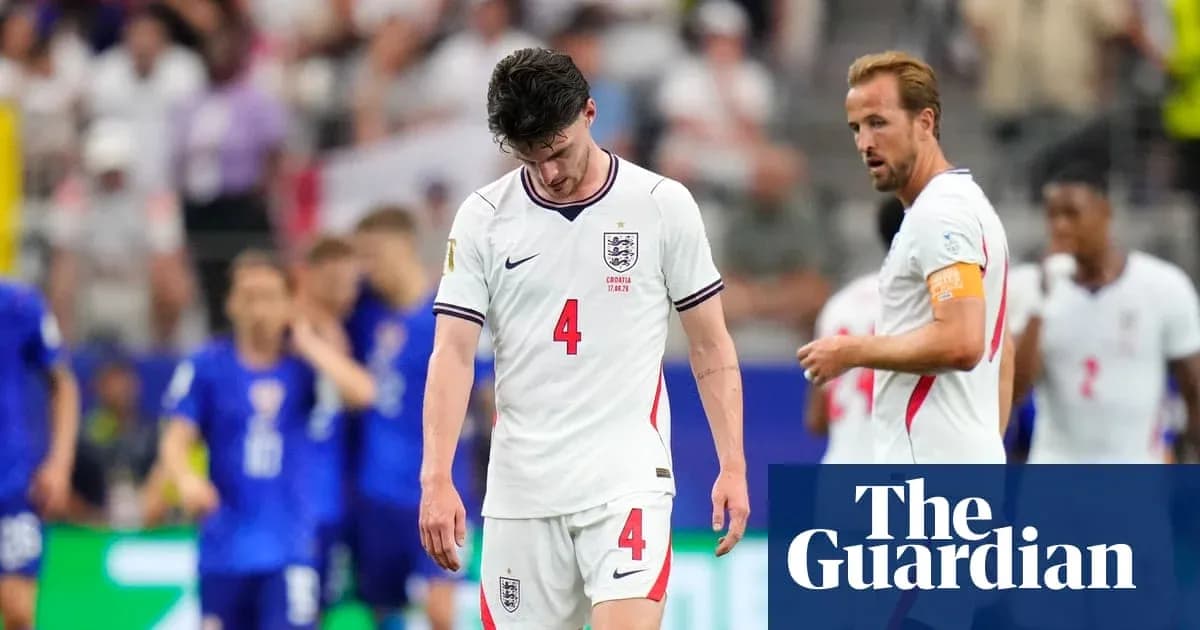
England beat Croatia 4-2 in a wild, breathless World Cup opener, but Rice looked like a man who had been asked for one game too many. This was his 63rd appearance of the 2025-26 campaign. For once, his legs and his judgement did not quite match his reputation.
The midfield was disjointed from the start. The spacing between Rice and Elliot Anderson was all wrong, the gaps too inviting for a technician as ruthless as Luka Modric. Rice dropped too deep, was dragged into areas he did not want to go, and England’s shape frayed around him.
Thomas Tuchel called it “some unusual ball losses”. That was the polite version. Rice, usually the metronome and the shield, looked weary. England’s first half felt like a warning: if Rice is not at full tilt, the entire structure wobbles.
Then came the moment that will have chilled Tuchel more than any Croatian attack. With England clinging to a 3-2 lead in the 72nd minute, Rice signalled he could not continue. This is the player who almost never comes off when there is a lead to protect, the vice-captain whose presence calms everyone around him. Suddenly he was walking to the touchline, hands on hips, back and hamstring complaining.
Tuchel said Rice felt discomfort in his lower back and upper hamstring. The substitution, he insisted, was precautionary. Rice quickly made it known he expects to be available for Ghana on Tuesday. On paper, the alarm can be played down.
In reality, England are on edge.
No like-for-like safety net
The question hangs over this World Cup: what happens if Rice breaks down?
England have rarely looked convincing without him over the past six years. He is their reference point out of possession, their insurance policy when attacks break down, their set-piece weapon, their organiser. There is no direct replacement in this squad.
Kobbie Mainoo glides with the ball and sees passes early, but he does not yet have Rice’s frame, his aerial dominance, his ability to bully a midfield on his own. Jordan Henderson brings experience and leadership, but at 36 he was not even trusted to help sustain England’s tempo when Croatia were threatening to overrun them. Tuchel did not turn to him when the game became stretched. That felt telling.
Tuchel’s first in-game solution when Rice departed was to drop Jude Bellingham deeper. It almost cost England. Croatia poured forward, and Bellingham, who thrives higher up, found himself firefighting in traffic. The experiment lasted eight uncomfortable minutes.
Only when Djed Spence came on for Bellingham did a more coherent idea emerge. Reece James stepped out of right-back and into a role he has grown into at Chelsea over the past 18 months: a central midfielder who can both destroy and distribute.
For the first time, England saw a version of life without Rice that did not immediately invite panic.
Reece James, the emergency 6
James has been here before. During his loan at Wigan in 2018-19, he played in midfield. His career since then has been defined at right-back or wing-back, but Enzo Maresca’s spell at Chelsea changed the picture. Maresca moved him inside. After a period of doubt, the decision was vindicated in the biggest moments.
James was outstanding in last year’s Club World Cup final, when Chelsea beat Paris Saint-Germain with him anchoring midfield. He excelled again when paired with Moisés Caicedo in a 3-0 win over Barcelona last November, snapping into duels and dictating play. Five days later he dominated Rice himself when Arsenal visited Stamford Bridge.
Tuchel, who coached James at Chelsea, initially resisted the idea. He saw him as a right-back for England and said so when he took the job. But the evidence from Maresca’s Chelsea became hard to ignore. James is powerful, tactically sharp and has a crisp passing range. He wins his battles and can launch attacks.
By the time Tuchel named his World Cup squad, the conversion was complete in his mind. “Reece James can play in the 6 because he does on a high level for Chelsea,” he said, using that as part of the justification for leaving Adam Wharton and Alex Scott at home. Versatility was a theme of his selections, and James was the poster boy.
If Rice’s minutes need to be rationed, James is the most convincing stand-in. The structure around him can be adjusted. Spence, Ezri Konsa or Jarell Quansah can all operate at right-back. Konsa, in particular, offers the option of tucking in as a third centre-back alongside John Stones and Marc Guéhi, allowing Nico O’Reilly to surge from left-back and give England an extra runner from deep.
On paper, it works. On grass, it has already worked for Chelsea.
The problem is that James himself is no iron man.
England’s fitness tightrope
James’s injury record is long and uncomfortable reading. Hamstring issues have repeatedly halted his momentum, the latest flare-up coming in March and costing him almost two months. Chelsea have had to handle him with care. He is England’s first-choice right-back, but he cannot be flogged through every minute of this World Cup, let alone be asked to cover Rice’s workload on top.
England have already lost Tino Livramento to a calf injury, forcing Tuchel to call up Trevoh Chalobah. The squad feels stretched before the tournament has even settled into its rhythm. The season has been punishing across the board. Several of Tuchel’s key players arrived carrying knocks or fatigue.
Rice was among the last to join the camp in Florida after Arsenal’s Champions League final. While his teammates were acclimatising to the heat and the training load, he was squeezing in one more high-stakes match. He never seems to say no. That relentlessness is part of what makes him elite – and part of what now worries England.
Tuchel’s decision to take England early to the United States for a sun-drenched conditioning camp was driven by fitness concerns. He wanted their legs ready for a month-long sprint. But there is only so much planning can do when your most important midfielder has been running at full tilt for five years.
If England go all the way here and Rice is not given a meaningful rest, he will finish the season on 70 appearances for club and country. Seventy. In an era of faster games, higher pressing and longer stoppage times, that number feels brutal.
Tuchel has built much of his England around Rice. The vice-captain is the anchor, the safety net, the platform. Yet the sight of him trudging off against Croatia, back and hamstring grumbling, was a jolt that cannot be ignored.
England still have time in this World Cup. What they do not have is another Declan Rice. Tuchel has to prove he has more than one plan for when the “freak of nature” finally needs to rest – or the price of these years of endurance may be paid on the biggest stage of all.
Related News

Raphinha’s Hat-Trick Powers Barcelona to 7-2 Victory Over Racing Santander

Carabao Cup Fourth Round Draw: Liverpool Set to Clash with Chelsea, Arsenal to Face Fleetwood Town
Key Football Matches to Watch in Azerbaijan This Autumn
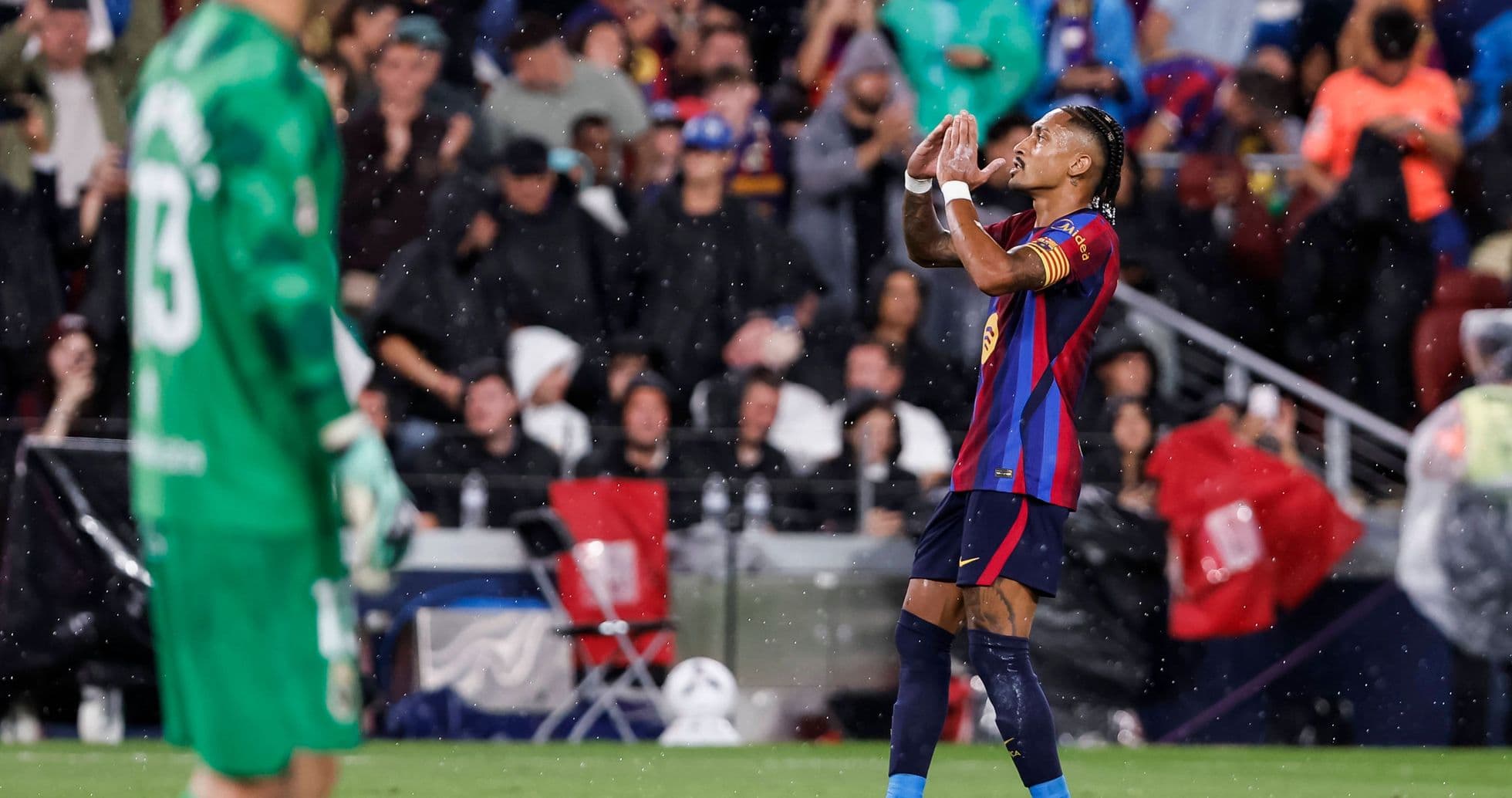
Raphinha's Hat-Trick Drives Barcelona to 7-2 Triumph Over Racing Santander

Hansi Flick Leads Barcelona to Record-Breaking Seven Wins in a Row

Gavi Reflects on Injury Return as Barcelona Dominate Racing Santander 7-2