
Curaçao's World Cup Journey: Brenet's Redemption Against Germany
On Sunday night in Germany, a tiny Caribbean island will stare down a giant – and at right-back, a familiar face will be hard to ignore.
From colony to core of a World Cup squad
Curaçao, still part of the Kingdom of the Netherlands but long since charting its own course, has quietly become a lifeblood for Dutch football. Generations of Curaçaoans moved to the Netherlands; their children and grandchildren now form the spine of a national team only recognised by FIFA in 2010.
The numbers tell the story. Of the 26 players in Curaçao’s World Cup squad, just one was actually born on the island. He is also the most recognisable name: Tahith Chong, once the great hope at Manchester United, now at Sheffield United after stops that included a short, stuttering loan at Werder Bremen.
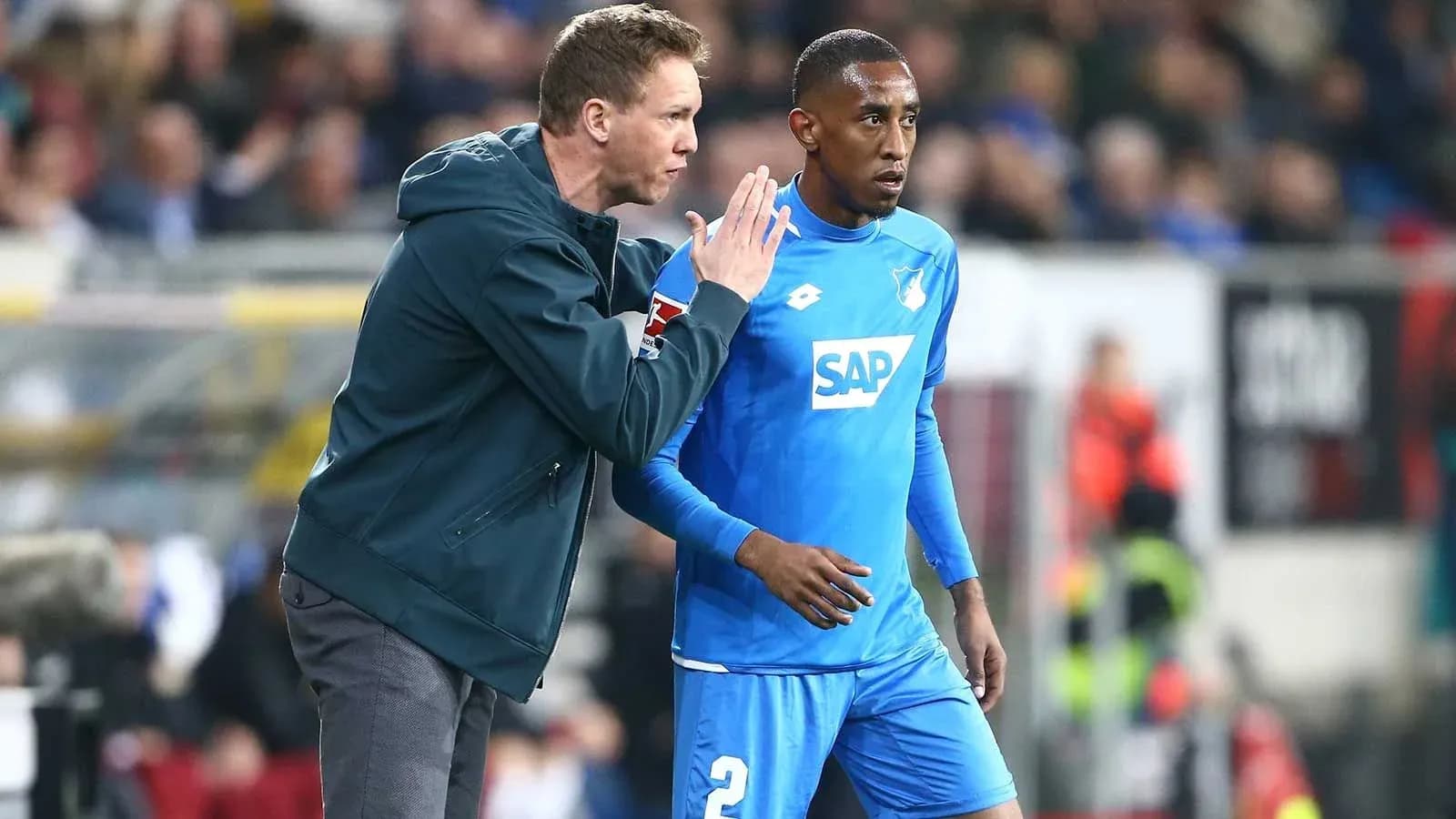
Chong is not alone in knowing German football up close. Six members of this Curaçao squad have a Bundesliga or German lower-league chapter in their careers. Gervane Kastaneer passed through 1. FC Kaiserslautern, Riechedly Bazoer tried to relaunch himself at VfL Wolfsburg, and Roshon van Eijma featured for Preußen Münster. Jürgen Locadia and Joshua Brenet both landed at TSG Hoffenheim, where their paths crossed with a young coach on the rise: Julian Nagelsmann.
The Nagelsmann gamble that backfired
Brenet’s story is the most combustible of the lot.
In 2018, Hoffenheim paid €3.5 million to take him from PSV Eindhoven, a club where he had won three Eredivisie titles and earned two senior caps for the Netherlands. Nagelsmann pushed for the deal, convinced he could mould a dynamic, attacking full-back for both Bundesliga and Champions League nights.
It never took.
Brenet began life in Germany on the bench. Then came the moment that defined his time at TSG. Ahead of Hoffenheim’s first-ever Champions League match, against Shakhtar Donetsk, he skipped a video session. Nagelsmann reacted immediately and cut him from the squad.
The coach later brought him back into the fold, but the damage was done. Brenet drifted to the fringes, appearing only in flashes for the rest of the season. When Nagelsmann left, the situation worsened. His successor Alfred Schreuder – now Nagelsmann’s assistant with Germany – barely used him. Sebastian Hoeneß went further, sending the full-back down to the reserves in the fourth-tier Regionalliga Südwest.
On the pitch he faded. Off it, his reputation suffered even more. Chronic lateness and repeated disciplinary issues marked him out as a problem, and Hoffenheim struggled to find any club willing to take on both the player and the baggage. Only in 2022 did he finally leave, on a free, to Twente Enschede.
Self-sabotage and a courtroom reckoning
In the Netherlands, Brenet’s football began to look like itself again. He impressed for Twente, rediscovering the aggressive running and attacking thrust that had once made him a Dutch international.
Then he sabotaged it.
In January 2023, he was twice caught driving without a licence in the space of two weeks. He had already lost that licence in 2020 after a drink-driving offence. The offences dragged him back into court, where a judge delivered a damning verdict on his attitude.
“He clearly has no regard for authority. It seems to me as though he is continuing to play football after receiving a red card,” the presiding judge said, before handing down a one-month prison sentence in 2024.
It was not his first conviction. Three years earlier, he had received a suspended sentence, a fine and community service for domestic violence. This time, the prison term for driving without a licence was later converted on appeal into community service. Twente had already made up their minds. They tore up his contract.
A restless journey to the World Cup
From there, Brenet’s career turned nomadic.
He resurfaced at Al-Rayyan in Qatar, where he played only six times in the 2024/25 season. By autumn he had moved again, this time to Livingston FC in Scotland. That stint lasted only half a campaign before another switch, to Kayserispor in Turkey for the second half of the season.
Yet while his club career lurched from one short chapter to the next, an international door opened.
Despite his long history with Dutch youth teams and a senior debut for Oranje in the 2016 World Cup qualifiers, FIFA granted his request to change allegiance to Curaçao, his parents’ homeland. The decision gave the island a right-back with European pedigree – and gave Brenet a new stage at a time when many might have expected his career to shrink.
He took it. Since his debut for Curaçao in 2024, he has scored six goals in 17 appearances, a remarkable return for a defender. In the final warm-up match before the World Cup, against Aruba, he started at right-back and found the net again.
Facing the past in Germany
Now 32, Brenet arrives at this World Cup carrying a complicated CV: titles with PSV, a failed Bundesliga move, disciplinary scars, court sentences, and a late-career reinvention in Caribbean colours.
On Sunday at 7 pm, he will line up for Curaçao in their World Cup opener against Germany. On the opposite bench: Julian Nagelsmann, the coach who once championed him at Hoffenheim, and Alfred Schreuder, who later froze him out.
For Curaçao, it is a historic night. For Brenet, it is something sharper – a collision of past and present, played out on the biggest stage football can offer.
Related News

Raphinha’s Hat-Trick Powers Barcelona to 7-2 Victory Over Racing Santander

Carabao Cup Fourth Round Draw: Liverpool Set to Clash with Chelsea, Arsenal to Face Fleetwood Town
Key Football Matches to Watch in Azerbaijan This Autumn
Raphinha's Hat-Trick Drives Barcelona to 7-2 Triumph Over Racing Santander
Hansi Flick Leads Barcelona to Record-Breaking Seven Wins in a Row

Gavi Reflects on Injury Return as Barcelona Dominate Racing Santander 7-2