
Curaçao Faces Germany: Jürgen Brenet's Journey
On Sunday night in Germany, a tiny Caribbean island will stare down a football giant. And on Curaçao’s right flank, a familiar face to German football will be running straight into his past.
This is Jürgen Brenet’s story as much as it is Curaçao’s.
An island’s imprint on Oranje
Curaçao has always been closer to the Netherlands than a map suggests. A former colony that still sits within the Kingdom, it has sent generations of families to Dutch cities, Dutch clubs, Dutch academies. Their children now form the spine of a national team only recognised by FIFA in 2010, yet already woven deep into European football.
Of the 26 players in Curaçao’s World Cup squad, just one was actually born on the island. That lone native son is Tahith Chong, the winger who once carried Manchester United’s hopes for the future and now plays his trade at Sheffield United. He is the poster boy, the instantly recognisable export.
But this squad is full of names that ring bells in Germany.
Chong is one of six with Bundesliga or lower-league German experience on their CV. Gervane Kastaneer passed through 1. FC Kaiserslautern. Riechedly Bazoer tried to restart his career at VfL Wolfsburg. Roshon van Eijma worked the hard yards at Preußen Münster. Up front, Jürgen Locadia and Joshua Brenet both wore the blue of TSG Hoffenheim.
For Brenet, that shirt changed everything.
From Nagelsmann’s project to problem case
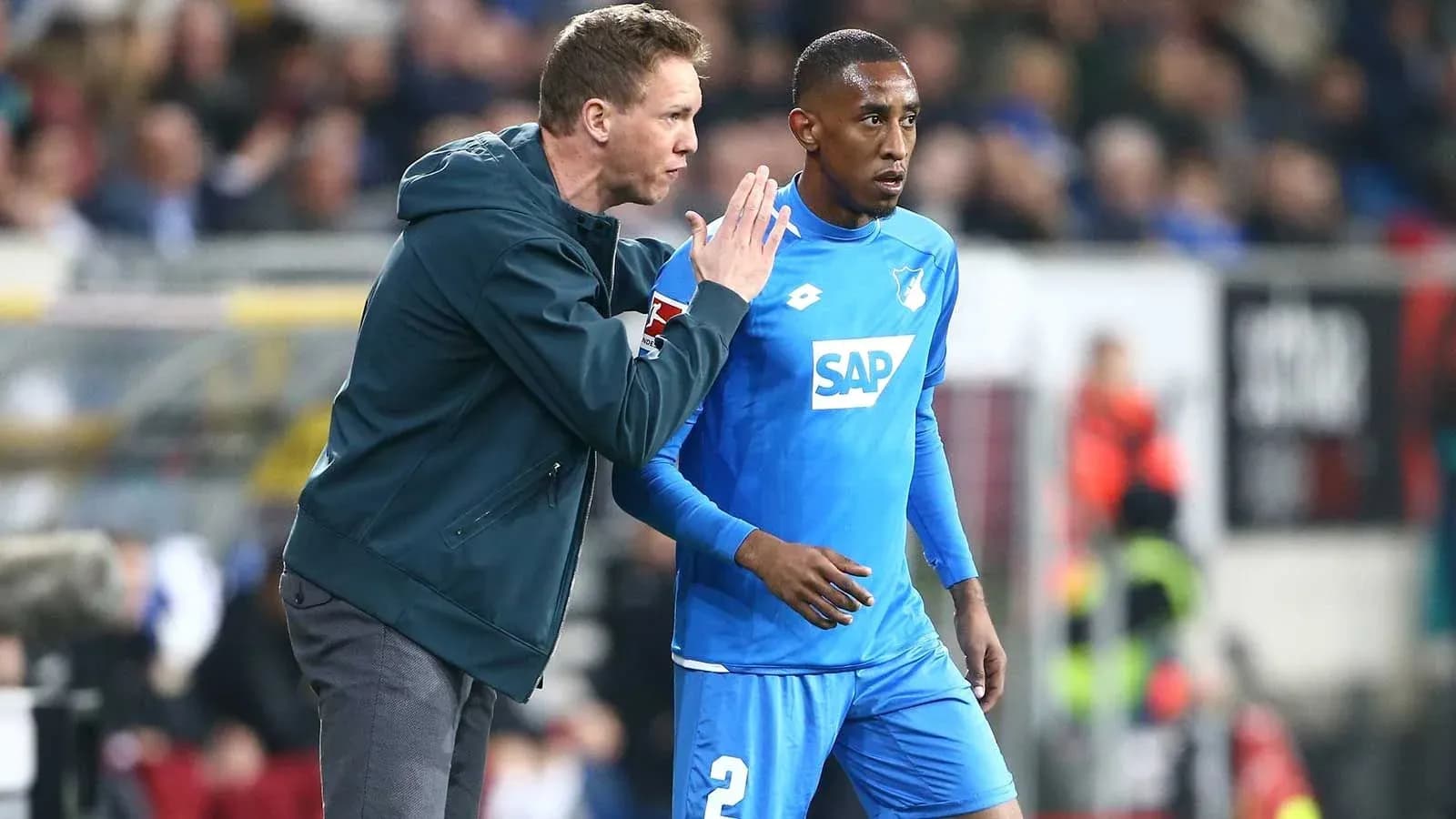
In 2018, Hoffenheim paid €3.5 million to prise Brenet from PSV Eindhoven. It looked like a smart, targeted move. He arrived as a three-time Eredivisie champion, a modern full-back with two senior caps for the Netherlands. Julian Nagelsmann, already hailed as one of Europe’s sharpest young coaches, had pushed for him.
The stage was set. Bundesliga football. Champions League nights. A coach who believed in him.
It unraveled almost immediately.
Brenet began his Hoffenheim career on the bench, waiting for his chance. When it came to preparation for the club’s first-ever Champions League match, against Shakhtar Donetsk, he made a choice that would haunt him: he skipped a video session.
Nagelsmann’s response was ruthless. Brenet was dropped from the squad for that historic game. The message was clear. At a club built on detail and discipline, there would be no shortcuts.
Nagelsmann did bring him back into the fold, but the damage lingered. Brenet’s appearances became sporadic, his role peripheral. When Nagelsmann left, any remaining protection vanished.
Alfred Schreuder, now back alongside Nagelsmann with the DFB, barely used him. Sebastian Hoeneß then pushed him even further to the margins, sending him down to the reserves in the fourth-tier Regionalliga Südwest. For a player who had shared a dressing room with the Dutch national team, it was a brutal fall.
On the pitch, opportunities dried up. Off it, his reputation took heavier blows.
Courtrooms, second chances, and another fall
At Hoffenheim, disciplinary issues mounted. Lateness became a theme, then a label. The club struggled to find a buyer, his value eroded by more than just performances. Only in 2022 did the stalemate end, when he left on a free transfer to Twente Enschede.
In Enschede, the football came back. Brenet impressed again, his right flank surges reminding people why big clubs had once fought for his signature. It looked like a rescue act, a career finally back on track.
Then came the courtroom.
In January 2023, Dutch authorities caught him driving without a licence. Twice. In two weeks. He had already lost that licence in 2020 after a drink-driving offence.
The judge did not hold back. “He clearly has no regard for authority. It seems to me as though he is continuing to play football after receiving a red card,” came the verdict in 2024, as Brenet was handed a one-month prison sentence. Three years earlier, he had already received a suspended sentence, a fine and community service for domestic violence.
On appeal, the prison term for driving without a licence was converted into community service. The stain remained. Twente tore up his contract.
From there, the career that once pointed towards Champions League stability turned into a restless tour.
He moved to Al-Rayyan in Qatar, managing only six appearances in the 2024/25 season. By autumn he was in Scotland with Livingston FC, a short stop before yet another switch, this time to Kayserispor in Turkey for the second half of the campaign.
None of those clubs will define him on Sunday. Curaçao will.
A new flag, an old stage
Despite coming through Dutch youth teams and even making his senior debut for Oranje in the 2016 World Cup qualifiers, Brenet chose a different path late in his career. FIFA granted him permission to switch allegiance to Curaçao, the country of his parents.
He pulled on the blue shirt for the first time in 2024. Since then, he has become one of the team’s key figures: six goals in 17 appearances, a remarkable return for a right-back. In their final warm-up match against Aruba, he started on that flank and scored again.
It is not redemption. That would be too neat for a career this messy. But it is a stage, and Brenet has grabbed it.
On Sunday at 7 pm, the 32-year-old will walk out to face Germany in a World Cup opener. On the opposite bench: Julian Nagelsmann and Alfred Schreuder, the coaches who once pushed him out of the picture in Hoffenheim.
Curaçao will line up as underdogs, an island of barely 150,000 people taking on a four-time world champion. For most of the squad, it is the biggest game of their lives.
For Joshua Brenet, it is something sharper. A collision of past and present. A chance, however fleeting, to show the managers who lost faith in him that he is still here, still running, still refusing to disappear quietly.
Related News

Raphinha’s Hat-Trick Powers Barcelona to 7-2 Victory Over Racing Santander

Carabao Cup Fourth Round Draw: Liverpool Set to Clash with Chelsea, Arsenal to Face Fleetwood Town

Key Football Matches to Watch in Azerbaijan This Autumn
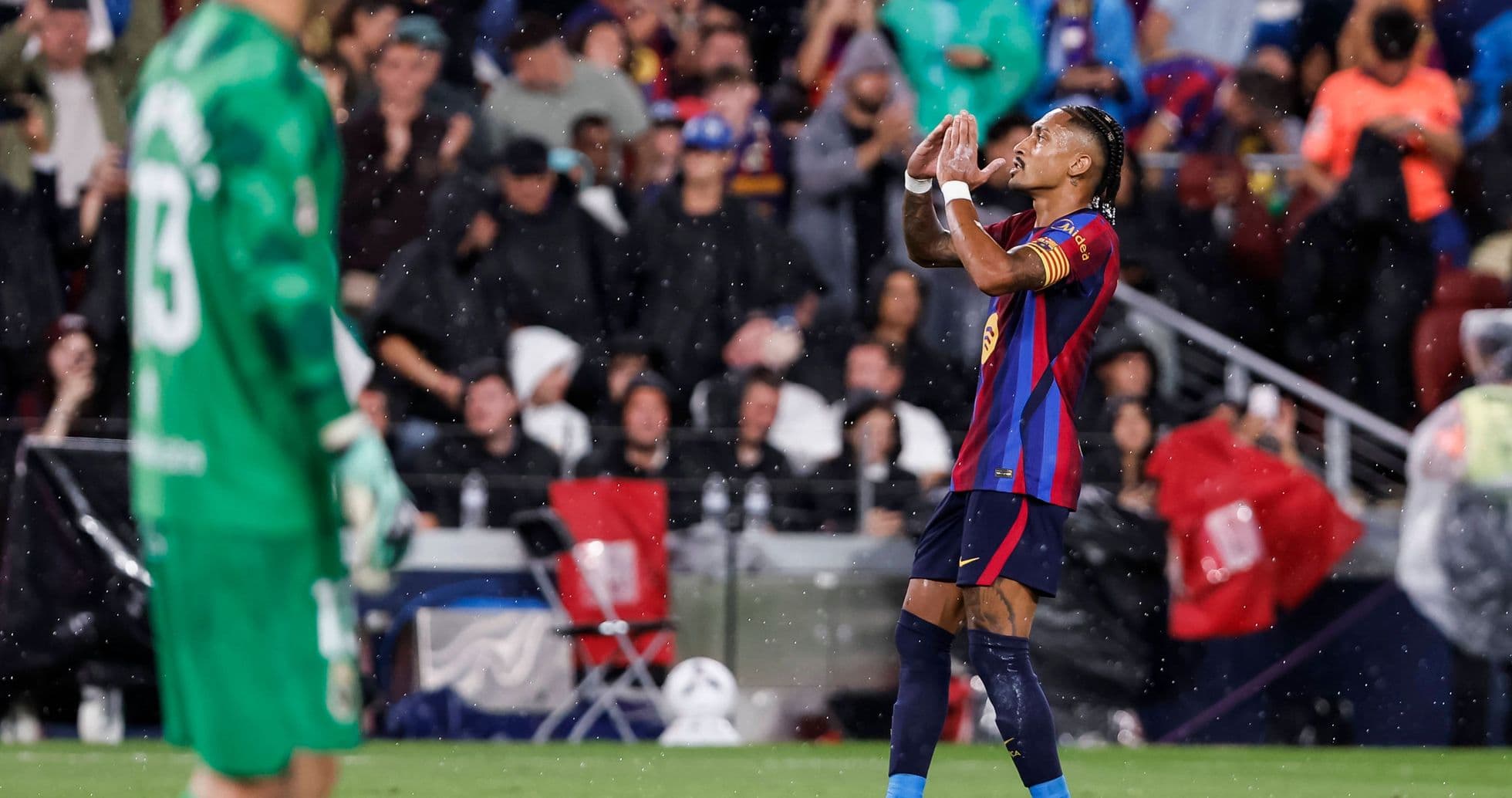
Raphinha's Hat-Trick Drives Barcelona to 7-2 Triumph Over Racing Santander
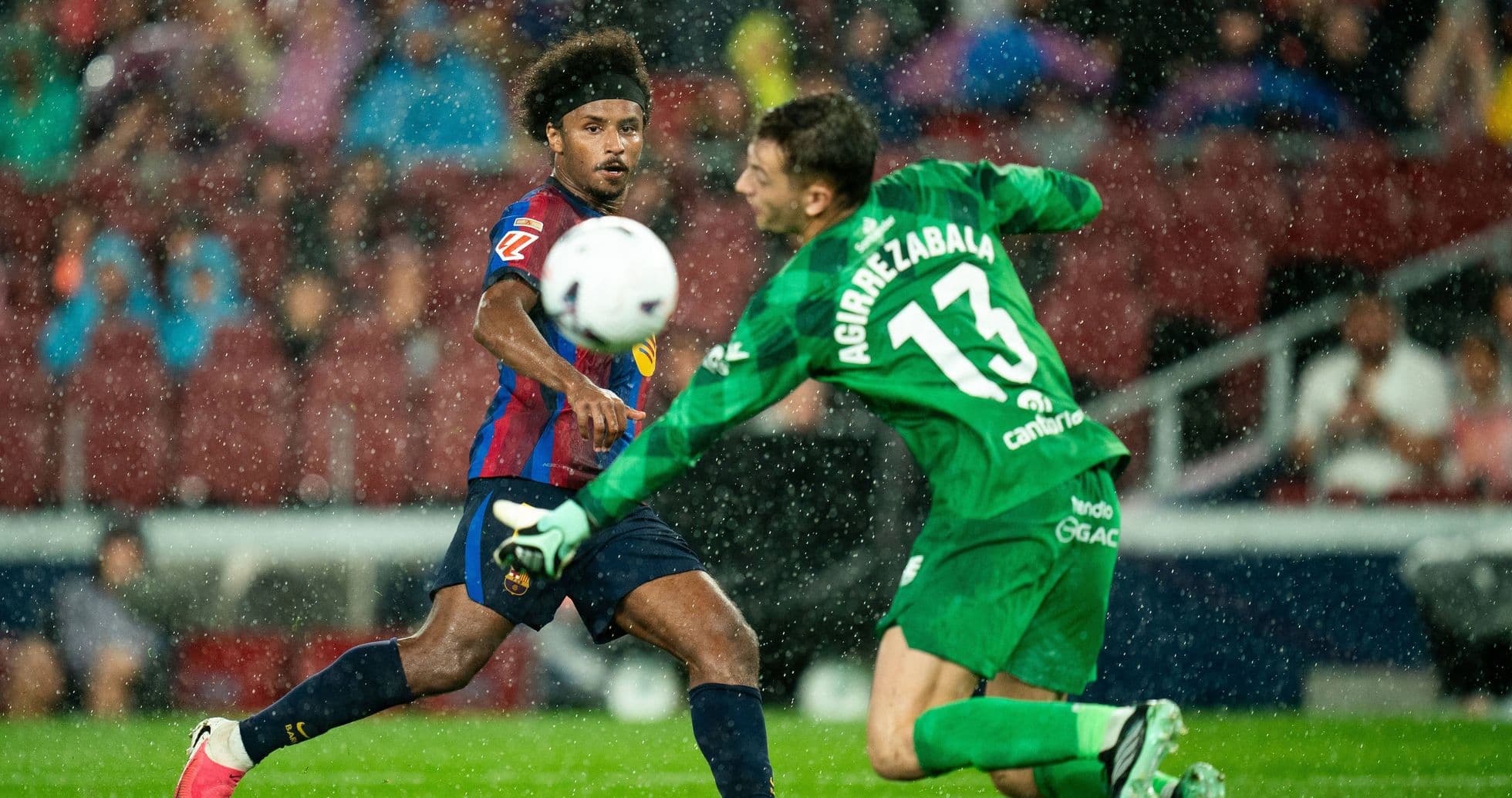
Hansi Flick Leads Barcelona to Record-Breaking Seven Wins in a Row

Gavi Reflects on Injury Return as Barcelona Dominate Racing Santander 7-2