
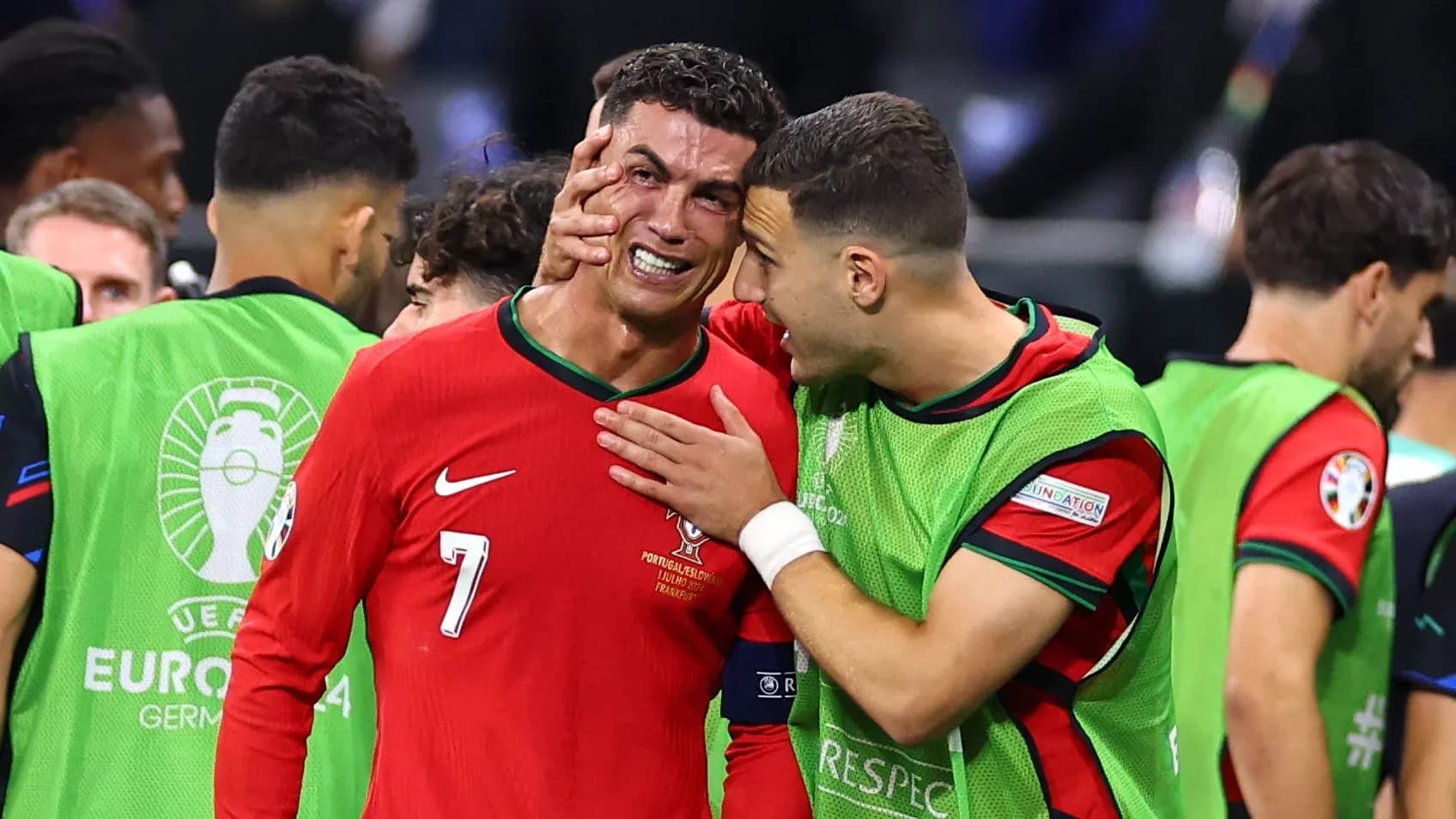
Cristiano Ronaldo's Last World Cup Journey with Portugal
Cristiano Ronaldo is preparing to walk into his sixth World Cup at 41, and Portugal can feel the clock ticking.
This is no longer just about tactics, form, or group dynamics. It is about the weight of a farewell that has been building for two decades, and the one trophy that still stands between Ronaldo and total completion.
A legend nearing the last stage
Godinho, who spent half a century inside the Portuguese Football Federation and watched Ronaldo’s entire international story unfold, did not hide the emotion behind the cold reality. He wants the Al-Nassr forward to leave the stage as champions of the world.
"Let's hope he's in a position to retire – I don't know when, but the body isn't eternal – with a title of this magnitude," he told Lusa. It was both a wish and a warning. Time is no longer an ally.
Ronaldo’s longevity has already broken every conventional limit. Six World Cups, still leading the line for Portugal, still carrying expectation. Yet even those closest to him know the end is drawing near. The 2026 tournament in the United States, Canada, and Mexico is shaping up as his last shot at the only missing piece.
A brutal World Cup on foreign ground
Romantic narratives do not win tournaments. Preparation does. And in Godinho’s eyes, this World Cup might be one of the toughest ever staged for European sides.
"The World Cup will be difficult ... because of the fatigue they will bring," he said. That fatigue will not be abstract. Players will arrive from long, punishing club seasons, many of them in major competitions, and then be asked to cross an ocean and adapt on the fly.
The travel. The time zones. The climate swings from city to city. All of it piles onto already heavy legs.
"The continental change is a disadvantage, as it will be for other countries on other continents," Godinho explained. The strongest teams, stacked with stars from the biggest clubs, will also be the ones most drained. Long journeys, schedule changes, and unfamiliar conditions will chip away at performance.
His verdict was blunt: "Careful preparation is needed. It's much more difficult to play in the United States than in Germany."
For Portugal, that means more than simply drawing up a training plan. It means managing egos, minutes, and expectations in a squad where many players will arrive at the limit. And at the heart of it all, a 41-year-old icon who has made a career of defying limits.
From teenage prodigy to standard-bearer
Godinho speaks about Ronaldo with the authority of someone who was there at the very beginning. He remembers the skinny teenager who walked into the national team camp in 2003, suddenly sharing a dressing room with Luis Figo, Rui Costa, Fernando Couto and the generation that had carried Portugal into the elite.
"It wasn't difficult to work with Cristiano," he said. Ronaldo debuted at 18 against Kazakhstan, but he did not walk in alone. He walked into a culture.
He had a group of senior players who showed him what the national team really meant, who “helped him a lot to understand the dimension of where he was.” That environment forged the winning mentality that would come to define him.
The talent was obvious. The attitude, too. Godinho recalls a young forward who was "extraordinary" from the outset, quick to take on board advice, even when it came wrapped in “tough talk” from the veterans. The dressing room could be unforgiving, but Ronaldo absorbed it and accelerated.
From there, the arc is well known: finals, heartbreak, redemption, Euro 2016, Nations League, goals by the hundred. Now the same player who once looked up to Figo and Rui Costa is the reference point for a new generation facing its own defining test.
Group K and the road through the Americas
Portugal’s journey in 2026 starts in Group K, and it starts far from home. The opener against the Democratic Republic of Congo on June 17 in Houston is more than a fixture; it is a tone-setter.
"The first game is always very important," Godinho stressed. In a tournament where travel and fatigue will be constant themes, a winning start can ease the pressure and steady the mood. But he knows better than most that a stumble does not have to be fatal.
Euro 2016 taught Portugal that lesson. They did not blaze through the group stage, but they ended up lifting the trophy in Paris. That memory lingers as a counterweight to any early panic.
After Congo, Roberto Martínez’s side will face Uzbekistan and Colombia. Three very different opponents, three different challenges, all in a landscape that does Portugal no favours physically.
"Everything depends on the state of mind, fatigue, and mentality," Godinho said. He believes in the quality of the squad and the organisational strength around it. "I am convinced that with the players and organisational capacity we can get there, but saying we are going to win is premature."
Confidence, yes. Complacency, no.
One last dream
Strip away the logistics and the tactical talk, and the picture sharpens. A 41-year-old Cristiano Ronaldo, heading to North America with a final dream: to hold the World Cup aloft before his body finally refuses to follow his will.
Portugal know what is at stake. Godinho knows it better than most. The country has lived with Ronaldo as a constant for more than 20 years. The idea of a national team without him still feels abstract.
But the countdown has started. The question now is simple, and brutal: can Portugal master the fatigue, the travel, the pressure and the weight of history in time to give their greatest player the only prize he has never touched?
Related News
Raphinha’s Hat-Trick Powers Barcelona to 7-2 Victory Over Racing Santander
Carabao Cup Fourth Round Draw: Liverpool Set to Clash with Chelsea, Arsenal to Face Fleetwood Town
Key Football Matches to Watch in Azerbaijan This Autumn
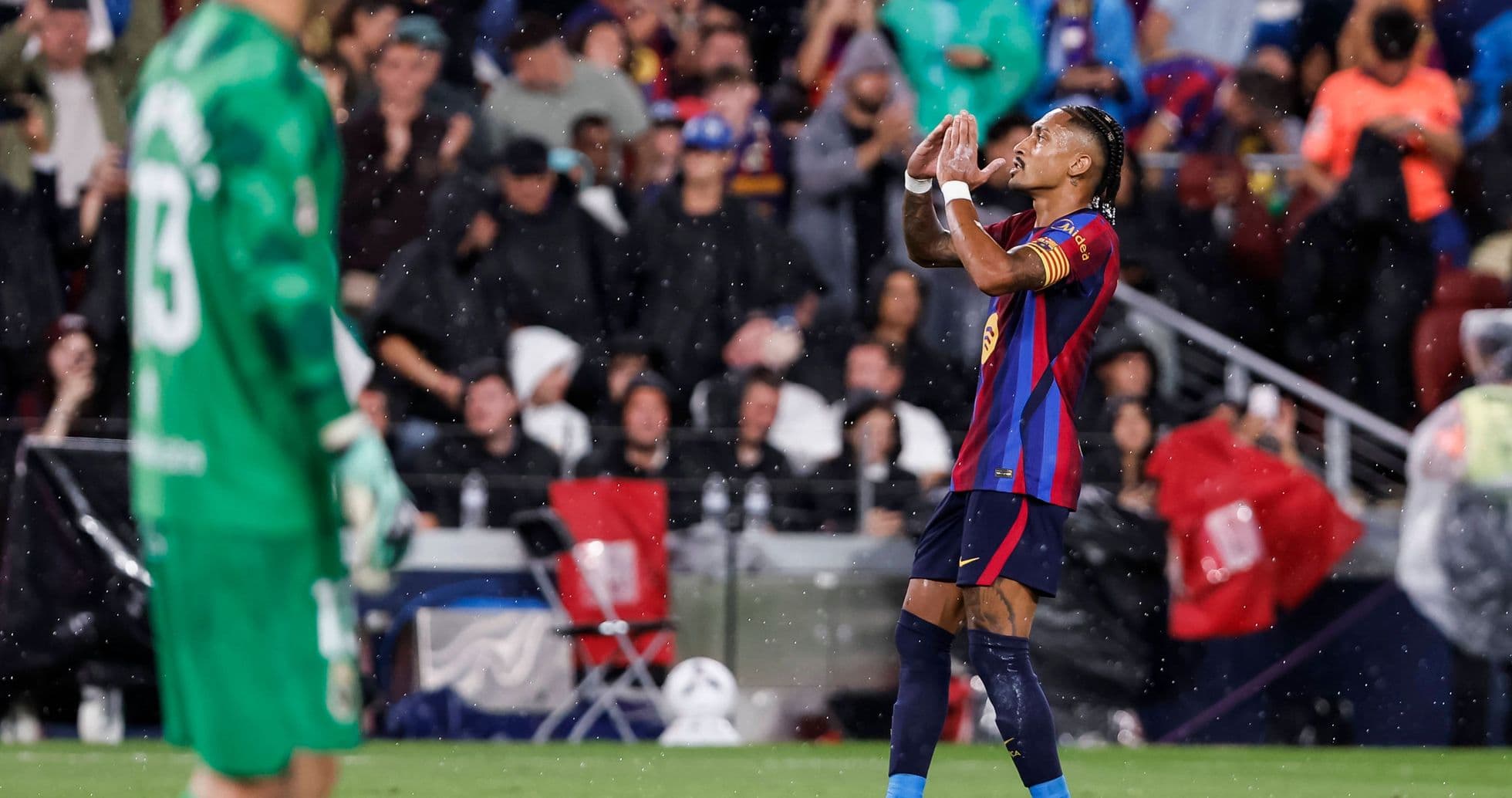
Raphinha's Hat-Trick Drives Barcelona to 7-2 Triumph Over Racing Santander
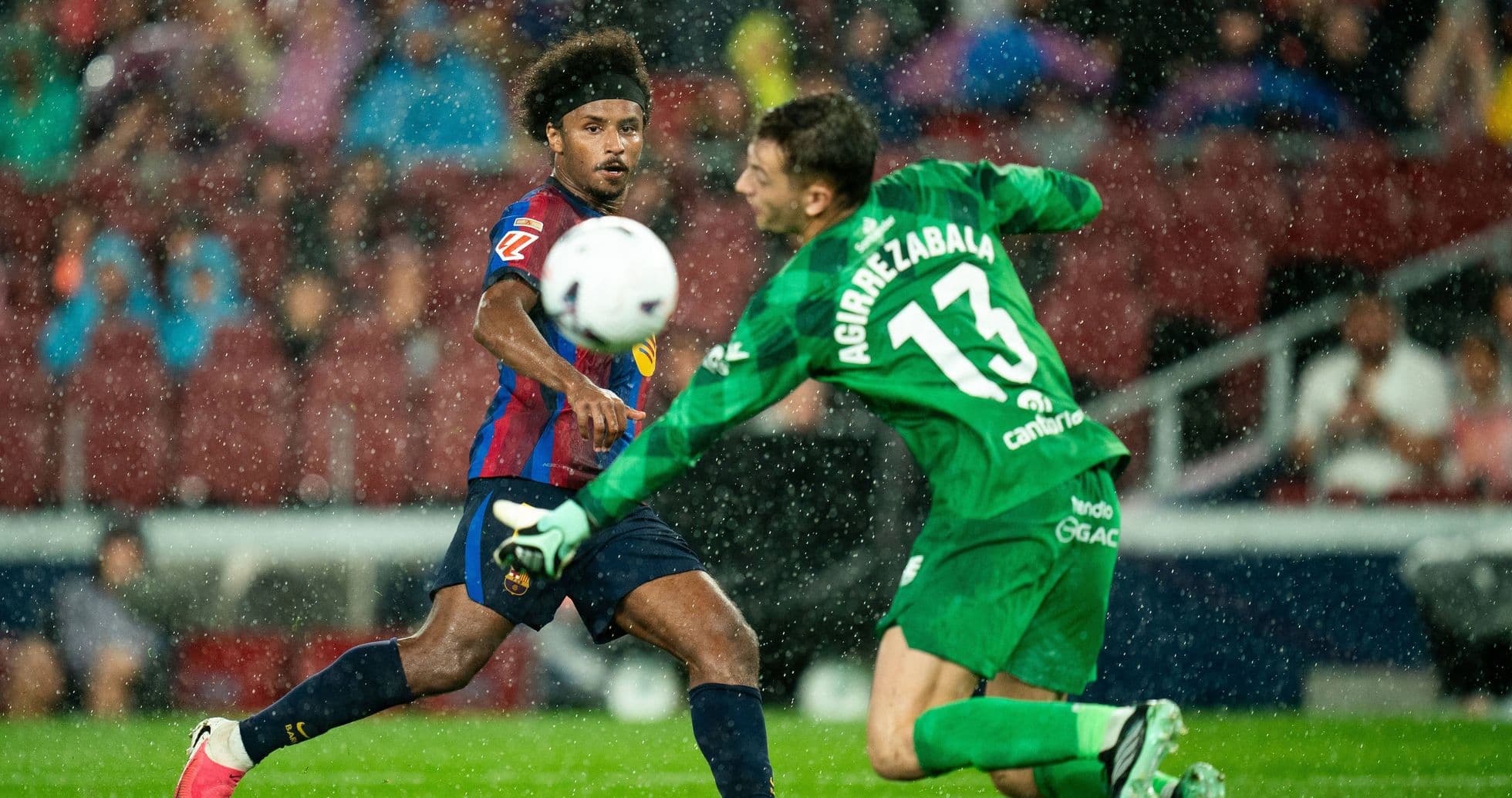
Hansi Flick Leads Barcelona to Record-Breaking Seven Wins in a Row
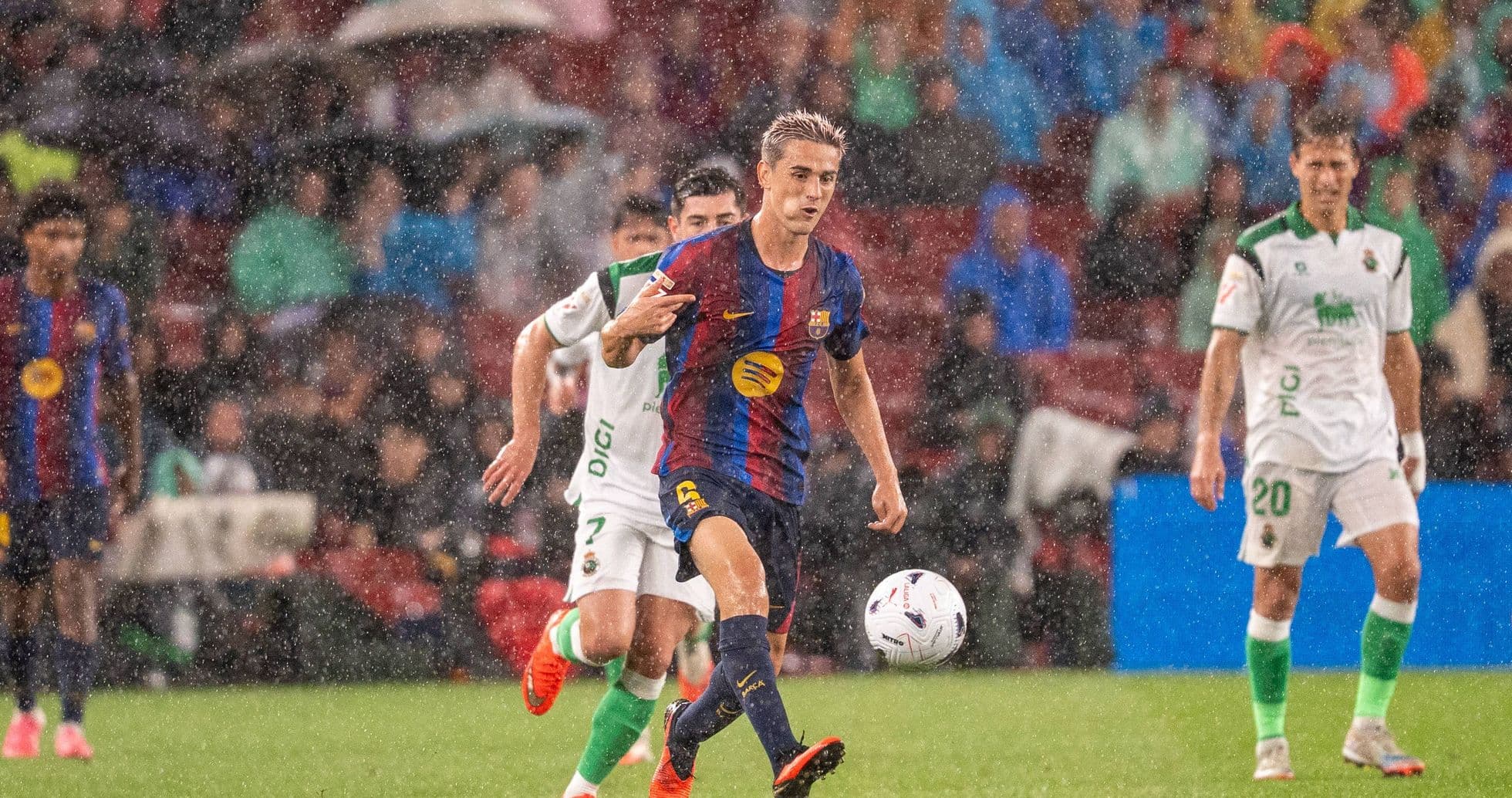
Gavi Reflects on Injury Return as Barcelona Dominate Racing Santander 7-2