
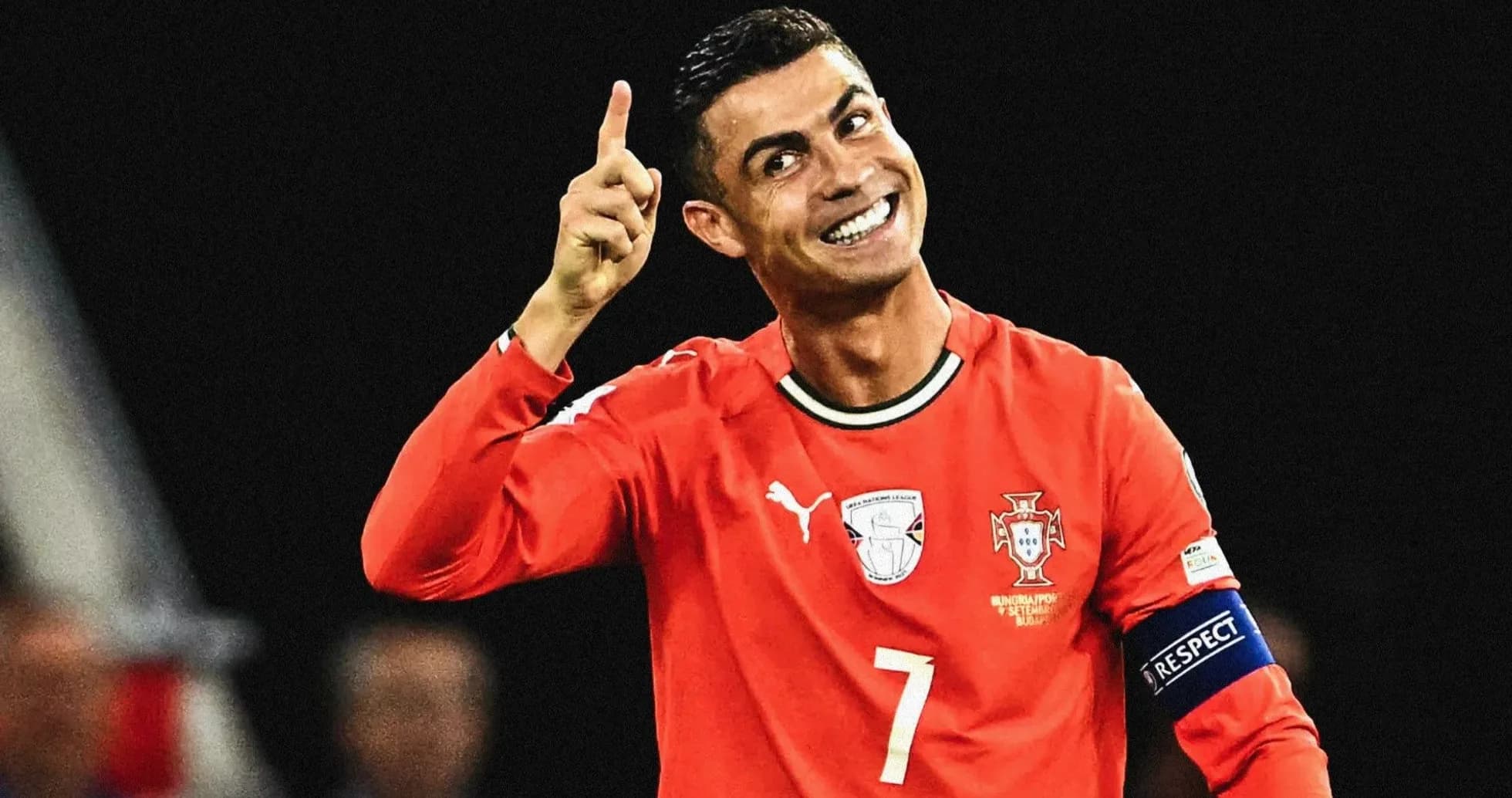
Cristiano Ronaldo's Future in Portuguese Football: What Lies Ahead?
As Portugal readies itself to co-host the 2030 World Cup, one question keeps cutting through the noise: will Cristiano Ronaldo still be on the pitch?
For Fernando Gomes’ successor at the Portuguese Football Federation, Pedro Proenca, the answer is brutally simple. Biology rarely loses.
Speaking at the Bola Branca Conference, the FPF president cooled the romantic notion of a 45-year-old Ronaldo leading Portugal into a home World Cup. From a physiological standpoint, he stressed, it would take something close to a miracle for the forward to stretch his international career that far.
“I'll say that, physiologically, a huge surprise would have to happen for him to be in another World Cup,” Proenca said, underlining the reality of time even for a five-time Ballon d'Or winner.
The European Championship is a different debate. There, Proenca pointed to football logic rather than sentiment. It will depend on the coach in charge, Ronaldo’s form at the time, and a range of technical factors. No guarantees, no farewell tours promised in advance. Just the same selection criteria that have always applied.
“With absolute certainty,” he insisted, “those who are the best players at the time will be in the national team.”
Yet when Proenca talks about Ronaldo, it quickly becomes clear that this is no ordinary player to be quietly phased out. He described a bond that now goes far beyond the team sheet. In his words, the brand of the Portuguese Football Federation and the brand of the national team are “intertwined” with the brand of Cristiano Ronaldo. Strip away the shirt, and the connection remains.
That is why, even as he acknowledges the end of Ronaldo’s playing days is edging closer, Proenca speaks about a different kind of future for the captain. A future in which Ronaldo still shapes Portuguese football—just from a different role.
“Cristiano Ronaldo will be whatever he wants to be in Portuguese football. I dare say that,” Proenca declared, framing the forward as an “absolutely extraordinary case” in terms of notoriety, influence and brand power. On the sporting side, he called Ronaldo a unique example of talent development in the country’s history.
The message was unmistakable: when Ronaldo finally hangs up his boots, the door to the national setup will be wide open. Technical role, ambassadorial role, strategic role—whatever he chooses. Not as a favour, but as a continuation of a relationship that has helped carry Portugal to a different level on and off the pitch.
For many supporters, the idea of moving beyond their greatest-ever player feels like stepping into the unknown. Proenca did not dismiss that emotion, but he refused to dramatize it. In his view, the transition must be treated as a natural stage, not a cliff edge.
“I say that you prepare yourself not by dramatizing it,” he explained. Ronaldo, he argued, will always be linked not just to the federation but to the country itself. That bond, he stressed, is permanent.
Behind the scenes, the FPF has been working to ensure that permanence is reflected in the institution, not just in the memory. Proenca highlighted a long-term effort to diversify revenue streams so that the federation does not live or die on qualification bonuses, one or two sponsors, or the presence of one or two star names.
The reality, though, is unavoidable: Ronaldo’s name still moves markets. His image still opens doors. Commercial partners still lean in when he is involved.
Proenca did not shy away from that truth. He admitted that there remains a strong appetite among sponsors to tie deals to the Ronaldo era. But he was equally keen to stress that the federation’s operating budget does not depend on whether the captain is in the squad list.
“Well, we certainly know how important Cristiano is,” he said. “I have to be honest and sincere, there's an appetite to propose contracts to the Portuguese Football Federation both with and without Cristiano.”
According to Proenca, the FPF’s revenues are already secured for the cycle that will inevitably include Ronaldo’s farewell. The institution, he argued, is prepared for the “natural and normal” process of his departure, determined to keep standards high even when the most luminous figure in its history finally steps aside.
Portugal will eventually walk into a major tournament without Cristiano Ronaldo. The federation’s president is adamant that, when that day comes, the country will not be starting from scratch—just beginning a new chapter still written in his shadow.
Related News
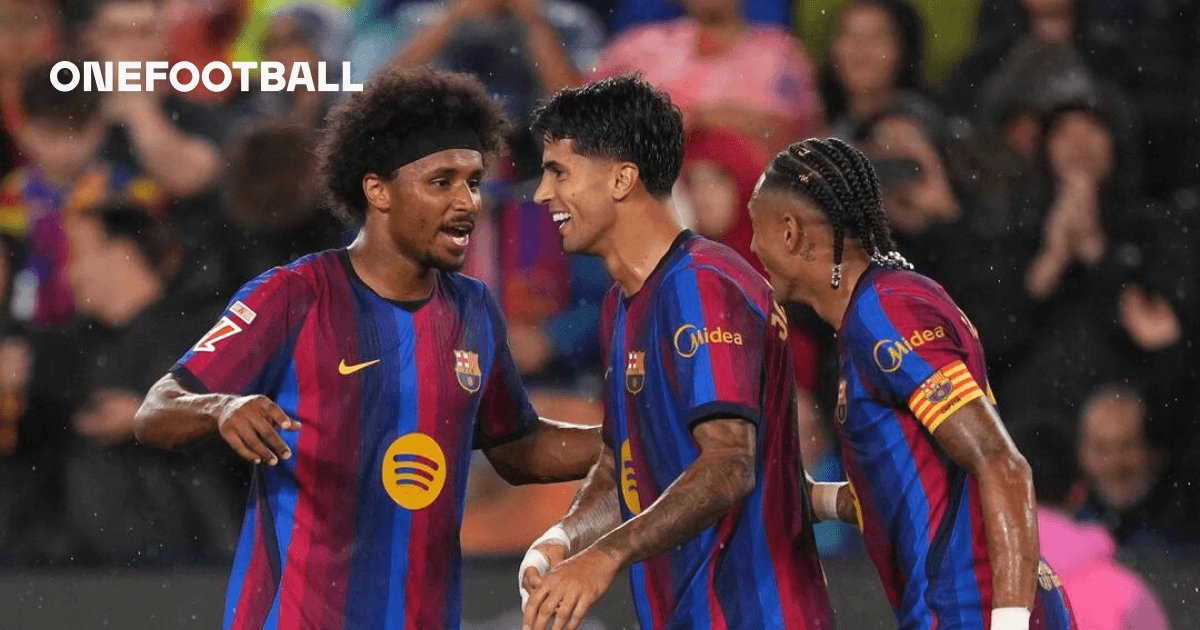
Raphinha’s Hat-Trick Powers Barcelona to 7-2 Victory Over Racing Santander
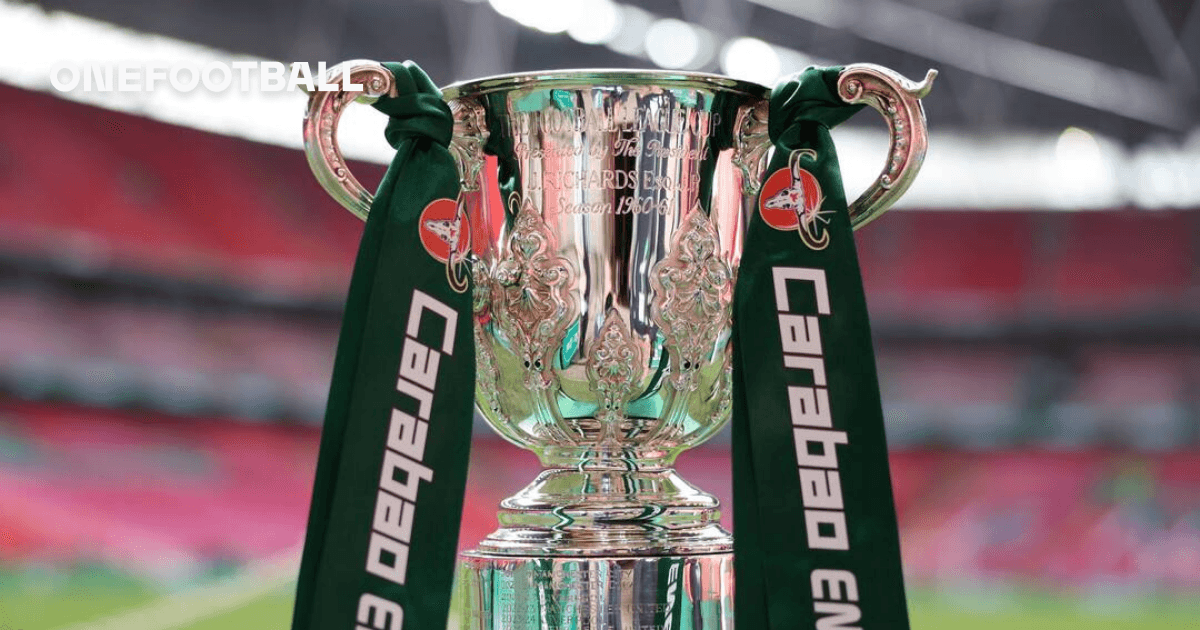
Carabao Cup Fourth Round Draw: Liverpool Set to Clash with Chelsea, Arsenal to Face Fleetwood Town
Key Football Matches to Watch in Azerbaijan This Autumn
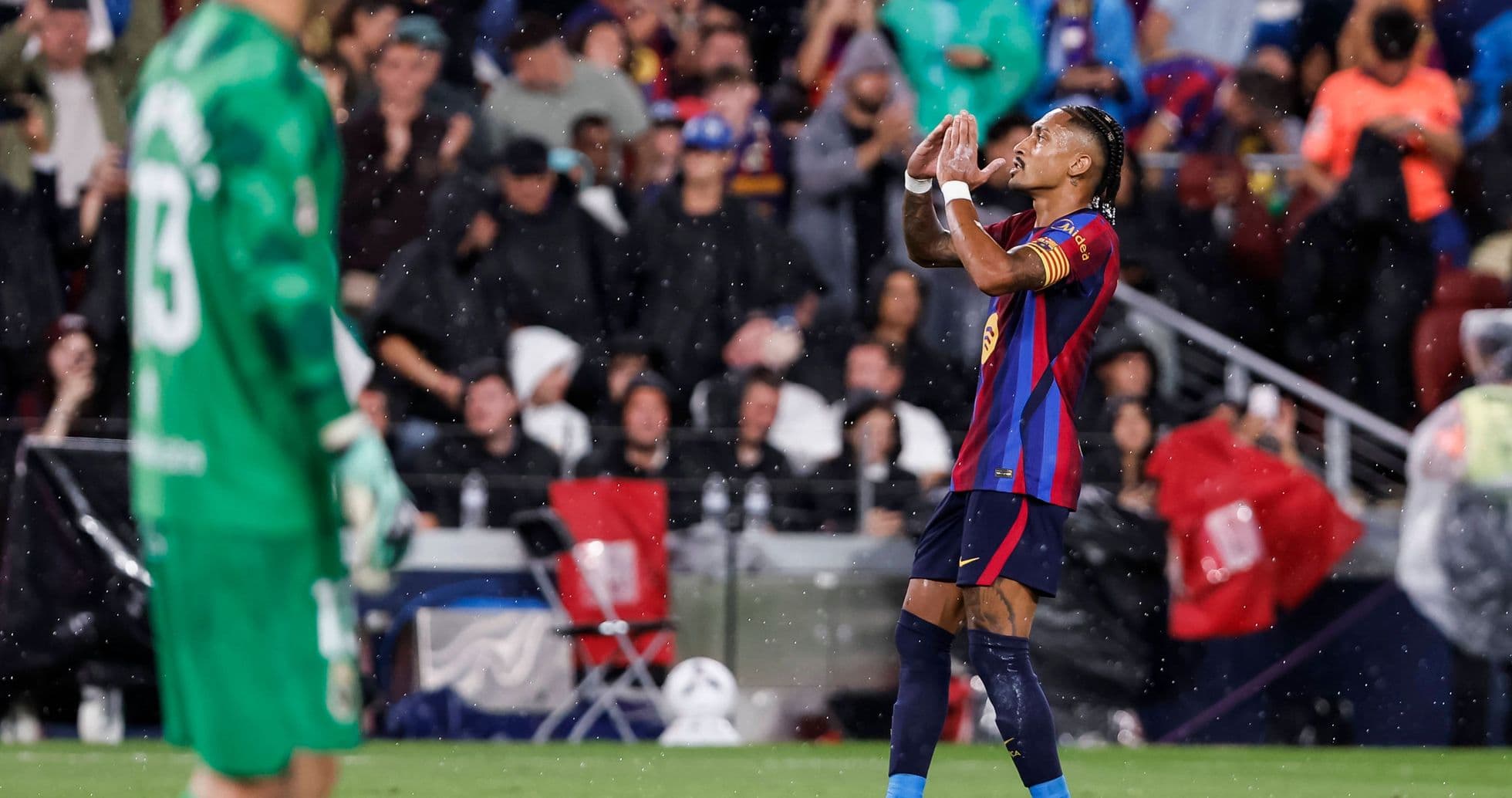
Raphinha's Hat-Trick Drives Barcelona to 7-2 Triumph Over Racing Santander
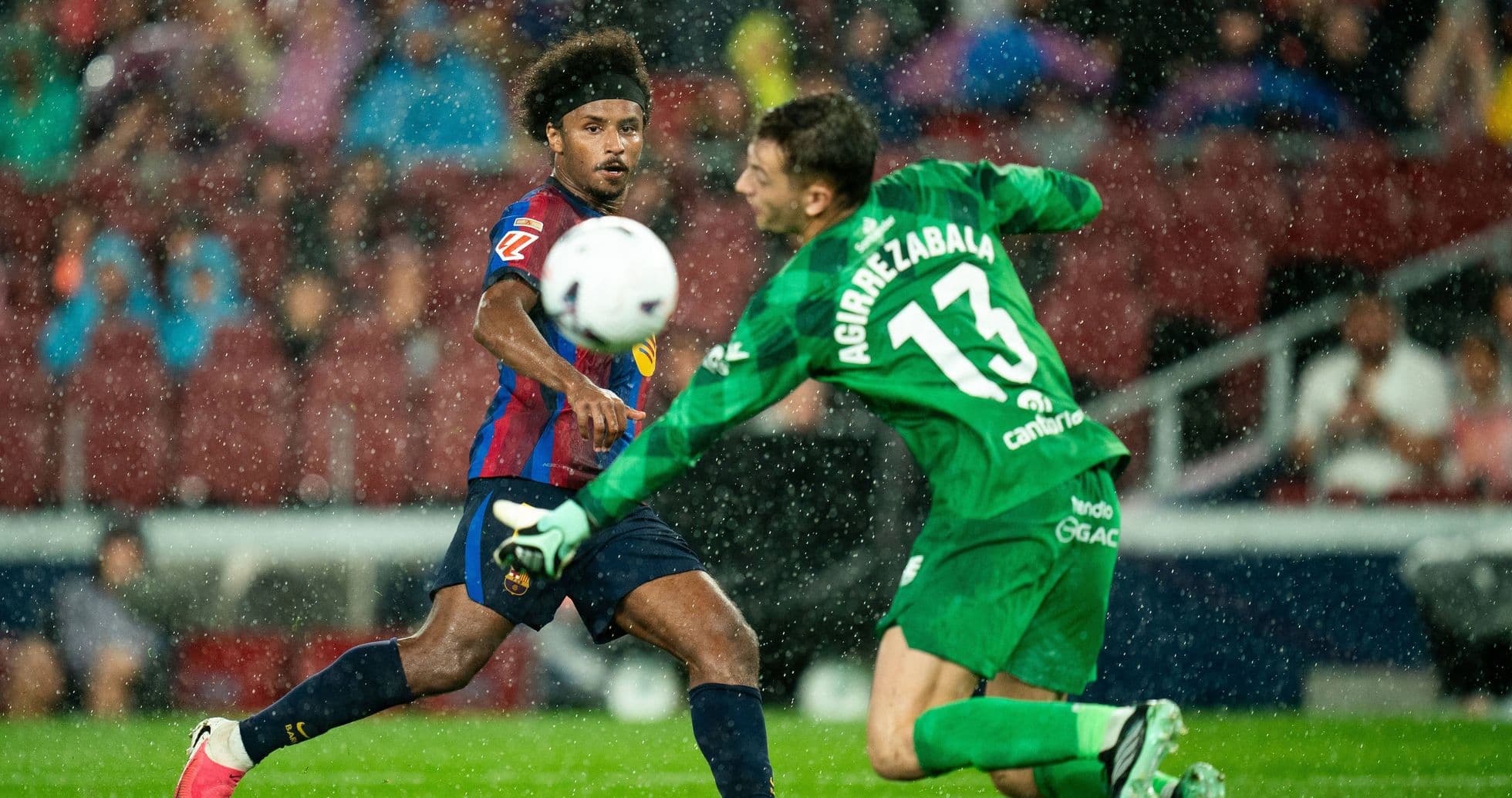
Hansi Flick Leads Barcelona to Record-Breaking Seven Wins in a Row
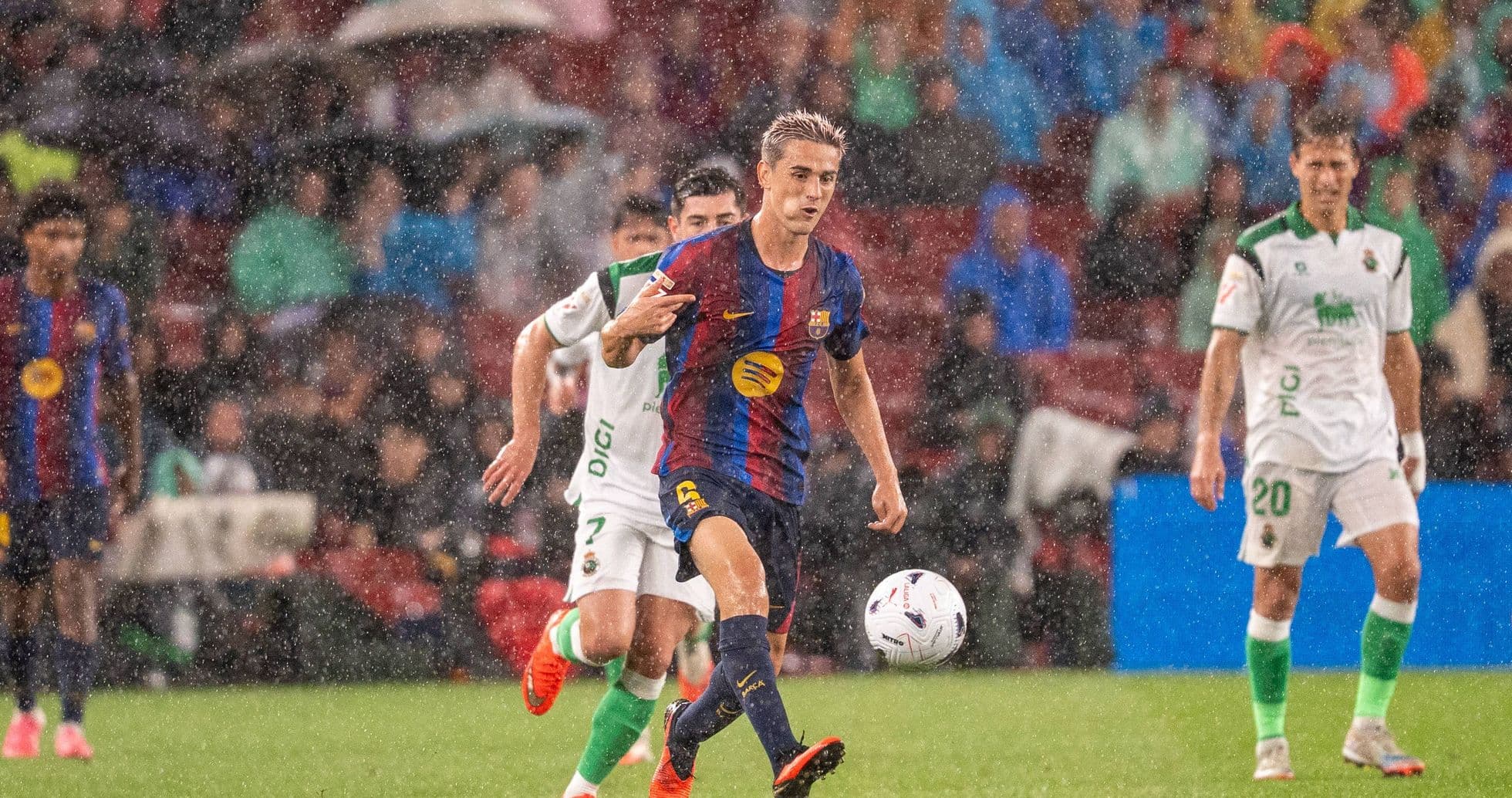
Gavi Reflects on Injury Return as Barcelona Dominate Racing Santander 7-2