
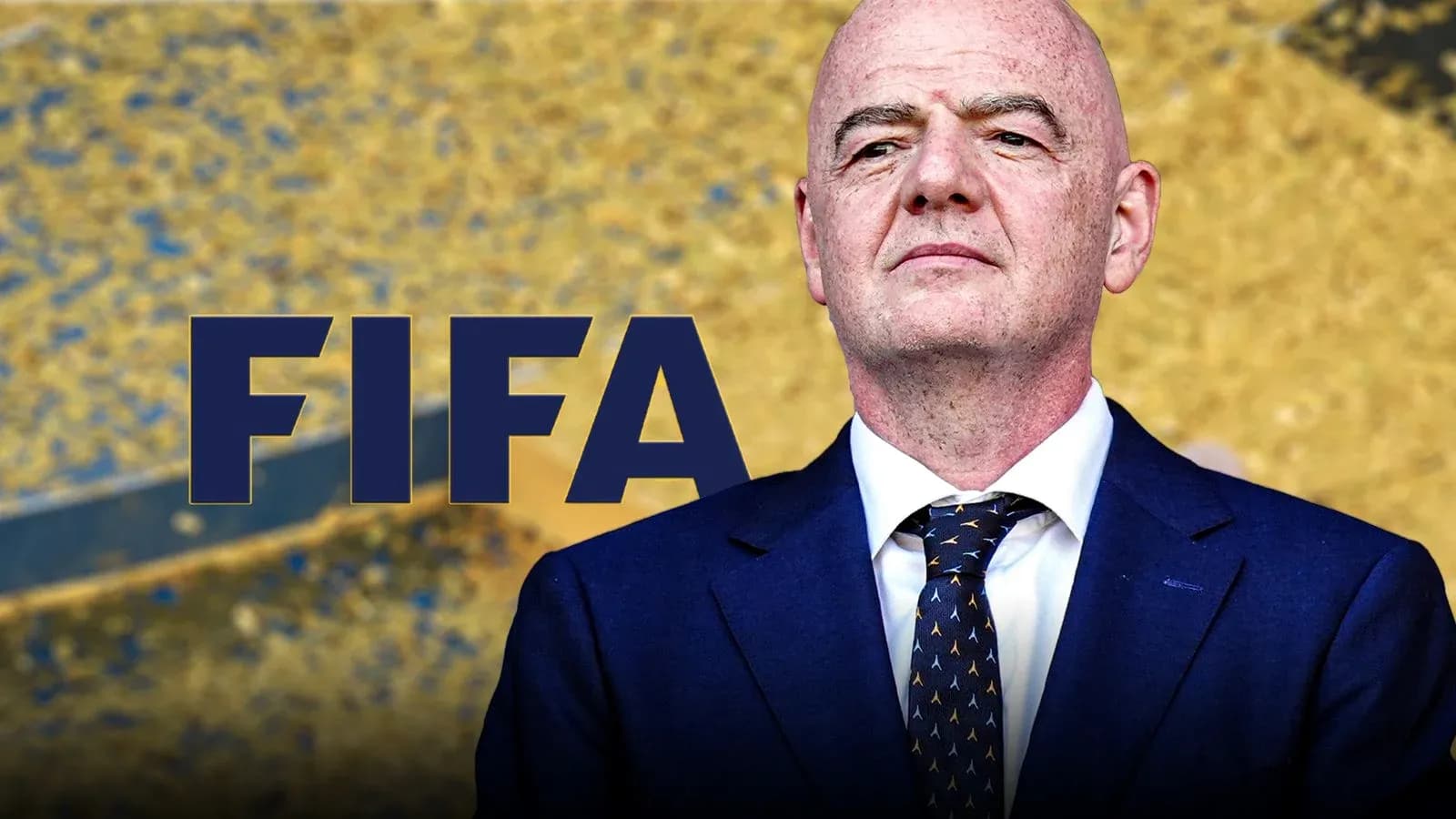
Carlos Cordeiro Resigns from FIFA Amid Power Struggle
Carlos Cordeiro has walked away from FIFA – and straight into the heart of the biggest power struggle world football has seen in years.
The senior advisor to FIFA president Gianni Infantino resigned in protest over plans to consult on selling stakes in a new World Cup commercial entity to private investors, a proposal that has already triggered open revolt from three of the game’s major confederations.
“I cannot stand by while FIFA considers selling a stake in the World Cup,” Cordeiro said in an exclusive statement to Sky News, delivering a blunt, public rebuke from inside Infantino’s own circle. “Let me be clear: I had no involvement in this proposal, and I oppose it unequivocally. It is a bad deal for FIFA's Member Associations, a bad deal for football, and a bad deal for the long-term future of the game.”
For a former banker and ex-president of the US Soccer Federation to break ranks so dramatically underlines how toxic this plan has become.
FIFA digs in as opposition hardens
In the early hours of Friday morning in Zurich, FIFA tried to seize back control of the narrative.
“Nobody is selling football,” its statement insisted, as it attempted to calm a storm that has escalated with remarkable speed this week. The governing body stressed that the proposed FIFA Forward Enterprise (FFE) is designed “solely” to give all 211 Member Associations a chance to “take meaningful ownership of the commercial opportunity of football” in their countries, while preserving “the spirit or the governance of FIFA or football itself”.
The message was clear: this is about sharing money, not selling the game.
But FIFA stopped well short of scrapping the plan. Instead, it doubled down on the process, saying it would “proceed with this consultation process to ensure that each MA has the ability to express its vote based on facts,” and blamed “incorrect media reports” for disrupting its rollout.
That line has landed badly.
By Thursday, UEFA’s 55 member associations had already declared a collective boycott of all FIFA competitions if the proposals remain on the table. Their language was stark: opposition “unanimous and unequivocal”, and a pledge that “no UEFA national teams will participate in any FIFA competition for so long as these proposals remain alive” unless the project is abandoned entirely and FIFA gives binding assurances it will never again open its governance or competitions to private ownership.
CONCACAF – representing 41 nations across North and Central America and the Caribbean – followed, saying it “rejected the proposal”. The Asian Football Confederation, long seen as a key Infantino power base, then joined the resistance and called for “an urgent review” of FIFA’s governance.
In raw numbers, confederations representing 143 of FIFA’s 211 member associations now stand against the project.
When Asia starts to peel away, the alarm bells in Zurich are impossible to ignore.
Infantino isolated as investor waits
At the centre of it all stands Infantino, who has publicly backed the FFE plan. Waiting in the wings is an investor group led by Thrive Eternal, founded by Joshua Kushner, brother of Jared Kushner, son-in-law of former US President Donald Trump. The group is poised to take a minority stake in the new commercial venture if it goes ahead.
The pitch to national associations has been simple: sign up, and the money will flow. Promises of huge returns have been dangled in front of federations that rely heavily on FIFA’s funding.
But the numbers only work if the World Cup remains the global behemoth it is now. A men’s and women’s tournament without Europe – and potentially without other rebel confederations – would be commercially unrecognisable. Any projected windfalls to smaller nations would evaporate.
Domestic and international leagues have also lined up against the scheme, wary that private investors would inevitably push for more tournaments, bigger formats and an even more congested calendar, with club football squeezed to breaking point.
The fear is simple: once you open the door to outside capital, the World Cup stops being purely a sporting event and becomes an asset to be sweated.
AFC turns, pressure rises
The intervention from the Asian Football Confederation may be the most politically significant blow yet to Infantino.
The AFC, which represents 47 nations, has been one of his strongest pillars of support since he beat its president, Sheikh Salman, in the 2016 FIFA presidential election. Its latest statement stops just short of calling for his resignation, but it challenges the very way FIFA is being run.
“The AFC believes this moment must become a catalyst for strengthening institutional reform,” it said, arguing that “meaningful democracy is not measured solely by the opportunity to vote. It begins with transparent governance, timely consultation, informed deliberation and genuine participation throughout the decision-making process.”
The message is pointed: FIFA’s leadership cannot simply present a near-finished project and call it democracy.
The AFC has urged FIFA to urgently review its governance and decision-making framework “to ensure that proposals of global significance are developed through proper consultation, meaningful engagement and appropriate oversight by FIFA's statutory bodies.”
Coming from a confederation that has consistently backed Infantino, that reads like a warning shot.
‘He’s in a hole and he needs to stop digging’
Inside the game, the sense is that Infantino has misread the room.
Sky Sports News’ Kaveh Solhekol described FIFA’s late-night statement as “desperate” and “tone-deaf”, and noted that it did not mention the president by name. “The way I read this is that this is a statement from Gianni Infantino; it's not necessarily a FIFA statement,” he said. “How many people inside FIFA actually agree with what he is doing?”
“He's in a hole and he needs to stop digging. He needs to start reading the room. He needs to start accepting the fact his power is starting to ebb away and he needs to start by apologising to football, to football fans all around the world – and he also needs to start apologising and explain himself to the confederations and the presidents of the 211 member associations.”
Solhekol also took aim at Infantino’s repeated attacks on the media. “What is this crazy obsession he's got? He seems to have picked it up from President Donald Trump, where he thinks it's a good idea to keep lashing out at the media. He seems to somehow think that is going to help him.”
He pointed out that detailed reporting by The Times and the Financial Times had been “completely and utterly accurate” and that, without it, “we wouldn't know the facts we know now.”
His conclusion was blunt: Infantino needs to change course, “wake up and fully understand the mess he has created for himself” and start saying sorry if he wants to save his presidency.
A presidency on the brink?
Infantino has survived crises before. From clashes over expanded World Cups to new tournament formats and political battles inside FIFA, he has repeatedly found a way through.
This time feels different.
“This is the biggest crisis he's faced – and it's all of his own making,” Solhekol said. He outlined the president’s apparent strategy: to present the furore as nothing more than a democratic consultation, a routine process in which 211 associations can calmly decide the fate of FFE. If they reject it, the line goes, then it was all just a “storm in a teacup”.
Others would advise a very different approach – a public apology, a period of low profile, and an attempt to ride out the storm before next March’s presidential election, where Infantino has previously been expected to stand unopposed.
“I’m not sure he can carry on down this road of blaming the media and carrying on with the consultation process,” Solhekol added. “I'm not sure he understands the strength of feeling against him – not just over this, but over lots of things he's done since he's been FIFA president.”
With UEFA, CONCACAF and the AFC now aligned against the plan, a senior advisor gone, and investors watching from the sidelines, Infantino’s grip on the World Cup’s future has never looked more fragile.
The consultation will go on. The question is whether his presidency can.
Related News
Raphinha’s Hat-Trick Powers Barcelona to 7-2 Victory Over Racing Santander
Carabao Cup Fourth Round Draw: Liverpool Set to Clash with Chelsea, Arsenal to Face Fleetwood Town
Key Football Matches to Watch in Azerbaijan This Autumn
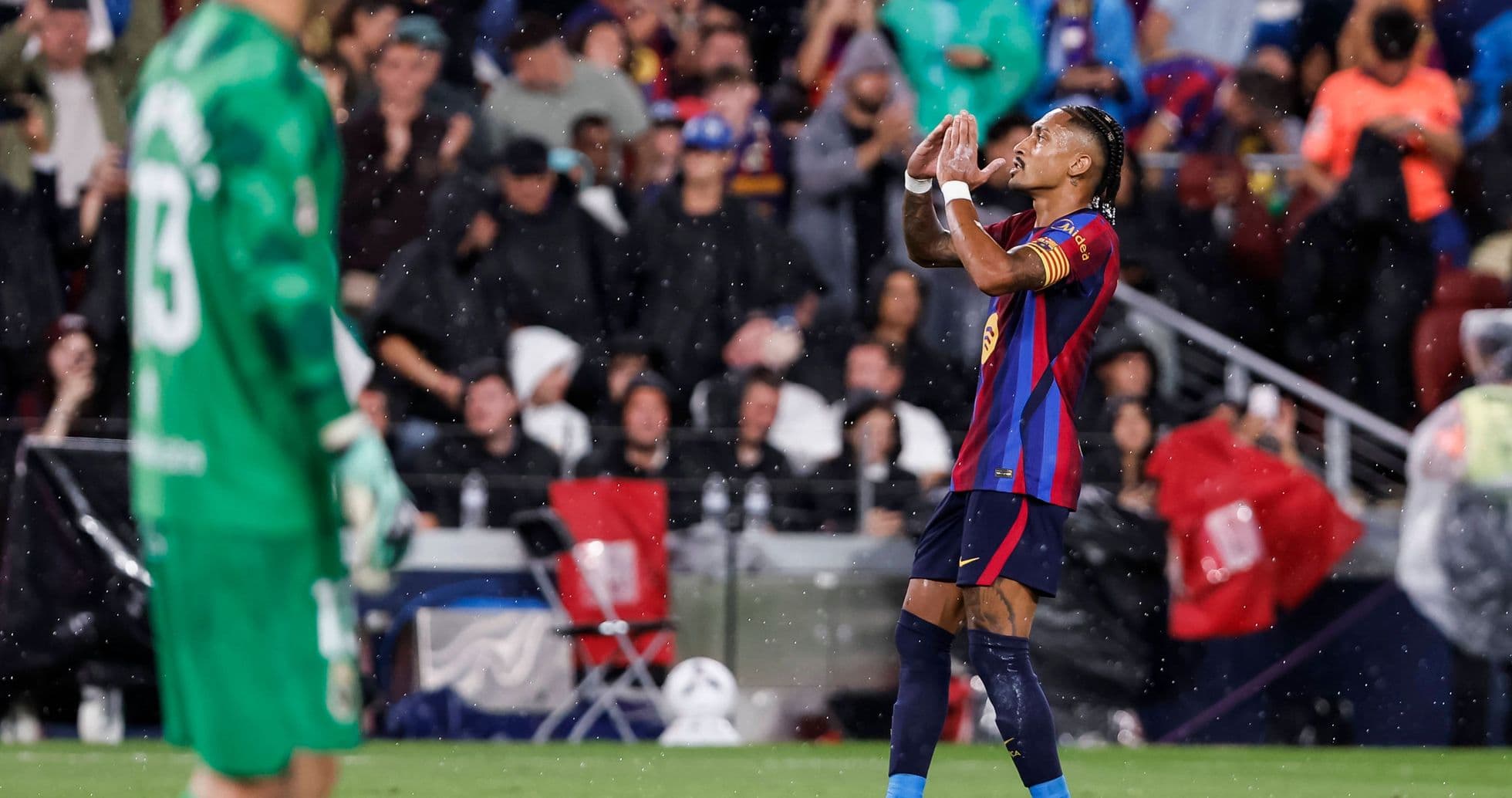
Raphinha's Hat-Trick Drives Barcelona to 7-2 Triumph Over Racing Santander
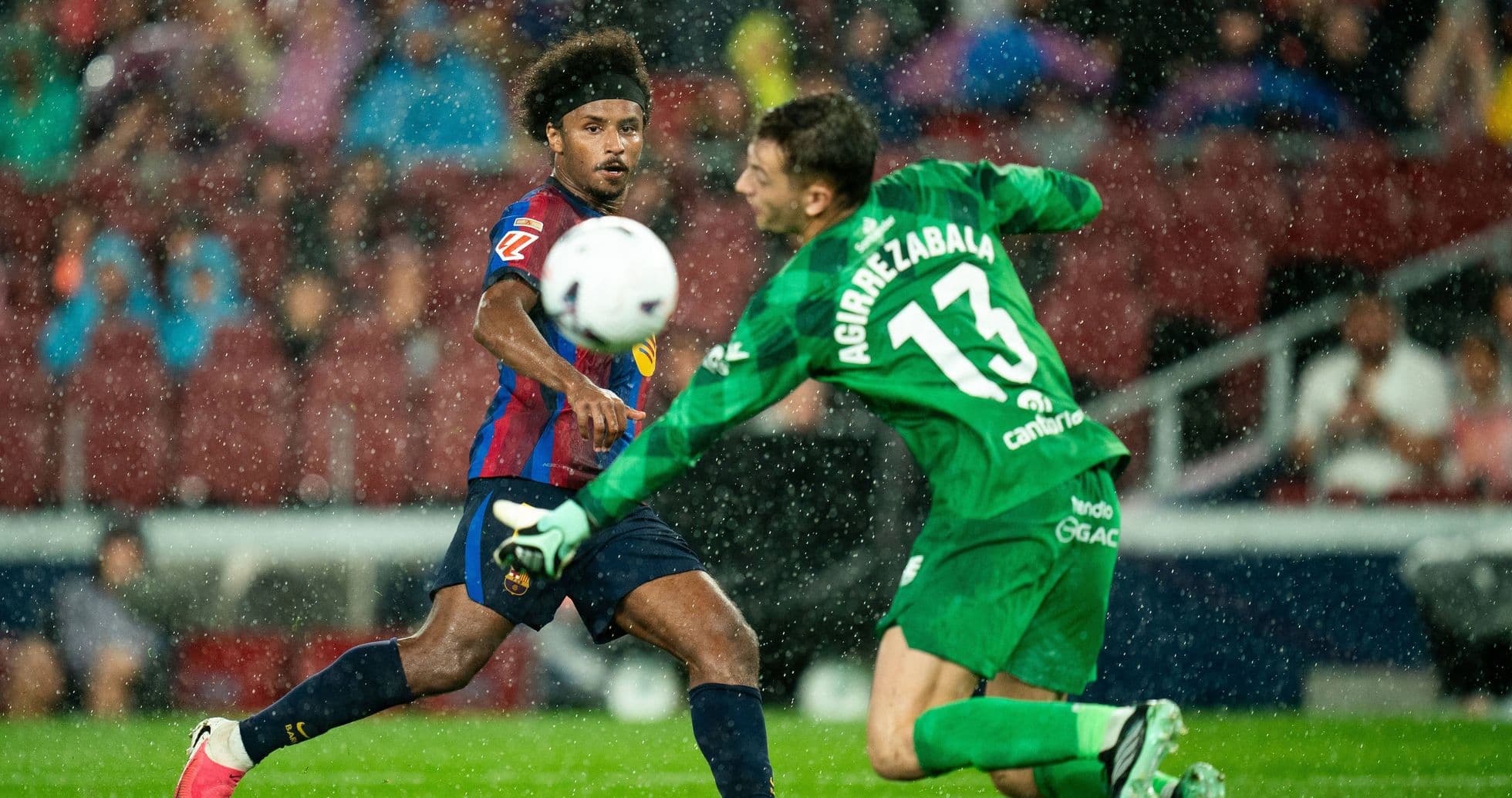
Hansi Flick Leads Barcelona to Record-Breaking Seven Wins in a Row
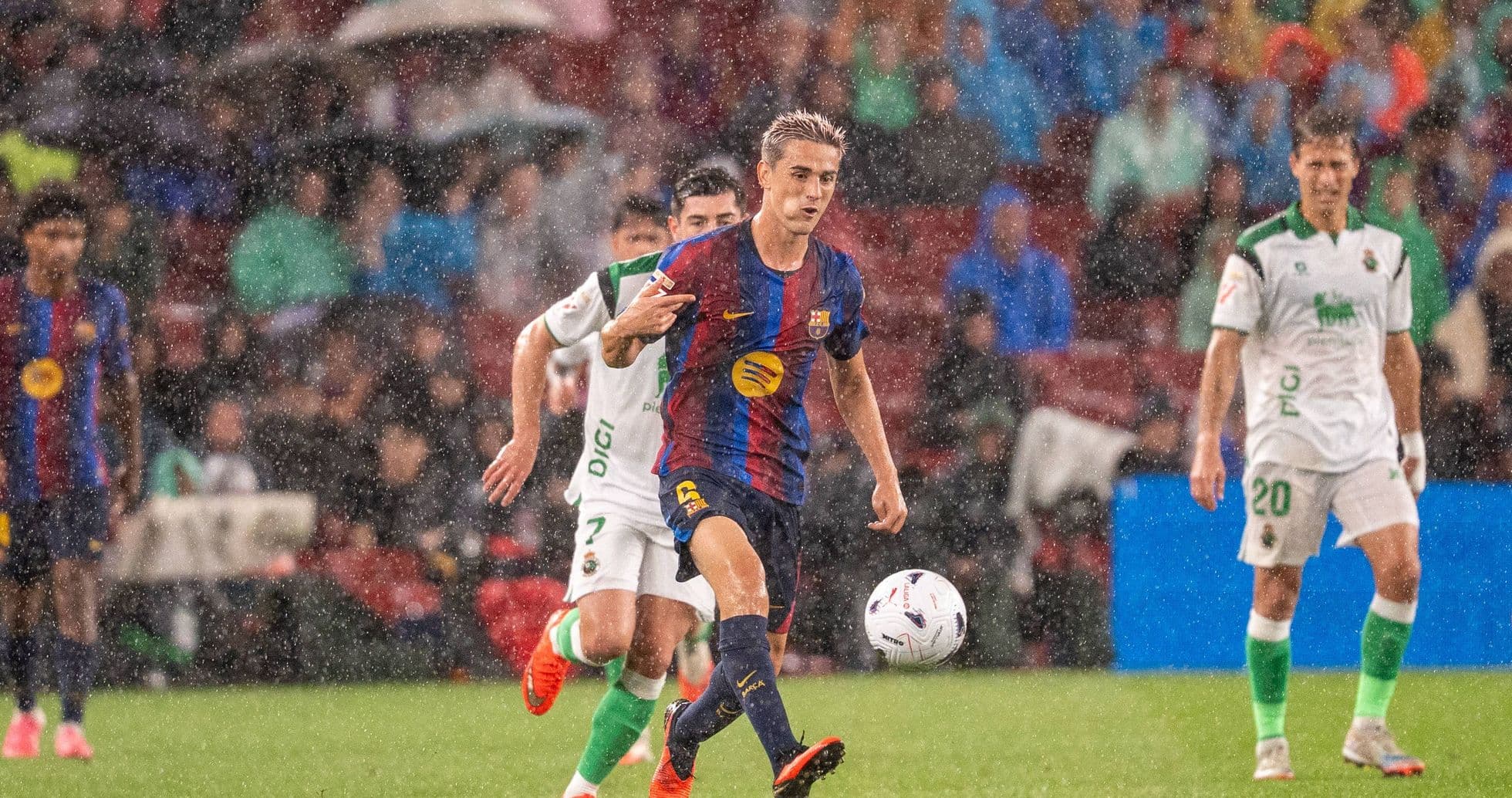
Gavi Reflects on Injury Return as Barcelona Dominate Racing Santander 7-2