
Christian Eriksen's Recovery After On-Field Collapse
Christian Eriksen is expected to leave hospital in the coming days after his latest on‑field collapse sent a fresh shockwave through Danish football.
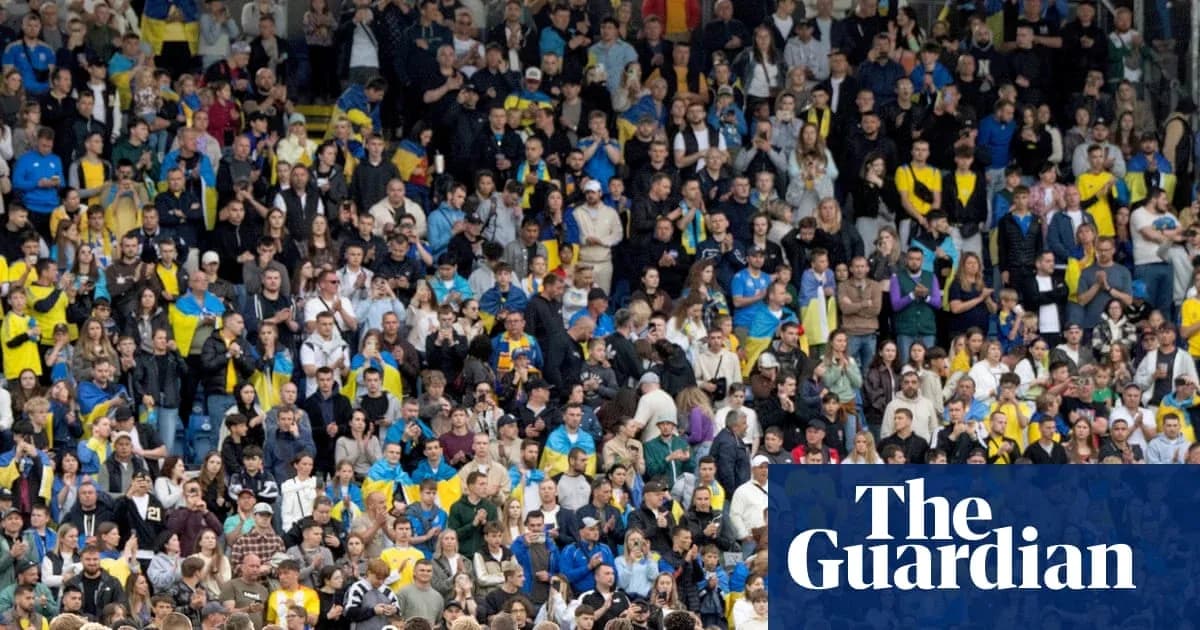
The 34-year-old midfielder went down during Denmark’s friendly against Ukraine in Odense on Sunday, clutching his chest in the 65th minute at Nature Energy Park. Television cameras caught him in clear distress before he fell, with players from both sides immediately signalling for medical help as the stadium fell silent.
The match, with Denmark leading 2-1, was halted and then abandoned as concern for Eriksen’s condition quickly eclipsed everything else. The images were chillingly familiar.
Five years on from his cardiac arrest at Euro 2020, when he required CPR on the pitch at Parken Stadium during Denmark’s 1-0 defeat by Finland, Eriksen again needed urgent treatment. Back then, he was fitted with an implantable cardioverter-defibrillator to allow him to resume his career, a decision that paved the way for his return to elite football with Brentford and Manchester United after his spell at Tottenham.
On Sunday, the fear returned. This time, though, the early news is reassuring.
The Danish Football Union (DBU) announced on Sunday that Eriksen was “conscious and doing well”, and that cautiously optimistic tone was strengthened on Monday. National team doctor Morten Boesen, the same physician who helped save Eriksen’s life at Euro 2020, confirmed that the midfielder’s condition had stabilised.
“I spoke with Christian this morning, and he is doing well. He is with his family and in good spirits,” Boesen said in a statement via DBU. “The expectation is that he will be discharged soon and can return home. We are taking good care of the players and staff and remain in regular contact with them.”
Boesen confirmed that Eriksen had been taken to hospital for further tests after briefly losing consciousness on the pitch. Those examinations will be key in determining the next steps for a player whose career has already defied medical odds once.
On the touchline and in the stands, the human cost of the incident was obvious. Denmark head coach Brian Riemer admitted that, once the seriousness of the situation became clear, football no longer mattered.
“Christian Eriksen waved to his teammates as he left the pitch,” Riemer said. “A few minutes before he fell ill, he had had a tussle with Ruslan Malinovskyi and I thought that was why he looked so distressed, but I was wrong. From that moment on, neither I nor the players on the pitch could have carried on with the match.”
That brief wave, as Eriksen was taken away for treatment, offered a sliver of relief to teammates who had lived through the trauma with him once before. Many of them stood frozen, others in tears, as memories of Parken came flooding back.
Back then, the story became one of remarkable recovery: a pacemaker fitted days later, a carefully managed return, and a second act few thought possible. Now, with Eriksen once again undergoing tests and evaluation, the question returns, sharper than ever.
How many times can a player push back against the limits of the body and still write his own ending?
Related News
Raphinha’s Hat-Trick Powers Barcelona to 7-2 Victory Over Racing Santander
Carabao Cup Fourth Round Draw: Liverpool Set to Clash with Chelsea, Arsenal to Face Fleetwood Town
Key Football Matches to Watch in Azerbaijan This Autumn
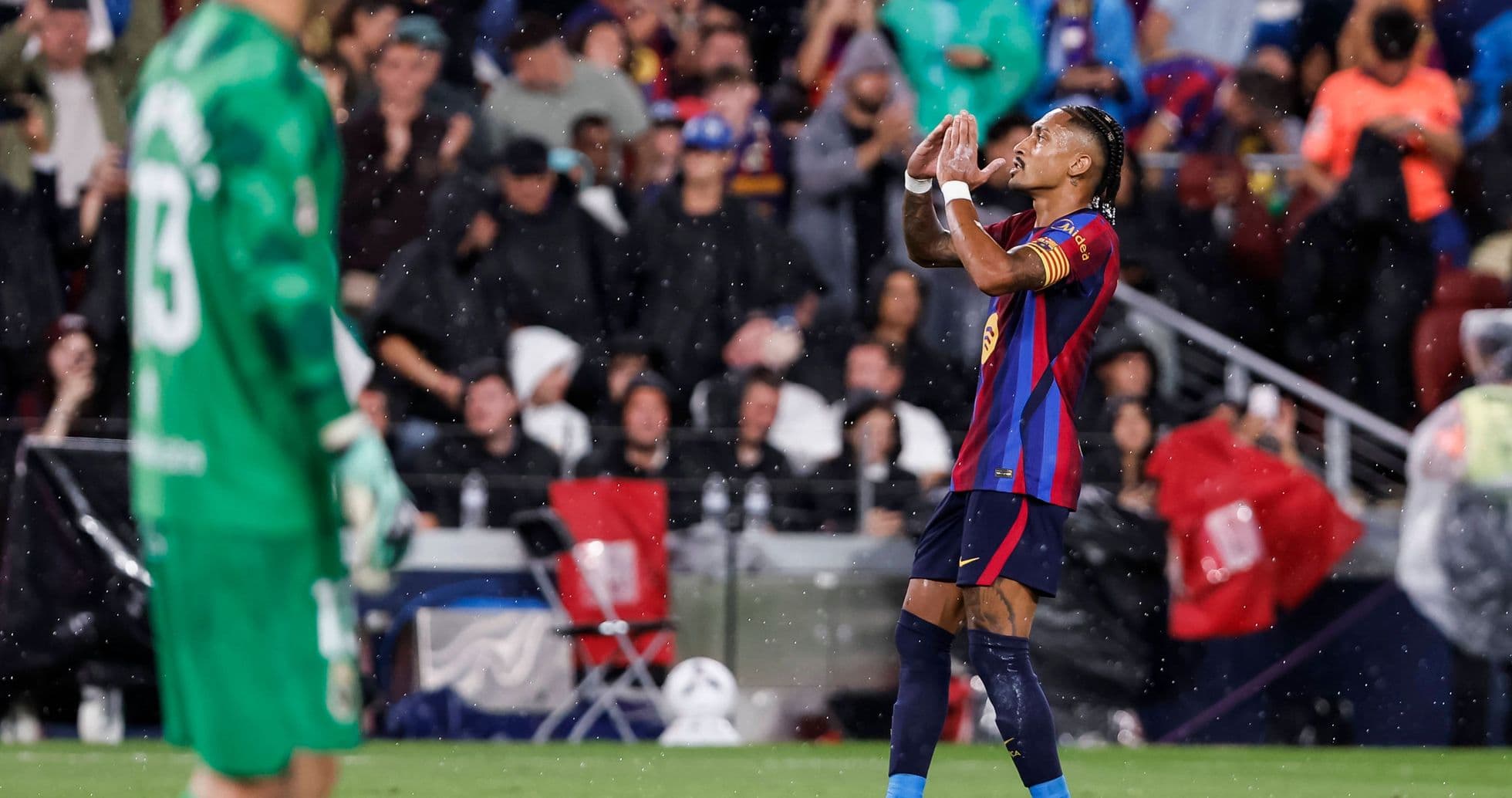
Raphinha's Hat-Trick Drives Barcelona to 7-2 Triumph Over Racing Santander
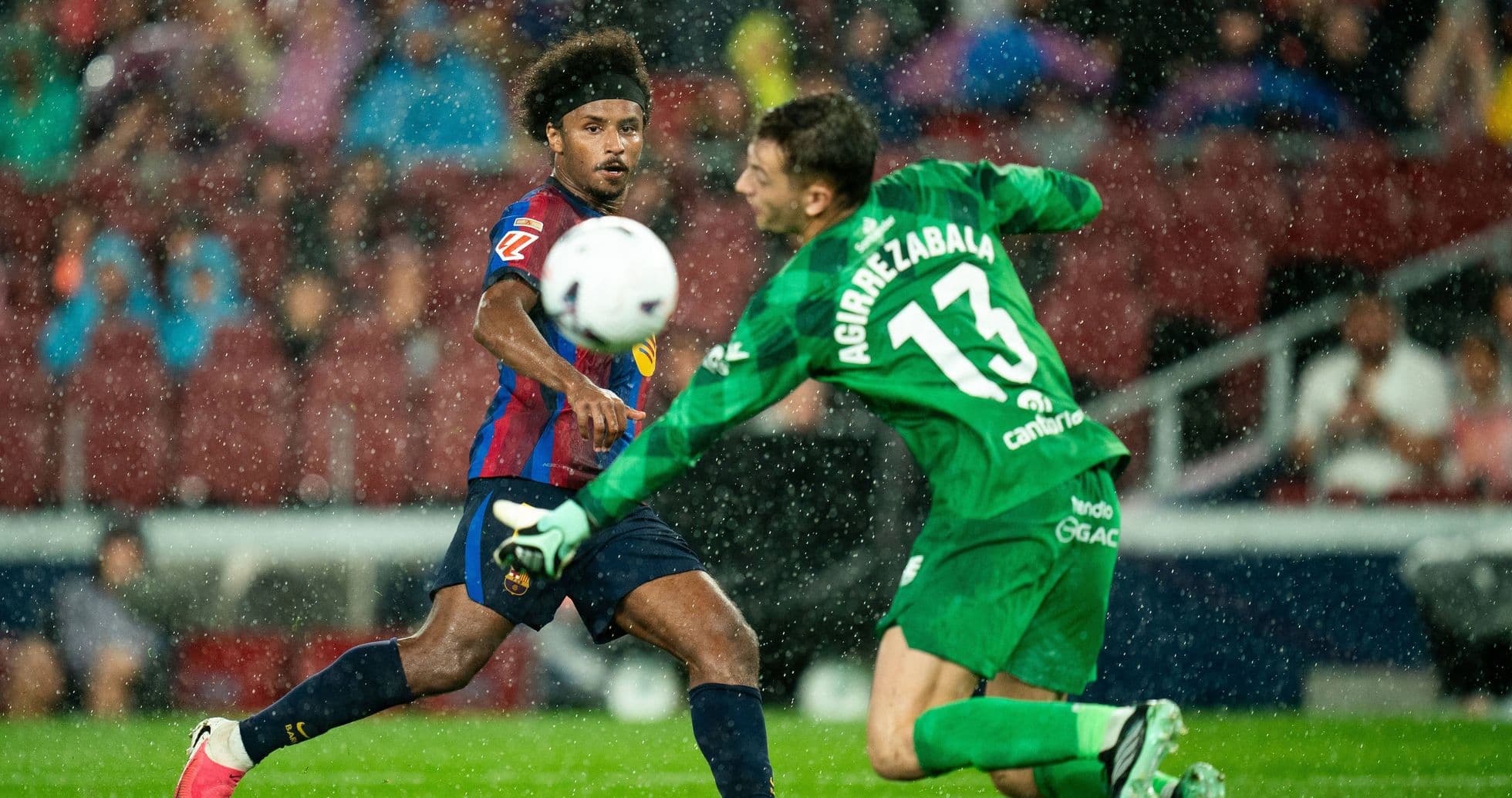
Hansi Flick Leads Barcelona to Record-Breaking Seven Wins in a Row
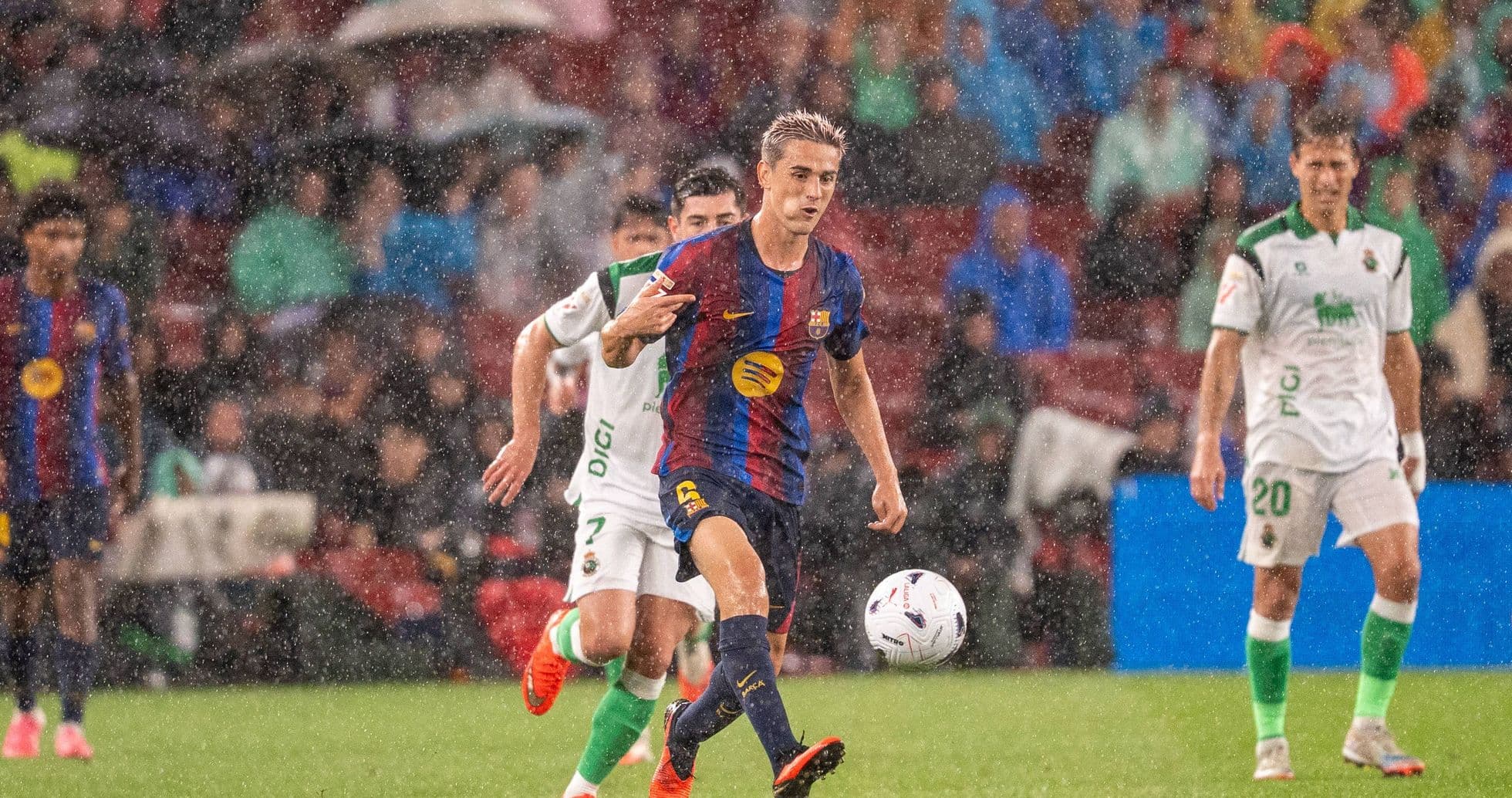
Gavi Reflects on Injury Return as Barcelona Dominate Racing Santander 7-2