
Chelsea's Barco Gamble: A New Era in Xabi Alonso's Squad
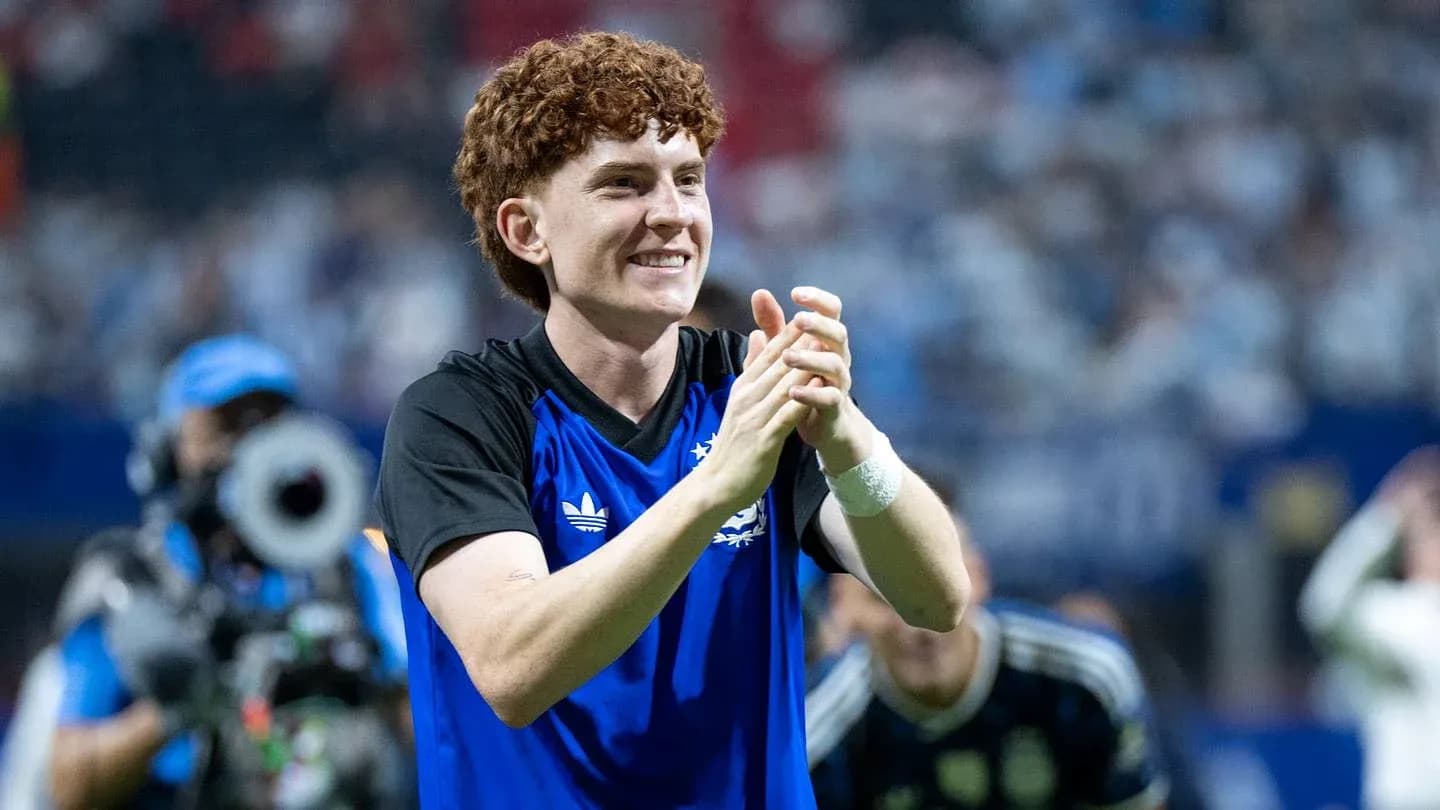
Chelsea finally made it official on Sunday. Valentín Barco, the red-haired livewire who once floundered at left back for Brighton, is now a Blue—signed from Strasbourg after a transfer four months in the making.
On paper, it looks simple: a talented, versatile 22-year-old joins a squad being reshaped under Xabi Alonso. In reality, this is a move that belongs to a different Chelsea, a different power structure, and perhaps a different plan.
A Signing From the Old Regime
Alonso has been clear since he walked through the door: he wants more control, especially in midfield. He pushed hard for Sunderland’s Granit Xhaka, then got Brentford veteran Jordan Henderson over the line. Those are his players, his calls, his fingerprints.
Barco is not.
This deal traces back to early April, when Liam Rosenior still occupied the Stamford Bridge dugout. Reports at the time suggested Chelsea and Barco had already shaken hands on a summer switch. By May, just two days after Alonso’s appointment, Barco was already saying his public goodbyes to Strasbourg, even though Chelsea had yet to announce anything.
The timing tells its own story. While Alonso may have been consulted late in the process, this is clearly a recruitment-department production—driven by co-sporting directors Paul Winstanley and Laurence Stewart, along with recruitment figures Joe Shields and Sam Jewell.
That group has lived under a harsh spotlight. Years of lavish spending, a revolving-door squad and very little to show for it on the pitch have eroded trust among supporters. Alonso’s arrival, and with it a rebalancing of power in his favour, brought a sense of relief. Barco, though, feels like one last echo of the old way of doing business.
The Player Behind the Perception
Strip away the politics and you’re left with a straightforward truth: Barco can play.
Many Premier League fans remember the Brighton version—the teenager thrown in at left back in 2023–24, exposed over seven appearances and quickly filed away as “not ready.” That memory lingers, but it no longer defines him.
Strasbourg changed the picture. Since arriving there in early 2025, Barco has operated as a do-it-all midfielder, asked to knit together attacks and shield the back line in equal measure. It’s a demanding role, one that requires energy, bite and intelligence. He handled it. Consistently.
A big move always felt inevitable. Whether it was going to be Chelsea or someone else was almost a detail.
The cynics have already spoken. Under the BlueCo umbrella, Strasbourg has become a feeder of sorts, and some will argue Chelsea have snapped up Barco simply to keep control of an appreciating asset, to move a piece on a corporate chessboard and inflate a future fee.
But the performances justify the step up. At 22, Barco has earned another crack at the elite level, not just a speculative punt.
Where Does He Fit Alonso’s Chelsea?
Barco’s biggest selling point is his flexibility. As a teenager, scouts and coaches framed him as the modern full-back prototype: a left back who could drift inside, help build play and overload midfield. The inverted defender everyone wanted.
The player who arrives at Stamford Bridge now looks different. He’s more naturally a midfielder who can slide to the left when required, not the other way around. That shift matters.
In a squad where roles are still being carved out under a new manager, a player who can cover at least two positions at a high level is gold. The current campaign won’t be clogged by European fixtures, so the squad won’t be stretched in the way Chelsea hope it will be in 2027–28. That’s when Barco’s presence could truly bite—two games a week, injuries, suspensions, tactical tweaks. A manager needs pieces he can move.
But this is where the tension sits. Alonso has already targeted the exact areas where Barco looks strongest. Henderson arrives to bolster the midfield. At left back, Chelsea are closing in on Rayo Vallecano’s Pep Chavarría, a player specifically requested by Alonso.
So how does he profile Barco? Is he a rotation midfielder, a hybrid option off the bench, a developmental project, or a player who ends up shuttled around without a defined home?
The answer will say a lot about how much Alonso is willing—or forced—to bend to signings he didn’t drive.
The Strasbourg Pipeline Problem
Barco is the third player to walk the now-familiar path from Strasbourg to Chelsea. The track record is, at best, uneven.
Mamadou Sarr was the first headline case in 2025. The young centre back arrived, played at the Club World Cup, then went straight back to Strasbourg on loan. He thrived there, wore the armband, and looked every inch a long-term leader.
Then came the twist. When Rosenior took charge at Stamford Bridge in January, he asked for a new centre back. Chelsea responded by terminating Sarr’s loan and bringing him back immediately.
The logic? Still unclear.
Sarr logged fewer than 300 minutes over the next five months. He drifted out of matchday squads, an afterthought rather than a cornerstone. A key player and captain in France, barely a squad option in London.
Next up was Emmanuel Emegha. Chelsea confirmed the striker’s move in September 2025, and he joined Alonso’s squad this summer. Before he had time to settle, reports already linked him with an exit.
He now sits in a crowded room. João Pedro, Nicolas Jackson and Liam Delap are all fighting for minutes. Behind them, 17-year-old Dastan Satpayev has impressed in preseason and will join permanently once he turns 18 later this month. Emegha’s margin for error looks razor-thin, and Chelsea are said to be listening to offers.
Into that uncertainty steps Barco—another Strasbourg export, another asset, another question mark.
A Test of Vision and Nerve
Barco’s arrival is not just about a new face in midfield or at left back. It is a test case.
Can Chelsea finally align their multi-club model with the needs of the first team? Can Alonso mould a player he did not choose into a meaningful part of his project? Or does Barco become the next name on a growing list of talented but mismanaged signings, shuffled between squads and systems without ever truly belonging?
For now, all anyone can say with certainty is this: Barco has earned his shot. The rest depends on whether Chelsea have finally learned how to use what they buy.
Related News

Raphinha’s Hat-Trick Powers Barcelona to 7-2 Victory Over Racing Santander

Carabao Cup Fourth Round Draw: Liverpool Set to Clash with Chelsea, Arsenal to Face Fleetwood Town

Key Football Matches to Watch in Azerbaijan This Autumn

Raphinha's Hat-Trick Drives Barcelona to 7-2 Triumph Over Racing Santander
Hansi Flick Leads Barcelona to Record-Breaking Seven Wins in a Row

Gavi Reflects on Injury Return as Barcelona Dominate Racing Santander 7-2