
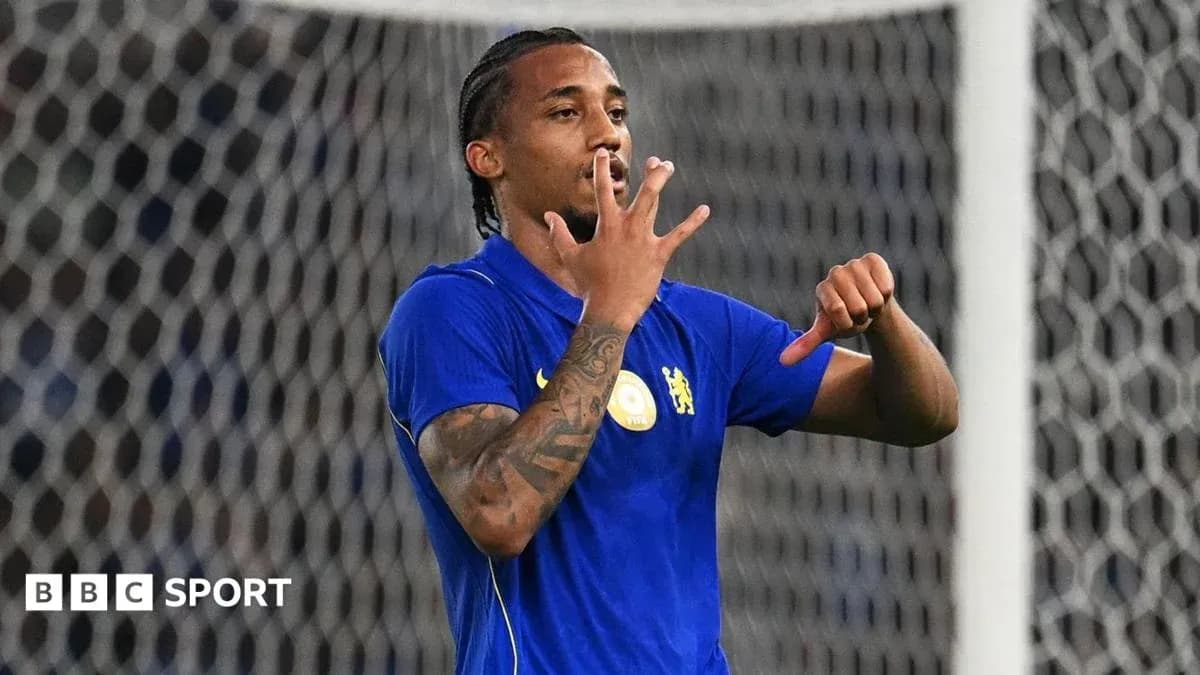
Chelsea's Transfer Dilemma: Balancing Talents and Ambitions
In Jakarta, under the humid evening sky and the glare of a global audience, Chelsea led AC Milan 1-0 at half-time. Luka Modric, who had dictated much of Milan’s rhythm in the first 45 minutes, stayed rooted to the bench as the players emerged for the second half. His night, it seemed, was over. Chelsea’s bigger story, though, stretches far beyond a pre-season scoreboard.
Because while one match plays out in Indonesia, another battle is raging in west London: a fight with numbers, balance sheets and a squad list that reads like a small tournament.
A decade of excess, a new kind of gamble
Chelsea’s habit of hoarding talent is nothing new. It began in the Roman Abramovich era, when the club turned the transfer market into its personal playground, collecting players and sending them on loan across Europe in conveyor-belt fashion.
The ownership change in 2022 did not slow that instinct. It reshaped it.
Todd Boehly and Clearlake Capital arrived with a different type of plan: younger players, longer contracts, lower wages. Assets that could be moved quickly, traded aggressively, and – crucially – amortised over time. The spending has been staggering. Since BlueCo took control, Chelsea have poured around £1.8bn into recruitment, more than any other club on the continent.
But this is not just a story of money going out. The club has raised close to £1bn in sales over the same period, including a Premier League record of about £300m in a single window. No one in Europe has matched that churn.
This is not the financial muscle of Manchester City or Real Madrid, powered by vast commercial empires and global sponsorship deals. Chelsea sit at the bottom of the traditional ‘big six’ in terms of revenue. Stamford Bridge, for all its history, is small. Commercial deals have lagged behind rivals. The Adidas kit agreement has not kept pace with the market. There is no front-of-shirt sponsor. Champions League football has been missing in three of the past four seasons.
The gap has to be filled somehow. At Chelsea, the answer is player trading.
Brighton’s model, Chelsea’s scale
In many ways, Chelsea are trying to do on a grand scale what Brighton, Brentford and Bournemouth have built more quietly: identify value, develop it, sell at a profit, repeat. The difference is ambition. Those clubs aim for stability and smart overachievement. Chelsea’s target is trophies and a permanent seat back at the Champions League table.
That ambition has a cost. It leaves them, once again, with a squad bloated beyond reason.
As the transfer window ticks towards its close, Chelsea have 41 senior players on their books. Forty-one. With 25 days left to solve it.
There is no European football this season, no Thursday nights to soak up minutes for fringe players. Every training session, every team meeting, every matchday will be a test of how Xabi Alonso manages not just tactics, but egos and frustration.
Alonso’s first big test: cut 41 down to 25
Alonso knows the numbers are unsustainable. While the rules allow some flexibility – under-21 and homegrown regulations mean Chelsea can technically register far more than the Premier League’s core 25-man squad – the reality inside a dressing room is different. Players left out for weeks do not quietly accept their fate. They drift. They resent. They talk.
The new head coach wants a tight, competitive group. To get down to a workable 25 senior players, Chelsea need to move on 16 before the start of September. Sixteen professional careers, redirected in under a month.
The club has been here before. In recent seasons, the so‑called ‘bomb squad’ became a grim symbol of excess – senior pros training apart from the main group, effectively frozen out. Big names like Raheem Sterling and Axel Disasi found themselves on the wrong side of the line, surplus to requirements but still on the wage bill.
That practice has now been outlawed by Fifa. No more exile groups, no more players shunted to the fringes as a blunt solution to bad planning. If Chelsea cannot sell or loan, they must integrate. If they cannot integrate, they must still manage.
The pressure, then, is not just on the recruitment department to find buyers. It is on Alonso to build unity from a squad that has been treated, for years, as a marketplace.
A club defined by its trades
Chelsea’s identity under BlueCo is becoming clear. They are not just a football club; they are a trading machine with a team attached. For now, that model keeps them competitive off the pitch, covering the shortfall from limited matchday income and underpowered commercial deals.
But every model meets its stress point.
Forty-one players. No Champions League. A new manager trying to impose his ideas while the corridors at Cobham are packed with those wondering whether they still belong.
Chelsea can keep buying and selling, can keep turning over talent and chasing the next big fee. The real test is no longer whether they can win the market.
It is whether they can build a winning team out of the chaos they have created.
Related News

Carlos Alcaraz Urges Tennis Organizers to Stop Matches Finishing in the Early Morning

Carlos Alcaraz Frustrated by 3:30 a.m. US Open Finish: 'Too Much'
Jannik Sinner Set for ATP 500 Return in Beijing with Novak Djokovic Also Competing

Meet Iva Jovic: The Rising American Tennis Talent

Flavio Cobolli Shares Insights on Training with Jannik Sinner Ahead of His Tennis Return

Till vs Romero: Fight Details, Undercard, and Viewing Info for This Weekend