

Chelsea's Dominance: A New Era Under Xabi Alonso
Chelsea finally looked like a Xabi Alonso team.
After two flat pre-season defeats and plenty of questions, they tore into AC Milan in Jakarta, ditched the tactical half-measures and walked away with a 3-0 win that felt bigger than the scoreline. This was sharp, structured, aggressive football – the clearest glimpse yet of what Alonso wants Stamford Bridge to see on a weekly basis.
Joao Pedro took the headlines with two goals either side of half-time. Moises Caicedo ran the game and added a third. But the real story sat in the shape, the patterns, the set plays. Chelsea didn’t just beat Milan. They imposed something.
Alonso’s 3-4-3, no compromises
The hybrid system is gone, at least for now. No more flirting between a 4-2-3-1 and a back three. In Jakarta, Alonso went all-in on his 3-4-3, and it immediately gave Chelsea a clarity they had been missing.
Caicedo and Romeo Lavia were handed the keys in midfield. Caicedo repeatedly dropped into the back line to start the build-up, splitting the centre-backs and dragging Milan’s press out of shape. Lavia had a more ruthless brief: track Luka Modric and remove him from the game. The veteran playmaker barely registered.
Ahead of them, the wing-backs stretched the pitch, and none did it better than Marco Palestra on the left. The 21-year-old Italian was a constant outlet, comfortable going either way, stepping inside to combine or hugging the touchline to isolate his man. His versatility with both feet turned Chelsea’s left flank into a problem Milan never solved.
This was Alonso’s blueprint in full colour. Aggressive rest defence, choreographed rotations, and a midfield that both protected and provoked.
Set pieces with teeth
Chelsea scored 10 goals from corners in the entire 2025/26 Premier League season. They scored two in 90 minutes here.
Austin McPhee has barely unpacked as the new set-piece coach, but his fingerprints were all over this game. Chelsea’s corners were no longer hopeful deliveries; they were rehearsed routines with clear triggers and targets.
On the stroke of half-time, the work paid off. Caicedo whipped in a corner, Joao Pedro peeled off goalkeeper Lorenzo Torriani and glanced his header in, completely unmarked. It was simple, but not accidental. A planned movement, executed cleanly.
Three minutes into the second half, the pattern repeated in a different form. Another corner, another second phase. The ball dropped to Caicedo on the edge of the box and he met it with a controlled volley to make it 3-0. Milan’s marking was poor, but Chelsea’s organisation was ruthless.
For a club that has left too many points behind from dead balls, this felt significant.
Joao Pedro’s redemption arc in 60 seconds
Joao Pedro’s afternoon summed up the change in Chelsea’s mood.
On 42 minutes, Palestra cut inside smartly and slipped him in. The chance was perfect, the finish anything but. Joao Pedro leaned back and scooped his first-time effort over the bar, hands on head, the kind of miss that lingers.
He didn’t let it.
Deep into first-half stoppage time, he found himself free in the box from Caicedo’s corner and made no mistake, glancing in the opener. One chance wasted, the next buried. Suddenly, the earlier miss was just a footnote.
Then came the restart. Milan made seven changes at half-time and never settled. Within a minute, Pedro Neto swung in an in-swinging cross from the right, Joao Pedro ghosted to the back post and stabbed home. Two goals in as many minutes of play, and the game was gone.
From frustration to control, just like his team.
Neto, Quenda, Jackson: the supporting cast
This wasn’t a one-man show.
Pedro Neto was sharp throughout, forcing Torriani into a full-stretch save with a curling effort from a loose ball on 27 minutes, then delivering the cross for Joao Pedro’s second moments after the interval. His directness and timing on the right flank gave Chelsea a constant outlet.
From the bench, the energy barely dropped. Geovany Quenda came on and went straight at his defender, standing him up in the box before driving past and smacking the near post with a fierce effort on 74 minutes. Nicolas Jackson did something similar on the opposite side nine minutes later, cutting in after a jinking run and rattling the woodwork as he aimed for the near corner.
Jackson’s cameo was particularly eye-catching. He linked play, slid a clever reverse pass through for Cole Palmer, and repeatedly stretched Milan’s back line. He did everything but score. For a player whose future at Stamford Bridge has been debated all summer, this was a reminder that he still has tools Alonso can use.
Even late on, Chelsea kept pushing. Estevao burst through down the right in the 87th minute and went straight for goal, trying to lift the ball over Torriani. The Milan goalkeeper stood tall and tipped it over, but the intent remained the same: front-foot football, right to the end.
A pre-season win that actually matters
Yes, it’s August. Yes, it’s pre-season. But context counts.
Chelsea arrived in Jakarta off back-to-back defeats, including a toothless loss to Juventus in Hong Kong. The questions around Alonso’s early tenure weren’t loud, but they were there: too much rotation, too many systems, not enough cutting edge.
Against Milan, those doubts quietened. The 3-4-3 had structure. The midfield had authority. The set pieces had bite. The attack had variety, with starters and substitutes both creating and threatening.
Palestra looked like a genuine weapon at wing-back. Caicedo and Lavia looked like a partnership with balance and bite. McPhee’s work on dead balls already looks like an upgrade.
Chelsea still have Johor Darul Ta'zim and Real Sociedad to come before the real stuff begins. But if this is the direction of travel, the question shifts from whether Alonso’s Chelsea will click to how quickly they can take this version from Jakarta to the Premier League.
Related News
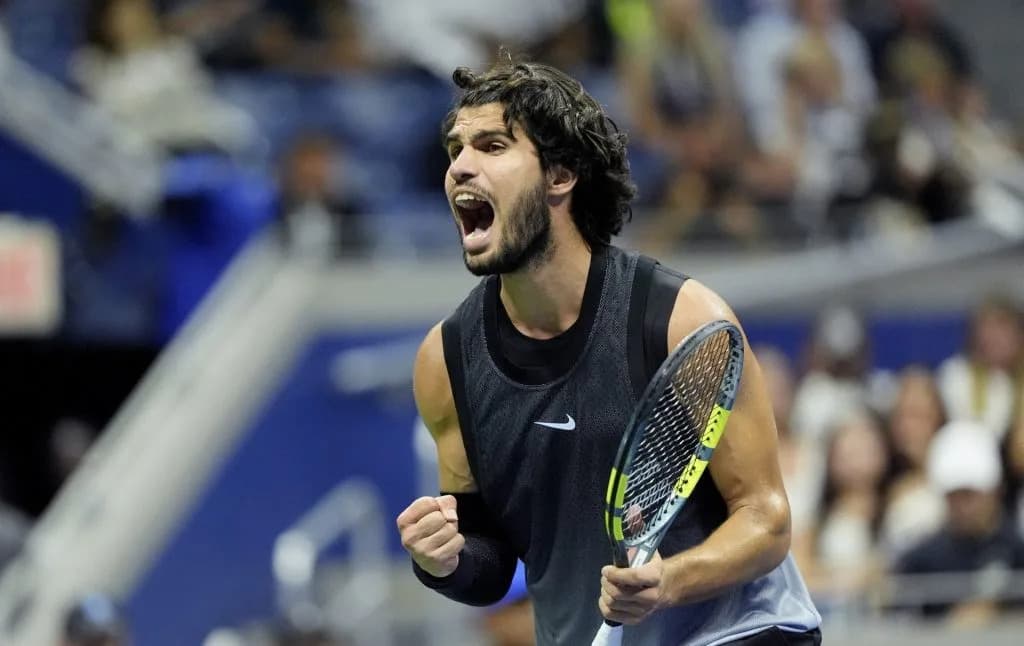
Carlos Alcaraz Urges Tennis Organizers to Stop Matches Finishing in the Early Morning

Carlos Alcaraz Frustrated by 3:30 a.m. US Open Finish: 'Too Much'
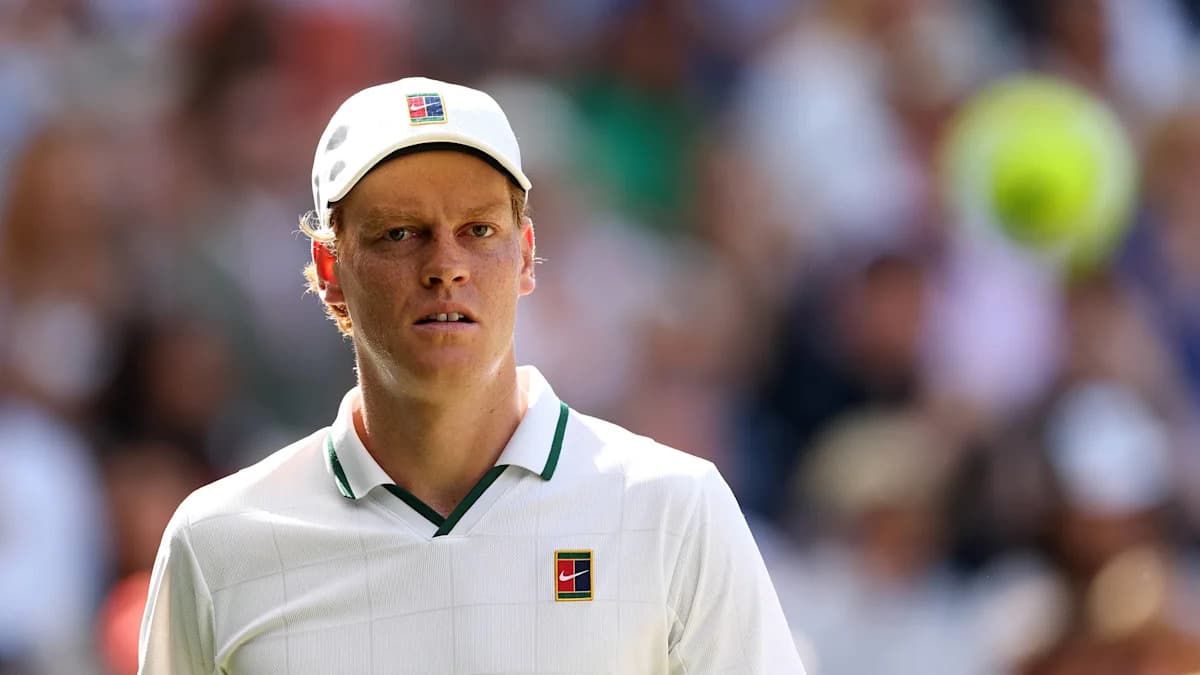
Jannik Sinner Set for ATP 500 Return in Beijing with Novak Djokovic Also Competing

Meet Iva Jovic: The Rising American Tennis Talent

Flavio Cobolli Shares Insights on Training with Jannik Sinner Ahead of His Tennis Return

Till vs Romero: Fight Details, Undercard, and Viewing Info for This Weekend