
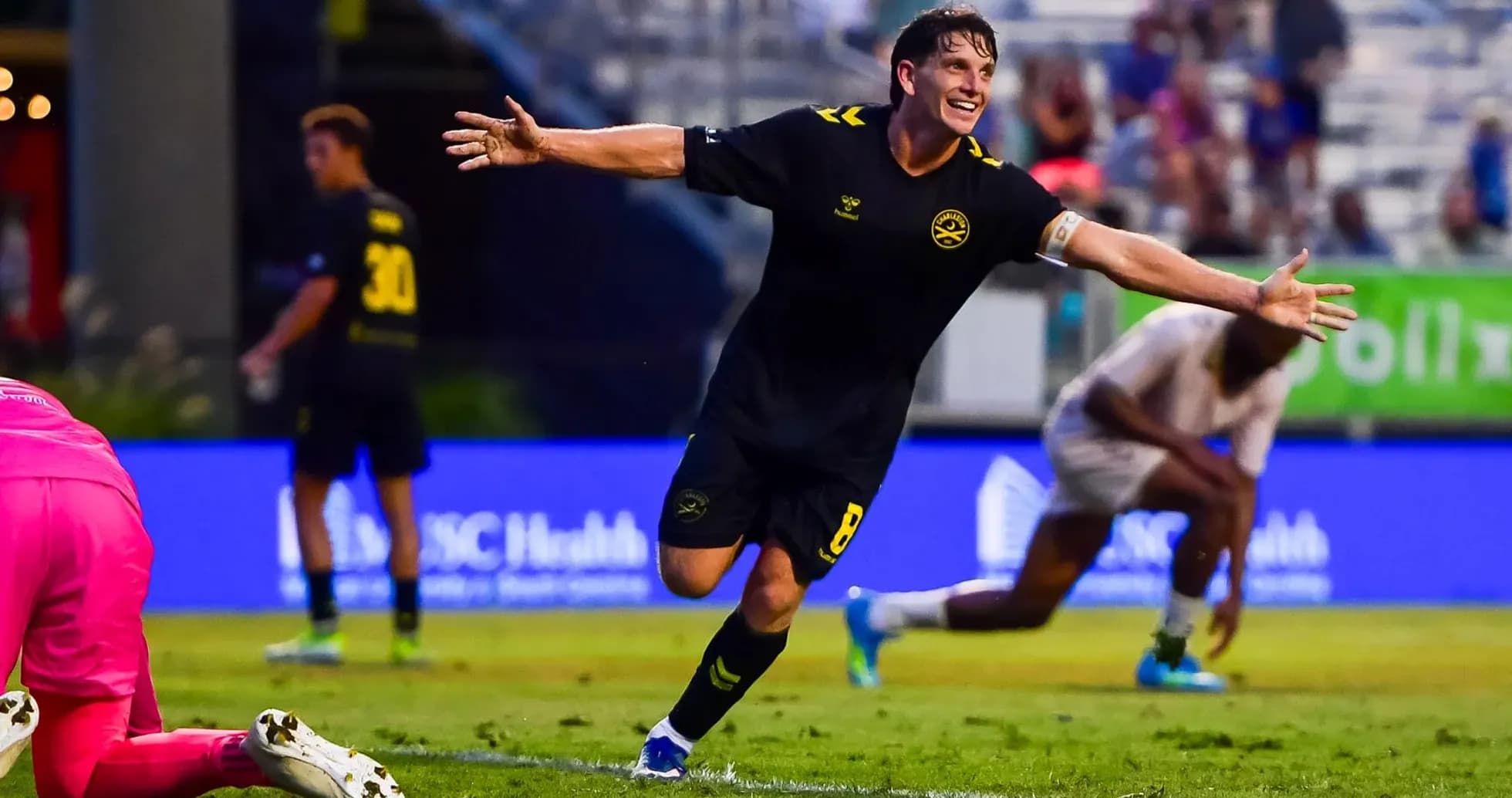
Charleston Battery Dominates FC Tulsa 5–1: A Home Victory
Under the low lights at Patriots Point Soccer Complex, Charleston Battery did not just beat FC Tulsa; they underlined why their season’s DNA at home is starting to look like that of a ruthless playoff contender. A 5–1 scoreline in this USL Championship group-stage clash, overseen by referee A. Pennington, felt like the live-action embodiment of the numbers that have quietly been building behind Ben Pirmann’s side.
Heading into this game, Charleston sat 4th in USL 1 with 20 points from 12 matches, built on 21 goals for and 16 against overall – a goal difference of 5 that already hinted at a team more expansive than cautious. Crucially, their dominance at Patriots Point was the bedrock: 6 home matches, 5 wins, 1 draw, 0 defeats, with 17 goals scored and only 5 conceded. That translated into an imposing home average of 2.8 goals scored and just 0.8 conceded per game. On their travels, they were far more fragile, but in front of their own crowd Charleston have been something close to inevitable.
Tulsa arrived as a dangerous, if inconsistent, visitor. Heading into this game they were 7th, with 16 points from 11 matches and a perfectly balanced goal difference of 0: 14 scored, 14 conceded in total. Away from home they were competitive – 2 wins, 2 draws, 2 defeats, 8 goals scored and 10 conceded, for an away average of 1.3 goals for and 1.7 against. They had already shown they could explode on the road with a biggest away win of 1–4, but they had also suffered a bruising 5–1 defeat away. That symmetry now feels prophetic.
I. The Big Picture: Charleston’s Home Identity, Tulsa’s Thin Margin
This match finished 3–1 at half-time and 5–1 at full-time, Charleston’s biggest home win of the season matching the 5–1 margin they had already logged as their standout result at Patriots Point. The script aligned perfectly with their season-long pattern: free-scoring, front-foot, and relentless over 90 minutes.
Charleston’s overall record of 6 wins, 2 draws, and 4 losses from 12 fixtures had been powered almost entirely by their home form. They had failed to score in 4 away games, yet at home they had not blanked once. The contrast between a 0.7 away goals-for average and that 2.8 home figure underlines how Pirmann’s side morphs into a different animal in front of their own supporters.
Tulsa, by contrast, lived on a knife edge. Their total record of 4 wins, 4 draws, 3 losses from 11 fixtures and an overall goals-for average of 1.3 mirrored their goals-against average of 1.3. They were a team of fine margins, capable of stringing together a 3-match winning streak but just as capable of unraveling when the tempo rose.
II. Tactical Voids and Discipline: Edges in the Margins
With no official list of absentees, both coaches appeared to lean into continuity. Pirmann’s starting group – anchored by L. Zamudio in goal, a back line including D. Martinez, G. Smith, J. Akpunonu, and N. Messer, and a spine built around E. Ycaza and K. Pakhomov – reflected a coach trusting the identity that had made his side almost unplayable at home.
Luke Spencer’s FC Tulsa setup, with A. Tambakis in goal and an outfield core featuring Ian, A. Clarke, L. Batista, L. Stauffer, G. Colli, and J. Kocevski, looked designed to absorb pressure and spring forward through the likes of G. Robinson, B. Sparks, R. Cabral, and J. Webber.
Disciplinary trends told a subtle story before a ball was kicked. Charleston’s yellow cards this season were spread, but with clear spikes: 23.08% between 31–45 minutes and another 23.08% between 76–90 minutes, marking them as a side that tackles aggressively just before half-time and again in the closing stretch. Tulsa’s distribution was different but equally telling: only 3.23% of yellows in the opening 0–15 minutes, but a late-game surge of 25.81% between 61–75 minutes and 19.35% between 76–90. This suggested a team whose discipline frays as matches open up, especially when chasing.
In a game that saw Charleston race to a 3–1 advantage by the break, those patterns likely magnified: Charleston able to play on the edge when needed, Tulsa increasingly stretched and forced into riskier challenges as the scoreline slipped away.
III. Key Matchups: Hunters and Shields
Without official top-scorer data, the “Hunter vs Shield” duel becomes more structural than individual. Charleston’s home attack – 17 goals in 6 home fixtures heading into this game – was the hunter. Tulsa’s away defense – 10 goals conceded in 6 away matches – was the shield that needed to hold.
On paper, Tulsa’s 1.7 away goals-against average was already under strain against Charleston’s 2.8 home goals-for average. The 5–1 outcome merely amplified the gap between those curves. The Battery’s biggest home “for” figure of 5 was matched on the night, while Tulsa’s worst away “against” of 5 was also reproduced. It was the collision of each side’s extreme.
In midfield, the “Engine Room” battle centered around creators and controllers. For Charleston, E. Ycaza and K. Pakhomov offered the blend of progression and balance that allows Pirmann’s front line – including M. Foster, M. Berry, J. Kelly, and C. Swan – to operate high and wide. For Tulsa, J. Kocevski and G. Colli were tasked with breaking Charleston’s rhythm, feeding transitions to Cabral and Sparks. Once Charleston established scoreboard control, that engine room tilt became increasingly one-way, with Tulsa forced to cover larger spaces and absorb waves of pressure.
IV. Statistical Prognosis and xG Logic: Why 5–1 Fits the Numbers
Even without explicit xG values, the season-long metrics sketch a clear expected-goals logic.
Heading into this game, Charleston’s total goals-for average of 1.8 and goals-against average of 1.3 suggested a side that tends to generate more and better chances than they concede. At home, that imbalance was even more pronounced: 2.8 scored vs 0.8 conceded. Their clean sheets at home (2) and zero home defeats underlined defensive solidity once they get in front.
Tulsa’s total profile – 1.3 scored and 1.3 conceded on average – painted them as a side whose matches are usually balanced. But on their travels, the defensive line softened: 10 goals conceded in 6 away games for that 1.7 average. Their biggest away loss of 5–1 hinted at a vulnerability when confronted by high-tempo, high-pressing hosts.
Overlay those curves and a high Charleston xG vs a fragile Tulsa away defensive xG-against becomes the logical forecast. A multi-goal Charleston win, driven by sustained pressure and volume of chances, was the statistically coherent outcome. The 5–1 scoreline, matching both Charleston’s biggest home win and Tulsa’s heaviest away defeat, feels less like an outlier and more like the season’s numbers crystallizing in one ruthless night.
Following this result, Charleston’s attacking aura at Patriots Point only grows stronger. Their promotion playoff credentials look less like a projection and more like a present reality. For Tulsa, the lesson is stark: their margins on the road are too thin to survive when the hunters are this clinical.
Related News
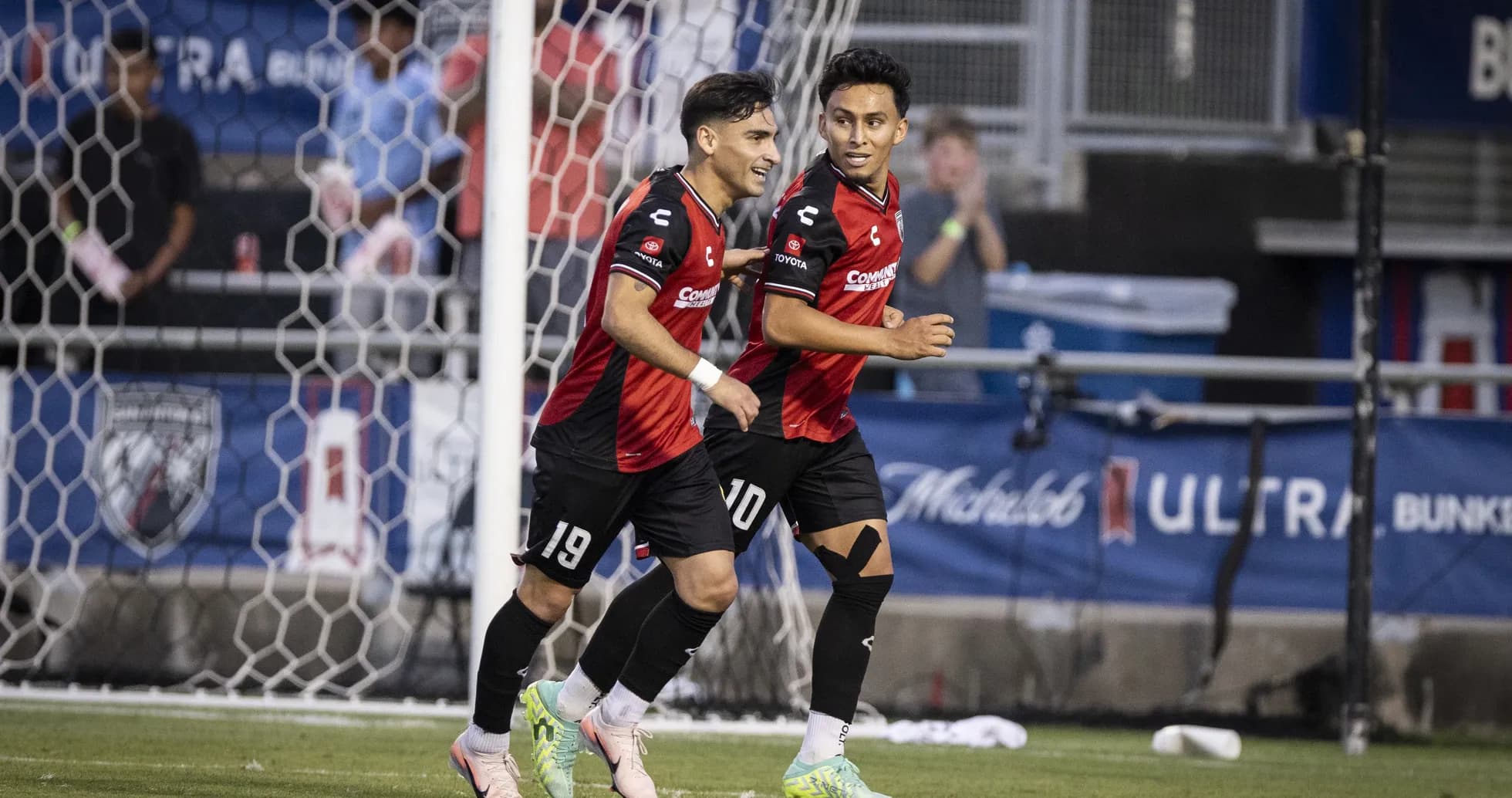
San Antonio Triumphs Over Colorado Springs in USL Championship Clash
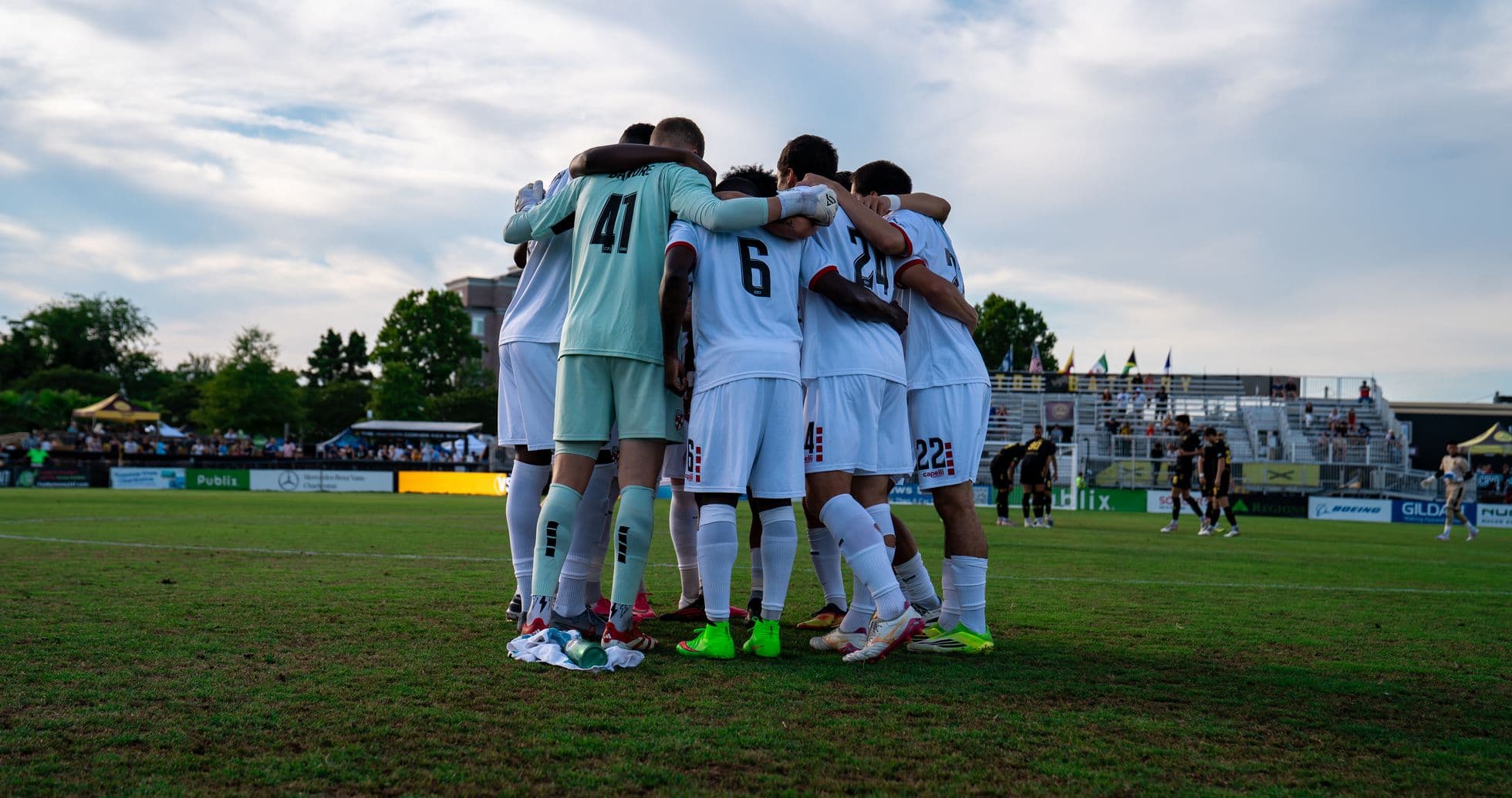
Charleston Battery's Dominance Over Loudoun United: A Tactical Analysis
Orange County SC Triumphs 4-2 Over Miami FC in USL Showdown
Colorado Springs vs San Antonio Match Preview
Colorado Springs vs San Antonio: USL Championship Clash Preview

Miami FC vs Orange County SC Match Preview