
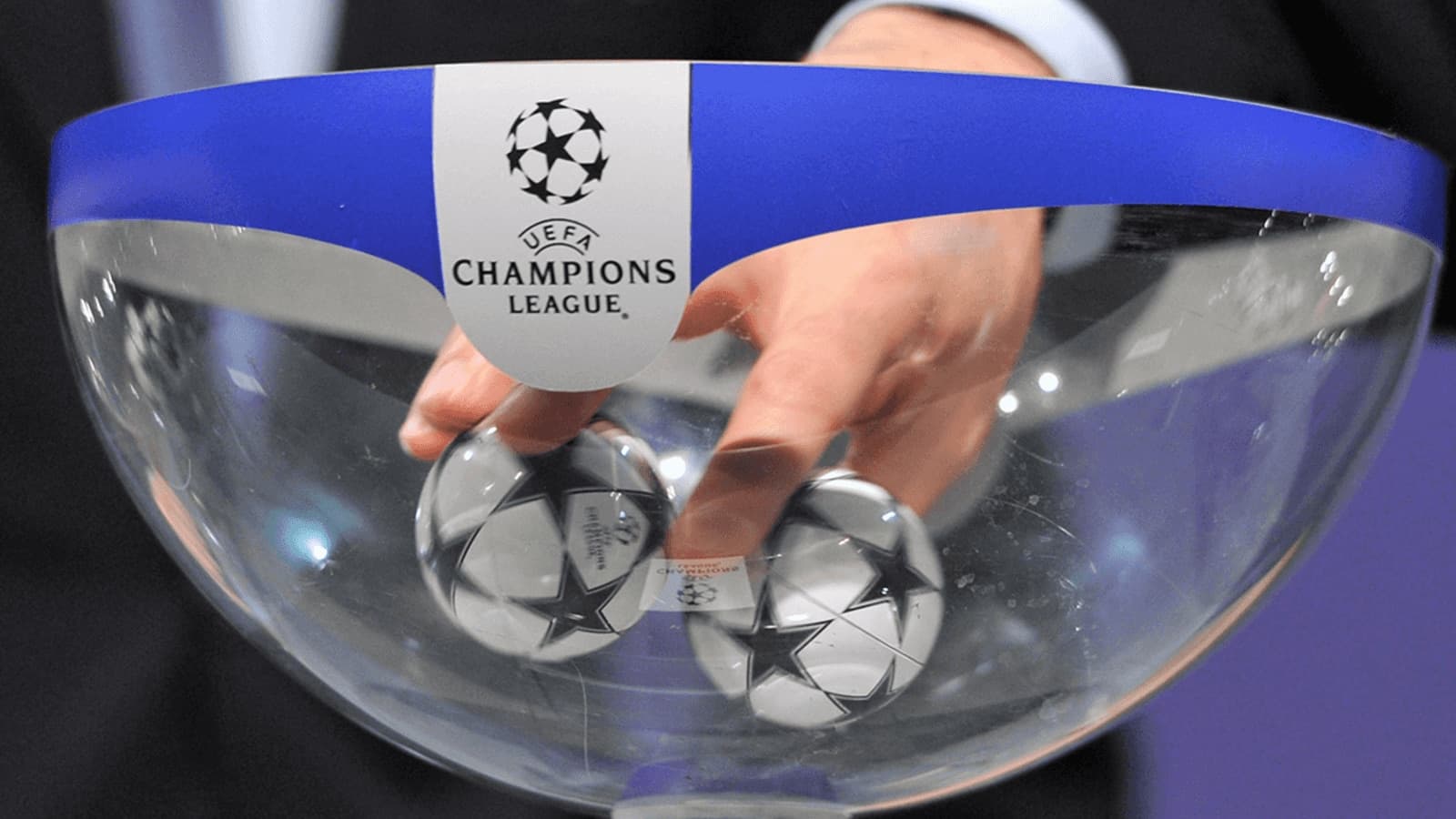
Champions League 2026/27: New Era and Expectations
The pain of Budapest still lingers. A penalty shootout defeat to Paris Saint-Germain in last season’s Champions League final is not the sort of memory that fades over one summer. Yet as the dust settles on that night, the picture in front of this team is unmistakable: they are not drifting away from Europe’s elite. They are walking straight back into the thick of it.
A first Premier League title since 2004 has already reset the club’s domestic status. Now comes the next step. For a fourth consecutive year, they return to the Champions League, this time with the scars of a lost final and the authority of champions of England.
And Europe is already taking shape around them.
A new era of the Champions League, now fully bedded in
The 2026/27 campaign will again use UEFA’s revamped “league phase” format, the second season since the traditional 32-team group stage was scrapped in favour of a 36-club field.
The structure is simple enough, but ruthless. Each side plays eight matches against eight different opponents: four at home, four away. There are no familiar back-to-back group fixtures, no safety net of playing the same side twice in quick succession. Every tie is a one-off test in a different context, a different stadium, a different tactical puzzle.
Finish in the top eight of that 36-team table and the reward is automatic passage into the knockout stage. Slip between ninth and 24th and the route becomes more precarious: a two-legged play-off to reach the last 16, a high-wire act in the middle of winter. Land 25th or lower and the campaign is over before the knockouts even begin.
Two of the extra spots in this expanded league phase go to the nations whose clubs performed best collectively in Europe the previous season. In 2024/25, that honour fell to England and Spain, earning an additional Champions League berth for both the Premier League and La Liga.
This team has already shown how to thrive in the new landscape. In 2025/26, they finished top of the entire league phase, winning all eight matches – the first club to go perfect under the new format. That sort of dominance does not go unnoticed in Nyon or anywhere else on the continent.
Who is already in?
The cast for next season is almost complete. Twenty-nine of the 36 places are filled, and the roll call underlines just how dense the quality will be.
England will send five clubs. The champions are joined by Liverpool, Manchester City, Manchester United and Aston Villa, all of whom secured their spots via top-five Premier League finishes.
Spain matches that tally with five of its own: Real Madrid, Barcelona, Atletico Madrid, Villarreal and Real Betis emerging from La Liga’s scrap for European places.
Italy and Germany contribute four each. From Serie A come Napoli, Inter Milan, AS Roma and Como, the latter a remarkable story in their own right. The Bundesliga’s contingent is Bayern Munich, Borussia Dortmund, RB Leipzig and Stuttgart.
France’s trio is led by the defending European champions Paris Saint-Germain, with Lens and Lille completing Ligue 1’s representation. The Netherlands sends two: Eredivisie winners PSV and runners-up Feyenoord.
Portugal has Porto and Sporting Lisbon in the mix. Domestic champions Galatasaray (Turkiye), Slavia Prague (Czechia), Shakhtar (Ukraine) and Club Brugge (Belgium) all secured their places early by winning their leagues.
Seven more clubs will emerge from the qualifying rounds, a summer gauntlet that began with the draws for the first and second qualifying rounds on June 16 and 17. Five of those seven will come through the “champions path”, reserved for title-winners from 42 different associations. The remaining two will be drawn from sides finishing second, third or fourth in their domestic leagues.
The qualifiers conclude on August 26. One day later, on August 27, the draw will be made and the full 36-team league phase will be locked in.
The pots, the rules, and the possible opponents
The Champions League draw is never a free-for-all. It is a maze of coefficients, protections and country limits, and this season is no different.
One rule stands out immediately: English clubs cannot face each other in the league phase. That removes Liverpool, Manchester City, Manchester United and Aston Villa from the list of possible opponents at this stage.
UEFA’s club coefficient rankings determine the four seeding pots. The club in question will sit in pot 1, alongside some of the most decorated names in modern European football: Paris Saint-Germain, Bayern Munich, Real Madrid, Liverpool, Inter Milan, Manchester City, Barcelona and Atletico Madrid.
Pot 2 carries its own threats. Borussia Dortmund, AS Roma, Sporting CP, Porto, Club Brugge, Real Betis, PSV Eindhoven and Premier League rivals Aston Villa and Manchester United all drop into this band of contenders.
Pot 3 is no gentler. Feyenoord, Lille, Napoli, RB Leipzig, Villarreal, Shakhtar Donetsk and Galatasaray are all placed there, each capable of turning a league-phase campaign on its head with a single result.
Pot 4 currently includes Como and Lens, while Slavia Prague, Stuttgart and the seven qualifiers are still waiting to learn whether they will land in pot 3 or pot 4 once their coefficients and the final field are confirmed.
The mechanics are clear. This team will face two opponents from each pot, one home and one away. They cannot be drawn against more than two clubs from the same country, a safeguard designed to keep the league phase from feeling like a domestic rerun.
By the end of August 26, when the last qualifiers are settled, every pot will be finalised. The stage will be set.
Dates that will shape a season
The Champions League draw for the league phase takes place on Thursday, August 27, 2026. That is the day the path becomes real: eight fixtures, eight cities, eight chances to dictate the rhythm of a European campaign.
From there, the calendar tightens. League phase matchdays are spread across eight windows:
- September 8–10
- October 13–14
- October 20–21
- November 3–4
- November 24–25
- December 8–9
- January 19–20
- January 27
Every one of those dates will carry weight. A slow start can drag a heavyweight into the play-off trapdoor. A strong surge can secure a top-eight finish and valuable breathing space before the knockouts.
Once the league phase settles, the competition splinters again. The draw for the knockout play-off round will be held on January 29, 2027, with those two-legged ties scheduled for February 16–17 and February 23–24. For the sides finishing between ninth and 24th, these games will decide whether months of work lead into the last 16 or vanish in late winter.
After that comes the final reveal. On February 26, 2026, UEFA will conduct the draw for the round of 16, quarter-finals, semi-finals and the final itself, mapping out every possible route to the trophy.
The knockout schedule runs as follows:
- Round of 16: March 9–10 and March 16–17
- Quarter-finals: April 6–7 and April 13–14
- Semi-finals: April 27–28 and May 4–5
And then, the destination. The final will be played on Saturday, June 5, 2027, at the Wanda Metropolitano in Madrid. A stadium that has already hosted one modern classic in this competition will wait again for two clubs to define their era.
Last season ended with penalties and heartbreak. This one begins with a title in the bank, a pot 1 seeding, and a clear view of the road ahead. The question is no longer whether this team belongs at Europe’s top table.
It is whether they are ready to sit at the head of it.
Related News

Raphinha’s Hat-Trick Powers Barcelona to 7-2 Victory Over Racing Santander
Carabao Cup Fourth Round Draw: Liverpool Set to Clash with Chelsea, Arsenal to Face Fleetwood Town
Key Football Matches to Watch in Azerbaijan This Autumn

Raphinha's Hat-Trick Drives Barcelona to 7-2 Triumph Over Racing Santander
Hansi Flick Leads Barcelona to Record-Breaking Seven Wins in a Row

Gavi Reflects on Injury Return as Barcelona Dominate Racing Santander 7-2