

Celtic's Title Triumph: O’Neill's Family Moment and Future Challenges
At 4.47pm on May 16th, the phone camera caught something disarmingly ordinary at Celtic Park. Martin O’Neill, 74 years old and supposedly just passing through as Celtic’s interim manager, stood in goal in a retro tracksuit while his grandchildren toe‑poked shots at him from close range. A family kickabout on a title‑winning pitch, the old man laughing as the kids scuffed their efforts.
Scroll back on the phone. The previous photo tells you why the moment felt so surreal.
At 2.30pm, the same goalmouth had been the epicentre of chaos. Callum Osmand had just rammed in Celtic’s third against Hearts, the goal that sealed the Scottish Premiership title. Osmand disappeared beneath a wave of green and white – players, staff, supporters who had poured from the stands, some stripped to the waist, all lost in bedlam.
While Celtic’s world dissolved into delirium, Hearts’ players sank. Some dropped to their knees. Others stood motionless, hands clamped to heads, staring at the turf. Sixty-six years they had waited for a league title. They were three minutes away from history, three minutes from what 2026 would call a Mayo moment.
Then Daizen Maeda tore it all up.
Celtic’s 14th title in 15 seasons sounds like routine dominance. It was not. Not in a year when Hearts, from nowhere, dragged the country into their title chase. Not with Celtic lurching through a Rodgers–O’Neill–Nancy–O’Neill managerial hopscotch. Not with Rangers wandering through another meandering campaign.
In the middle of that storm stood O’Neill, asked about fairytales and the prospect of a double in the Scottish Cup final against Dunfermline and Neil Lennon a week later, widely assumed to be his Celtic farewell. The final whistle had never been properly heard in the Parkhead pandemonium, Hearts players forced to walk through in-your-face celebrations before heading straight out of the stadium, still in their kits. Celtic apologised formally the next day, a detail largely lost in the title haze.
O’Neill did not apologise for enjoying it. He spoke of the achievement giving him “a reason to live”. Some even spoke of a statue.
The twist came later. The whistle had not blown on his Celtic career either.
Twenty-six days on, the interim became permanent. O’Neill signed a one-year deal with a one-year option. The reaction ranged from delight to disbelief. Many were thrilled; others saw it as another sign of a club without a clear plan. Celtic is a club that argues with itself as much as with anyone else. That was why, on that May afternoon against Hearts, O’Neill hammered home the need for unity.
Thirty-seven days after the title party, Celtic were back at Parkhead. Same stadium, same sunshine, same tracksuit on the touchline. A very different mood.
Only around 6,000 fans turned up for a pre-season friendly against Middlesbrough. There were explanations – summer, opposition, timing – but the low turnout also reflected a simmering dissatisfaction with the club’s direction. And yet, three weeks earlier, 99.5 per cent of season-ticket holders had renewed. Celtic’s support, as ever, is conflicted but committed.
Some notable names were missing. Kelechi Iheanacho, whose controversial 90+9th-minute penalty at Motherwell three days before the Hearts game had shifted the season’s axis, chose Bursaspor in Turkey’s second tier over another spell in Glasgow. Maeda was on his way to Ipswich Town. For Brendan Rodgers, there were echoes of Kyogo Furuhashi, Nicolas Kühn and Adam Idah heading out the door. Many fans heard them too, even if plenty accepted the club’s refusal to meet Iheanacho’s wage demands.
This is Glasgow; vacuum invites rumour. Within days, whispers spread that Celtic’s recruitment strategy had even pushed O’Neill towards the exit.
Yet there he was last Saturday, back in the dugout, with more than 20,000 inside Celtic Park for the final pre-season friendly against AC Milan. And there, leading the line, was a new face: Camilo Duran.
The Colombian striker arrived from Qarabag with a Champions League goal against Benfica on his CV and has started as if determined to quiet the noise. He scored against Middlesbrough, then again, and again. Three goals in three pre-season outings; enough to offer O’Neill a little reassurance that there is life after Maeda.
A few days later, another forward walked through the door. Kasper Høgh joined for around €13m, roughly matching the fee received for Maeda. Høgh, who scored twice in Bodo/Glimt’s 3-1 Champions League win over Manchester City last season, brings pedigree of his own. If he and Duran can finish at that level, then – on paper – Dundee on Monday night should not terrify them. Nor should Kilmarnock, Falkirk, Aberdeen or St Mirren, the rest of Celtic’s first five league opponents, none of whom finished in Scotland’s top five last season.
It is a forgiving start, one that ought to let Celtic tune up for a far more perilous assignment: a home-and-away Champions League qualifier in the middle of next month. They have stumbled here before. Kairat Almaty last year left Rodgers furious and the support exasperated. Selling remains woven into Celtic’s economic model, and another departure, such as the projected move for Arne Engels, would fit the pattern. The challenge is balance. If outgoings are matched by smart arrivals, early momentum is possible.
That mood – cautious optimism – feels a long way from last October, when Dermot Desmond spoke of a “toxic atmosphere” around the club. The distrust has not vanished. Many fans will reserve judgement until they see a Celtic side that does more than simply cling on in Europe. They want a team that looks capable of prospering there.
All of this comes with a major caveat. The transfer window does not close until August 31st. Squads can still change shape dramatically. Across the city, Rangers have already been busier, and there is a strong sense they cannot afford another season of muddle.
The cast has changed. The Hearts manager who prowled the technical area at Parkhead in May, Derek McInnes, now works at Ibrox. Hearts’ captain and goalscorer that day, Lawrence Shankland, has followed him. So has Cammy Devlin, the driving midfielder and Hearts’ player of the season. A maroon spine has been transplanted into blue, a trio signed to restore some much-needed steel to Rangers.
McInnes is Rangers’ sixth permanent manager in five years and their third in 12 months. Russell Martin and Danny Röhl never truly convinced, for all the sharp suits and polished soundbites. McInnes is different. He is a former Rangers player. He looks and feels like he belongs.
That brings its own pressure. Three of Rangers’ last four seasons have ended without a trophy. Expectation at Ibrox is not negotiable. McInnes must start fast, beginning at Tannadice on Friday night.
His departure from Hearts has opened the door for Wouter Vrancken at Tynecastle. The Belgian’s introduction has been harsh. Two games, both defeats, both to Sturm Graz in a Champions League qualifier. Replicating last season’s ferocious energy – the surge that dragged so many neutrals towards Hearts’ story – will not be easy.
But they pushed Celtic all the way. They changed the temperature of the league. They made May 16th feel like a national occasion.
The calendar says May 16th, 2027, will again be the season’s final day. If O’Neill’s grandchildren are still scribbling in their diaries, they might want to circle it.
Related News

Raphinha’s Hat-Trick Powers Barcelona to 7-2 Victory Over Racing Santander
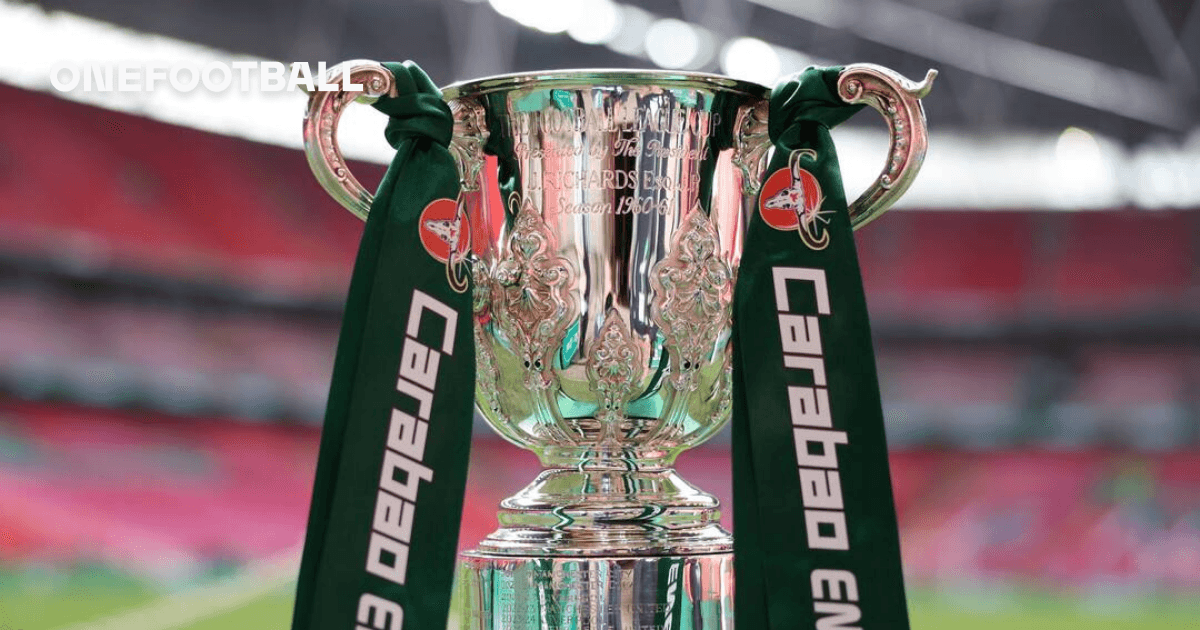
Carabao Cup Fourth Round Draw: Liverpool Set to Clash with Chelsea, Arsenal to Face Fleetwood Town
Key Football Matches to Watch in Azerbaijan This Autumn
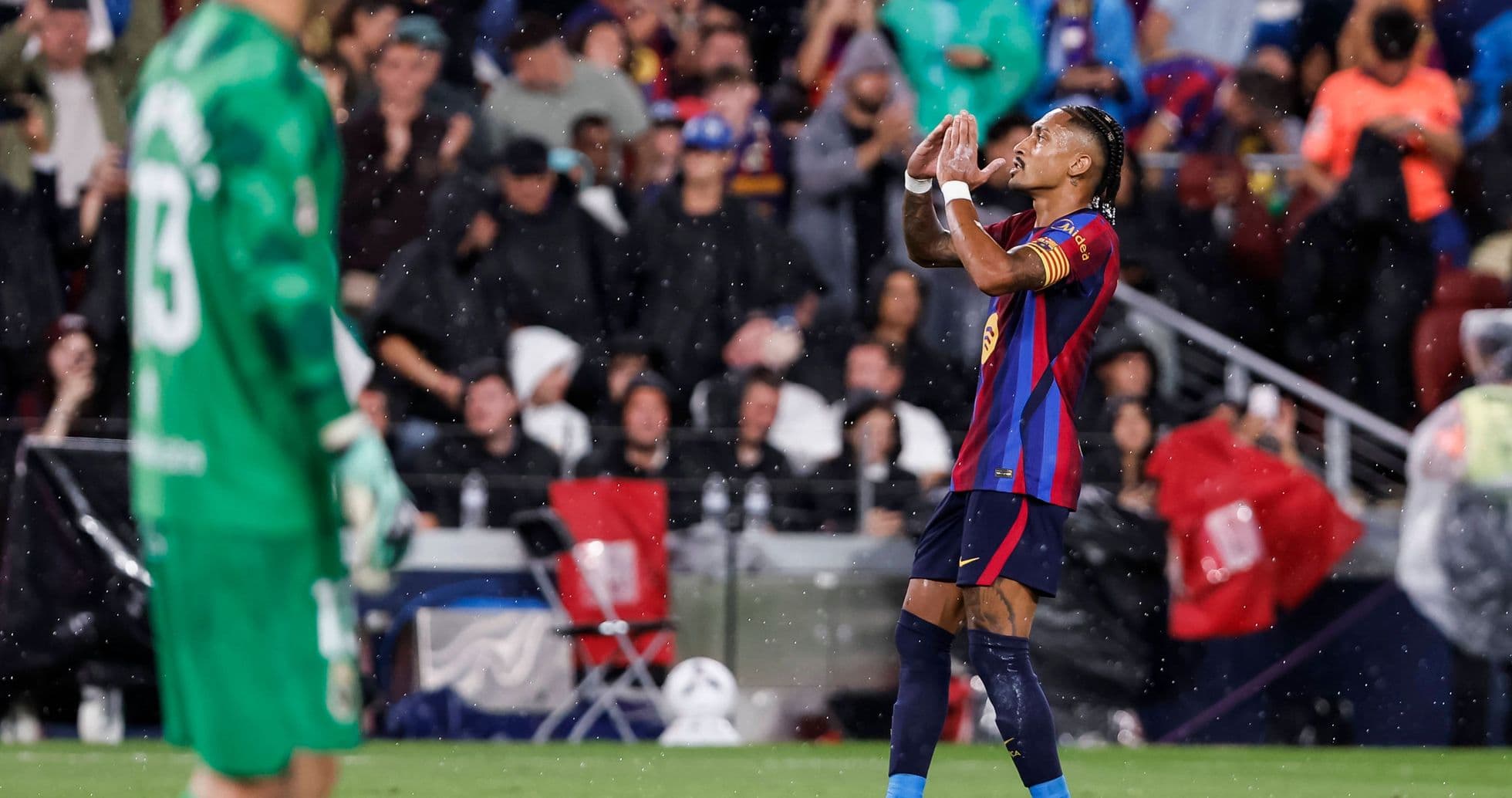
Raphinha's Hat-Trick Drives Barcelona to 7-2 Triumph Over Racing Santander
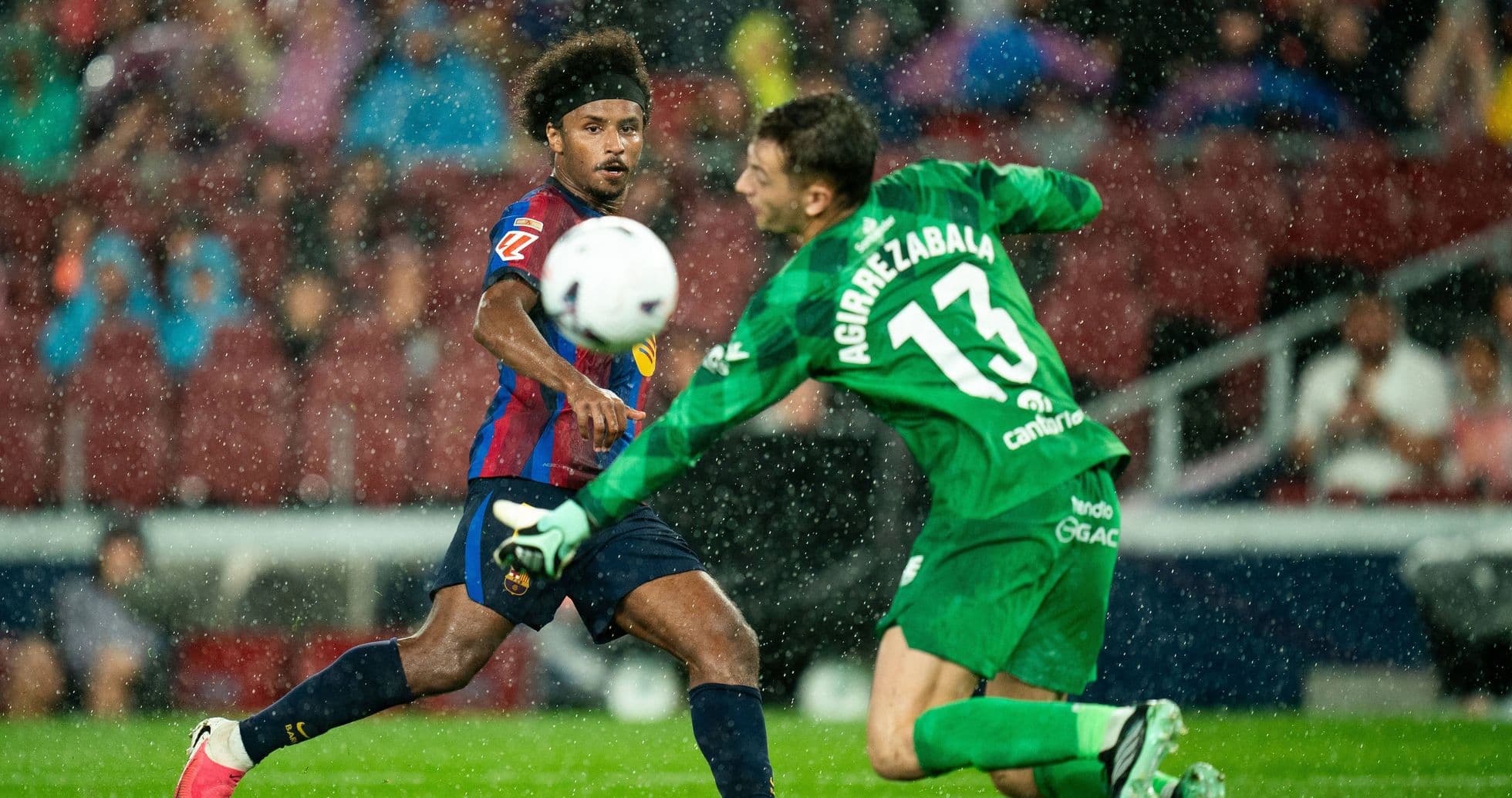
Hansi Flick Leads Barcelona to Record-Breaking Seven Wins in a Row
Gavi Reflects on Injury Return as Barcelona Dominate Racing Santander 7-2