
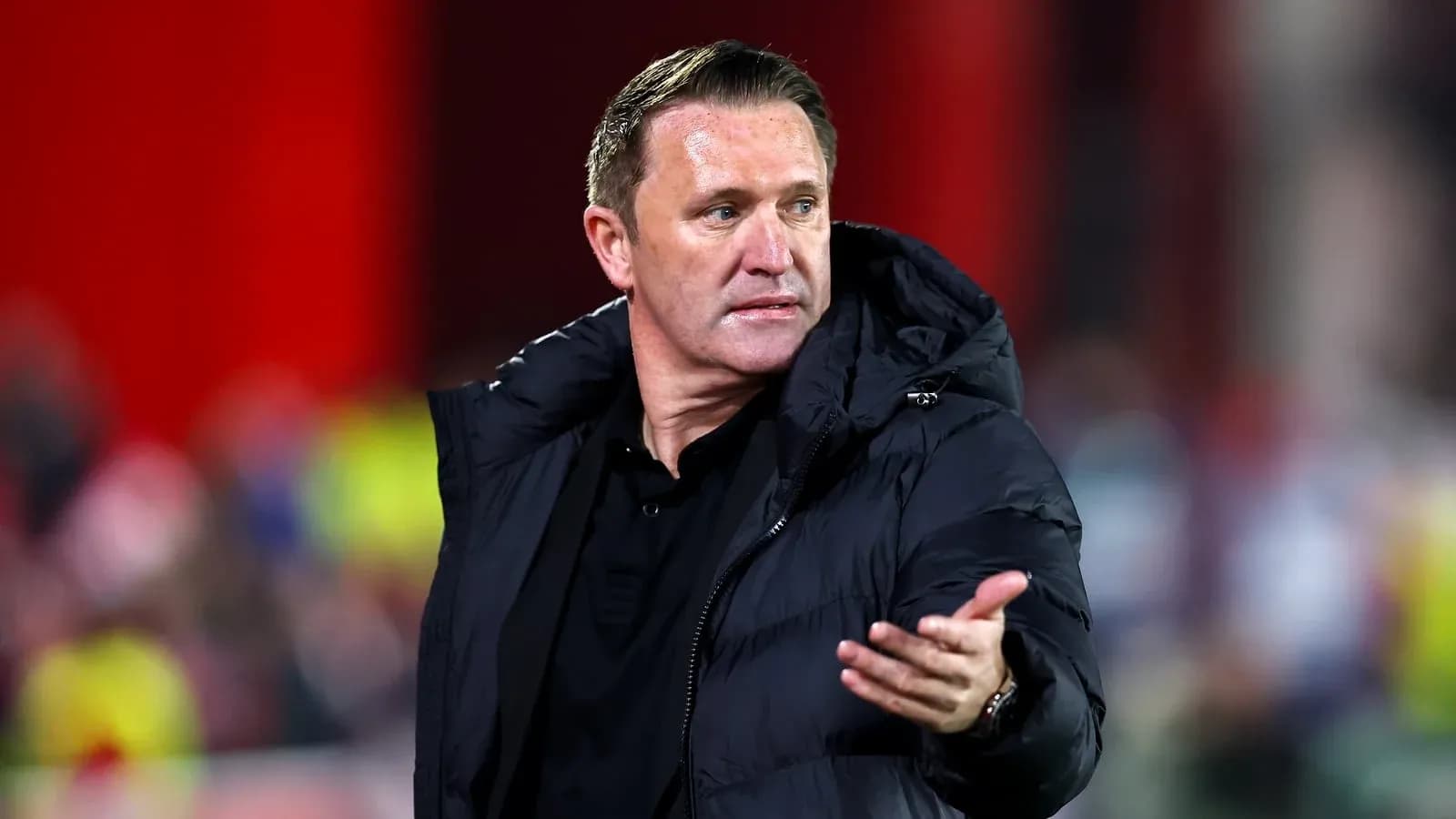
Celtic Support Divided Over Robbie Keane's Potential Appointment
The prospect of Robbie Keane returning to Celtic Park as manager has ignited a fierce backlash among sections of the club’s support, who say his decision to work in Israel during the Gaza war makes him an unacceptable appointment.
Keane, the Republic of Ireland’s record goalscorer and a cult hero from his prolific loan spell at Celtic in 2010, is among the leading contenders for the job and is understood to be in talks with principal shareholder Dermot Desmond. On football grounds alone, his CV is tidy enough: league titles in Israel and Hungary, a high-profile playing career, a name that still carries weight in Glasgow’s east end.
But this is not just about football.
67 groups sign up to opposition
Over recent days, graffiti and banners denouncing the idea of Keane taking over have appeared outside Celtic Park. Online, a group styling itself Celtic Fans for the Liberation of Palestine published a statement condemning the potential appointment. That statement has now been amplified and hardened.
The North Curve Celtic account on X has released a list of 67 supporters’ organisations it says have endorsed the message. It is not a fringe collection. The Green Brigade and Bhoys Celtic ultras are on it, as are long-established clubs such as Glasgow University Celtic Supporters Club and Craigneuk Tommy Gemmell CSC. Prominent fan media outlets including the Cynic and eTims are also named.
Their stance is clear. The statement argues that Keane’s decision to manage Maccabi Tel Aviv “during the genocide in Gaza” clashes directly with what many Celtic fans see as the club’s political and moral identity.
“Celtic supporters have a long and proud history of solidarity with the Palestinian people,” it reads, before declaring Keane’s choice “impossible to ignore”.
The signatories frame the issue in stark moral terms: “To choose to manage a club in Israel while, less than 40 miles away, the same country was using indiscriminate weapons of mass murder against defenceless people is unconscionable.”
From there, the argument roots itself in Celtic’s origin story. The club, founded in 1887 to support the Irish immigrant poor in Glasgow, is described in the statement as emerging from “a community shaped by the legacy of genocide, displacement and famine”.
“Our club’s roots lie in solidarity with those who suffered injustice and oppression. We cannot forget where we came from, nor turn our backs on those facing genocide today.”
A moral line, not just a managerial call
This is not framed as a tactical or stylistic debate about Keane’s touchline credentials. It is a question of what Celtic represents.
The groups warn that appointing Keane would be “deeply divisive among the support” at a time when, they argue, Celtic “requires unity and collective purpose”. They also brand it “a predictable and uninspiring choice at a moment when greater ambition is needed”, a pointed jab at the board as much as at the candidate.
The message ends with a direct appeal: “We urge the Celtic board to listen to supporters’ concerns and reconsider this appointment.”
In other words, this is an early and organised attempt to draw a line in the sand before any announcement is made.
Keane’s Maccabi spell under the spotlight
Keane took charge of Maccabi Tel Aviv in June 2023, months before the Hamas-led attacks of 7 October and the subsequent Israeli bombardment of Gaza. By the time he left in the summer of 2024, he had delivered a league and cup double.
During that period, the war in Gaza raged and global scrutiny intensified. Last October, an independent UN commission concluded that Israel had committed genocide against Palestinians in Gaza, with the death toll passing 70,000.
Keane’s decision to remain in his post as the conflict escalated drew sharp criticism in Ireland and, increasingly, from within the Celtic support. For his detractors, the optics were intolerable; for others, he was a coach under contract in a complicated, fast-moving situation.
The Irishman has since explained why he stayed until the end of the season, pointing to his responsibility to the staff who followed him to Israel.
“I have a duty of care,” he said, citing his analyst as an example, a man who had spent 12 years at Middlesbrough before uprooting his family to join Keane. Walking away mid-season, Keane argued, would have abandoned those staff members and their families in a volatile environment. He says he instead chose to see out the campaign and then walk away from a lucrative deal that could have run for another year or two.
A club wrestling with its conscience
Celtic’s support has long worn its political conscience on its sleeve, especially on Palestine. Flags, banners and choreographed displays have been regular features on European nights, often in defiance of UEFA sanctions and club warnings.
That history now collides with a live managerial search.
Keane brings name recognition, a connection to the club, and recent silverware. He also brings a controversy that has already spilled onto the walls outside Celtic Park and into the organised heart of the fanbase.
The board must now decide whether to push ahead with a candidate who divides opinion so sharply, or step back from a confrontation with supporters who believe this is about far more than who picks the team on a Saturday.
Related News

Raphinha’s Hat-Trick Powers Barcelona to 7-2 Victory Over Racing Santander
Carabao Cup Fourth Round Draw: Liverpool Set to Clash with Chelsea, Arsenal to Face Fleetwood Town
Key Football Matches to Watch in Azerbaijan This Autumn
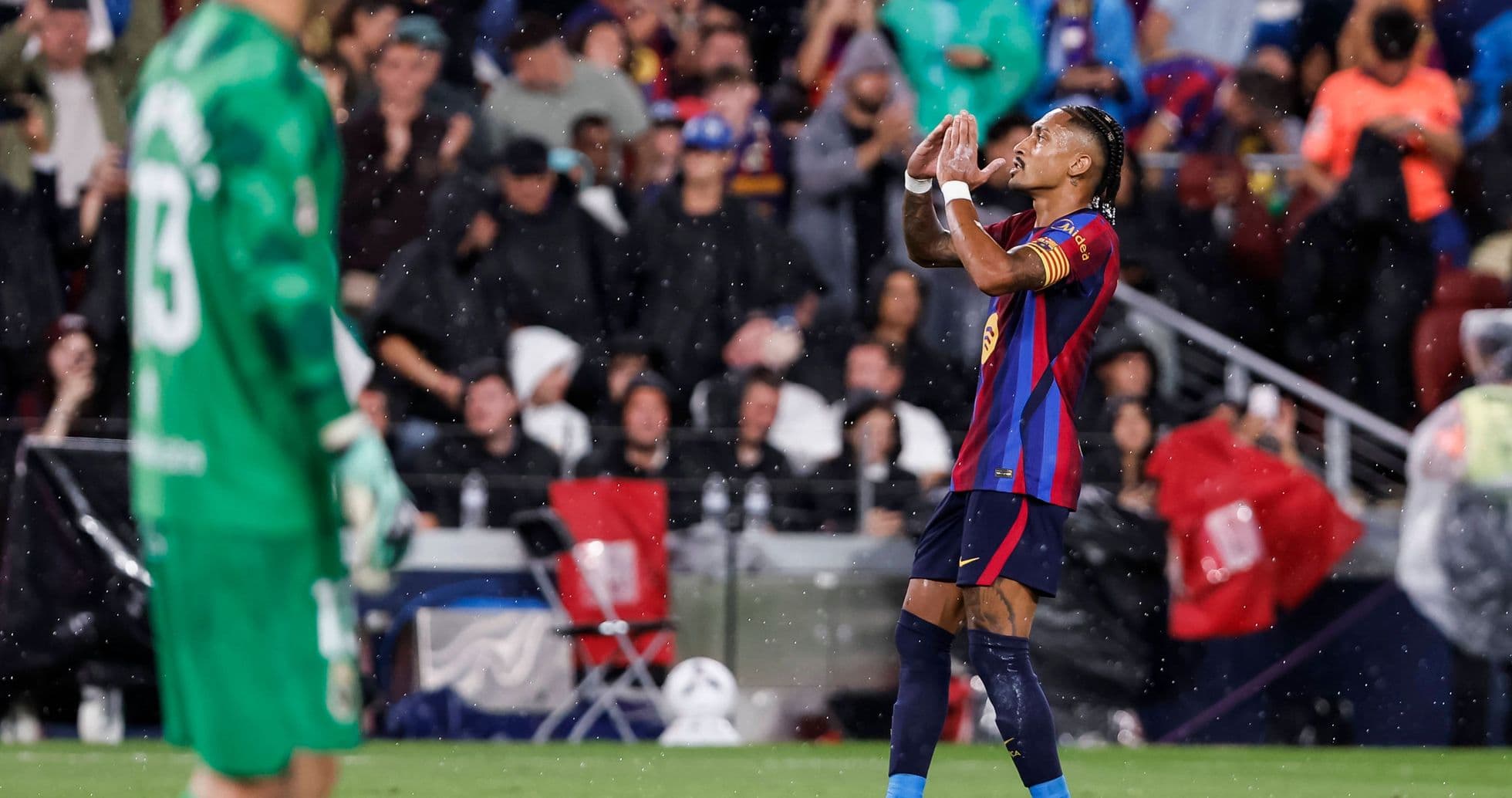
Raphinha's Hat-Trick Drives Barcelona to 7-2 Triumph Over Racing Santander
Hansi Flick Leads Barcelona to Record-Breaking Seven Wins in a Row
Gavi Reflects on Injury Return as Barcelona Dominate Racing Santander 7-2