
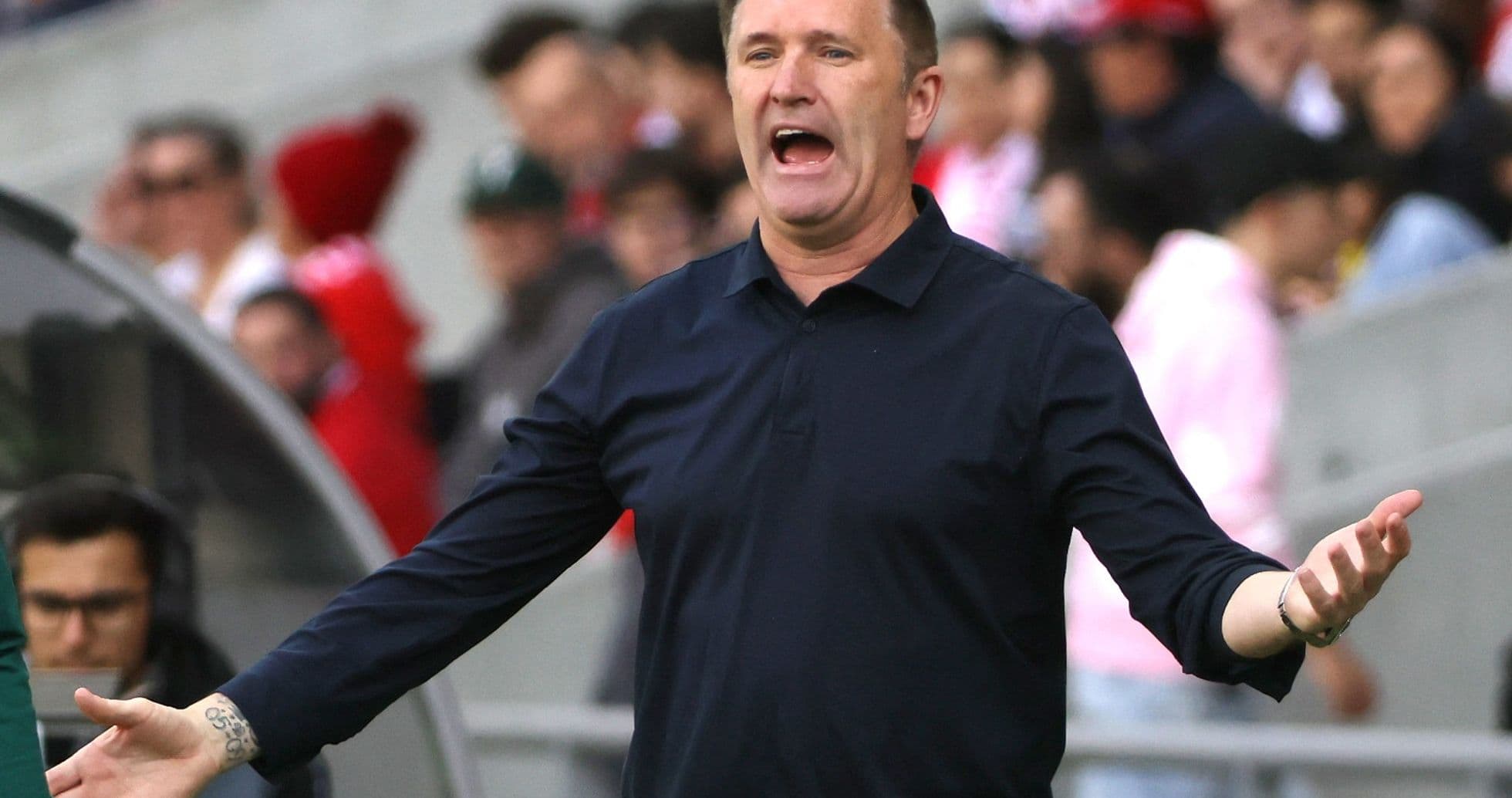
Celtic's Political Struggle Over Robbie Keane's Potential Appointment
Celtic’s pursuit of Robbie Keane has run straight into the club’s politics.
The former Ireland captain, understood to be the leading contender to take over the Scottish champions after talks with principal shareholder Dermot Desmond, is facing fierce opposition from sections of the Celtic support over his recent spell in charge of Maccabi Tel Aviv.
A hero on the pitch, a flashpoint off it
Keane is no stranger to Celtic Park. In 2010 he arrived on loan and scored freely, quickly becoming a terrace favourite. The romance of a former goal-scoring hero returning as manager would, in other circumstances, be an easy sell.
This is not one of those times.
His decision to remain in Israel with Maccabi Tel Aviv after the outbreak of the conflict in Gaza drew heavy criticism in Ireland and has since hardened attitudes among a vocal part of Celtic’s fanbase. At a club where Palestinian flags have become a regular sight in the stands during the war, Keane’s name now sits at the centre of a cultural and political fault line.
The reaction has moved from social media to the streets. Graffiti and banners denouncing the idea of Keane taking the job have appeared outside Celtic Park in Glasgow, underlining how raw the issue has become.
Organised resistance
On Tuesday, a group calling itself “Celtic Fans for the Liberation of Palestine” issued a strongly worded statement warning the board that appointing Keane “would be deeply divisive among the support”.
The message did not come from a fringe corner of the fanbase. The “North Curve Celtic” account on X, which represents the club’s ultras in the standing section behind the goal, published a list of 67 groups said to have endorsed the statement.
“Celtic supporters have a long and proud history of solidarity with the Palestinian people,” the statement read.
“For us, Robbie Keane’s decision to manage Maccabi Tel Aviv during the genocide in Gaza is impossible to ignore.
“To choose to manage a club in Israel while, less than 40 miles away, the same country was using indiscriminate weapons of mass murder against defenceless people is unconscionable.
“Celtic was founded by a community shaped by the legacy of genocide, displacement and famine. Our club’s roots lie in solidarity with those who suffered injustice and oppression.
“We urge the Celtic board to listen to supporters’ concerns and reconsider this appointment.”
The language is uncompromising. So is the stance: for these groups, Keane’s mere presence in the dugout would cut against what they see as the club’s identity.
Keane’s Israeli chapter
Keane’s time in Israel predates the latest escalation. He was appointed Maccabi Tel Aviv manager in June 2023, several months before the Hamas-led attacks of October 7 and the subsequent bombardment of Gaza.
On the pitch, he delivered. Maccabi completed a league and cup double under his watch, and Keane left in 2024, moving on to Hungarian side Ferencvaros later that year.
He has previously explained why he chose to see out the season in Israel, pointing to his responsibilities to the staff who followed him.
“I have a duty of care,” he said. “My analyst, for example, was at Middlesbrough for 12 years. For him to come with me to Israel and then for me to just walk away, leaving him and his family.”
For many Celtic supporters, that explanation does not soften the central issue: that he stayed.
A board under pressure
Inside Celtic Park, the question is now whether the board is prepared to push ahead with a candidate who arrives carrying this level of organised opposition before he has even signed.
The club has long been associated with political expression, from its Irish roots to its modern-day displays of solidarity with Palestine. Those traditions, celebrated by many in the stands, now collide directly with the football department’s leading managerial target.
All this comes at a moment of transition. Interim manager Martin O’Neill, 74, stepped in to guide Celtic to the Scottish Premiership title on the final day of the season and added the Scottish Cup for good measure. His short spell steadied the club and delivered trophies, but it was always a stopgap.
Now Celtic must decide what comes next: a decorated former striker who knows the club but divides the support, or a change of direction that avoids a political storm but potentially passes on the man they have identified as first choice.
The banners are already up outside the stadium. The next move belongs to the board.
Related News

Raphinha’s Hat-Trick Powers Barcelona to 7-2 Victory Over Racing Santander
Carabao Cup Fourth Round Draw: Liverpool Set to Clash with Chelsea, Arsenal to Face Fleetwood Town
Key Football Matches to Watch in Azerbaijan This Autumn
Raphinha's Hat-Trick Drives Barcelona to 7-2 Triumph Over Racing Santander
Hansi Flick Leads Barcelona to Record-Breaking Seven Wins in a Row
Gavi Reflects on Injury Return as Barcelona Dominate Racing Santander 7-2