
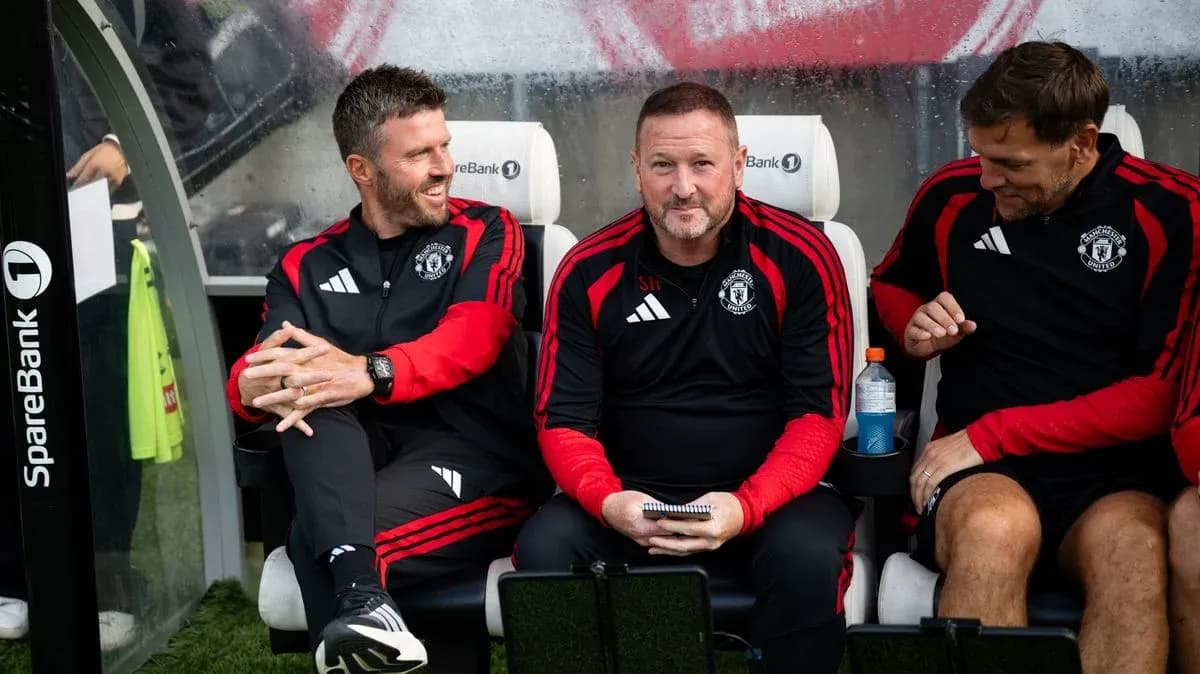
Michael Carrick's Vision for Manchester United: A Return to Possession
Michael Carrick is swimming against the tide. In a league obsessed with power, duels and set-pieces, the Manchester United manager is quietly trying to build something far more old‑fashioned, and far more demanding: a team that lives on the ball.
A League of Duels, Not Dictators
Look at the Premier League last season and the pattern jumps off the page. Matches broke down into 11 individual fights all over the pitch. Man-marking schemes dragged players into personal battles, territory was claimed through collisions and second balls, and games were often decided from dead-ball situations rather than long spells of control.
Control, in fact, almost disappeared.
Even Manchester City – the benchmark for possession and midfield dominance under Pep Guardiola – found it harder to suffocate opponents. The pace of games surged, the intensity rose, and space in central areas shrank to a minimum. Midfielders who wanted to take touches, knit play together and dictate tempo suddenly found themselves swarmed, rushed, and often bypassed.
The numbers back it up. Two seasons ago, four clubs averaged more than 60% possession and six topped 58%. Last season, only City crept above the 60% mark at 60.5%, with just one other side, Chelsea, crossing 58%. The league has tilted away from the ball and towards the battle.
Carrick’s Counter-Cultural Plan
Into that environment steps Carrick with a very different idea of what Manchester United should be.
United have just lost Casemiro, a midfielder built for the modern Premier League grind – strong in duels, able to hold his own physically, and comfortable in the chaos. He left on a free transfer this summer, and United’s response has not been to replace like for like.
They have gone the other way.
Andrey Santos and Youri Tielemans have arrived, both with Premier League minutes in their legs and, crucially, the kind of technical quality Carrick clearly craves. They are passers first, controllers rather than destroyers, players who see the game in angles and options rather than tackles and sprints.
That is not an accident. Recruitment at Old Trafford this summer has been aimed squarely at improving what United can do with the ball. Carrick wants a side that can slow a game down when it suits them, speed it up when they choose, and shape the rhythm rather than simply reacting to it.
Mason Mount is the clearest symbol of that shift. Previously used higher up, he has been repurposed as a deep-lying midfielder, another player trusted to receive under pressure, connect the thirds and help United build from the back with purpose rather than panic.
A Manager Building in His Own Image
Anyone who watched Carrick in his playing days will recognise the blueprint. He was never the loudest presence on the pitch, but he ran games with the ball at his feet. His influence came from positioning, passing and calm, not crunching tackles or lung-busting charges.
He played in United sides that expected to have the ball and knew what to do with it. That is the kind of team he is trying to recreate now.
His work at Middlesbrough offered an early glimpse. In the Championship, Carrick put together a team that wanted possession, that tried to play through midfield rather than over it. The signing of Aidan Morris there added another passer to the mix, another player to help build the kind of control Carrick values.
The criticism at the Riverside was clear enough: all that control did not always translate into enough incision in the final third. Boro could keep the ball, but they did not always cut opponents open with it. The balance between patience and penetration never quite settled.
At United, the stakes are higher and the scrutiny sharper, but the idea has not changed.
Bucking the Premier League Trend
This is Carrick’s first full chance to shape United in his own image: his first summer window to target the profiles he wants, his first pre-season to drill a clear tactical identity. The timing is bold. The league has never been less forgiving to teams who want to play.
Keeping the ball has become harder than ever. Presses are more aggressive, transitions are quicker, and coaches have embraced the idea that chaos can be weaponised. Many have decided it is easier to win the fight than to win the ball.
Carrick is choosing the harder road. United look set to lean into possession at a moment when possession is going out of fashion.
If he gets it right, United could become the side that brings control back to a league that has almost forgotten what it looks like. If he gets it wrong, they risk being overrun in a competition that no longer waits for anyone to settle on the ball.
Either way, this United midfield will not blend into the Premier League landscape next season. It will challenge it.
Related News
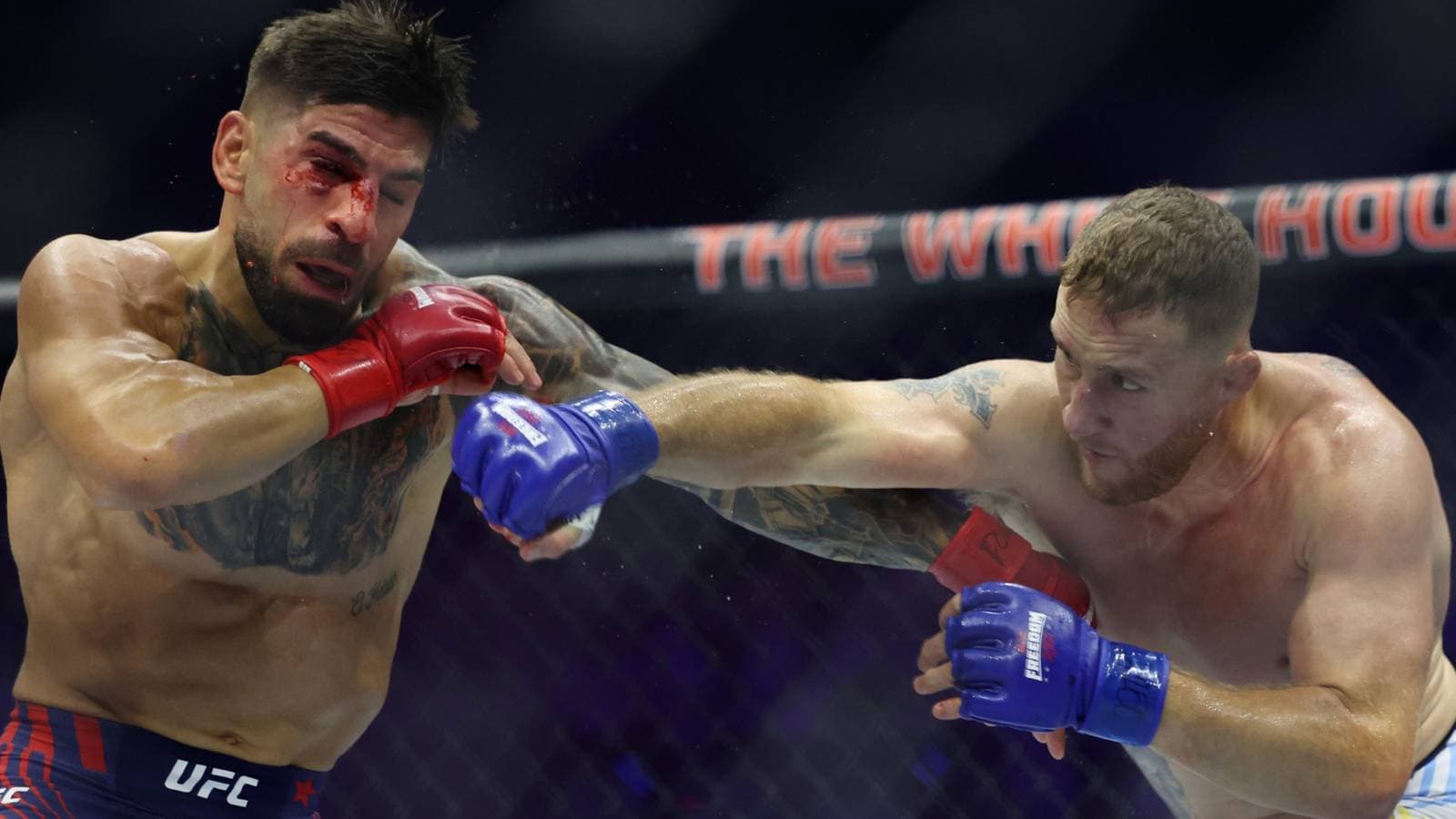
Ilia Topuria Accuses Justin Gaethje After UFC Defeat

Tyson Fury vs Anthony Joshua Fight Date and Venue Confirmed
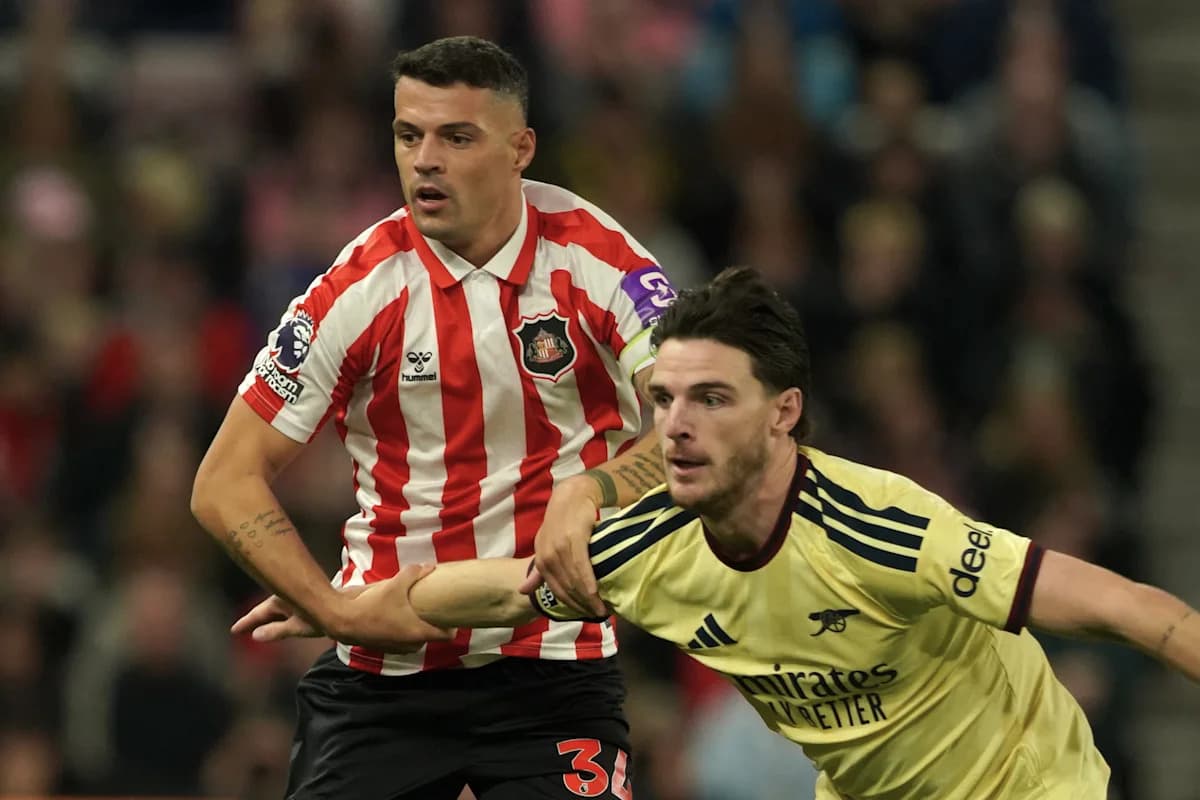
Switzerland Calls Up In-Form Sion Striker Winsley Boteli for Nations League
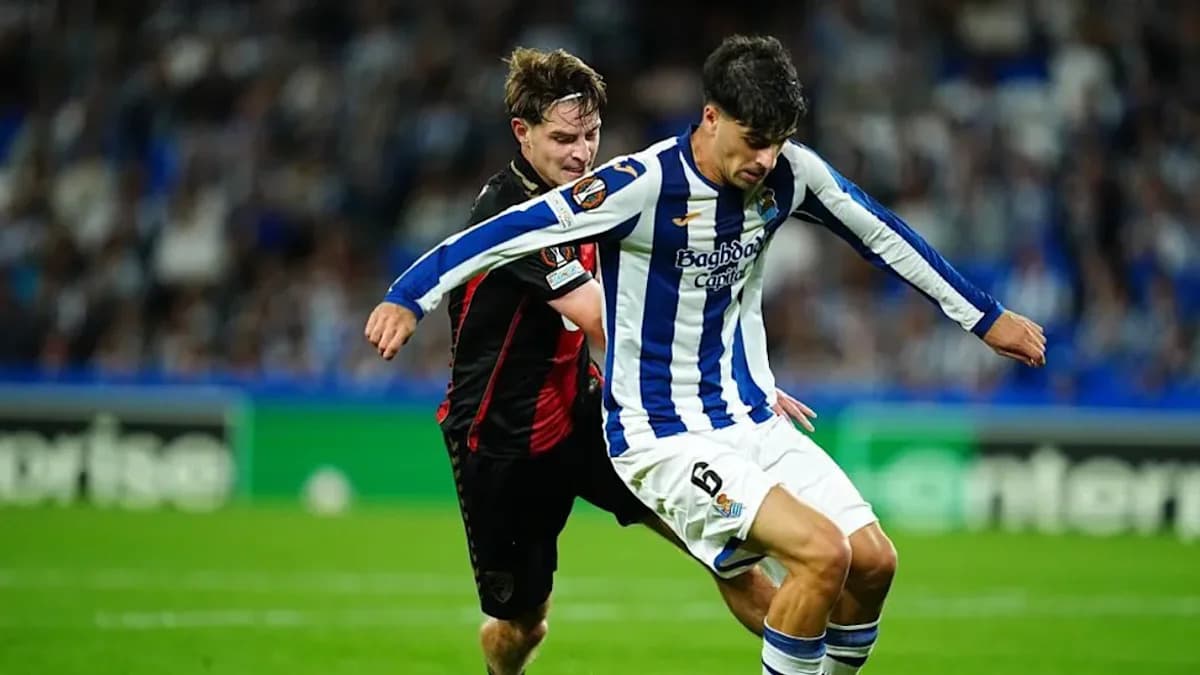
Bournemouth Secures Historic 2-1 Win Over Real Sociedad in Spain
Portugal Announces Squad for 2026 UEFA Nations League; Cristiano Ronaldo Expected to Play
Raphinha Channels Ronaldo Nazario as Barcelona's Leading Striker After Position Change