
Cape Verde's Remarkable World Cup Group Stage Journey
Cape Verde arrived at this World Cup as the story everyone admired from a distance. They leave the group stage as a nation that refused to blink when history stared straight back at them.
On a tense night in Houston, Bubista’s side did exactly what they needed to do: they held Saudi Arabia at arm’s length, protected their point and, for long stretches, looked the only team capable of winning a game that meant everything.
All while keeping one ear on Guadalajara.
Spain, already bruised by that astonishing opening draw against Cape Verde, faced Uruguay with top spot and survival on the line in Group J. The permutations were simple enough: as long as Cape Verde avoided defeat and Spain did their part, the African islanders would complete one of the great group-stage escapes.
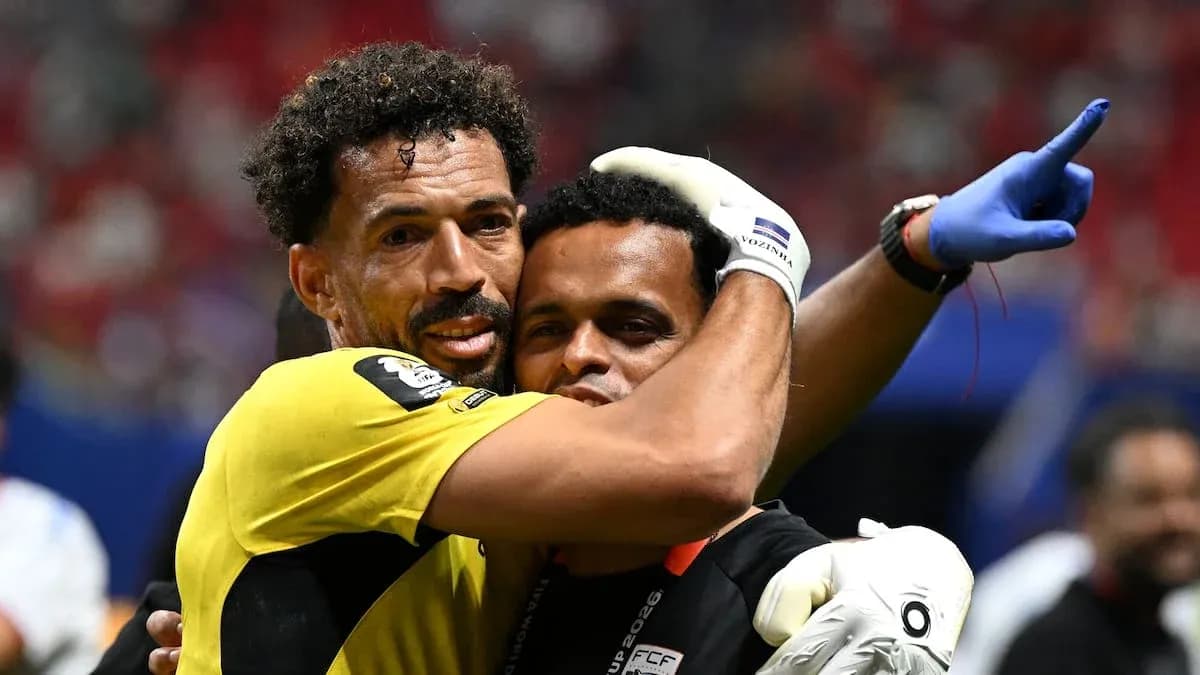
Bubista, feeling the weight of the moment, was bold. He changed half his starting XI, some of it forced, some of it tactical, but he kept faith with the man who had dragged them into contention in the first place: Vozinha. At 40, the goalkeeper has become the heartbeat of this campaign, and again he stood tall.
Cape Verde had already shaken the tournament to its core. In their first-ever World Cup match, they clung on for a 1-1 draw with European champions Spain, Vozinha repelling wave after wave of pressure to secure a point that felt like a miracle. Then came a wild 2-2 draw with two-time world champions Uruguay, a result that turned a fairytale debut into a live, breathing opportunity.
So by the time they walked out to face Saudi Arabia, the equation was no longer romantic. It was brutal. Win or draw, and the dream stayed alive.
Cape Verde started like a side that understood that. They edged the first half, sharper in the duels and more assured on the ball, against a Saudi team still reeling from a 4-0 hammering by Spain after an opening 1-1 draw with Uruguay. The Saudis tried to settle, but their night took a serious hit on 33 minutes when experienced defender Hassan al-Tambakti went down and had to be stretchered off, depriving them of calm at the back when they needed it most.
Chances were scarce, nerves abundant. Willy Semedo came closest before the break, cutting across a shot that fizzed just wide of the Saudi post. It was a reminder that Cape Verde were not just here to survive; they were here to punch back.
Then, from Mexico, came the roar. Spain struck first against Uruguay towards the end of the first half in Guadalajara. Word filtered through the stands in Houston, and the reaction from the Cape Verde fans was instant – a burst of noise, flags whipping in the air. At that moment, with Spain leading and Cape Verde level, Bubista’s men were going through at Uruguay’s expense.
The second half began with the kind of chance that can define a tournament. Three minutes after the restart, Jamiro Monteiro found himself close in, the ball sitting up kindly. The stadium seemed to hold its breath. His finish, though, lacked conviction, allowing the opportunity to slip away. Kevin Pina followed up with a strike from distance that screamed just off target. Cape Verde were tightening the screw; the goal just would not come.
Saudi Arabia, needing to chase the game and their own qualification hopes, never quite found the creativity the situation demanded. As the minutes drained away and the tension ratcheted up, they looked short of ideas, struggling to unpick Cape Verde’s organisation or disrupt their rhythm.
The pressure finally told at the other end. In the 75th minute, Laros Duarte burst through and forced Mohammed al-Owais into a crucial save, the Saudi goalkeeper spreading himself to keep his side alive. It was a big moment, and it came from Cape Verde again asking the questions.
By then, the dynamic was striking. A draw was enough for the islanders, yet they played with the conviction of a team chasing all three points. They managed the game, they managed the clock, and they managed their emotions in a situation that could have overwhelmed them.
As the match crept into its dying minutes, Cape Verde stood on the brink of something that, only a few weeks earlier, would have sounded fanciful: emerging from a World Cup group containing Spain, Uruguay and Saudi Arabia with their heads high and their destiny in their own hands.
For a country scattered across the Atlantic, this campaign has already redrawn the map. The question now is not whether Cape Verde belong on this stage, but how far this fearless group can push the line.
Related News

Raphinha’s Hat-Trick Powers Barcelona to 7-2 Victory Over Racing Santander

Carabao Cup Fourth Round Draw: Liverpool Set to Clash with Chelsea, Arsenal to Face Fleetwood Town
Key Football Matches to Watch in Azerbaijan This Autumn
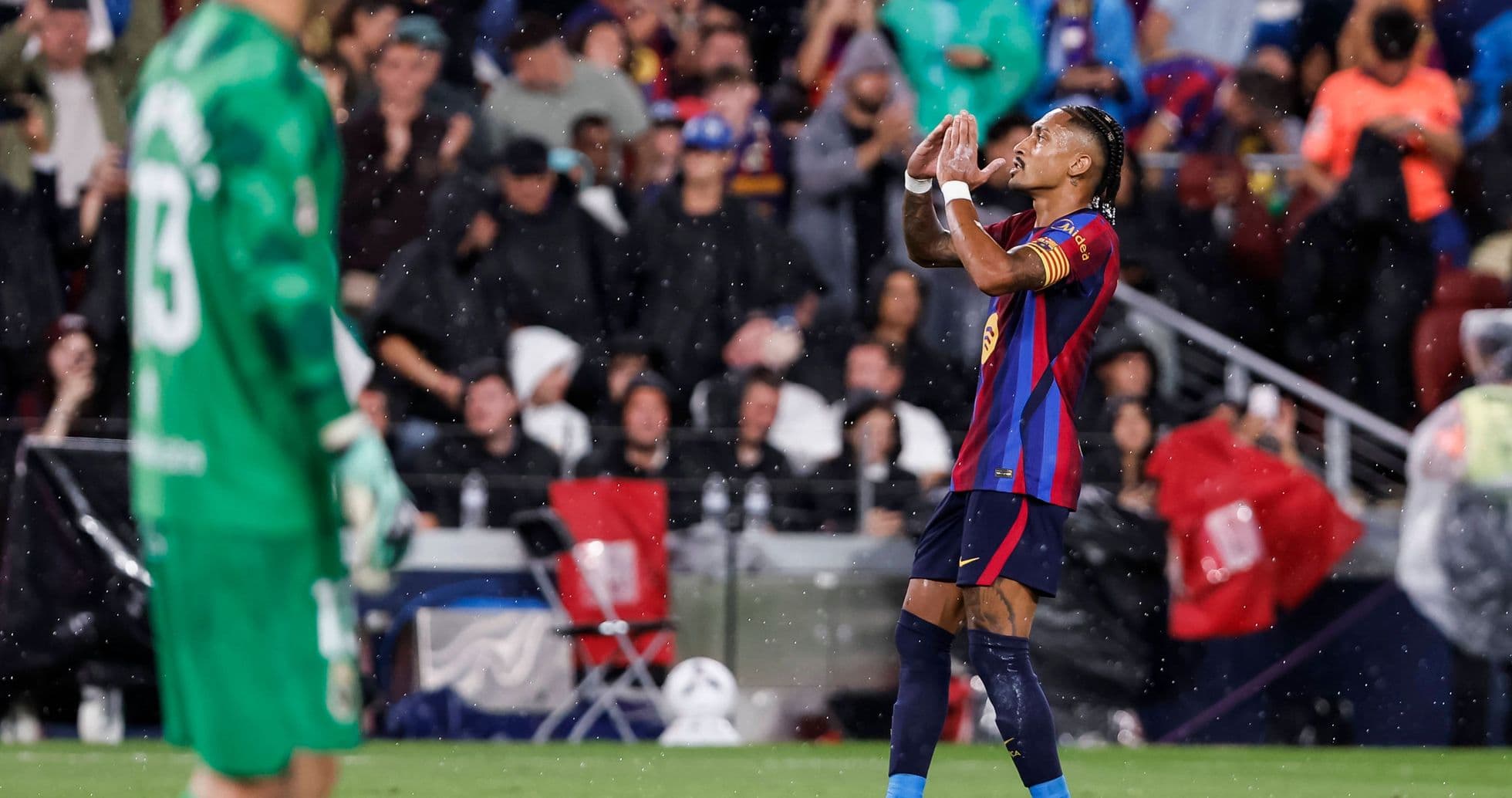
Raphinha's Hat-Trick Drives Barcelona to 7-2 Triumph Over Racing Santander
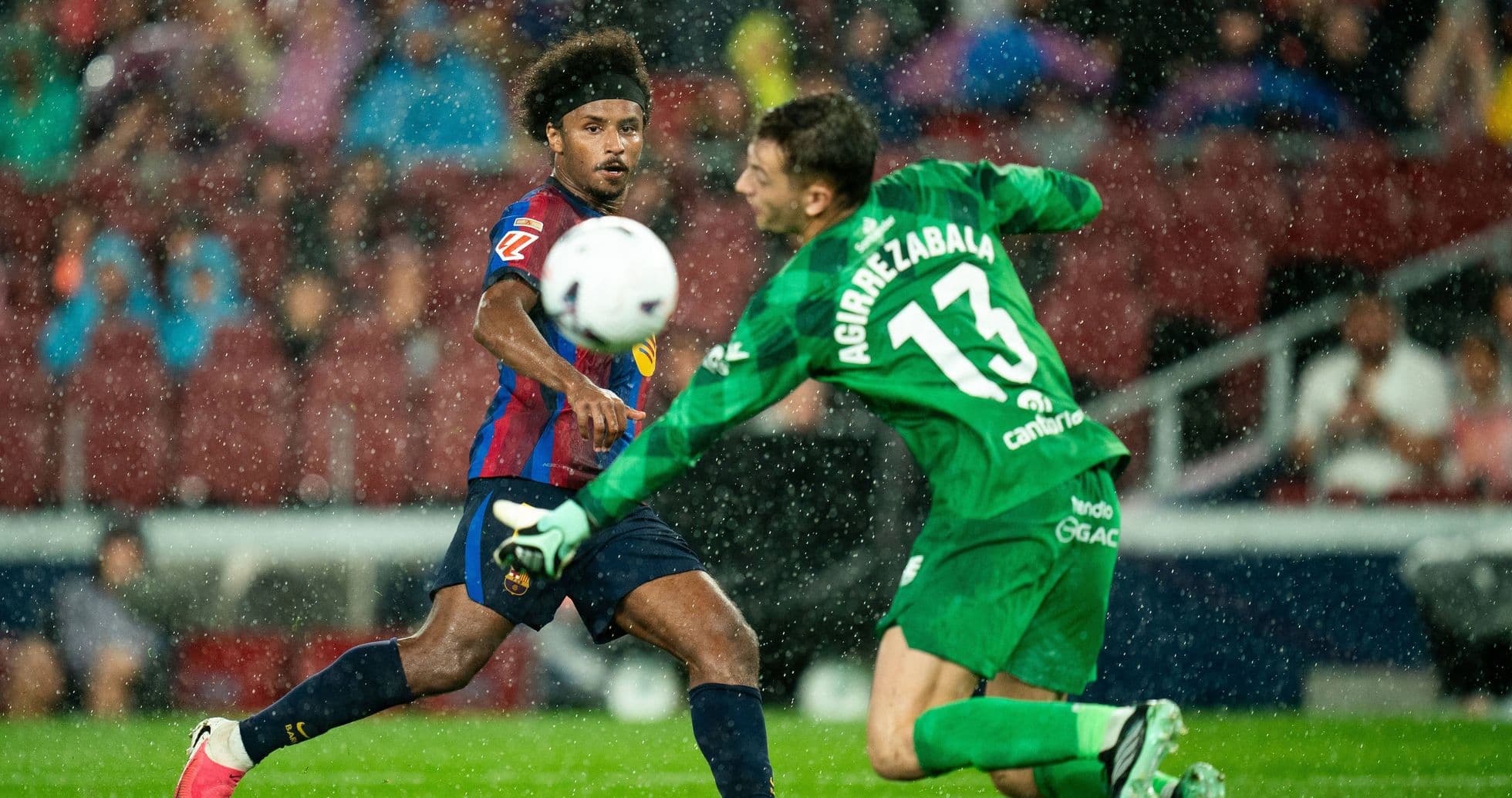
Hansi Flick Leads Barcelona to Record-Breaking Seven Wins in a Row
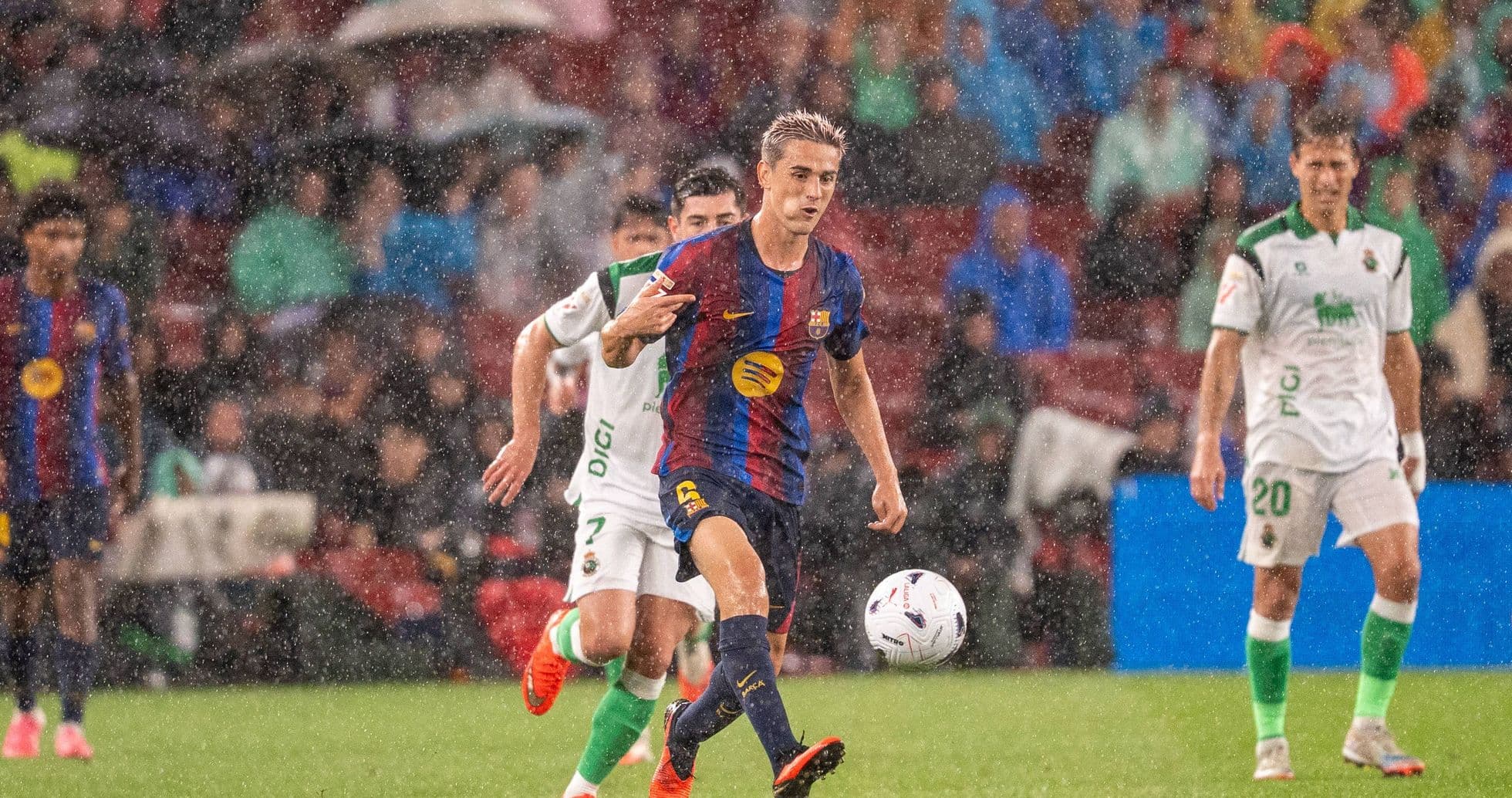
Gavi Reflects on Injury Return as Barcelona Dominate Racing Santander 7-2