

Butt backs Tuchel as Rogers threatens Bellingham’s spot
Nicky Butt can see it already. One misstep from a superstar, one sluggish group game, and Thomas Tuchel will swing the axe.
The former England midfielder is convinced the national team’s new manager will show no mercy to big names at the 2026 World Cup – and he believes Aston Villa’s Morgan Rogers is the man most likely to shove Jude Bellingham out of the way.
Bellingham heads into the tournament with the kind of season every elite player dreads: fragmented, frustrating, constantly interrupted. A shoulder problem, then a hamstring issue, cut into his rhythm and his minutes. He still managed 40 appearances for Real Madrid in all competitions, starting 30 of them, but the flow that defined his breakout campaigns never truly returned.
Rogers comes in from the opposite direction. Full throttle.
The 23-year-old has just driven Aston Villa to a Europa League title and a fourth-place finish in the Premier League, stacking up 13 goals and 11 assists across those two competitions. His numbers match the eye test: direct, inventive, dangerous between the lines.
Inside the England camp, his role is growing. Since his debut in 2024, Rogers has featured in 13 of England’s 14 matches, a near ever-present in Tuchel’s early plans. Butt sees more than just a squad option.
Speaking to Paddy Power, he lined Rogers up alongside England’s established stars: Harry Kane, Declan Rice, Bukayo Saka, Bellingham. Then he drew a sharp distinction.
Rogers, Butt argued, could be the one who truly explodes.
So much, in his view, hinges on how Bellingham starts the tournament. If the Real Madrid midfielder catches fire from the first whistle, the conversation changes. If he doesn’t, if Kane looks isolated, if the goals dry up, Tuchel will not sit on his hands.
There is always one, Butt pointed out – one player who arrives as a supporting act and leaves as the headliner. Rogers, he insists, fits the profile perfectly for Tuchel: a natural No 10, trusted by the manager, capable of striking from distance when teams bunker in around their own area. World Cups are often decided by those moments from outside the box, when packed defences leave no space inside it.
Butt sees an X-factor there. Not a vague cliché, but a pattern.
Rogers started the season blazing, dipped, then surged again when it mattered most. That arc, Butt believes, sets him up for the World Cup stage. He can picture him coming off the bench, changing tight games, snatching crucial goals. Not just contributing – deciding.
For now, Butt accepts, the starting XI “picks itself”. Rogers, in his eyes, won’t walk straight into it. Yet that’s where Tuchel’s personality becomes central to the story.
One thing about the new England boss, Butt stressed: he does not care about reputations. He does not protect egos. If Bellingham is not “flying”, Tuchel will take him “out of the firing line” and drop Rogers straight in. No ceremony. No hesitation.
From there, Butt can see a wild scenario unfolding – Rogers going from bit-part squad member to England’s best player at the tournament. It has happened before at major finals, players arriving as background figures and leaving as superstars. He is adamant Rogers has that level of ability.
Yet for all his enthusiasm about individuals, Butt’s view of England’s wider chances is stark.
He is deeply wary of the conditions in North America: the heat, the humidity, the long-haul travel between venues. Layer on top the weight of expectation at home, and he believes simply reaching the latter stages – a semi-final or final – would constitute success.
He doubts that will be how the country sees it.
With the talent in the squad, and with high-profile omissions, Butt expects a semi-final exit to be labelled failure in many quarters. He doesn’t agree, but he knows how the conversation will go.
His own forecast is blunt. He “can’t see” England winning it. The climate, the logistics, the potential of a last-16 tie against Mexico in Mexico City – it all feels stacked against them. Not getting out of the group would be an obvious disaster. Falling before the semi-finals, he warns, would also trigger a backlash.
Those selection calls will loom large in any post-mortem. Tuchel has left out Phil Foden, Cole Palmer, Harry Maguire and Trent Alexander-Arnold, all headline names, even if they arrived out of form. If England fall short of the latter stages, Butt is certain where the blame will land.
Straight at Tuchel.
And if that happens, he does not see the relationship surviving. From The FA’s perspective and from Tuchel’s own, Butt expects a parting of ways. The German, he argues, looks every inch a club coach – someone who wants the daily grind, the training ground, the constant rhythm of matches. The England job, enormous as it is, may prove a brief detour if the World Cup ends badly.
Look beyond England, and Butt’s eye is drawn back to the traditional powers. The conditions, he believes, tilt the field towards teams used to heat and humidity. Brazil and Argentina sit at the front of his mind.
He knows this Brazil is not the galáctico circus of Ronaldo, Rivaldo, Ronaldinho and Roberto Carlos, not a side stuffed with that level of global icon. But he still sees them, along with Argentina, as the most likely to go the distance.
Spain, he says, deserve favourite status in some quarters. Their technical control, their ability to cope with the climate, and the size of their travelling support all point towards a deep run. Butt can easily imagine them “there or thereabouts”.
Yet when he strips it all back, his instinct keeps circling the same two names: Brazil and Argentina.
Somewhere in that mix, under that heat, with that pressure, England and Tuchel will have to find a way to survive. And if Morgan Rogers does step past Jude Bellingham and into the spotlight, the story of their World Cup might look very different from the one anyone expected.
Related News

Raphinha’s Hat-Trick Powers Barcelona to 7-2 Victory Over Racing Santander
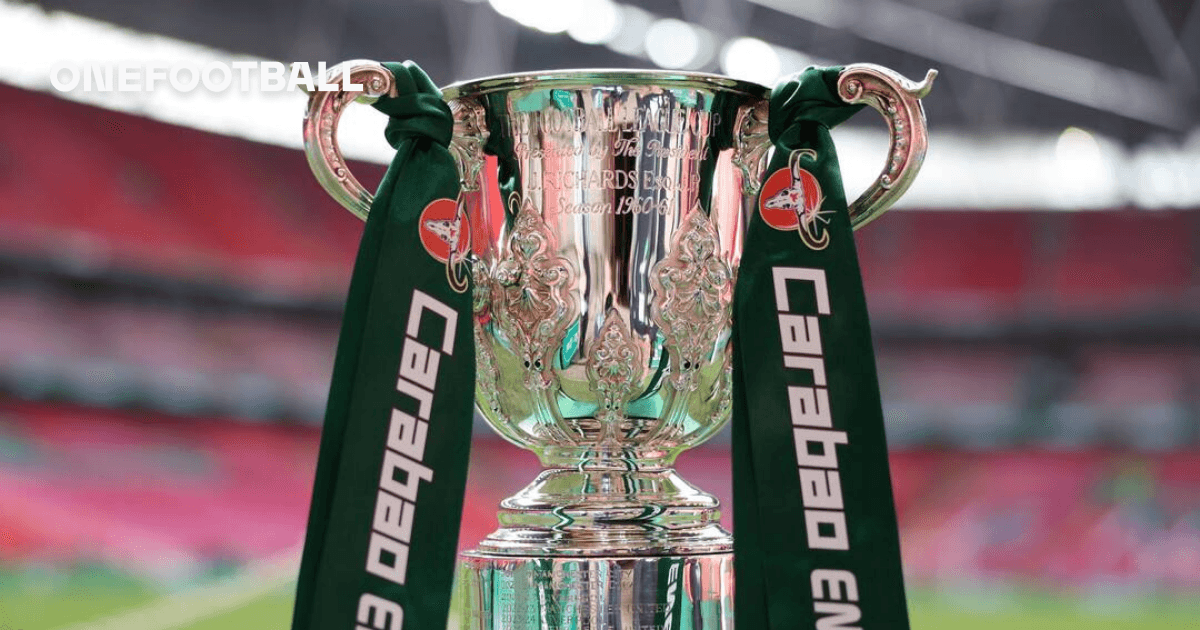
Carabao Cup Fourth Round Draw: Liverpool Set to Clash with Chelsea, Arsenal to Face Fleetwood Town
Key Football Matches to Watch in Azerbaijan This Autumn
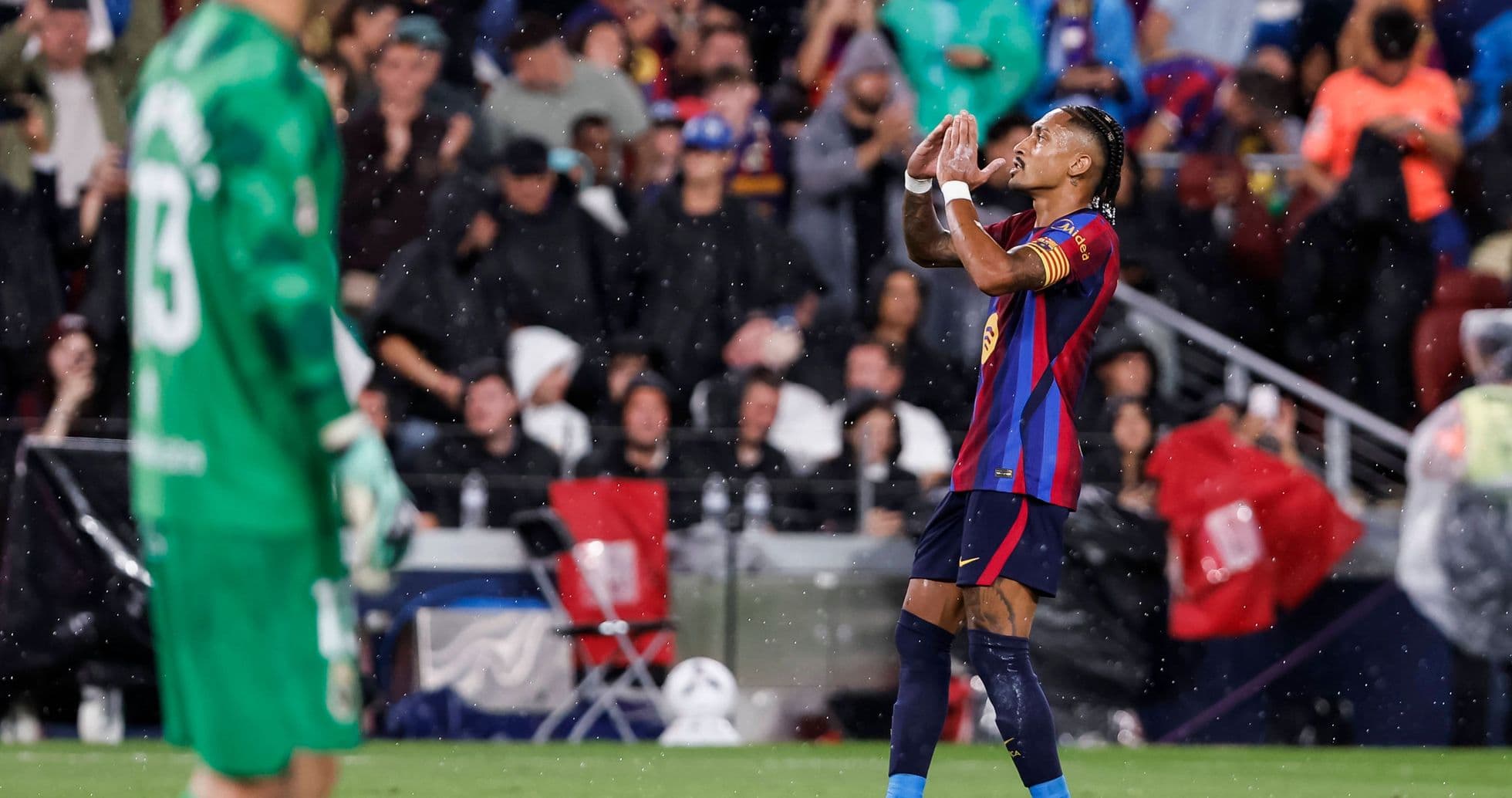
Raphinha's Hat-Trick Drives Barcelona to 7-2 Triumph Over Racing Santander
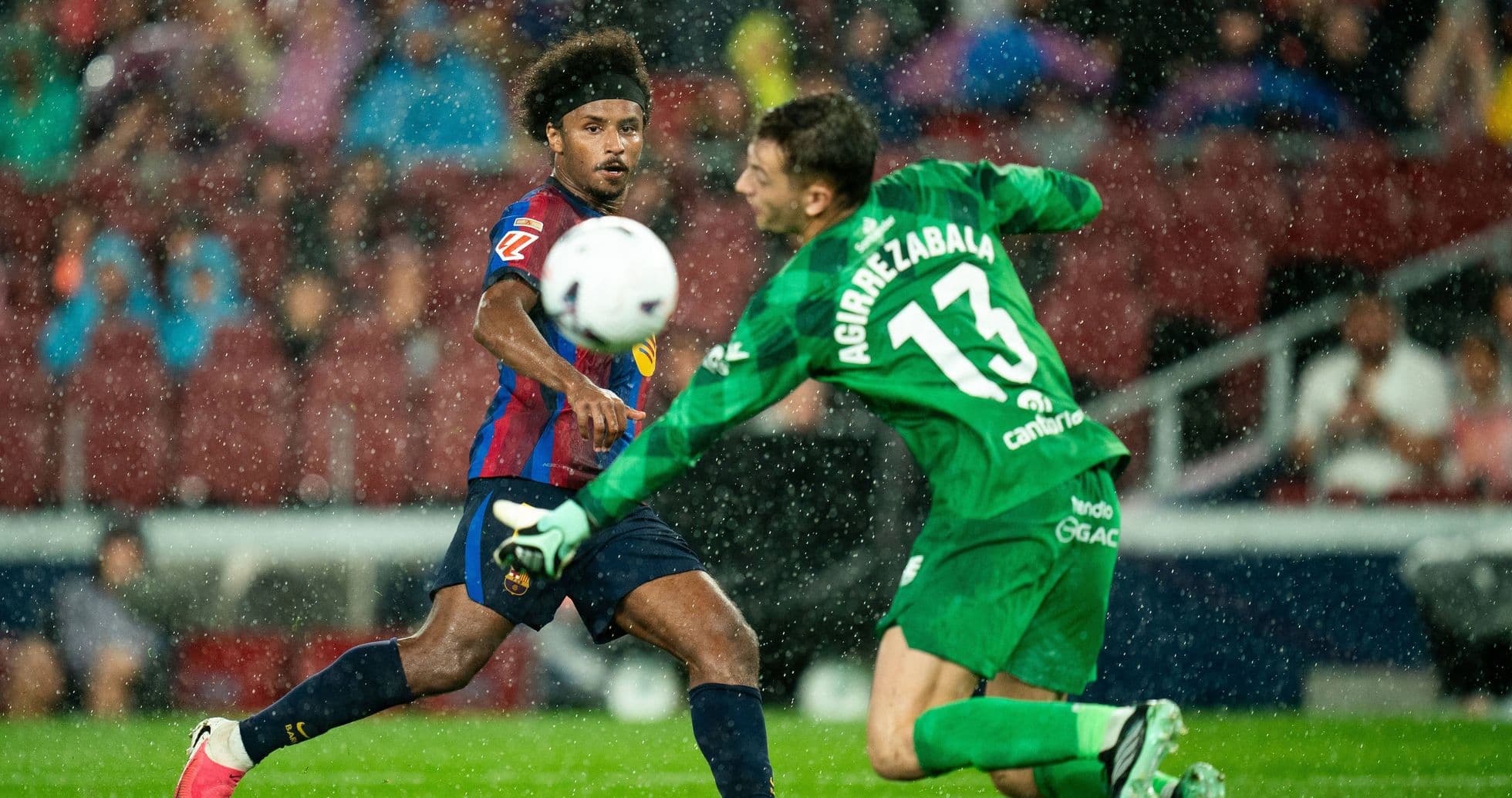
Hansi Flick Leads Barcelona to Record-Breaking Seven Wins in a Row
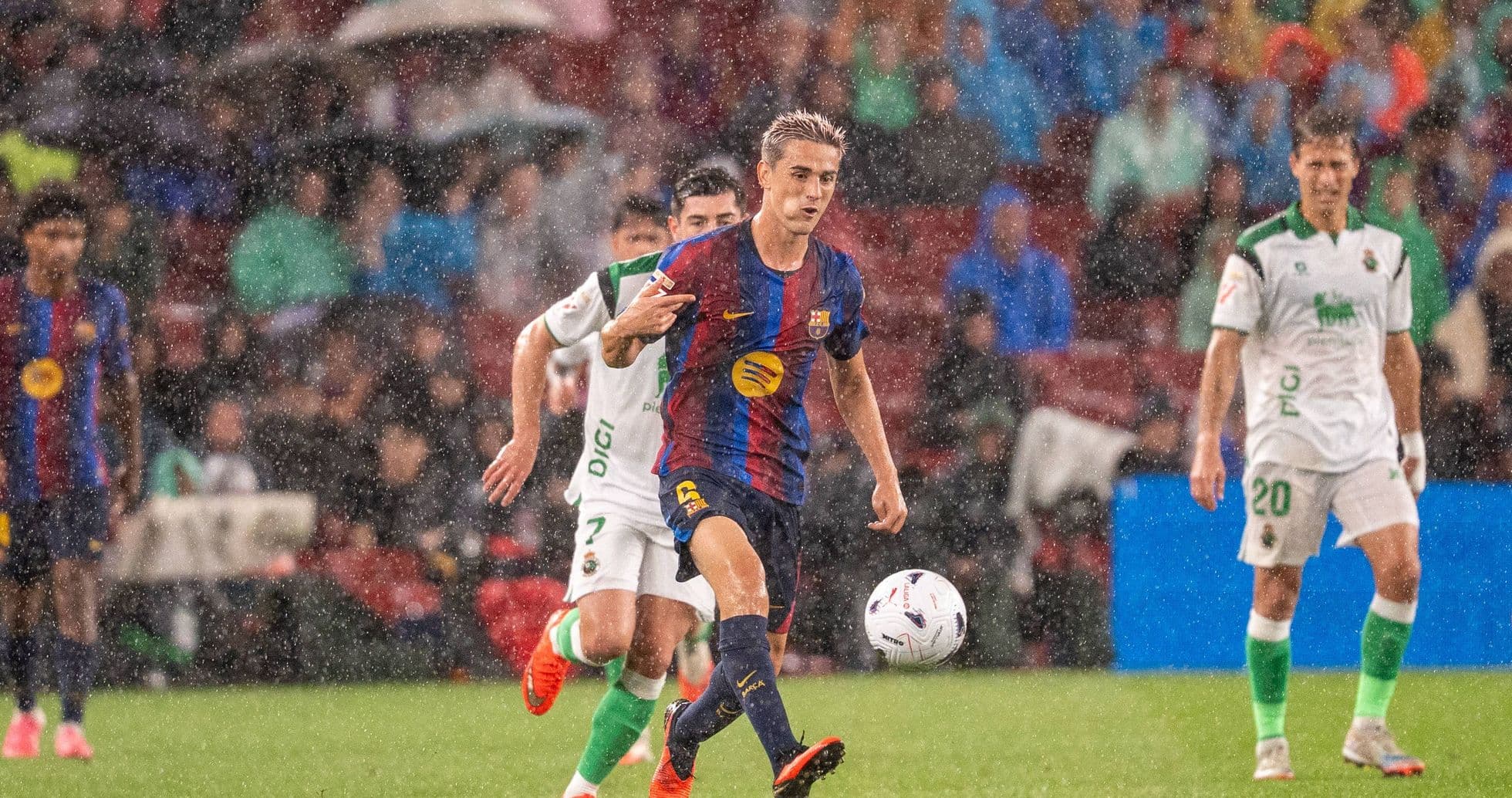
Gavi Reflects on Injury Return as Barcelona Dominate Racing Santander 7-2