
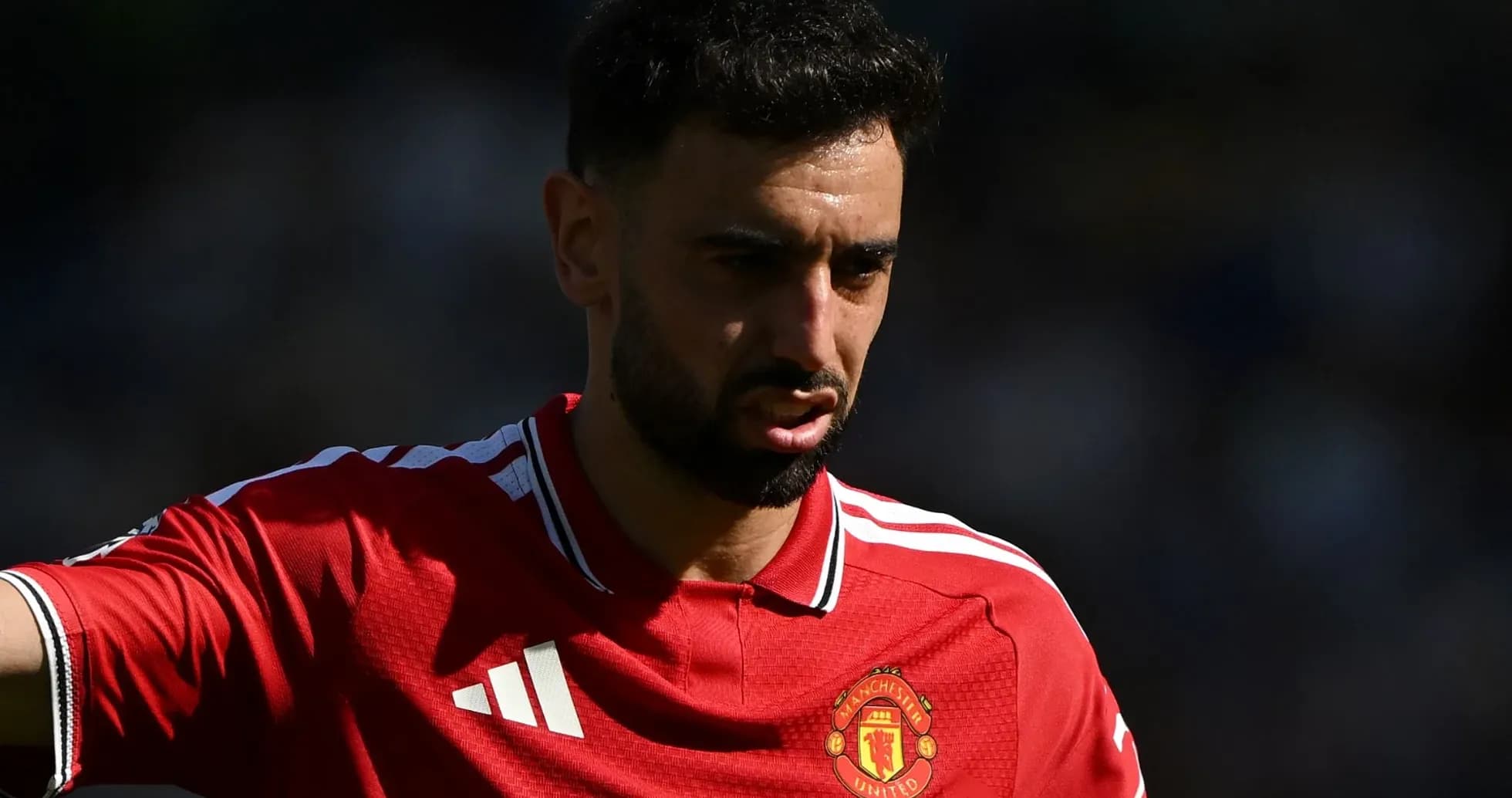
Bruno Fernandes' Future at Manchester United: A Critical Decision
Manchester United know the score. Lose Bruno Fernandes now, and the rebuild they keep talking about starts to look like a demolition.
The club captain is into the final year of his current deal, though United do hold a 12‑month option that would carry him through to 2027. That clause buys time. It does not buy certainty. Inside Old Trafford, the preference is clear: tie him down properly, and do it before the new season starts.
The calendar is ticking loudly. The 2026-27 campaign is closing in, Fernandes is back in training after his World Cup duties with Portugal, and United would like the contract noise silenced before the first competitive ball is kicked. For a dressing room that leans on him for standards, that timing matters.
Last season underlined why.
Fernandes delivered 21 assists in the Premier League, ripping a line through the record jointly held by Thierry Henry and Kevin De Bruyne. In a side that veered between chaotic and compelling, he remained the constant. The numbers only told part of the story, but they screamed his importance.
He turns 32 in early September. In modern contract meetings at big clubs, that number usually triggers caution, spreadsheets, and talk of “value”. United’s own internal rules on deals for players over 30 have been repeatedly referenced around the club.
Yet Fernandes is not a theory. He is a reality they cannot easily replace.
Since arriving in January 2020, he has become the face of the post-Sir Alex era more than anyone else who has passed through the doors. Five Player of the Year awards, 327 appearances, 107 goals, and the armband since 2023. He has dragged United through games, seasons even, by sheer force of will.
There has been temptation to test that bond. Saudi Pro League interest has already knocked at the door, at a time when United were at least open to listening on several senior names. Those approaches were rebuffed. Now the club are trying to move from reactive to proactive, locking down the one player they simply cannot afford to turn into a saga.
Not everyone at Old Trafford has always agreed on who should stay and who should be moved on. On Fernandes, the consensus is growing.
Michael Owen, who knows what it means to chase titles in a United shirt, believes this is one of those moments when policy should bend to reality. He has been clear: if he were in United’s position, he would “absolutely do everything” to secure an extension.
There are, as Owen pointed out, “rules and regs” about age, salary structures, and contract length. Clubs talk about not giving long deals to players on the wrong side of 30, about not overpaying, about protecting the future. All sensible in theory.
Then you look at Fernandes, and those neat guidelines start to fray.
Owen’s stance is blunt. United, he says, should be ready to “break the rules” for a player this central. He cannot imagine going into the season without him. Age, in his view, is a distraction. Importance is the only metric that counts.
Mikael Silvestre, another former United defender who knows the weight of expectation at Old Trafford, lands in a similar place. He welcomed Fernandes’ decision to turn down Saudi interest and stay during what he called a “difficult moment in the transition”.
Silvestre’s verdict on last season is striking: despite the turbulence, he believes Fernandes “was the best player of the league”. For a club clinging to any sign of upward movement, keeping that level of performer is non-negotiable.
Yet there is another layer to this discussion, one that speaks to legacy rather than just loyalty.
Silvestre drew a comparison with Steven Gerrard – a Liverpool great who never lifted a Premier League title but still carved out an enormous place in the club’s history thanks to his Champions League triumph and his influence over an era. Fernandes’ footprint at United, Silvestre argues, is already “big”.
To become something more, to move from talisman to true legend, the equation is brutal: he needs a major title. The Premier League. Or the Champions League. Something that anchors his numbers and his leadership to a period of genuine success.
Fernandes has an FA Cup and a Carabao Cup on his CV. Respectable, important, but not defining at a club that measures itself in league titles and European nights. For all his influence, United have not yet produced a season that will be replayed for decades with him at the centre of it.
That is the crossroads now. United must decide if they are prepared to commit to a 32-year-old captain as the heartbeat of the next phase, even if it means stepping away from their carefully drawn lines on contracts for over‑30s. Because the alternative is stark: allow the deal to run down, lean on the option year, and invite uncertainty around the one player who still looks indispensable.
The club can trigger that extra 12 months whenever they choose. The smarter play is to make it irrelevant.
Fernandes wants to compete at the very top. United say they want to return there. The contract on the table in the coming weeks will show whether those ambitions truly align – or whether one of the defining figures of this era ends up chasing the titles he craves somewhere else.
Related News
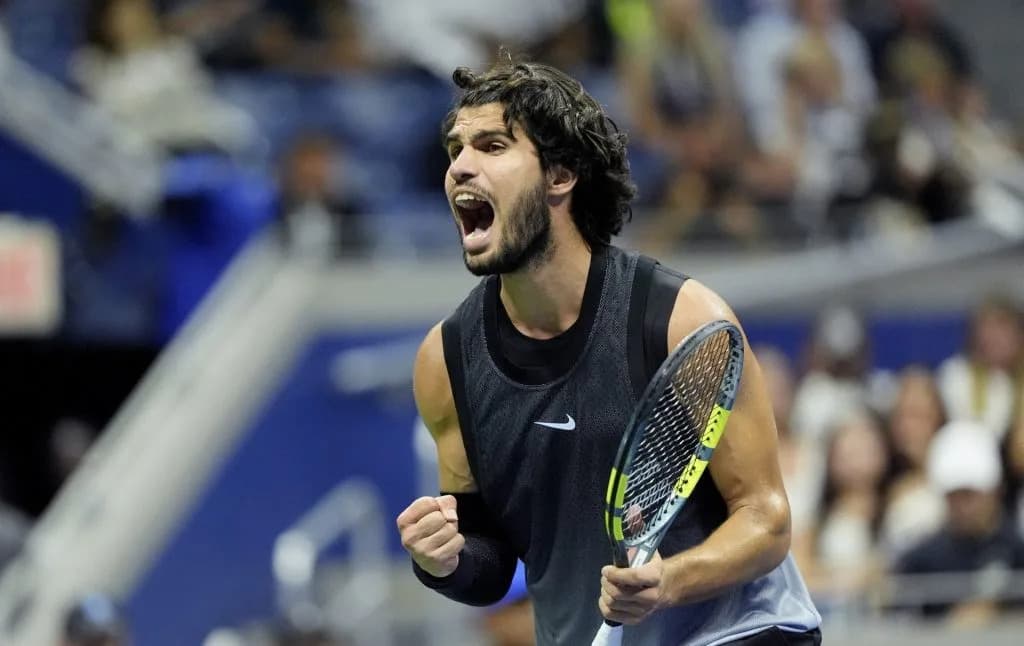
Carlos Alcaraz Urges Tennis Organizers to Stop Matches Finishing in the Early Morning
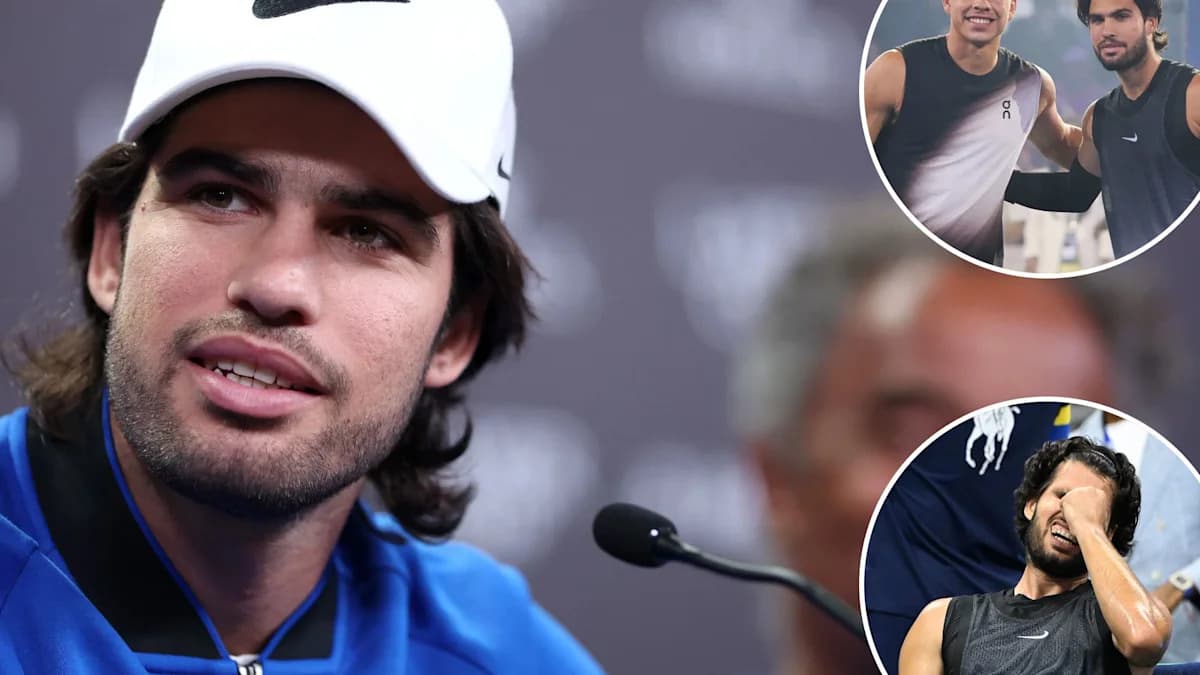
Carlos Alcaraz Frustrated by 3:30 a.m. US Open Finish: 'Too Much'
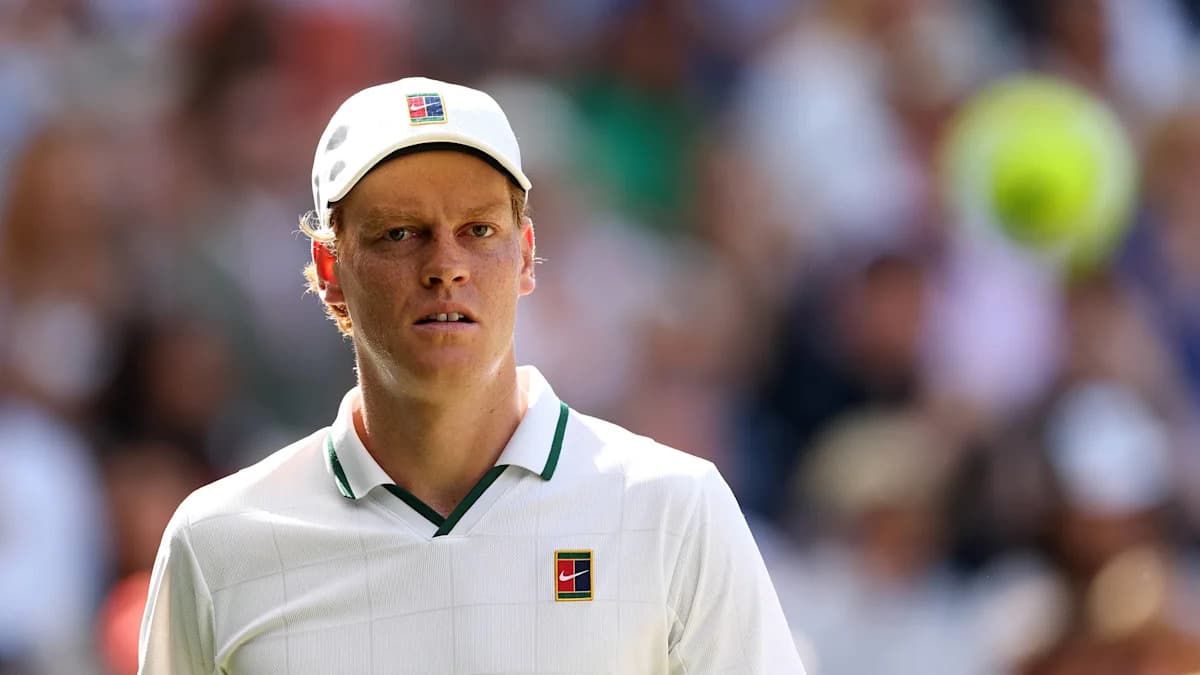
Jannik Sinner Set for ATP 500 Return in Beijing with Novak Djokovic Also Competing

Meet Iva Jovic: The Rising American Tennis Talent
Flavio Cobolli Shares Insights on Training with Jannik Sinner Ahead of His Tennis Return

Till vs Romero: Fight Details, Undercard, and Viewing Info for This Weekend