
Brazil vs Norway: Haaland and Vini Jr Set for World Cup Showdown
Brazil against Norway. Five stars against a team still trying to carve out its first deep World Cup run. A football superpower hunting an end to a 24-year drought meets a nation riding a wave of noise, goals and belief.
The stage is set for 5 July 2026, 16:00 EST, 21:00 GMT. One of them goes home.
Brazil’s old weight, Ancelotti’s new edge
There is no such thing as a quiet Brazil tournament. Not when five titles hang over every squad photo. Not when 2002 feels both recent enough to remember and distant enough to hurt.
Carlo Ancelotti has steadied the ship and sharpened the edge. His Brazil side came through Group C on top, but they’ve already been forced to show more than samba and swagger.
The World Cup began with a stumble: a 1-1 draw with Morocco on Matchday 1. Since then, the results have hardened. A pair of 3-0 wins over Haiti and Scotland restored order and confidence. Then came Japan, and the first real tremor.
Against Japan, Brazil looked human. Vulnerable. They trailed, they wobbled, they flirted with trouble. Then the pressure told. Deep into stoppage time, with the clock ticking into the 95th minute, Gabriel Martinelli arrived with the kind of cold-blooded finish that turns a scare into a statement. His strike sealed a 2-1 win and a place in the Round of 16, and it also wrote a sliver of history: the latest normal-time goal ever scored in a World Cup knockout match.
Behind that drama lies a structure Ancelotti trusts. A defensive and midfield core loaded with experience: Alisson behind Danilo, Marquinhos and Gabriel; Casemiro and Bruno Guimarães patrolling the middle. Around them, individual brilliance is expected to tilt the margins in the final third.
No one embodies that more than Vinicius Junior. Vini Jr has scored in all three group games, a talisman in yellow and green, and every Brazil attack seems to bend towards him. If this run is going to stretch into July, his fingerprints will be all over it.
Bruno Guimarães has become the quiet conductor. His four assists lead the tournament; only Pelé has ever produced more for Brazil in a single World Cup. When Brazil start to hum, it usually runs through him.
And yet, for all the star power, one name still dominates the noise.
The Neymar question
Neymar is 34 now, back at Santos, and still the lightning rod of a nation. He arrived at this World Cup under a cloud of fitness doubts, and so far the tournament has barely seen him. Fourteen minutes against Scotland. Nothing at all against Japan.
His presence on the bench feels less like a luxury and more like a dilemma. Does Ancelotti gamble on nostalgia and reputation, or lean into the future that is already knocking at the door?
Endrick is that future. At 19, the Real Madrid star-in-waiting has been eased into the spotlight: half an hour against Haiti, a late cameo against Scotland, then the entire second half versus Japan. That last decision felt significant, a sign of growing trust in a teenager who plays as if he doesn’t understand the concept of fear.
Rayan, also 19 and already making his name at Bournemouth, is another live wire in the wide areas and should start again. With Lucas Paquetá now a major doubt after the injury he suffered against Japan, the door is open for Endrick to move from impact substitute to starter.
Ancelotti has decisions to make. Raphinha’s return to training offers another option out wide, but there is no confirmed XI yet. What is clear is that Brazil’s attack is shifting, almost in real time, from one generation to the next.
Norway’s noise, Haaland’s hunger
Norway have arrived at this World Cup with a different kind of history. They don’t bring five trophies; they bring fresh chaos. Their fans have lit up the tournament with relentless, booming chants, and the team has matched that energy on the pitch.
Four Norway games. Eighteen goals.
Ståle Solbakken’s side has been anything but dull. He rotated heavily in a 4-1 defeat to France, saving legs and risking the scoreline, but the big guns returned for the Round of 32 against Ivory Coast. The stakes were higher. So was the quality.
Antonio Nusa bent in a stunning curled effort to set them on their way. Then, as the game crept towards extra time, Erling Haaland did what Erling Haaland does. An 86th-minute winner. A ruthless, almost inevitable finish. A 2-1 victory, Norway’s first-ever win in a World Cup knockout match.
That milestone felt huge. Not just a result, but a marker: Norway are not here for the postcard. They’re here to swing at giants.
And they have the perfect heavyweight for that role.
Haaland’s numbers at this World Cup are already frightening: five goals and a thirst for more. His broader record is scarcely believable. For Manchester City, 112 Premier League goals in 132 games in one of the most unforgiving leagues on the planet. For Norway, 60 goals in 53 caps. More goals than appearances for his country.
Feeding him is Martin Ødegaard, the architect. The Arsenal playmaker has assisted in three consecutive World Cup matches, the first man to do that since Dirk Kuyt in 2010. He drifts between the lines, sees passes others don’t, and when he finds Haaland’s run, defences tend to suffer.
Around them, there is size and threat. Alexander Sørloth offers another focal point. Nusa brings flair and unpredictability from wide areas. Sander Berge and Patrick Berg give the midfield a mix of control and bite.
Solbakken has not nailed down a projected XI publicly, and there are no confirmed injuries or suspensions in the Norway camp. The likely framework is clear, though: Nyland in goal; a back four built around Kristoffer Ajer and Torbjørn Heggem; Ødegaard, Berge and Berg in midfield; Sørloth, Haaland and Nusa leading the line.
Haaland vs Gabriel: a Premier League rivalry goes global
If there is one personal duel that jumps off the page, it is the collision between Haaland and Gabriel Magalhães.
They know each other too well. In England, Manchester City and Arsenal have spent recent seasons locked in a title arm wrestle, and their individual battles have been some of the most compelling in the Premier League. Gabriel relishes the physical confrontation, the grappling, the aerial duels. Haaland relishes all of it too — and the chance to break free.
Now that rivalry gets a World Cup frame. Same combatants, different colours, even higher stakes. Expect them to be snarling, jostling, talking, testing each other’s limits from the first whistle. It is a contest built on pure competitive fire, underpinned by a clear mutual respect.
Whoever wins that fight might well decide the tie.
Key numbers, sharp edges
The numbers around this match tell their own story of momentum and threat:
- Martinelli’s 95th-minute goal against Japan stands as the latest normal-time strike in World Cup knockout history.
- Bruno Guimarães leads the tournament with four assists, sitting in rarefied company with only Pelé ahead of him for Brazil in a single World Cup.
- The comeback win over Japan was the first time since 2002 that Brazil have come from behind to win a World Cup knockout match. That year ended with a trophy.
- Norway’s 2-1 victory over Ivory Coast was their first-ever World Cup knockout win, a psychological barrier smashed.
- Ødegaard’s run of assists in three straight World Cup games has not been matched since Kuyt in 2010, underlining his influence.
The historical head-to-head offers almost nothing to lean on: just a 1-1 friendly draw in Norway back in August 2006. Two decades on, that game is little more than a footnote. This is new territory.
Lineups, form and what’s at stake
Brazil’s 26-man squad is stacked with star power and depth: Alisson and Ederson in goal; Marquinhos, Gabriel and Danilo at the back; Casemiro and Bruno Guimarães in midfield; Vini Jr, Martinelli, Cunha, Raphinha, Endrick, Neymar and Rayan up front. The pieces are there to go all the way.
Norway’s group is less decorated but no less intriguing: Nyland in goal; Ajer, Heggem and Møller Wolfe among the defensive options; Ødegaard, Berge and Aursnes in midfield; Haaland, Sørloth, Nusa and Oscar Bobb offering varied attacking profiles.
Brazil topped Group C. Norway came through as runners-up in Group I. One arrives with the weight of expectation, the other with the freedom of a team that has already made history.
Kick-off in 2026 brings a simple question with a complicated answer: does Brazil’s experience and star quality finally drag them closer to a sixth star, or does Norway’s fearless, Haaland-driven surge tear up another script?
Related News
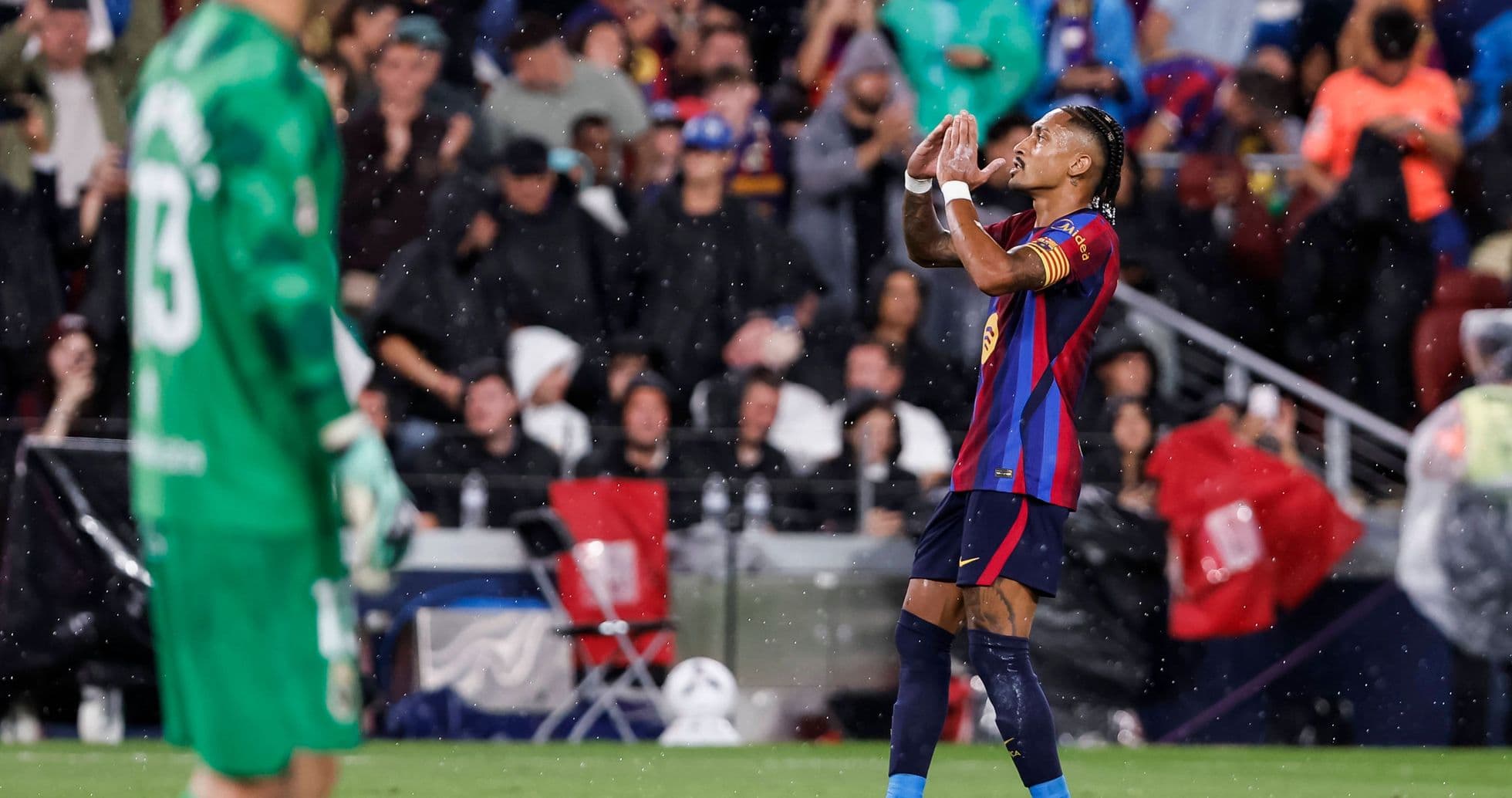
Raphinha’s Hat-Trick Powers Barcelona to 7-2 Victory Over Racing Santander
Carabao Cup Fourth Round Draw: Liverpool Set to Clash with Chelsea, Arsenal to Face Fleetwood Town
Key Football Matches to Watch in Azerbaijan This Autumn
Raphinha's Hat-Trick Drives Barcelona to 7-2 Triumph Over Racing Santander
Hansi Flick Leads Barcelona to Record-Breaking Seven Wins in a Row
Gavi Reflects on Injury Return as Barcelona Dominate Racing Santander 7-2