
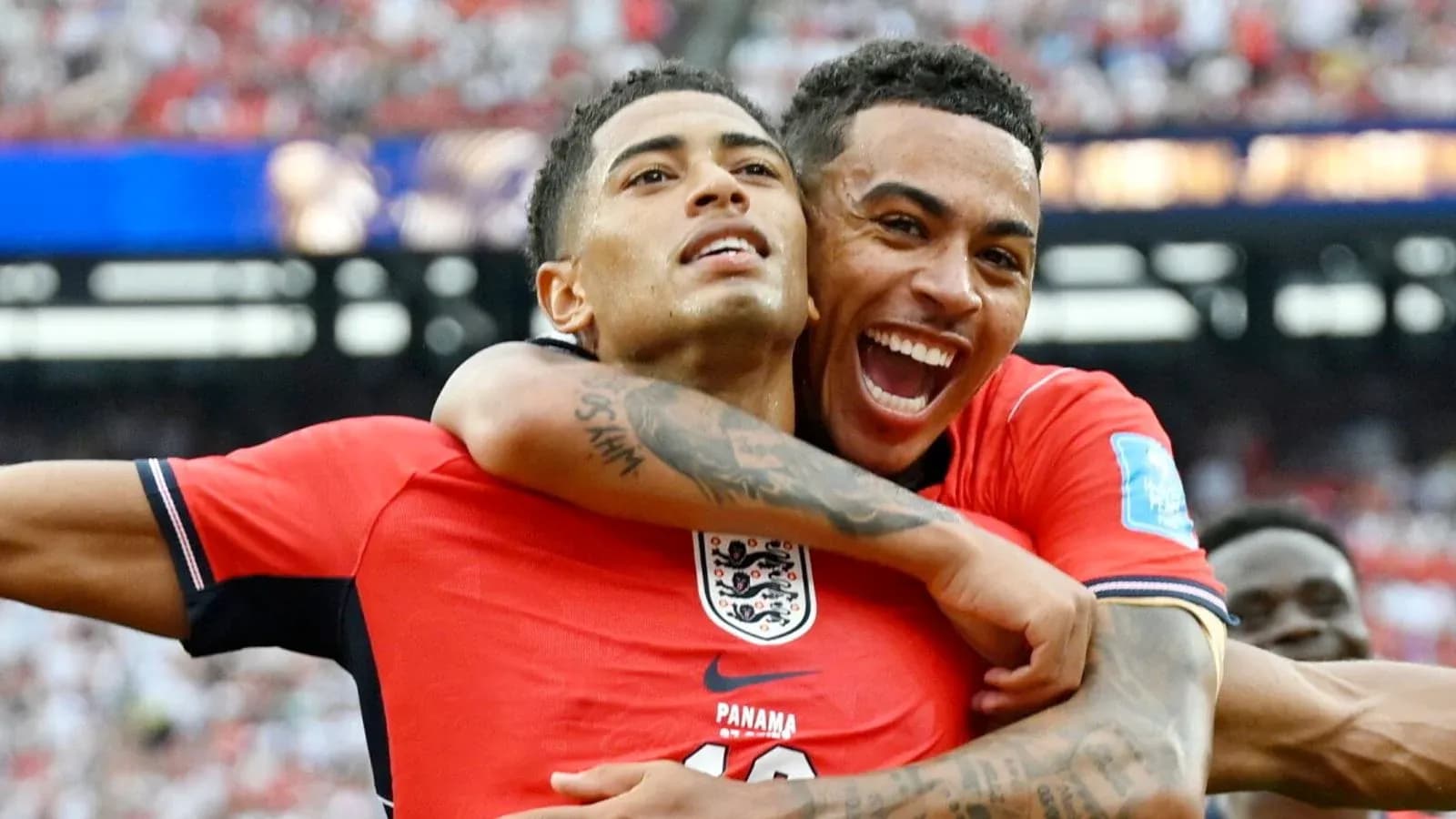
Bellingham's Impact on England's Midfield Strategy
Thomas Tuchel walked away from England’s 2-0 win over Panama with the result he wanted and a fresh problem he didn’t. Jude Bellingham has just turned his midfield plan inside out.
The 21-year-old ran the game from deep, scored one, made one, and looked like he owned every blade of grass. He started alongside Elliot Anderson, not as the headline No 10 but as the engine. It worked. Too well, perhaps.
Because now Declan Rice is coming back.
And that’s where the headache starts.
Bellingham changes the picture
Against Panama, Bellingham didn’t just impress. He dominated.
Operating in the area usually reserved for Rice, he kept dropping in, demanding the ball, then surging past Panama’s first line of pressure. From there, he picked his moments to arrive in the box, timing his runs and dragging defenders into places they didn’t want to go. A goal, an assist, and an all-action performance in a role that gave him the whole pitch to play with.
Paul Merson saw enough to call it what it is for Tuchel: a major problem.
Rice, if fit, plays. That’s the expectation inside and outside the camp. He offers structure, security, and the kind of defensive instincts England will lean on when the opposition gets sharper and the margins smaller. “When we come up against the bigger teams, you’ll need Rice” is Merson’s blunt assessment.
But Bellingham in that deeper role brings something England don’t get from anyone else. When he starts from further back, he becomes far harder to mark. He ghosts past midfield lines, rather than waiting for the ball with his back to goal in a crowded No 10 zone. Panama couldn’t get near him when he surged from deep.
That contrast was stark when you looked at Morgan Rogers.
No 10 conundrum
Rogers, handed the No 10 role, barely got into the game. He suffered the same fate Bellingham did against Ghana, where the Real Madrid star toiled between the lines, constantly showing for the ball but rarely receiving it in useful areas.
It’s the same pattern: England’s play congests centrally, the opposition sit deep, and the man in the hole becomes starved of service. The shirt number says “creator”; the reality says “spectator”.
From deeper, Bellingham escapes that traffic. He can see the whole picture, drive into space, and pick his moments to overload the final third. That’s why Merson believes England have to work out how to get their No 8s and No 10s on the ball earlier and more often.
Argentina feed Lionel Messi relentlessly, even in tight spaces. Merson is clear he’s not putting Bellingham on that level, but the principle stands: if you have a player who can change a game, you trust him with the ball. England, so far, have been too cautious about that.
Which brings Tuchel to a fork in the road.
Rice has to play. Bellingham has to play. So do you pair them as a double pivot and sacrifice Anderson? If you do, who takes the No 10 role in a team that has struggled to get that position into the match? Rogers didn’t seize his chance. Bellingham was blunted there against Ghana. The shirt is still up for grabs, but the supply line into that area is the real issue.
And all this with DR Congo waiting in the last 32, another side likely to sit deep and defend with 10 behind the ball.
Bellingham’s schoolyard energy
Merson loves the way Bellingham plays the game. He likens it to Wayne Rooney in his prime: that schoolyard urgency, the constant demand for the ball, the refusal to drift out of a match.
You can see it in the way Bellingham roams. He wants every touch, every duel, every moment. That’s why the deeper role suits him in this England setup right now. The more he sees the ball, the more the game bends towards him.
Against Ghana, he kept showing, kept making angles, but England didn’t trust themselves to fizz passes into him under pressure. Against Panama, from further back, he didn’t need that same level of risk from his teammates. He took on the responsibility himself, building the play, then finishing it.
The challenge for Tuchel is whether he dares to leave Bellingham deeper, even with Rice back, and accept the knock-on effect that has further up the pitch.
Wide men stuck in second gear
Out wide, England’s threat hasn’t fully ignited either.
Marcus Rashford saw plenty of the ball in the first half against Panama but never really hurt them. He got his start ahead of Anthony Gordon, the clamour for his inclusion answered, but there was little end product to justify the noise.
On the opposite flank, Bukayo Saka looks short of his sharpest level. He may be carrying something; nobody outside the camp truly knows. Merson’s stance is simple: Saka has to play. In the big games, he’s one of England’s non-negotiables.
Right now, though, the wingers are ticking along at about six out of 10. That’s not a disaster. It’s also not enough to win a World Cup. The positive spin is obvious: if they find a couple more gears as the knockout rounds unfold, they could turn tight games on their head. England have four wide options; none have caught fire yet. That might be a blessing if their form spikes at the right time.
While Harry Kane has his goals and the defence held firm against Ghana, different players have stepped up in different matches. Bellingham took centre stage against Panama. This is not a one-man team, and that suits a long tournament.
A seven out of 10 – with room to grow
So where are England, really?
Merson puts the group stage at a solid seven out of 10. Job done against Croatia, Ghana, and Panama, but with clear warnings baked into those performances. Ghana and even Panama, he argues, offered reality checks. The control hasn’t always matched the talent on paper.
The next step comes against DR Congo. This is where the World Cup truly starts for England. You can’t flick a switch when the quarter-finals arrive; you build towards it, game by game. That’s what Merson wants to see now: steady improvement, not a search for some mythical “perfect” performance out of nowhere.
Look around the field. France are devastating going forward. Spain will keep the ball and keep you alive in the game at the same time. Colombia, with their pace and energy and familiarity with the conditions, look dangerous. Everywhere you look, there are players capable of ruining your night in a single moment.
It’s a wide-open tournament. On any given day, if you’re good enough, you’ve got a shot. But to win it, you still have to walk through the giants.
England remain in that conversation. They’re still in the tournament, still alive, still carrying that stubborn, draining hope that clings to every major finals campaign. The midfield puzzle, the misfiring wingers, the seven-out-of-10 performances – all of it feeds into the same question.
Can Tuchel solve the Bellingham–Rice riddle in time for England to turn promise into something far more tangible?
Related News

Raphinha’s Hat-Trick Powers Barcelona to 7-2 Victory Over Racing Santander

Carabao Cup Fourth Round Draw: Liverpool Set to Clash with Chelsea, Arsenal to Face Fleetwood Town
Key Football Matches to Watch in Azerbaijan This Autumn
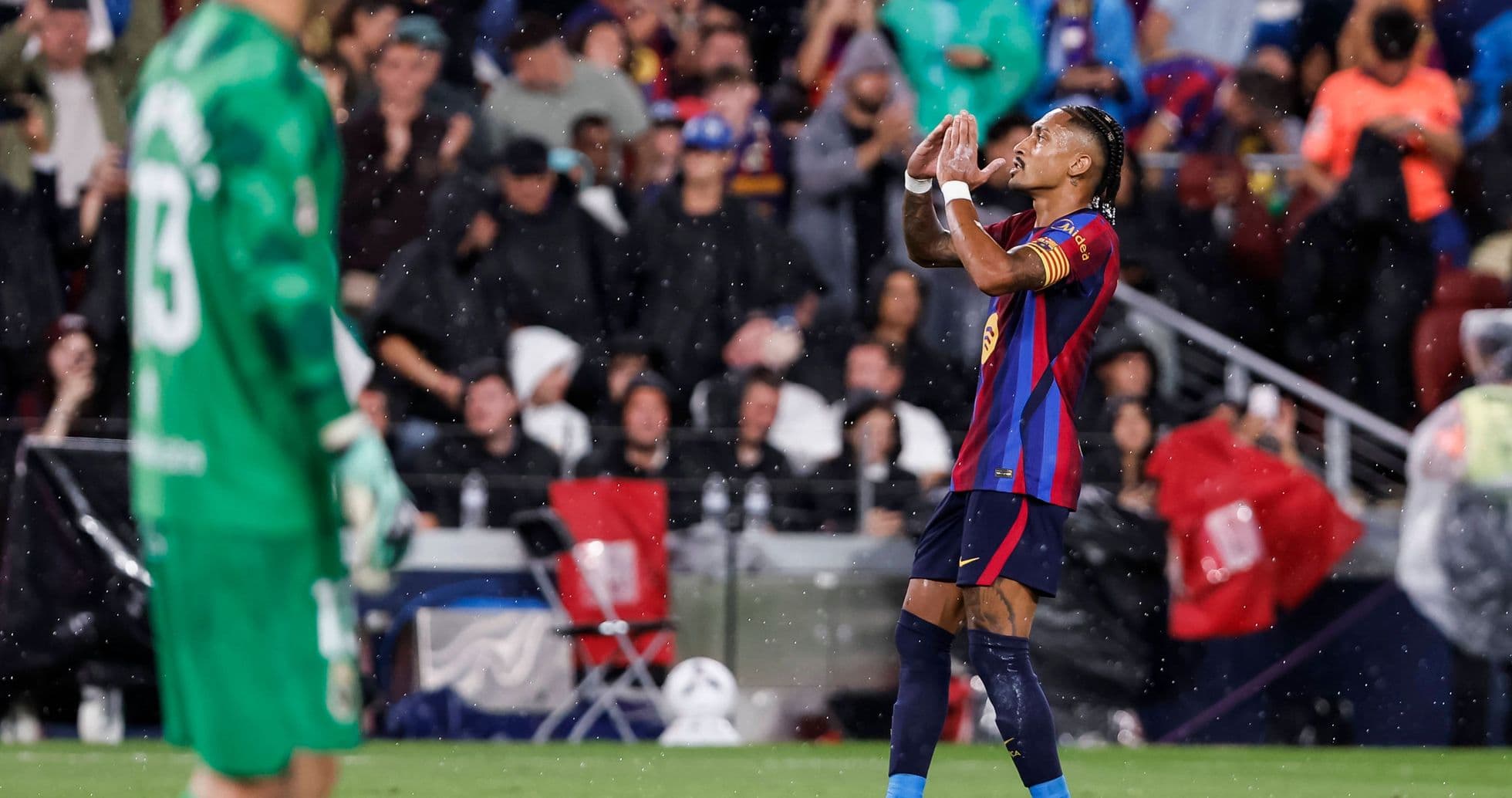
Raphinha's Hat-Trick Drives Barcelona to 7-2 Triumph Over Racing Santander
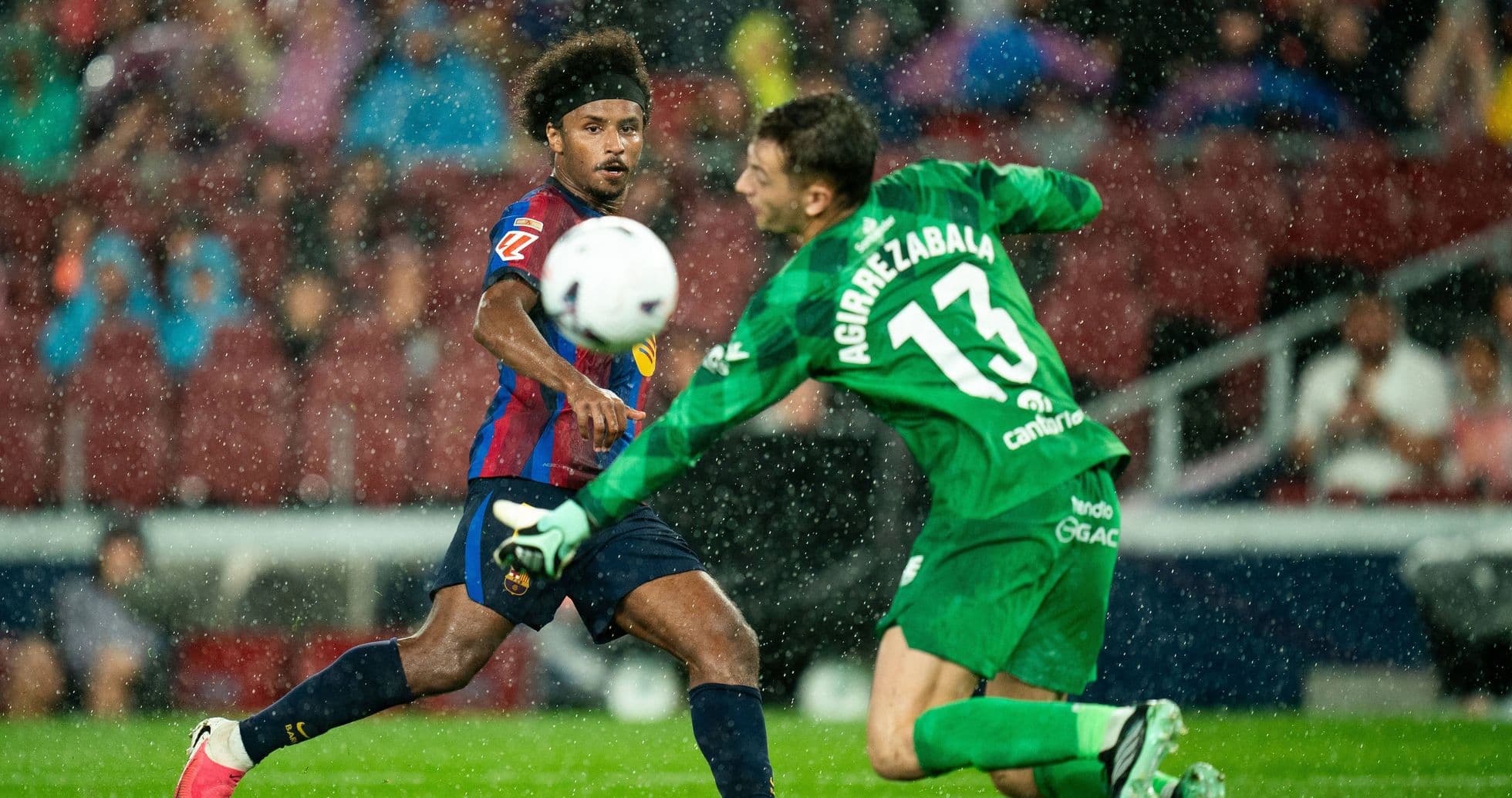
Hansi Flick Leads Barcelona to Record-Breaking Seven Wins in a Row

Gavi Reflects on Injury Return as Barcelona Dominate Racing Santander 7-2