
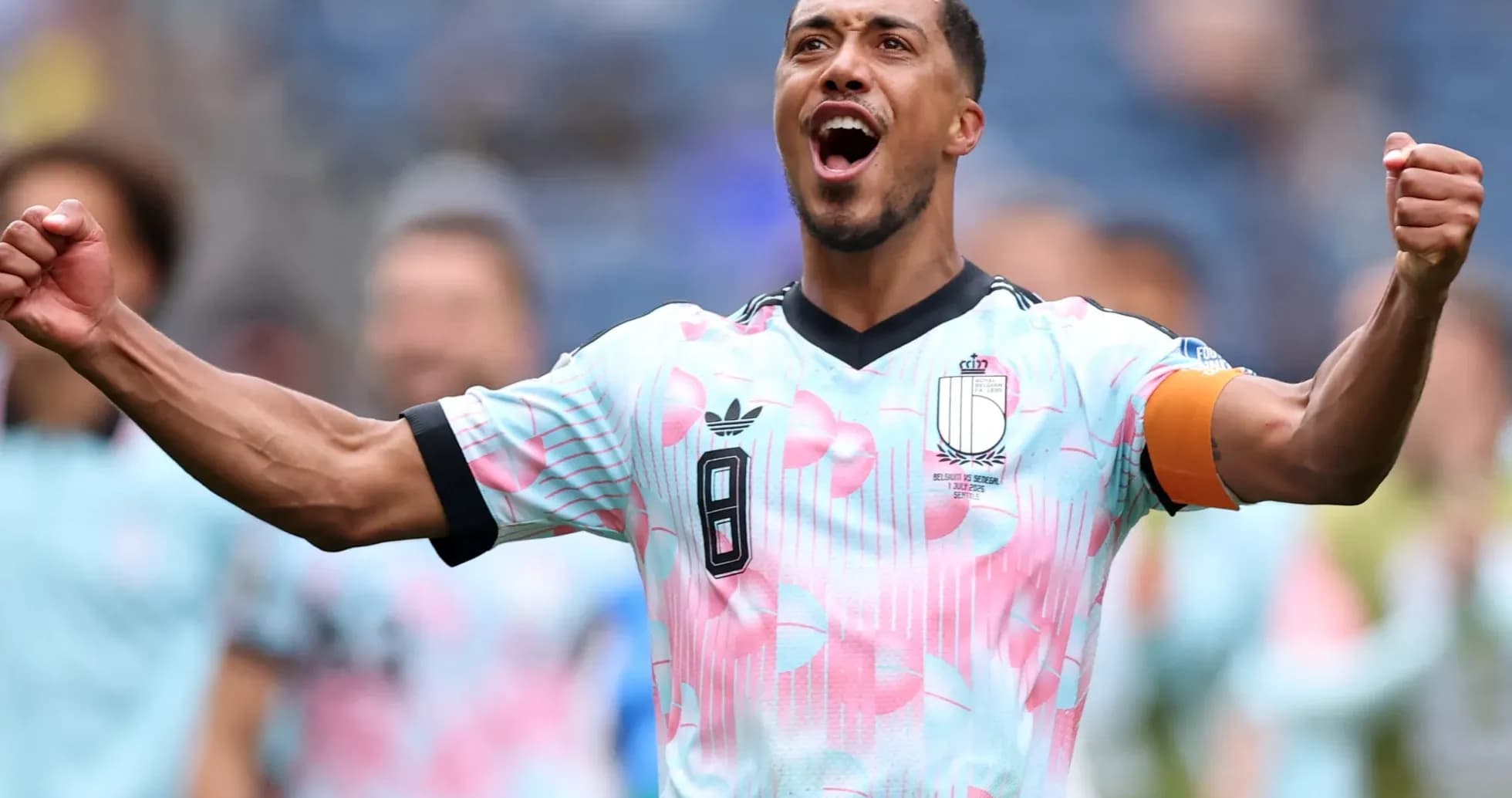
Belgium's Tactical Triumph Over Senegal in World Cup Clash
Belgium’s 3-2 extra-time win over Senegal at Lumen Field in this World Cup Round of 32 tie was a classic of tactical swings, in-game adjustments, and late-game emotional management. Senegal twice built a lead and generated the higher xG (3.54 to Belgium’s 1.8), but Belgium’s structural tweaks, bench impact and superior control of territory and possession (52% to 48%) ultimately bent the match in their favour over 120 minutes.
First Half
Senegal’s 4-3-3 under Bouna Thiaw Pape started by targeting Belgium’s full-backs and the spaces around the double pivot. With Habib Diarra, Iliman Ndiaye and Ismaïla Sarr all starting high, Senegal looked to spring early vertical attacks once Idrissa Gana Gueye and Pape Gueye won duels in midfield. Diarra’s 25' opener reflected this plan: Senegal were able to access advanced central pockets, pulling Belgium’s centre-backs out and exploiting the gaps between the lines. Belgium’s 4-2-3-1, with Hans Vanaken and Youri Tielemans as the double pivot and Kevin De Bruyne as a central creator, initially struggled to control transitions, leaving Thibaut Courtois (Belgium) exposed more often than the shot volume alone (5 shots on goal conceded) suggests.
Second Half
Rudi Garcia’s Belgium, however, were built to evolve. The half-time substitution — Romelu Lukaku (IN) came on for Charles De Ketelaere (OUT) at 46' — was the first major structural shift. It converted Belgium’s attack from a mobile but relatively lightweight front into a more classic reference-point system. Lukaku’s presence pinned Moussa Niakhaté and Pathé Ismaël Ciss deeper, reducing Senegal’s ability to defend high and compress the midfield. Yet Senegal struck first after the interval: at 51', Ismaïla Sarr finished a move assisted by Niakhaté, again underlining Senegal’s capacity to break into space and attack Belgium’s back line before it could reset.
From 56', Belgium’s tactical reshaping accelerated. Nicolas Raskin (IN) came on for De Bruyne (OUT), and Dodi Lukebakio (IN) came on for Jérémy Doku (OUT), moves that rebalanced the side. Raskin added more defensive presence and energy in midfield, allowing Tielemans to step higher into the half-spaces, while Lukebakio provided direct running and width to stretch Senegal’s back four. Belgium’s passing structure became more stable: they finished with 699 passes, 602 accurate (86%), slightly out-circulating Senegal’s 639 passes, 536 accurate (84%). This superior ball circulation gradually wore down Senegal’s midfield block.
At 63', Diego Moreira (IN) came on for Vanaken (OUT), pushing Belgium into a more aggressive, line-breaking posture. With three attack-minded players behind Lukaku, Belgium flooded the final third. The cost was some defensive looseness — reflected in Senegal’s high xG — but the territorial dominance increased. Belgium ended with 19 total shots, 11 inside the box, matching Senegal’s 19 shots (10 inside the box) but from a more controlled possession platform.
The disciplinary moments underlined where pressure was being applied. At 64', Brandon Mechele (Belgium) was booked — “Foul” — a sign of Belgium’s defenders being forced into recovery challenges as Senegal still threatened in transition. Three minutes later, at 67', Lamine Camara (Senegal) received a yellow card — “Foul” — as Senegal’s midfield began to commit more reactive challenges under growing Belgian pressure.
Senegal’s substitutions at 66' and 73' were aimed at refreshing legs and preserving their lead rather than altering the structure: Lamine Camara (IN) came on for Pape Gueye (OUT), Pape Matar Sarr (IN) came on for Diarra (OUT), and Ibrahim Mbaye (IN) came on for Iliman Ndiaye (OUT). These moves maintained the 4-3-3 shape but gradually reduced the technical threat between the lines that had hurt Belgium in the first hour.
Late Game
Belgium’s late-game full-back change at 78' — Thomas Meunier (IN) came on for Maxim De Cuyper (OUT) — proved pivotal. Meunier added higher, more aggressive positioning on the right and better crossing quality. The comeback goals at 86' and 89' illustrated the cumulative effect of the structural changes. At 86', Lukaku converted from close range, assisted by Meunier, a classic pattern of target man finishing service from an advanced full-back. Three minutes later, Tielemans arrived from midfield to score, assisted by Leandro Trossard, whose drifting from the left half-space had become a persistent problem for Senegal’s right side.
Senegal tried to reset in added time with defensive and energy-based substitutions — El Hadji Malick Diouf (IN) for Ismail Jakobs (OUT) and Nicolas Jackson (IN) for Sadio Mané (OUT) at 93', then Bara Sapoko Ndiaye (IN) for Idrissa Gana Gueye (OUT) at 96' — but by then the momentum had turned. Belgium were dictating tempo, and Senegal’s attacks became more sporadic, though still dangerous enough to maintain their xG superiority.
In extra time, Garcia made one final key move: Amadou Onana (IN) came on for Trossard (OUT) at 109'. This reintroduced a more robust midfield presence to protect against late transitions while still allowing Tielemans to surge forward. The decisive moment came at 120+5', when Tielemans converted from the penalty spot after a decision that was then confirmed by VAR at 120'. The sequence encapsulated Belgium’s tactical arc: from a double pivot overwhelmed in transition to a reconfigured midfield where Tielemans could be both controller and final-third threat.
Goalkeeping Performance
Between the posts, both goalkeepers had parallel headline numbers — Thibaut Courtois (Belgium) made 3 saves, as did Mory Diaw (Senegal) — but the underlying metrics tell a different story. Senegal’s xG of 3.54 against Belgium’s 1.8, combined with both teams showing the same negative goals prevented value (-0.61), suggests that Diaw faced the more clear-cut chances relative to the goals conceded, while Courtois was beaten in situations where his defence allowed high-quality looks.
Statistically, the match balances on a knife-edge in raw shot volume and possession but leans towards Senegal in chance quality. Belgium’s 5 shots on goal from 19 attempts, with 5 blocked, point to a team that needed volume and territorial control to create. Senegal’s 5 shots on goal from 19 attempts, with only 3 blocked, and a far higher xG indicate more incisive attacking patterns, especially in the first 60 minutes.
Yet the tactical verdict favours Belgium’s adaptability. Their ability to reconfigure around Lukaku, reassign Tielemans’ role, and use Meunier and the wide players to stretch Senegal gradually inverted the game’s dynamics. Senegal’s game plan was strong enough to build a 2-0 platform but lacked a second structural evolution once Belgium’s changes took hold. Over 120 minutes, Belgium’s control of passes, their improved pressing after the hour, and more effective use of the bench turned a deficit into a late, VAR-confirmed extra-time victory.
Related News
Thomas Tuchel Reflects on England's 10-Man World Cup Triumph and a Surprising Regret
Robert Moreno Takes Over as Interim South Korea Coach After World Cup Setback
Jude Bellingham Returns to Form with Real Madrid After World Cup Success
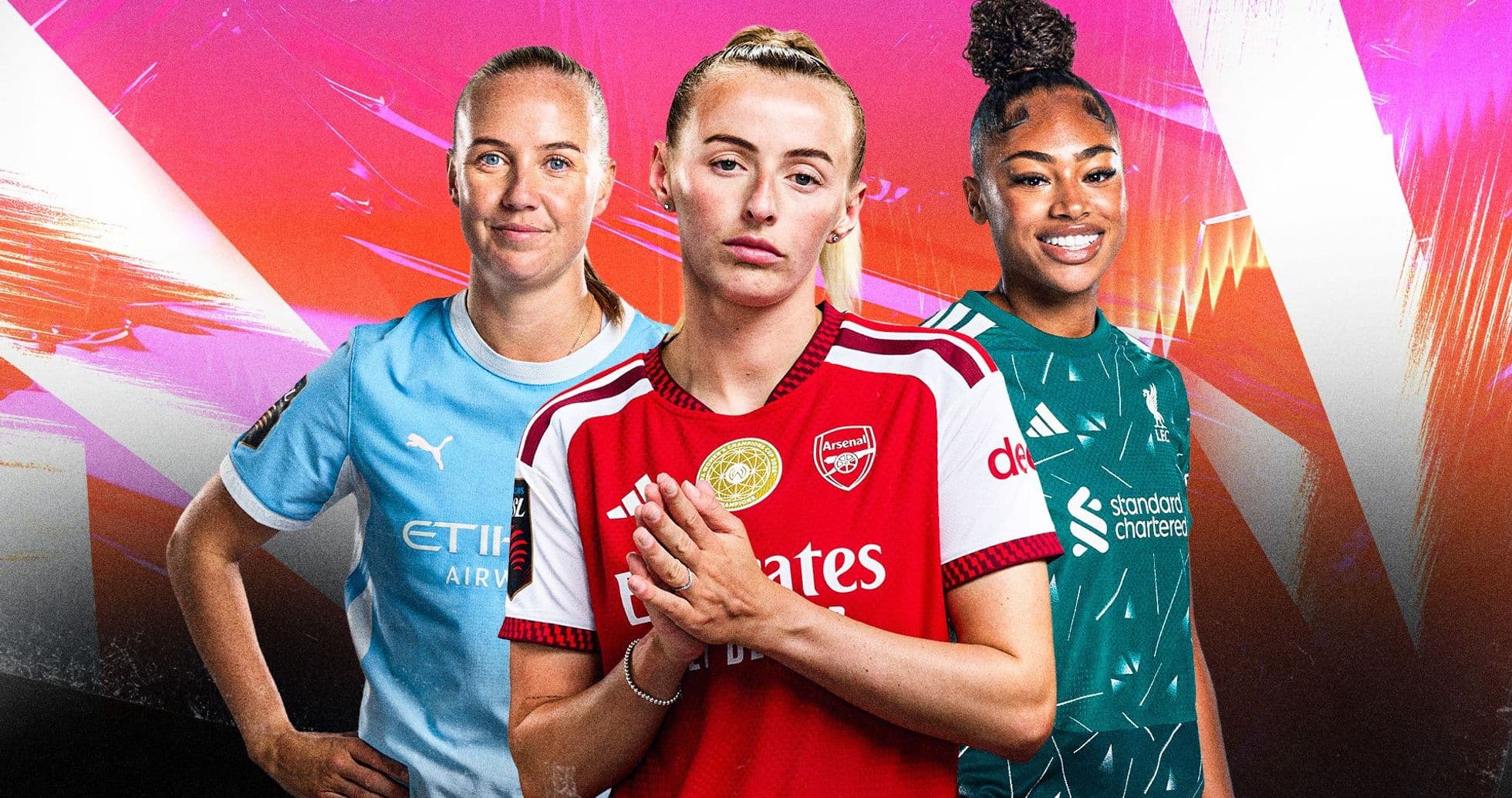
Chloe Kelly, Beth Mead & 13 Lionesses Who Must Shine in the Upcoming WSL Season for England’s 2027 World Cup Bid
Barcelona Cancels World Cup Tribute Amid Political Tensions
Messi Breaks Record for Most Penalties Taken and Missed in FIFA World Cup History