
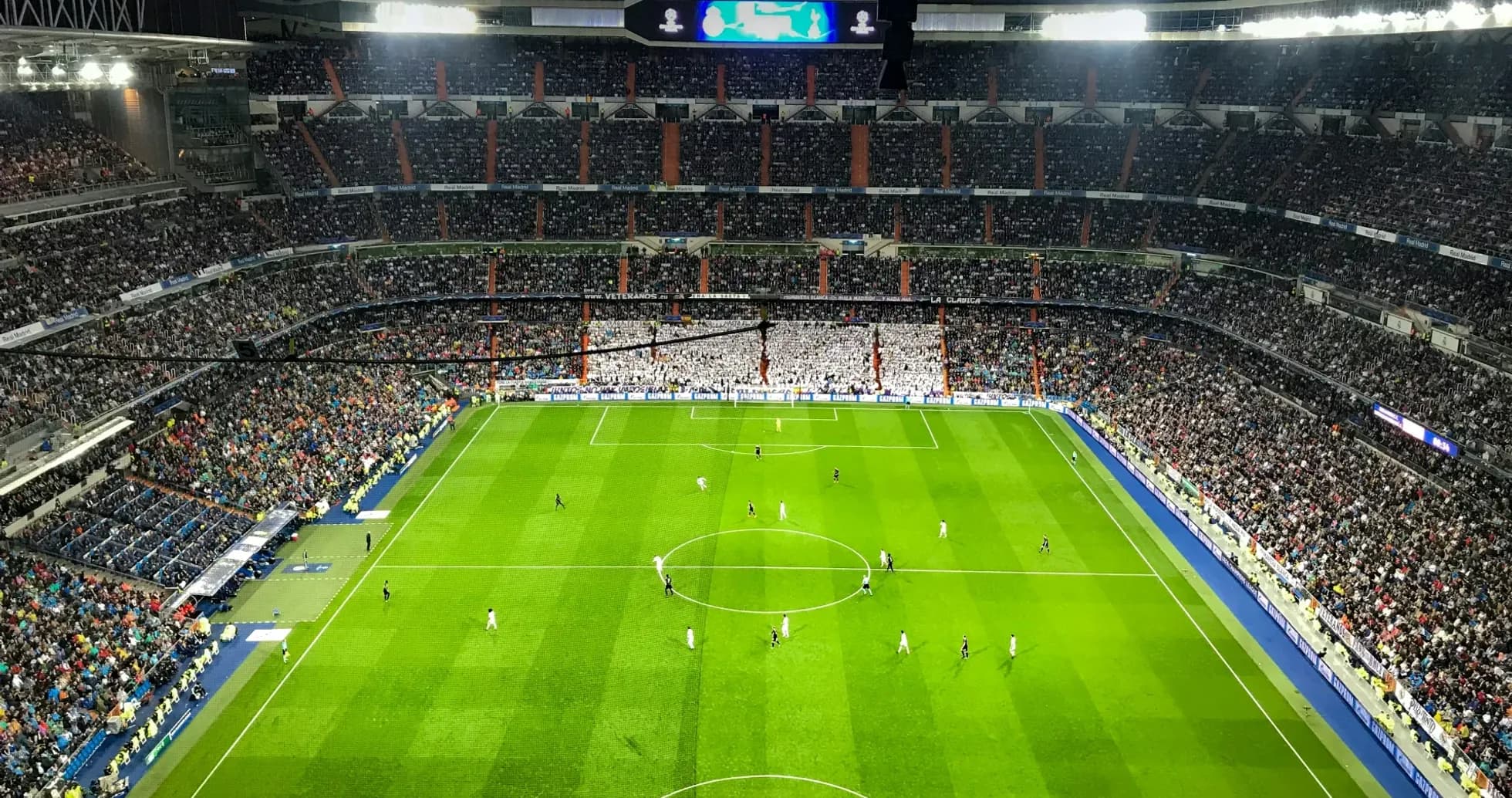
Belgium and Egypt Draw in World Cup Group G Opener
The World Cup’s Group G opened in the Pacific Northwest, but the narrative on the Lumen Field pitch felt unmistakably European versus North African: Belgium against Egypt, both unveiling their 2026 identities in a 1–1 draw that left as many tactical questions as it answered.
I. The Big Picture – Structures, Scoreline, Stakes
This was Group Stage – 1, and following this result both teams emerge with a single point and a neutral goal difference. Belgium sit on 1 point with a goal difference of 0, having scored 1 and conceded 1 overall. Egypt mirror that same statistical line: 1 point, goal difference 0, 1 goal for and 1 against overall. The symmetry of the table reflects the symmetry of the contest.
Both coaches leaned into a shared template: 4-2-3-1 against 4-2-3-1. Rudi Garcia’s Belgium built around control and vertical surges from the three behind the striker; Hossam Hassan’s Egypt prioritised compactness and rapid transitions through Mohamed Salah and Omar Marmoush. The half-time scoreline of 0–1 captured Egypt’s ruthlessness on their travels so far this tournament: they have scored 1 away goal and conceded 1, averaging 1.0 goals for and 1.0 against away. Belgium, by contrast, opened their home campaign with that same statistical balance: at home they have scored 1 and conceded 1, also averaging 1.0 goals for and 1.0 against at Lumen Field.
II. Tactical Voids and Discipline – Where Edges Were Lost
There were no listed absentees in the data, which meant both managers had near-full tactical decks to play with. The real voids, then, were structural and psychological.
Belgium’s season card profile hinted at a team that can be edgy in the opening and middle phases. Heading into this game, 50.00% of their yellow cards arrived between 0–15 minutes and another 50.00% between 61–75 minutes. That split underlines a dual tendency: an early-game over-eagerness and a mid-second-half spike in aggression once fatigue and frustration set in.
Those tendencies materialised in personnel. Timothy Castagne, already flagged among the tournament’s most card-prone defenders, carried that edge into this match. His yellow card is part of a statistical portrait that blends industry and risk: 4 tackles, 1 successful blocked shot, and 1 foul committed across 56 minutes. His defensive contribution was strong, but it came at the cost of disciplinary vulnerability down Belgium’s left.
Off the bench, Maxim De Cuyper added another layer to that profile. In 34 minutes he committed 2 fouls, picked up a yellow, and still found time to block 1 shot and make 1 interception. Belgium’s left-sided rotation, then, is defined as much by bite as by balance. This is a back line that can defend on the front foot but is one mistimed challenge away from trouble.
Egypt’s disciplinary map this tournament has been more front-loaded. Heading into this game, 50.00% of their yellow cards arrived between 0–15 minutes and 50.00% between 31–45 minutes. They tend to set their physical tone early, particularly in the first-half press. That early aggression can rattle opponents but also risks handing control to technically gifted midfields like Belgium’s if fouls accumulate.
III. Key Matchups – Hunter vs Shield, Engine Room Battles
The clearest “Hunter vs Shield” duel unfolded between Egypt’s attacking spear and Belgium’s retooled defensive block. Omar Marmoush, leading the line, occupied the central defenders, while Salah drifted inside from the right as a nominal midfielder but de facto second forward. Against them, a Belgium back four of Thomas Meunier, Nathan Ngoy, Brandon Mechele, and Castagne tried to compress space and funnel Egypt wide.
Belgium’s defensive record overall – 1 goal conceded in 1 match, average 1.0 against at home – suggests competence but not impermeability. Salah’s presence was always going to stress that structure, and his statistical profile in this World Cup underlines why. Across his 76 minutes, Salah produced 1 shot on target, 18 passes with 94% accuracy, and 3 key passes. He also drew 3 fouls, constantly testing the timing and positioning of Castagne and Mechele. Salah did not score, but his 1 assist so far in the tournament confirms his role as both finisher and creator in Hassan’s blueprint.
The “Engine Room” battle was equally decisive. For Belgium, Amadou Onana and Youri Tielemans formed the double pivot, tasked with shielding the back four and feeding an elite creative line of Leandro Trossard, Kevin De Bruyne, and Jeremy Doku behind Charles De Ketelaere. Onana’s physicality and Tielemans’ passing range were meant to pin Egypt back and ensure sustained territorial dominance.
Opposite them, Mohamed Lasheen and Mohamed Attia offered Egypt a more conservative base. Their remit was simple but demanding: close De Bruyne’s passing lanes, protect the half-spaces where Doku and Trossard like to appear, and spring Salah and Marmoush quickly once possession was turned over. Salah’s 3 key passes and Marmoush’s constant running suggest that Egypt’s double pivot succeeded often enough to justify the game plan.
IV. Statistical Prognosis – What This Draw Tells Us
Following this result, both teams share an almost eerily identical statistical DNA: 1 match played overall, 0 wins, 1 draw, 0 losses, 1 goal scored and 1 conceded. Goal difference sits at 0 for both, and neither side has yet kept a clean sheet or failed to score. Penalties have not featured: both Belgium and Egypt have taken 0 penalties overall, with 0 scored and 0 missed, so there is no evidence yet of either side holding an edge from the spot.
In xG terms, the data is not provided, but the patterns point to a familiar shape. Belgium’s structure and volume of creators suggest they likely generated the higher expected goals through sustained possession and half-space incursions from De Bruyne, Doku, and Trossard. Egypt, by contrast, appear built for sharp, high-value chances in transition, the kind that inflate conversion rates even if the shot count is modest.
Defensively, Belgium’s reliance on card-prone full-backs like Castagne and impact substitutes like De Cuyper hints at a back line that may concede dangerous free-kicks and transitional opportunities as the tournament wears on. Egypt’s early-card tendency could expose them to game-state swings if an opponent leans into quick combinations and third-man runs in the opening half-hour.
The prognosis, then, is of two sides whose ceilings remain high but whose margins are thin. Belgium look like a team whose xG will be strong but whose defensive discipline could decide tight group games. Egypt, powered by Salah’s dual threat and a compact 4-2-3-1, will continue to live on the knife-edge of transition football.
At Lumen Field, the 1–1 felt like a fair reflection of balance. For both Belgium and Egypt, the story of this World Cup will be whether they can tilt that balance – in goals, in discipline, and in the decisive moments where their hunters meet the opposition’s shield.
Related News
Thomas Tuchel Reflects on England's 10-Man World Cup Triumph and a Surprising Regret
Robert Moreno Takes Over as Interim South Korea Coach After World Cup Setback
Jude Bellingham Returns to Form with Real Madrid After World Cup Success
Chloe Kelly, Beth Mead & 13 Lionesses Who Must Shine in the Upcoming WSL Season for England’s 2027 World Cup Bid
Barcelona Cancels World Cup Tribute Amid Political Tensions
Messi Breaks Record for Most Penalties Taken and Missed in FIFA World Cup History