
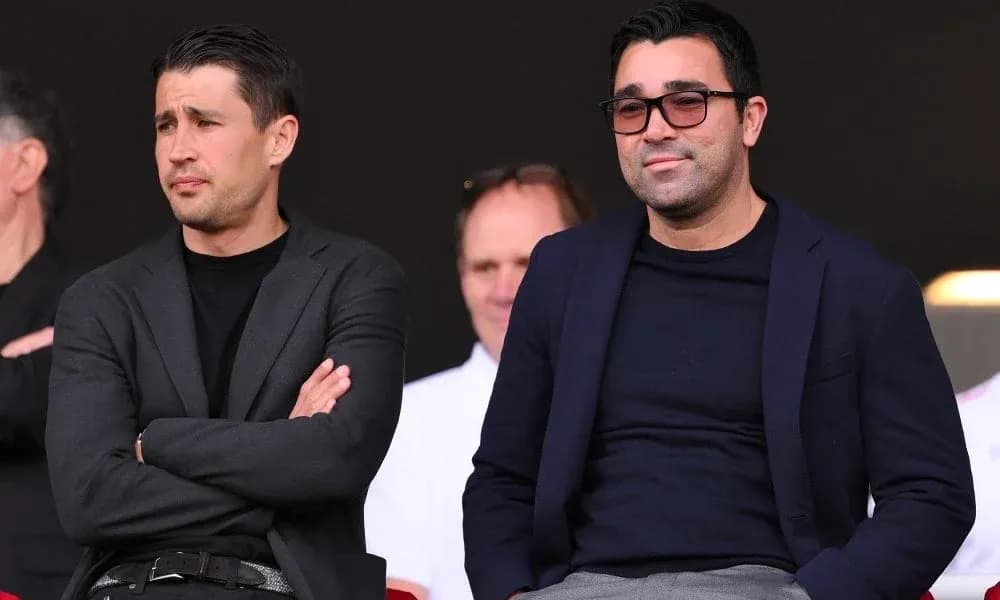
Barcelona's Transfer Strategy: Silence Over Stagnation
From the outside, it looks like a summer on mute at FC Barcelona. No daily soap opera of bids and counter-bids, no airport sightings, no dramatic “here we go” moments. For a fanbase raised on transfer sagas, the silence has started to feel uncomfortable.
Inside the club, the mood is very different.
Senior figures insist this is not drift. It is design.
Strategy, Not Stagnation
Barcelona’s sporting department has mapped out where the squad needs surgery. Those profiles are defined, the targets identified, and the conversations are ongoing. Calls with agents, messages with intermediaries, quiet feelers to clubs: the work has not stopped, it has simply gone underground.
They know the market moves in waves. A sale in England can unlock a loan in Italy, which suddenly makes a forward in Spain available. One major transfer can flip the board overnight. At Barça, the people in charge of this window are trying to ride that current, not fight it.
The priority has not changed: a centre-forward.
Julian Alvarez remains the preferred option. The admiration is clear. So is the difficulty. As the weeks have passed, the path to signing the Argentine has narrowed. Those inside the club recognise that. The deal is more complex now than when his name first rose to the top of the list.
Still, the line with his camp stays open. Barcelona are not walking away; they are waiting, sounding out the possibilities and keeping alternative options warm in case the numbers, or the circumstances, simply refuse to bend.
The Power of Silence
If there is a defining trait of Barcelona’s recent transfer work, it is discretion. The club has learned, sometimes the hard way, that noise drives prices up and invites competition. Silence, on the other hand, gives you room to move.
Anthony Gordon’s arrival is now the internal reference point. Deco’s trip to London did not trigger a circus. It triggered a deal. Negotiations advanced quickly, almost in the shadows, and only when everything was already well down the line did the story begin to leak out. By then, the hardest part was done.
The Alvarez chase followed a similar pattern. An initial meeting became public knowledge, but most of what mattered happened away from the spotlight. Barça continued to negotiate quietly and then, with little warning, placed a €100 million offer on the table. No drip-feed of daily updates. Just a serious bid, delivered after weeks of low-profile work.
For the people running the operation, this is not just a preference. It is a competitive edge.
Waiting for the Window to Ignite
So what now, with the calendar ticking and the fan anxiety rising? Inside the club, there is no sense of panic about the lack of visible movement. Executives see a market that has not yet fully exploded. Big European deals are still stuck in the pipeline. Once those fall, everything else can move.
They accept that signing Alvarez is tougher than it was earlier in the summer. The conditions have shifted, and not in Barcelona’s favour. But they also know how quickly a “no chance” can become “let’s talk” when another club makes a sale, a player pushes for minutes, or a balance sheet needs fixing.
That is why there is no rush to force through an expensive Plan B just to prove something is happening. The club’s stance is clear: wait for the right moment, then strike.
The decisive weeks of the window are still to come. When they arrive, Barcelona expect to move from silence to action, leaning again on the same quiet, calculated approach that brought Gordon to the Camp Nou and carried their pursuit of Alvarez into the €100 million bracket.
The question is not whether they are working. It is whether the market will bend enough, and in time, for their patience to pay off.
Related News

Raphinha’s Hat-Trick Powers Barcelona to 7-2 Victory Over Racing Santander

Carabao Cup Fourth Round Draw: Liverpool Set to Clash with Chelsea, Arsenal to Face Fleetwood Town
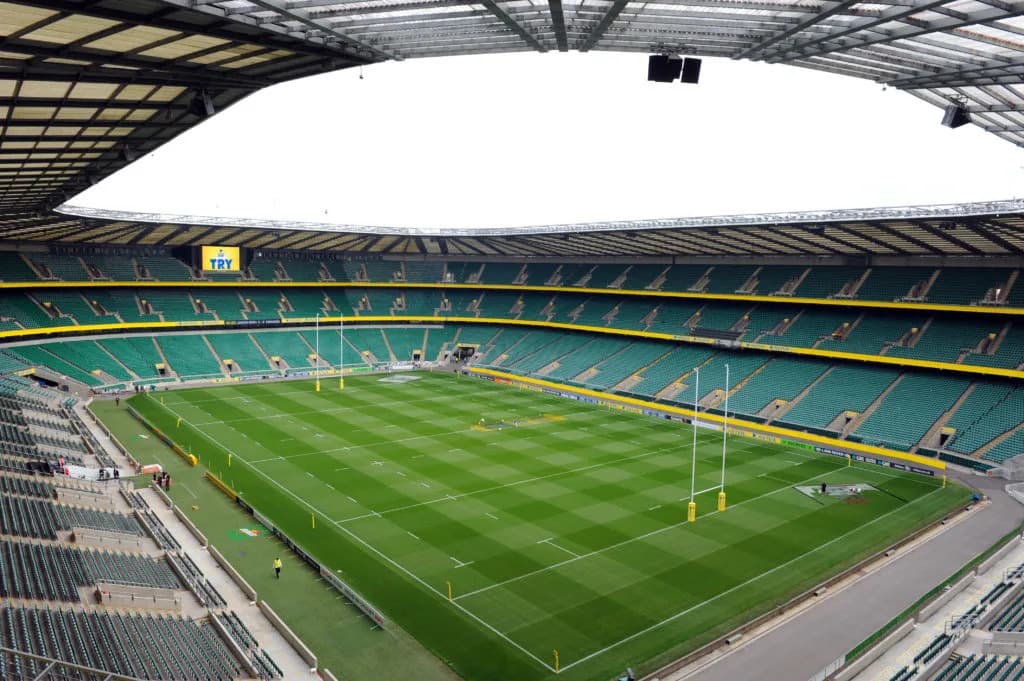
Key Football Matches to Watch in Azerbaijan This Autumn
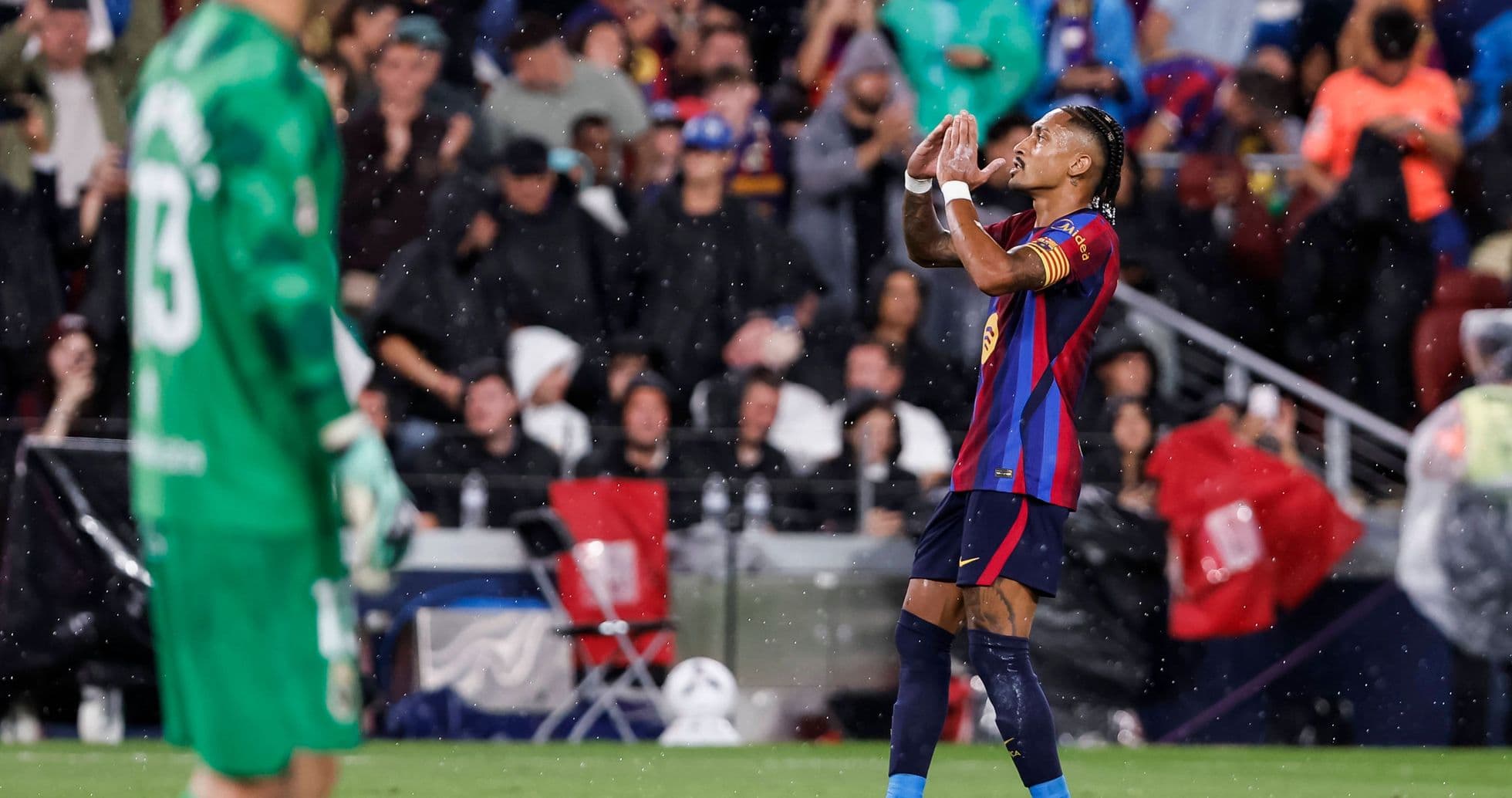
Raphinha's Hat-Trick Drives Barcelona to 7-2 Triumph Over Racing Santander
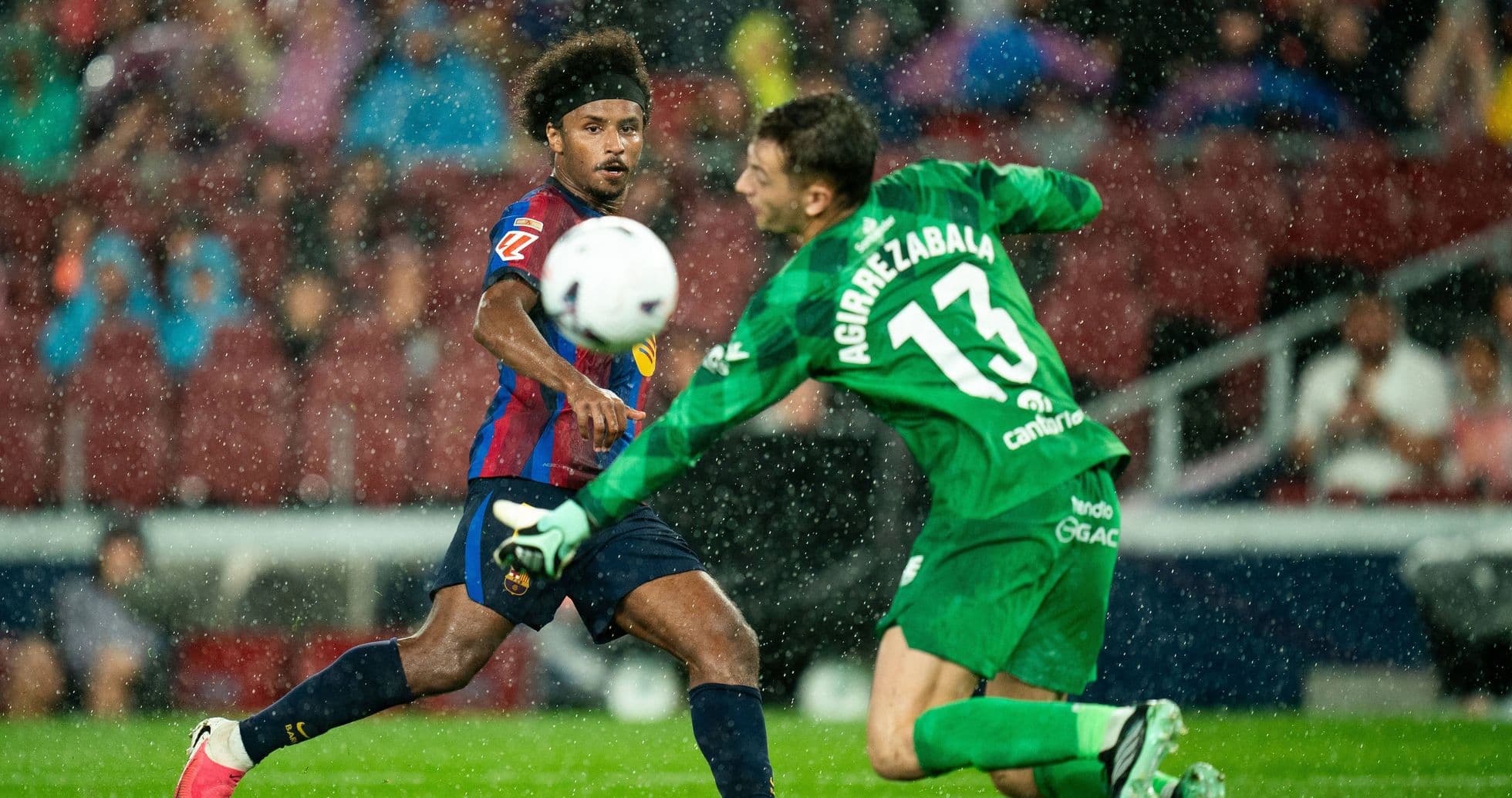
Hansi Flick Leads Barcelona to Record-Breaking Seven Wins in a Row
Gavi Reflects on Injury Return as Barcelona Dominate Racing Santander 7-2