

Barcelona Faces Major Changes with Key Departures
Barcelona have grown used to lifting trophies. They are less familiar with nights like this, when legends walk out of the door and the future suddenly looks a little less certain.
Because this is not just any exodus. This is Alexia Putellas, Mapi Leon and Ona Batlle leaving the European champions in the same summer. An era, if not ending, is certainly changing shape.
Icons walk away
In Putellas, Barça lose far more than a world-class midfielder. They lose the face of the project, the captain, the player whose form this season has her in serious contention for a third Ballon d'Or. She has been the reference point on and off the pitch, the one everyone else orbits around.
Leon goes as arguably the best centre-back in the women’s game, a defender who has given this team its defensive authority and calm. Batlle departs as one of the elite full-backs in world football, a constant outlet on the flank and a relentless competitor.
Those are not gaps; they are craters.
Yet if any club has shown it can absorb seismic departures, it is Barcelona. La Masia continues to churn out talent at a rate no other women’s academy can match, and the recruitment department has repeatedly found solutions in the market. The machine, historically, has kept moving.
This summer, though, will test every part of that machine.
Money, power and a different market
Twelve months ago, Barça’s hands were tied. The men’s team’s financial problems dragged the women’s side into the same Financial Fair Play straitjacket, limiting what could be done in the transfer window.
Now the landscape looks different. Hansi Flick’s side have just sanctioned a £69 million ($93m) move for Anthony Gordon, a fee that screams of loosened restrictions and renewed ambition. If that level of spending is possible, the women’s team should feel the ripple effect.
But spending is one thing. Spending well is another.
Barcelona cannot simply buy “names” to replace Putellas, Leon and Batlle. They have to rebuild a spine, a dressing-room hierarchy and a tactical framework all at once. That is a delicate operation, even for a club with their resources.
Because what Putellas gave this team went far beyond goals and assists.
The captain’s shadow
This season, Jonatan Giráldez and his staff leaned heavily on the club’s youth. The teenage duo of Clara Serrajordi and Aicha Camara stepped into regular first-team roles. Martine Fenger, Carla Julia and Adriana Ranera all tasted opportunities. Sydney Schertenleib, Esmee Brugts, Vicky Lopez and Kika Nazareth carried more responsibility than ever.
They did not do it alone.
Putellas, as captain, was the constant presence at their shoulder. Brugts captured it perfectly when she spoke about the 32-year-old recently: this is a player who always tries to help, who drags the best out of those around her, who settles nerves simply by being there. Playing next to her, Brugts said, calms her down and gives her the confidence to perform.
You cannot just sign that profile off a shortlist.
Barça now need a new right-back, a new centre-back and a new midfielder at the top level. They also need new leaders. New voices in the dressing room. New players willing to take responsibility when the pressure spikes in a Champions League semi-final.
The good news? There are candidates.
Patri Guijarro, Aitana Bonmati and Irene Paredes are all natural leaders, all seasoned winners. This squad has lived through departures before: Mariona Caldentey, Lucy Bronze, Keira Walsh and Sandra Panos all moved on before or during the 2024-25 season. Each time, the reaction on the pitch has been ruthless. Questions came, and Barça answered them.
This is still a world-class team, backed by the most productive academy in the women’s game and hardened by years of winning. There will be awkward nights and rough patches, but no one seriously expects Barcelona to collapse.
The more intriguing question is what this all means beyond Catalonia.
A twist for Spain
Leon is expected to join London City Lionesses, who finished sixth in their first Women’s Super League season. Putellas could yet follow her to the same club. Batlle is set for Arsenal, the side that beat Barça in the 2024-25 Champions League final.
For Batlle, the shift feels more lateral than radical. She moves from a Barça team fighting on four fronts to an Arsenal side competing on three, with new League Cup rules keeping Champions League clubs out of that competition. The WSL is stronger than Liga F, but the overall load and intensity should balance out. She will remain a key starter, just in a different shade of red.
Leon’s situation is very different. London City Lionesses will not be in the Champions League. The calendar will be lighter, the travel less punishing. If Putellas joins her, both will swap Barça’s relentless schedule for a more measured rhythm, but in a league that still demands the highest standards against Arsenal, Chelsea, Manchester City and Manchester United.
Fewer minutes, fewer games, but high-level competition. For two players in their 30s, both central to Spain’s hopes, that could be a gift ahead of the 2027 Women’s World Cup.
Spain might quietly be the biggest winner in all of this.
La Masia’s next wave
Back in Barcelona, the solution to those departing stars may again be homegrown. If the voids left by Putellas, Leon and Batlle are filled by more La Masia graduates, the benefits will flow straight into the national team.
Serrajordi is the clearest example. She is already in the Spain squad for Friday’s clash with England and has impressed more and more since her senior international debut in October. She is part of a production line that shows no sign of slowing.
Of the 11 Barça players in Spain’s current squad, Jana Fernandez and Lucia Corrales also came through the club’s system before being sold last summer when finances demanded painful decisions. The development work in Catalunya keeps feeding La Roja, even when the club has to cash in.
So Barcelona brace for a summer of upheaval, a transfer window that will reshape a dynasty. They have been here before, just not with quite so many pillars leaving at once.
For Spain, though, the picture looks different: fresher legs for veterans abroad, more minutes for youngsters at home, and a conveyor belt of talent still running at full speed.
The World Cup defence in 2027 will tell us how much this summer really mattered.
Related News

Raphinha’s Hat-Trick Powers Barcelona to 7-2 Victory Over Racing Santander

Carabao Cup Fourth Round Draw: Liverpool Set to Clash with Chelsea, Arsenal to Face Fleetwood Town

Key Football Matches to Watch in Azerbaijan This Autumn
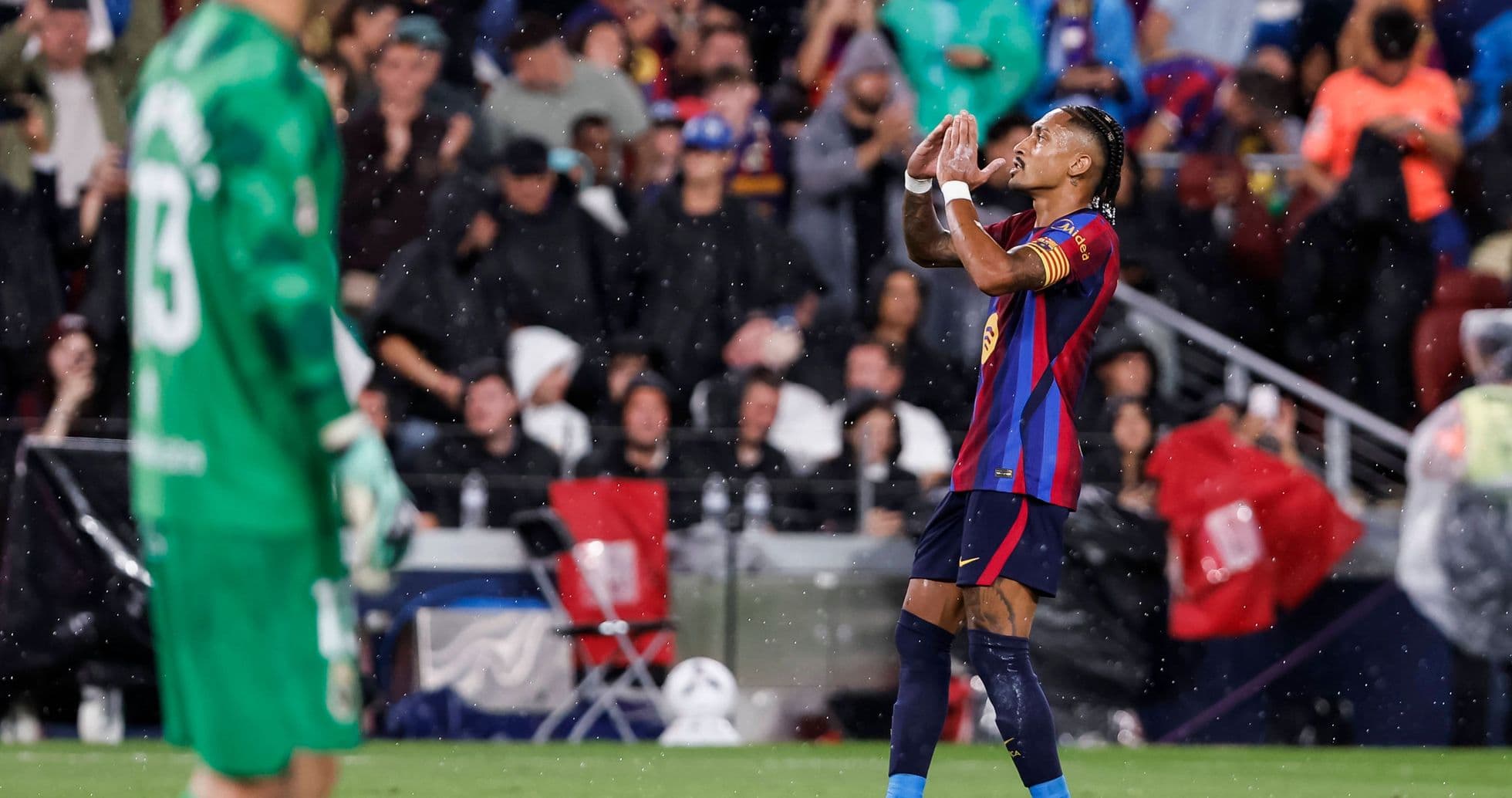
Raphinha's Hat-Trick Drives Barcelona to 7-2 Triumph Over Racing Santander
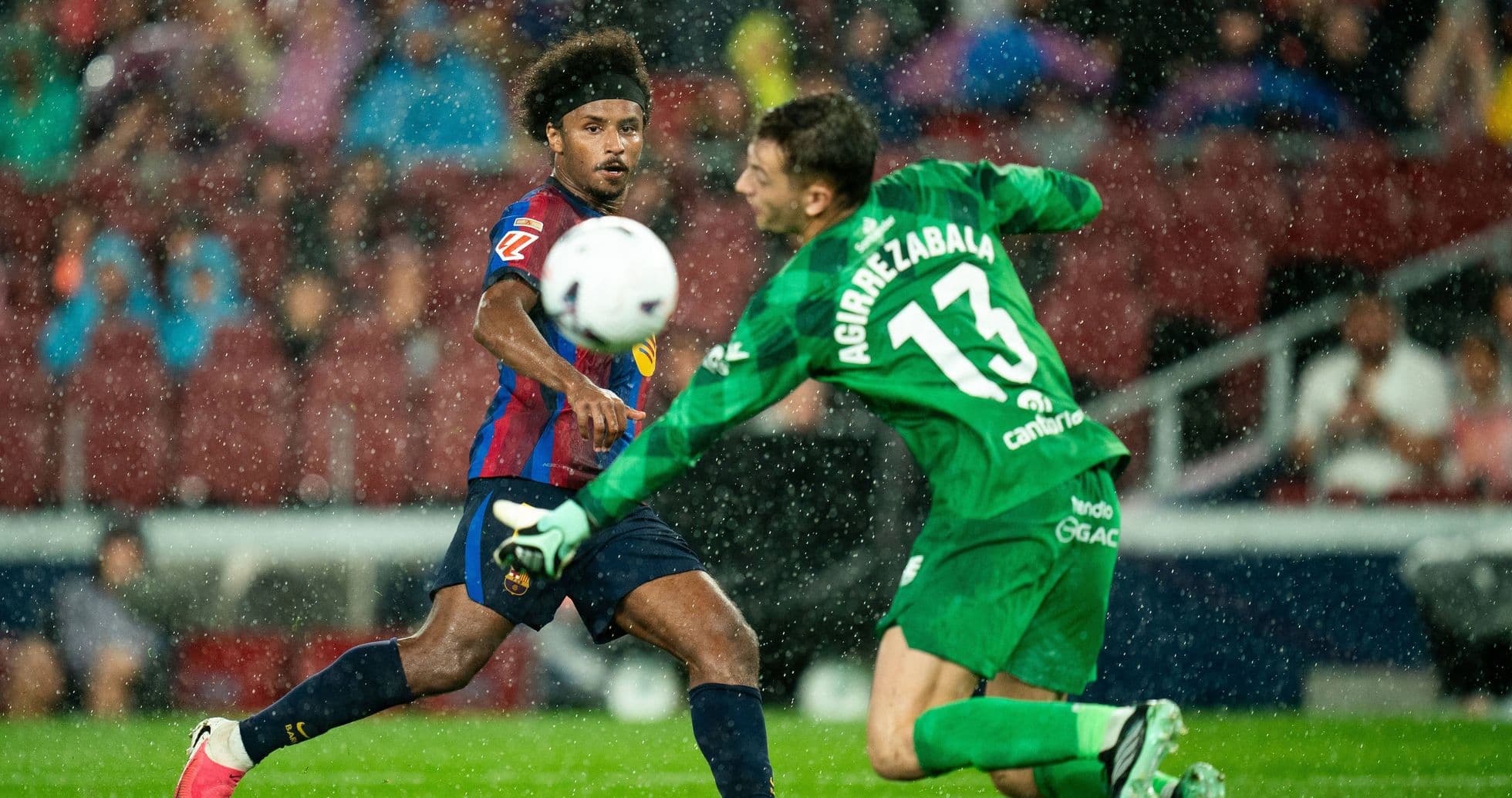
Hansi Flick Leads Barcelona to Record-Breaking Seven Wins in a Row

Gavi Reflects on Injury Return as Barcelona Dominate Racing Santander 7-2