
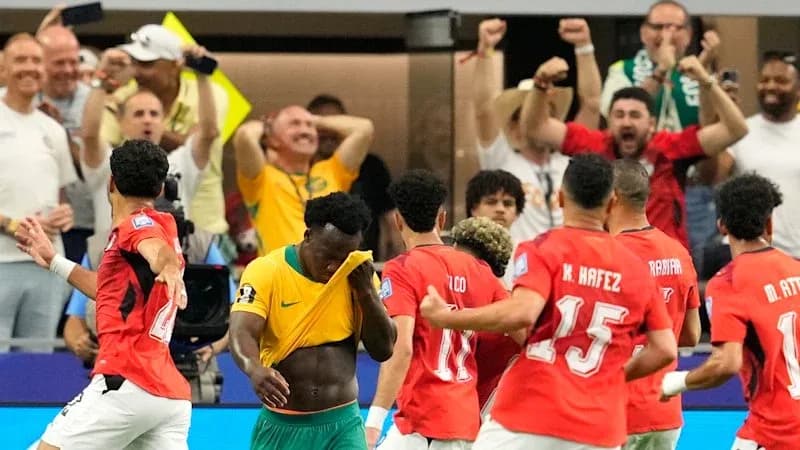
Australia vs Egypt: A Frustrating First Half
Australia walked off at half-time trailing Egypt 1-0, frustrated, bruised and feeling more than a little short-changed.
The Socceroos had done much of the running. Egypt had done most of the spoiling. The scoreboard belonged to the Pharaohs.
A cheap goal and a costly lapse
The decisive moment of the half came from the sort of situation Australia usually own. A set piece. A simple line. A routine clearance.
Instead, they switched off.
Late getting out, they left an Egyptian attacker onside and handed over what their camp later called a “cheap goal”. For a team that prides itself on defensive organisation at dead balls, it cut deep. Egypt didn’t need asking twice. They grabbed the lead and immediately had something to protect.
From that point, the pattern hardened. Egypt dropped in, closed lanes, and slowed everything down. Australia chased.
Egypt dig in, Australia push back
The contest quickly turned into a test of patience as much as quality. Egypt’s challenges were fierce, their gamesmanship even sharper. Every contact invited a fall. Every fall demanded a whistle. They milked every moment, and it worked.
Australia, though, still carried the greater threat in open play.
Aziz Behich sparked one of their best moves on 37 minutes, driving at Mohamed Hany inside the final third. The attack looked to have broken down when the ball ran out of play, but Alessandro Circati’s long throw turned it into a different kind of weapon. Jackson Irvine and Harry Souttar flew for it, neither could connect cleanly, yet the loose ball dropped kindly.
A flick from Lewis Herrington found Nestory Irankunda, who recycled to Behich on the edge. The full-back strode onto it and drilled low towards the right post. Egypt’s goalkeeper read it, got down sharply and parried, but it was the sort of opening that told Australia they were close. Irankunda almost punished Egypt again moments later, the teenager buzzing around the box and dragging defenders into uncomfortable positions.
Egypt, though, refused to wilt. When Ashour went to ground under an errant arm from Jordan Bos, they earned a free-kick in a dangerous area. Mohamed Salah, still clearly managing his hamstring and playing within himself, stood over the ball. Rather than go for glory, he rolled it square to Attia, whose long-range drive carried both power and precision. Australia’s back post cover held firm, but the warning was clear: even at half-tilt, Salah’s vision can open a door in an instant.
Controversy and a cruel blow
The tension spiked again just before the break.
Australia worked the ball into the box, where an attacker squeezed between two defenders and managed a weak header on goal. As he rose, Ali Gabr Rabia’s arm appeared to make contact with the ball. The touch looked incidental, more ball-to-arm than anything deliberate, but it was enough to spark appeals. Referee Nestor pointed to his own arm, a gesture that said he’d seen it and was satisfied. Play on.
At the back post, Cristian Volpato was then hauled down by Havez as he tried to attack the same cross. Again, nothing. No whistle, no review, no reprieve for Australia.
The sense of injustice only deepened when the fourth official signalled just five minutes of added time. In a half that contained a three-minute hydration break, a goal and repeated delays for Egyptian time management, the figure felt miserly. Australia had momentum. They wanted more.
What they got instead was another setback.
Jordan Bos, one of the Socceroos’ most dynamic outlets, went down and stayed down. When he finally rose, it was with the help of two trainers, unable to put weight on his left foot. As he was carried from the field, Australia lost not just a player, but a key source of drive and width. It looked bad. It felt worse.
Work to do, chances still there
For all that, the contest remained within reach. Egypt’s lead came from a single lapse. Their grip on the game, while stubborn, was not unbreakable.
Salah had not yet hit his stride. Souttar and Herrington largely kept him running channels, forcing him to play off the shoulder rather than straight through the heart of defence. When he did escape, Herrington read it and snuffed out the danger.
Egypt made Australia work for every metre, forcing them into long spells of running and recycling, but the openings were there whenever the Socceroos stitched together five, six, seven passes. When they did, space appeared between the lines, and with it, chances.
The message heading into the second half was blunt: keep the ball better, stay switched on at the back, and be ruthless when the next moment comes.
Because those moments will come. The question is whether Australia will finally take them.
Related News
Raphinha’s Hat-Trick Powers Barcelona to 7-2 Victory Over Racing Santander
Carabao Cup Fourth Round Draw: Liverpool Set to Clash with Chelsea, Arsenal to Face Fleetwood Town
Key Football Matches to Watch in Azerbaijan This Autumn
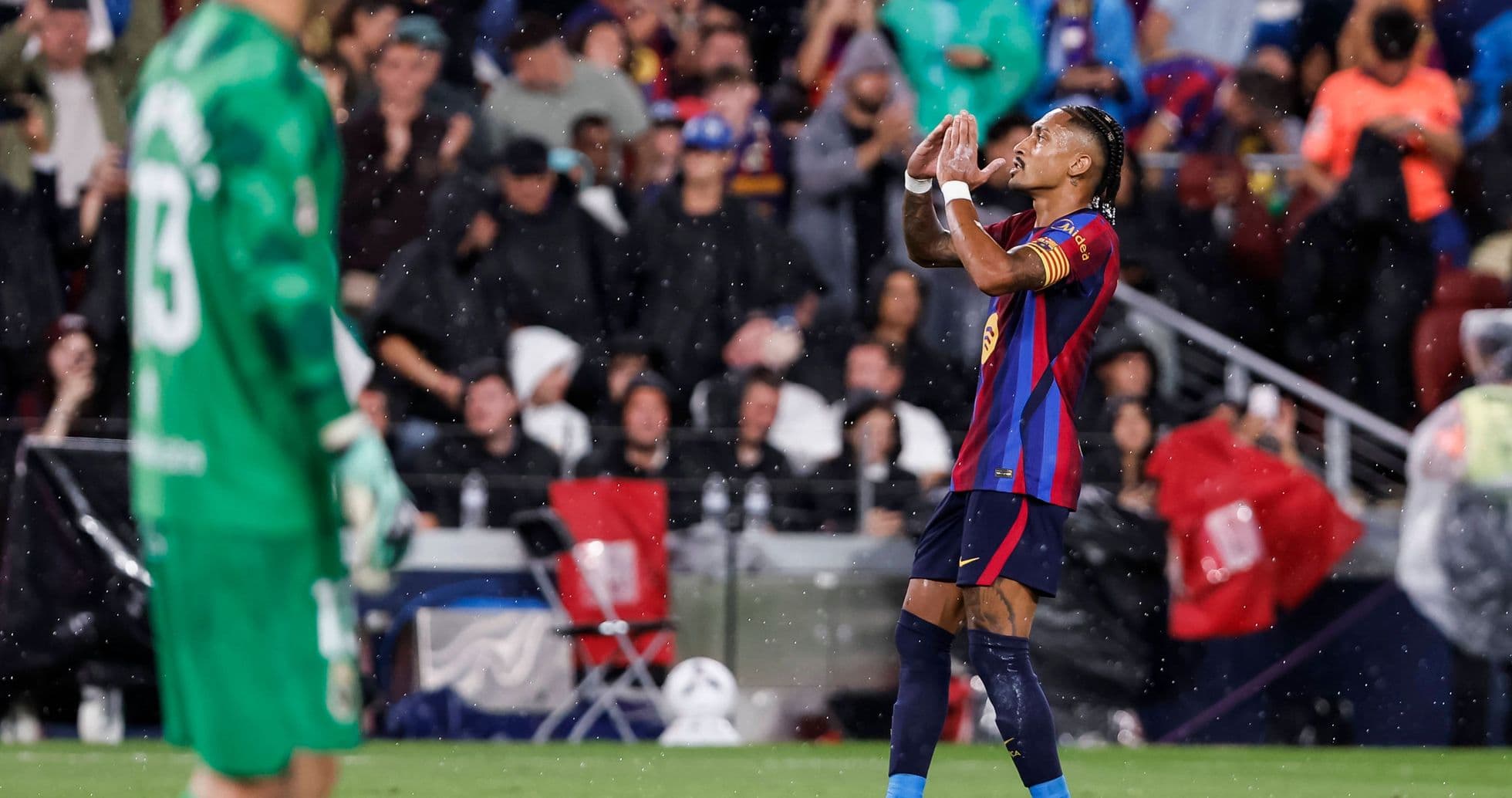
Raphinha's Hat-Trick Drives Barcelona to 7-2 Triumph Over Racing Santander
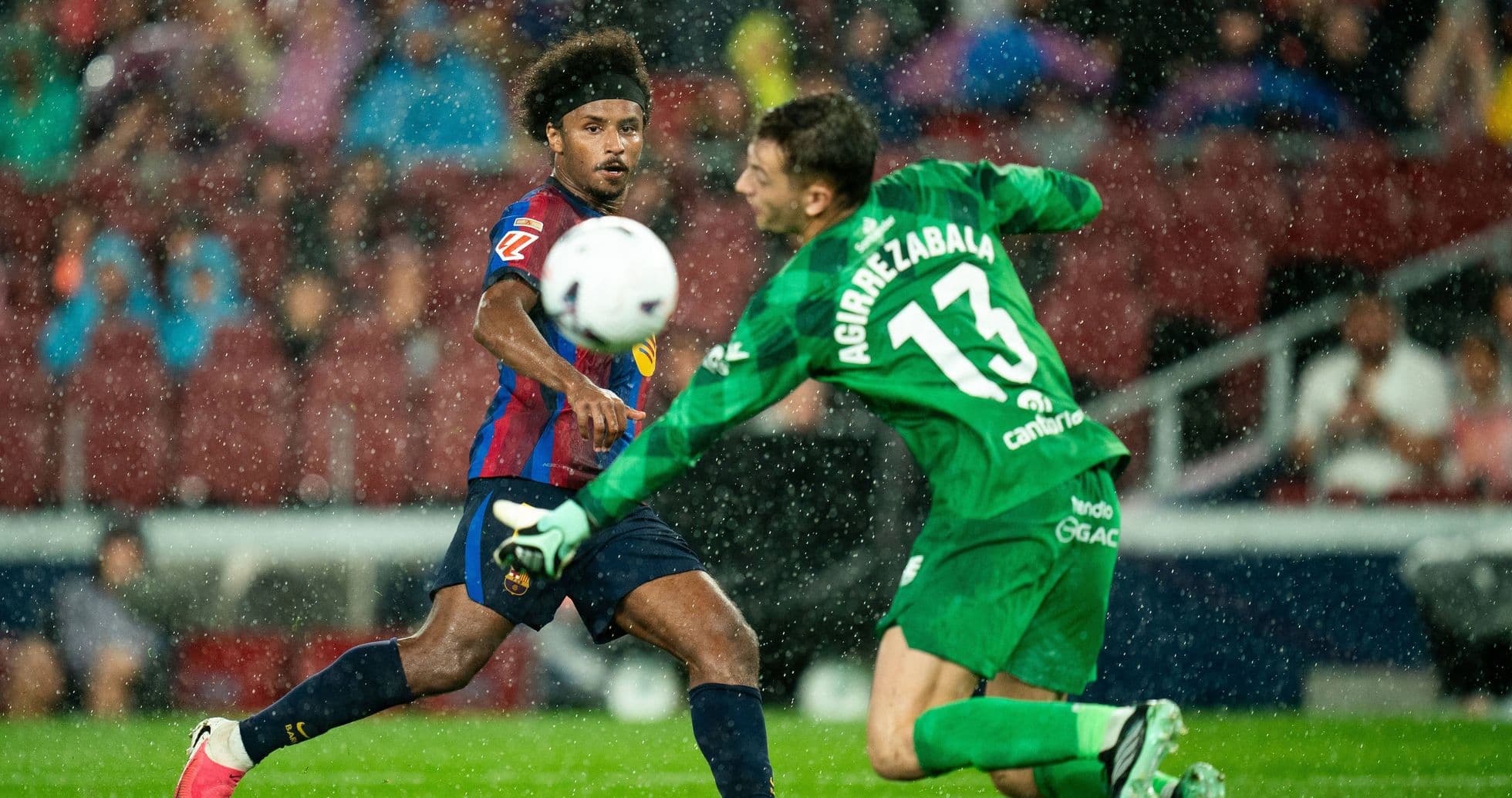
Hansi Flick Leads Barcelona to Record-Breaking Seven Wins in a Row
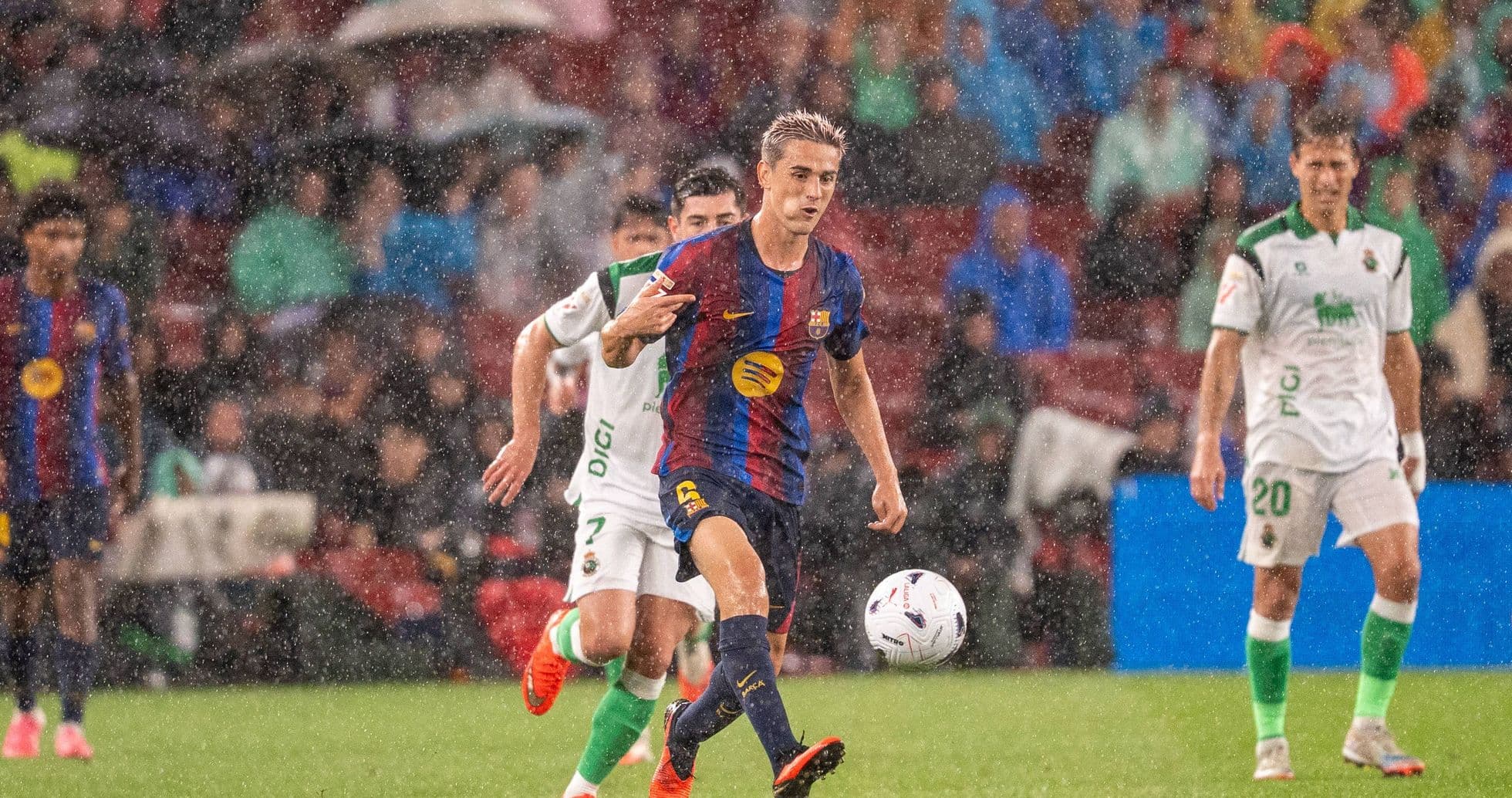
Gavi Reflects on Injury Return as Barcelona Dominate Racing Santander 7-2