
Australia Unites for Socceroos World Cup Stalemate
Australia once stopped for a horse race. On Friday, it stopped for a stalemate.
For 90 tight, nervy minutes against Paraguay, a nation held its breath in the middle of the working day, waiting to see if the Socceroos could drag themselves into the World Cup knockout rounds for a second straight tournament. No goals. No drama on the scoreboard. Yet the 0-0 was everything they needed.
Nil all, and through.
A nation clocks off
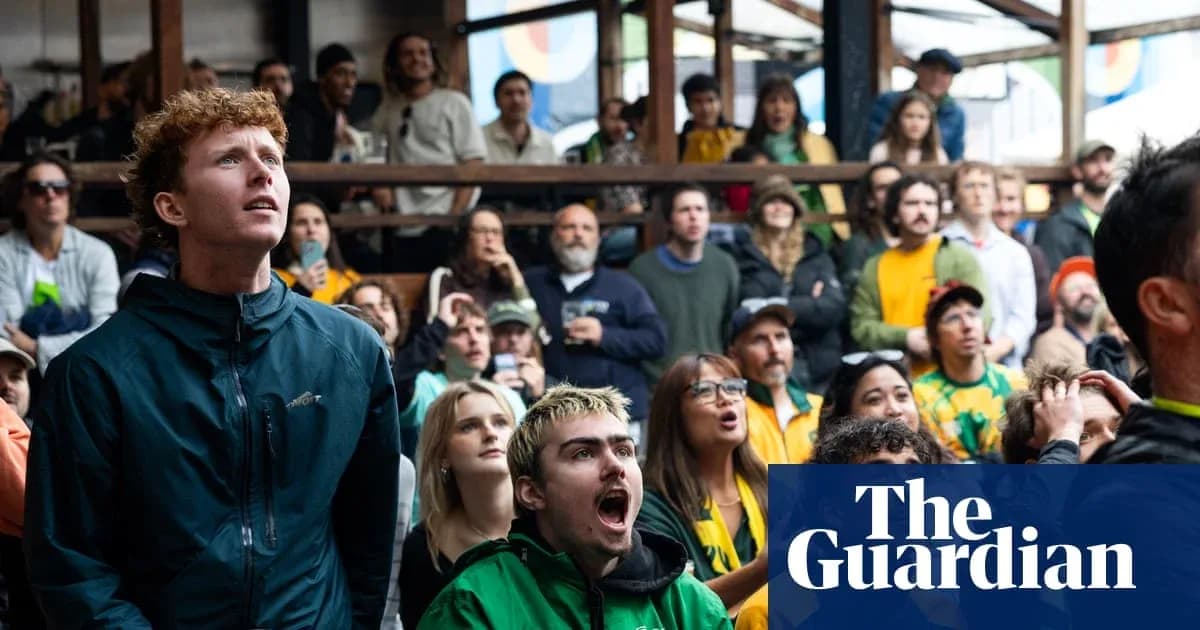
From mid-morning, the country’s city pubs turned into makeshift fan zones. Gold and green shirts replaced office attire. Laptops were pushed aside to make room for pints.
At the Golden Barley in Sydney’s inner west, small business owners Jamie and Rick Hayman treated it like a public holiday. Emails and invoices on one side, the Socceroos on the other.
Rick, who runs a local construction company, has followed the team “forever” and has seen the mood change around them.
“It unites the community,” he said. “That’s what you notice. Pubs get filled up, there’s all the talk around town, it’s really good to see.”
It helped that this was history in itself: the first Socceroos World Cup match ever played entirely within Australian working hours. No alarms at 3am. No bleary-eyed commutes. Just a long lunch that never really went back.
In the front row at the Golden Barley, Nick and three old friends had claimed their spots as soon as the doors opened. Guinness in hand, eyes fixed on the screen, he wore an original 1974 Socceroos jersey – a relic from the country’s first World Cup appearance.
Nick and his partner Robyn admit they miss the old ritual of the night shift: the cold, the dark, the sense of being part of a secret national vigil.
“We were just saying this morning, we used to wake up in the middle of the night, it used to be really good,” he said with a laugh. “It’s a unique experience. A family experience.”
This time, the family experience came with sunlight.
Standing room only, nerves to match
Down the road at the Vic on the Park, the mood was louder, tighter, more anxious. Hundreds crammed into the courtyard and front bar, bodies pressed shoulder to shoulder, every long ball met with a collective groan.
When the rain swept in during the first half, jackets and scarves doubled as makeshift umbrellas. Ponchos were dragged out of bags. No one moved. No one wanted to give up their view.
After 80 goalless minutes, a few hopeful “Aussie, Aussie, Aussie” chants broke out, half rallying cry, half plea. Somewhere in the front bar, a dog howled along, as if it understood what was at stake.
As the clock ticked into added time, the tension snapped. Cheers began to ripple as the result edged closer to certainty. A bald man with a stick-on Australian flag tattooed to his head grabbed his mates in a bear hug. Relief, not euphoria, powered the celebration.
Some had cleared their schedules weeks ago. Others improvised.
Sophie and her son Orson, in year 11, had also been at the Vic when Australia lost 2-0 to the USA in the early hours the previous Saturday. This time, Orson skipped the last day of term. Sophie worked quietly from her phone in the corner, eyes flicking up whenever the ball entered the final third.
“This is of national importance,” she said. “I really want Oscar to hear a goal in the pub, just to hear us lift.”
The goal never came. The roar did anyway.
Oscar, who dreams of becoming a football coach, watched the crowd as much as the pitch.
“Football’s growing,” he said. “It’s been brilliant, so cool to see so many people supposed to be working coming to support their country.”
Federation Square heaves
In Melbourne, Federation Square turned into a cauldron. Victoria Police estimated 7,500 people packed in, many arriving hours before kick-off. By 10am, the square was full.
Fans killed the time with improvised competitions: high-stakes games of flip bottle sparked pockets of wild celebration. A successful flip drew cheers that sounded, for a moment, like a goal. Teenagers bragged about “wagging” school. Others waved notes from parents granting permission to miss class for the match.
When the national anthem rang out, seven flares lit up the square. The burst of colour came at a cost: a 16-year-old was arrested.
The crowd, dense and restless, shifted in unpredictable waves. Every so often, some unseen shove sent bodies stumbling. Each time, once people steadied themselves, thousands turned as one to find the culprit and let fly with a single, blunt verdict: “wanker”.
Police later said three teenagers received penalty notices for riotous behaviour and were moved on.
Among the masses stood former Socceroo Craig Foster, watching a different kind of performance unfold – disciplined, controlled, exactly what the situation demanded.
He called it a “near perfect game” for Australia.
“The squad depth has been demonstrated,” he said. “They’ve done exactly what was required … Australia is managing well, learning very quickly, and it’s a beautiful day anytime the Socceroos get through to knockout rounds.
“We are here. We’re still in this tournament, and we’re fighting all the way. There’s nothing better in life.”
Not far from him, teenager Ali Abolhasani and his friend were riding a wilder wave. In the crush along the barricades, they tumbled to the ground and lost their shoes in the chaos.
Asked how he felt after full-time, Abolhasani didn’t hesitate.
“Amazing,” he said. “I can’t wait to come back next week. We did an all-nighter, we couldn’t sleep because we knew we’d make it … We’ll do it again.”
Capital caught up in it
Even Canberra, often slow to show its hand in sporting fever, was swept along. At Garema Place, more than 500 fans gathered around a modest two-screen setup that felt comically small for the size of the crowd.
Still, they came. Office workers, students, families. The capital’s political class even slipped into the picture.
ACT senator David Pocock, a former Wallabies captain and now a keen observer of football’s rise, made an appearance and spoke about what the Socceroos now represent.
“The Socceroos, as it’s been talked about this week in parliament, represents what is so great about Australia,” he said. “We do have so many people from diverse backgrounds coming together, and you see the way that that resonates across the country.”
On the pitch, it finished 0-0. On the streets, in the pubs, in the squares and public spaces, it felt like something far bigger.
Australia didn’t just survive a group stage. In the middle of a working Friday, it paused, gathered, and roared a team into the knockouts. The question now is simple: if a scoreless draw can stop a nation, what happens if the Socceroos dare to go deeper?
Related News
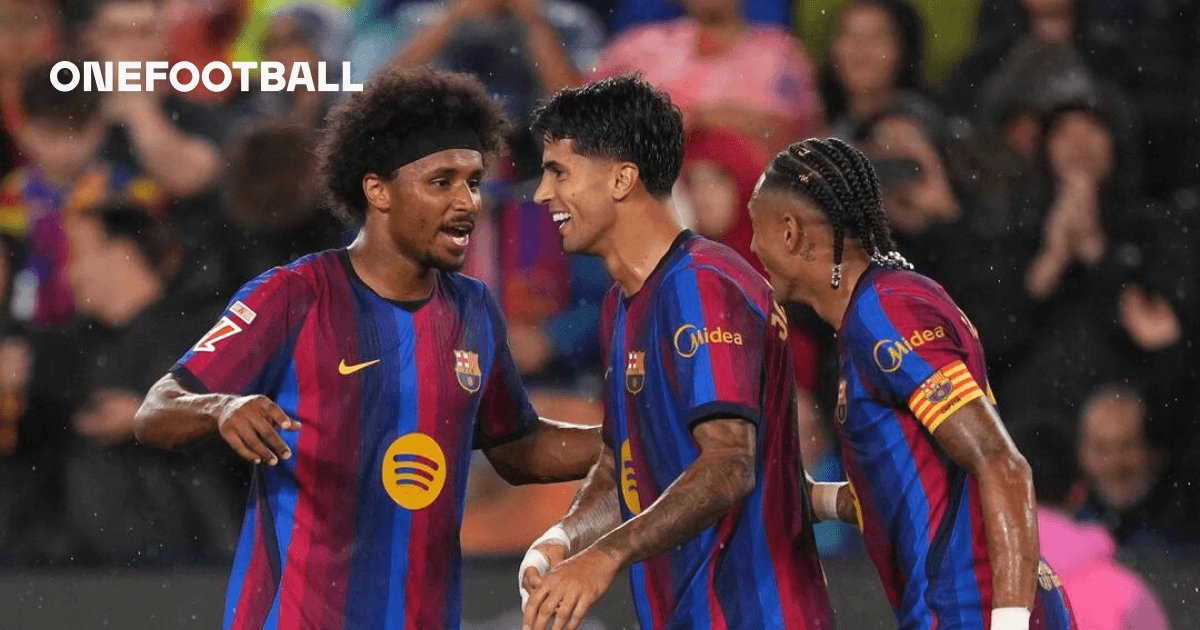
Raphinha’s Hat-Trick Powers Barcelona to 7-2 Victory Over Racing Santander
Carabao Cup Fourth Round Draw: Liverpool Set to Clash with Chelsea, Arsenal to Face Fleetwood Town
Key Football Matches to Watch in Azerbaijan This Autumn
Raphinha's Hat-Trick Drives Barcelona to 7-2 Triumph Over Racing Santander
Hansi Flick Leads Barcelona to Record-Breaking Seven Wins in a Row
Gavi Reflects on Injury Return as Barcelona Dominate Racing Santander 7-2