
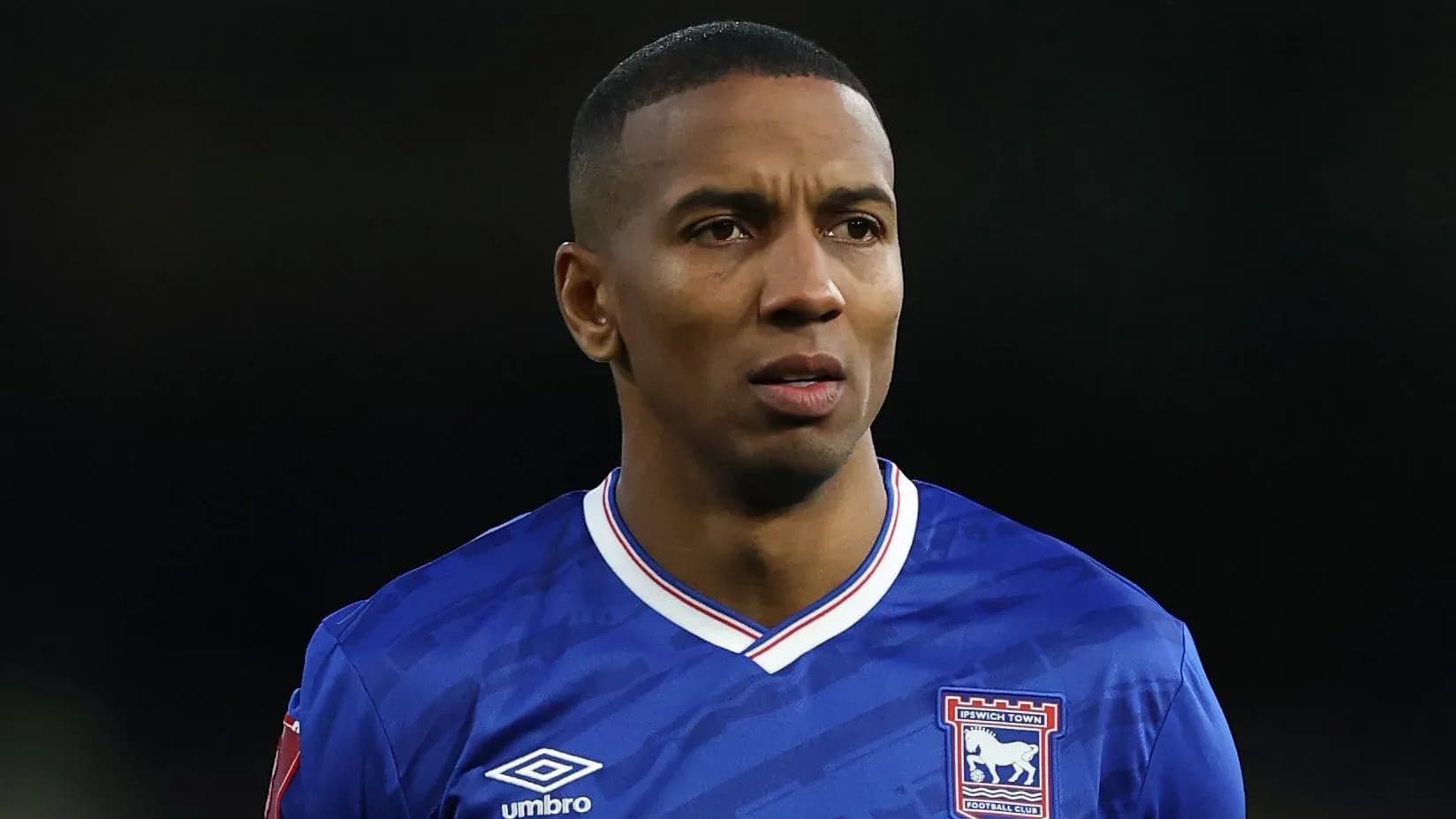
Ashley Young's Retirement and Hip Replacement Revelation
Ashley Young has never been one to slip quietly out of the back door. Not at Watford. Not at Aston Villa. Certainly not at Manchester United. So it fits that even his retirement comes with a brutal, unvarnished twist: weeks after hanging up his boots, the 41-year-old has revealed he now needs a hip replacement.
The former England international drew a line under a 23-year professional career this summer, signing off at Ipswich Town after helping the Tractor Boys complete their remarkable climb back to the Premier League. On the pitch, he managed 15 appearances in all competitions as Kieran McKenna’s side surged to second in the Championship. Off it, his body was quietly falling apart.
The moment the body said “enough”
Speaking on the High Performance Podcast, Young described the point he realised the end had arrived. It began, he said, with a heavy fall on his hip in November and an injection to get him through the pain.
“I went down on my hip in November and had an injection,” he recalled. “I have always said to myself: ‘If my body is saying you need injections, there is a problem, you need to think about retiring.’”
The scan results were blunt. The timeline, even harsher.
“Basically I need a hip replacement,” Young said. “In November I was told I would need it in about 10 years’ time.”
Ten years. That was the medical estimate. Young tried to turn it into a window of opportunity. One more push. One more promotion. One more season of doing what he had always done: playing through pain for the team.
By January, he was booked in for another injection, a short-term fix designed to drag him to the end of the campaign. The competitor in him refused to step back.
“I got to January and was due to have another injection which would have got me through to the end of the season,” he said. “I was saying to the specialist: ‘I know it is painful, but I want to make sure I do everything I can possibly do to help the team.’”
Training ground turning point
The plan did not survive contact with reality. A week before the scheduled injection, during what should have been a routine training session at Ipswich, the hip went again — this time, worse.
“About a week before I am about to have the injection, I go down on it in training and I am like ‘this is worse, I know it is a lot worse’,” he said.
From there, the decline accelerated. The pain moved beyond the usual threshold that footballers learn to live with. It stopped him training. It stopped him moving freely. For two to three months, one of the Premier League era’s great competitors could barely get onto the grass.
“From January to the end of the season, I literally had two or three months where I couldn't train it was that painful,” he admitted.
For most players, that would have been the cue to disappear into the treatment room and stay there. Young’s instinct was the opposite.
“I’m not going out like this”
He went back to the specialist and laid out his stance in the only way he knows — direct, confrontational, stubborn.
“I saw the specialist again and said ‘I'm not going out like this’,” Young revealed.
He then pushed the conversation to its edge.
“I asked him ‘are you telling me I can't play football again, you can say it if you want, trust me if I get an opportunity to be back on the pitch, I'll be back on the pitch’.”
It was not bravado. It was a challenge — to the diagnosis, to his own body, to the idea that a career like his should fizzle out in a consulting room rather than on the grass.
The doctors were clear. The hip was failing. Training, never mind playing, simply should not have been possible. Young ignored that.
“The last two months of the season I was training every day and he was like ‘it is not possible, you shouldn't be training’,” he said.
He did it anyway.
One last push for promotion
He never made it onto the pitch on the final day. No farewell cameo. No carefully scripted goodbye. When Ipswich sealed promotion back to the Premier League, Young watched from the sidelines, not the spotlight.
Yet for him, that did not cheapen the moment. If anything, it sharpened it. His contribution had shifted from matchday to the training ground and the dressing room, but it was no less real.
“It would have been incredible to come onto the pitch for the last game of the season,” he admitted. “But for me to train like I did that week and for us to be promoted on the last day of the season, it was fitting.”
Fitting, because this was how his career had always been built: not just on the highlights reels at Old Trafford or the medals in the cabinet, but on the unseen work, the sessions no one remembers, the days when playing through pain was simply part of the job.
Now, the cost of that relentlessness is clear. A hip that needs replacing. A body that finally forced him to stop. But Young walked away on his own terms, still trying to train, still trying to play, still trying to help a team over the line.
For a player who made a career out of stretching every last inch of himself, there was probably never going to be any other way.
Related News
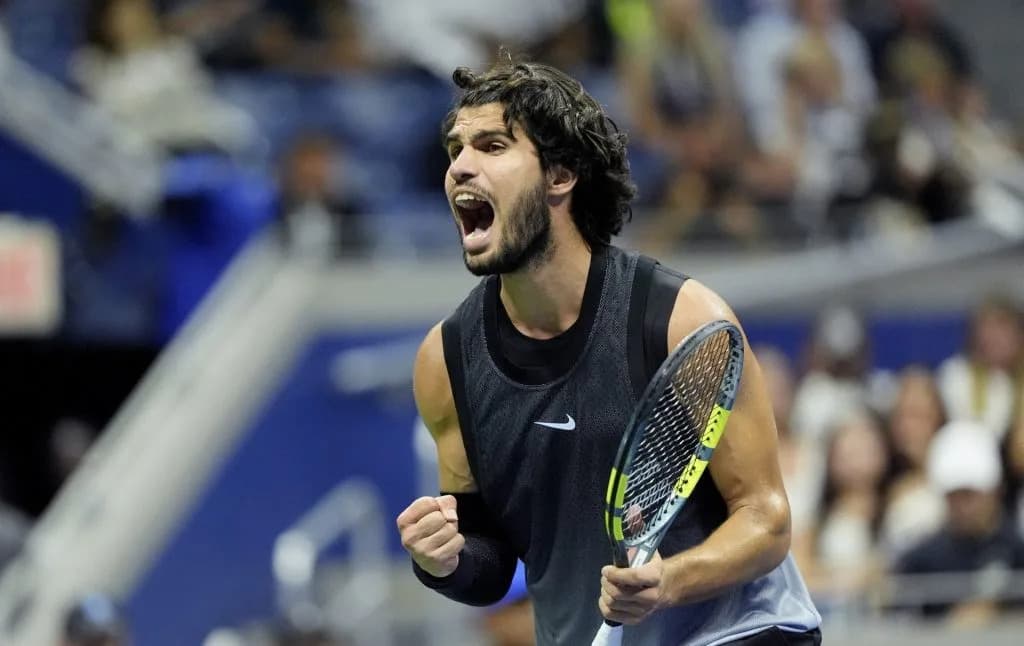
Carlos Alcaraz Urges Tennis Organizers to Stop Matches Finishing in the Early Morning
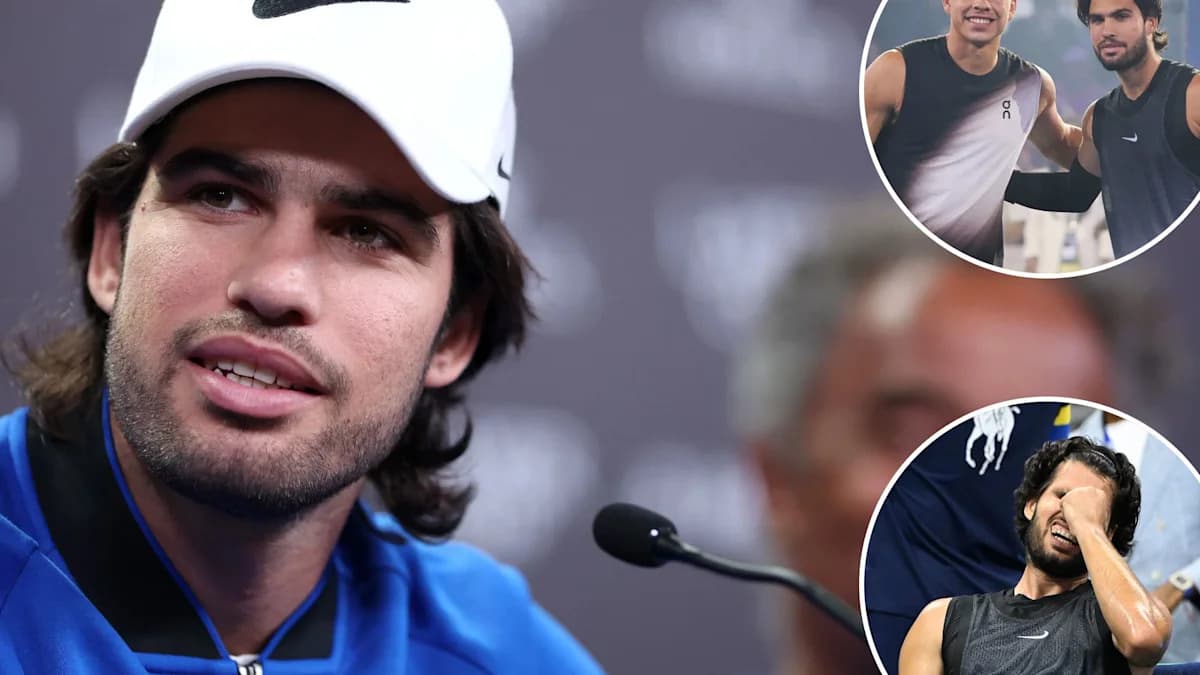
Carlos Alcaraz Frustrated by 3:30 a.m. US Open Finish: 'Too Much'
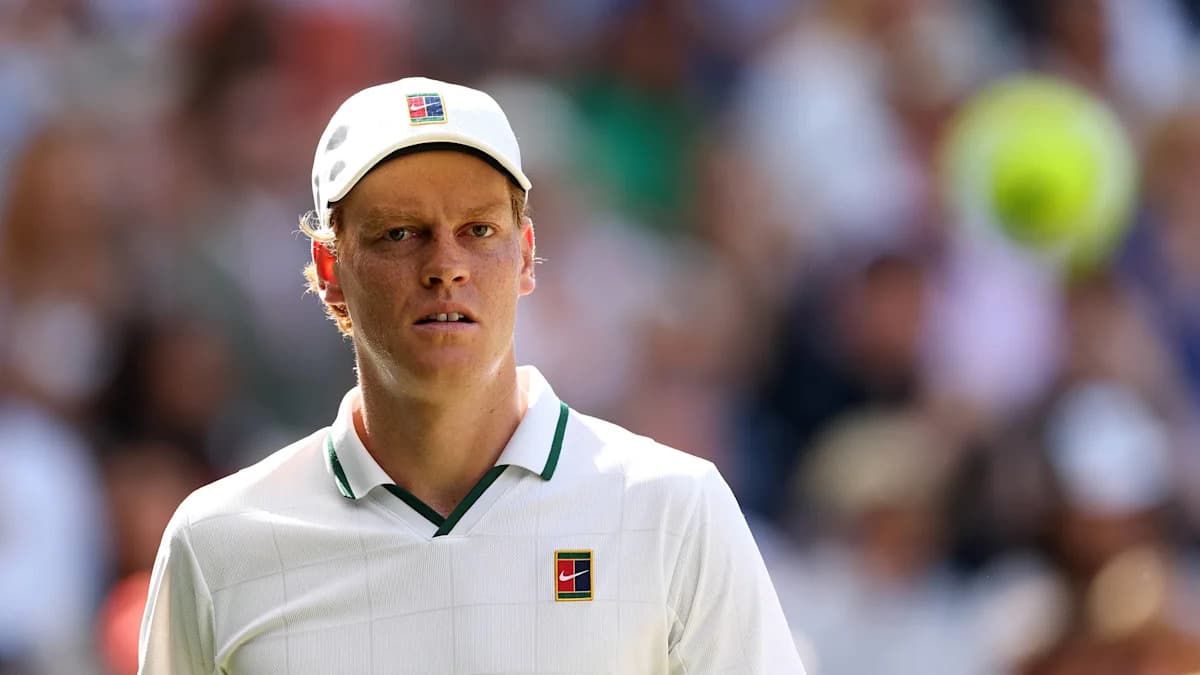
Jannik Sinner Set for ATP 500 Return in Beijing with Novak Djokovic Also Competing
Meet Iva Jovic: The Rising American Tennis Talent
Flavio Cobolli Shares Insights on Training with Jannik Sinner Ahead of His Tennis Return
Till vs Romero: Fight Details, Undercard, and Viewing Info for This Weekend