
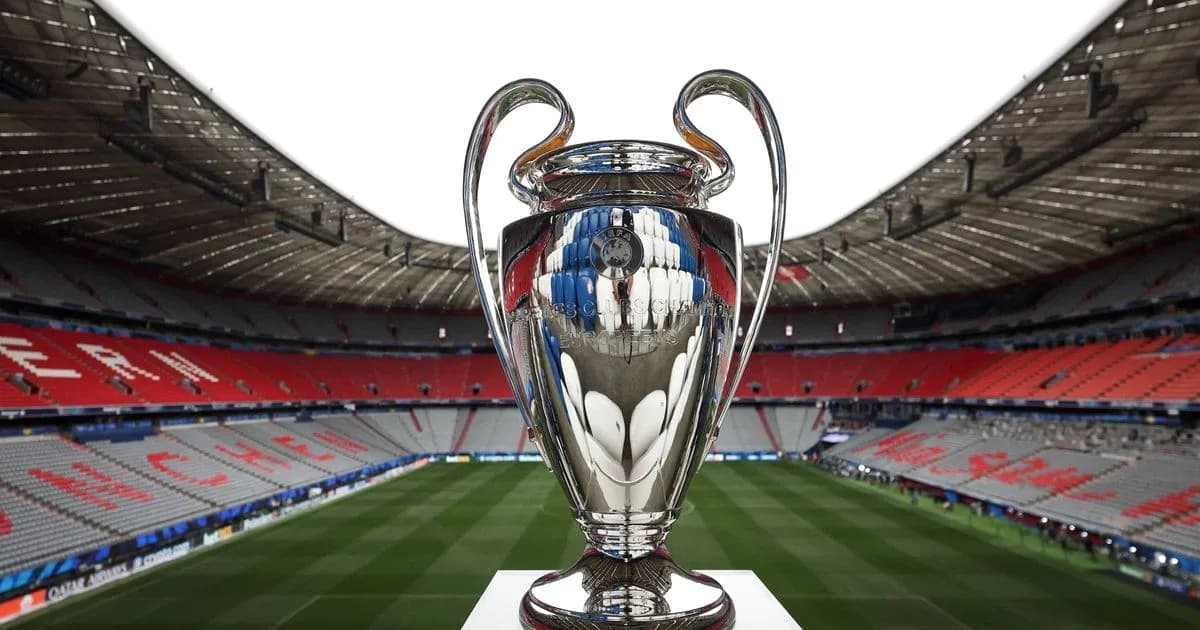
Arsenal's Historic Clash with PSG for Champions League Glory
Arsenal arrive in Budapest with the Premier League trophy already in their hands and a far greater prize looming into view. One game. Ninety minutes, perhaps 120. Paris Saint-Germain on the other side of the pitch. The Puskás Aréna waiting to anoint a new European champion – or confirm the old one.
This is the edge of history for Mikel Arteta’s team. Arsenal have never won the Champions League. They have chased it, flirted with it, suffered under its weight. Now they come as champions of England, the domestic job done on Tuesday night, the burden of “must win something” finally lifted from their shoulders.
The effect on this group is obvious. The title has changed the air around them. For years the question hung over Arsenal: can they cross the line when it matters most? That doubt has gone. They have proof now, a medal around the neck and a parade route already mapped. The psychology shifts. They no longer arrive in Hungary desperate, they arrive dangerous.
PSG, though, are still the benchmark. The reigning European champions, the side that knows how to navigate these nights, go into the final as favourites with the bookmakers. They are priced at 5/4 to win in 90 minutes with bet365, with Arsenal out at 21/10 and the draw at 12/5. Over the whole tie, PSG stand at 4/6 to lift the trophy, Arsenal 6/5.
On paper, that feels about right. On the pitch, it may be another story.
Arteta’s Arsenal are a different animal to the fragile version that once fell short in these arenas. The title run has hardened them. Momentum, once a question, is now a weapon. Once it starts rolling, it is notoriously hard to stop.
They also have something they have lacked for years: a cold, clinical edge in the final third. It is embodied by two summer decisions that now look inspired.
Eberechi Eze was brought in for precisely these occasions. He has already scored in a cup final in his career and has knitted himself into the heart of Arsenal’s attacking play this season. Eze carries that rare quality: the ability to turn a cagey, tactical contest with one strike from distance, to find a pocket of space and punish a defence that switches off for a second. Against PSG, where chances may be rationed, that kind of individual spark could decide everything.
Ahead of him, Viktor Gyökeres has bulldozed his way through the campaign. Twenty-one goals tell their own story. He is expected to lead the line again in Budapest, the focal point of Arsenal’s attack, a constant outlet against a PSG back line that will not enjoy being dragged into wide duels and sprints into the channels. He has the form, the confidence, and the relentlessness that finals often reward.
The problems lie further back.
Ben White’s absence rips a hole in a defensive structure that has been one of Arsenal’s great strengths. The right flank, usually so secure, suddenly looks like a high-wire act. Inside the camp, a lot of hope has been pinned on Jurriën Timber winning his race for fitness. Not just because White is missing, but because the Dutchman is, quite simply, that good. His composure, his recovery pace, his ability to step into midfield – all of it would be invaluable against this level of opposition.
The signs, though, are not encouraging. If Timber cannot make it, Arteta is likely to turn to Cristhian Mosquera. The Spaniard is a centre-half by trade, but he has shown real promise this season, stepping into big moments with a calm head and clean defensive instincts. This will be something else entirely.
Because waiting for him is Khvicha Kvaratskhelia.
Few wingers in Europe stretch a defence like the Georgian. He runs at you, again and again, with the kind of directness that exposes any hesitation. For Mosquera, it will be a night of concentration and courage, his positioning and timing tested to the limit. For Arsenal as a whole, it demands a collective solution: doubling up, smart pressing, and the kind of tactical gamble that risks space elsewhere to shut down PSG’s most explosive threat.
Finals rarely stay within the neat lines drawn on a tactics board. Legs tire. Nerves fray. Games drift into extra time and open up. That is where the bench matters.
Here, Arsenal carry a trump card: Kai Havertz.
He started against Burnley and scored the goal that sealed the Premier League title, but in Budapest he is more likely to be the man Arteta turns to when the pattern of the game cries out for something different. Havertz knows this stage. He has already scored once in a Champions League final in his career. He moves in strange, awkward spaces that defenders hate, arriving late, drifting between lines, appearing at the back post when concentration dips.
As a substitute, with the match stretched and tired minds all around him, he could be devastating. One touch, one run, one finish – and he would write himself into Arsenal folklore in an instant, his season of frustration transformed into legend.
Around all of this stands Arteta, the architect of Arsenal’s return to the elite. Whatever happens in Budapest, his work has dragged the club back to “astronomical heights”, as those inside the club quietly put it. From a side clinging to top-four hopes to Premier League champions and Champions League finalists, the transformation has been total.
But this is where legacies sharpen.
The prediction from inside the Arsenal camp leans towards something tight, something tense. A classic “1-0 to the Arsenal” has been floated as the likeliest script: control, discipline, one decisive moment. It would be fitting, in a way, if their greatest modern night in Europe came with that most traditional of scorelines.
PSG stand in the way, armed with experience, status, and the bookmakers’ backing. Arsenal arrive with a title, a surging belief, and a feeling that history is finally within reach.
One of those forces will break under the lights of the Puskás Aréna. The other will walk away with the biggest prize in club football – and a season that will be talked about for decades.
Related News
Raphinha’s Hat-Trick Powers Barcelona to 7-2 Victory Over Racing Santander
Carabao Cup Fourth Round Draw: Liverpool Set to Clash with Chelsea, Arsenal to Face Fleetwood Town
Key Football Matches to Watch in Azerbaijan This Autumn
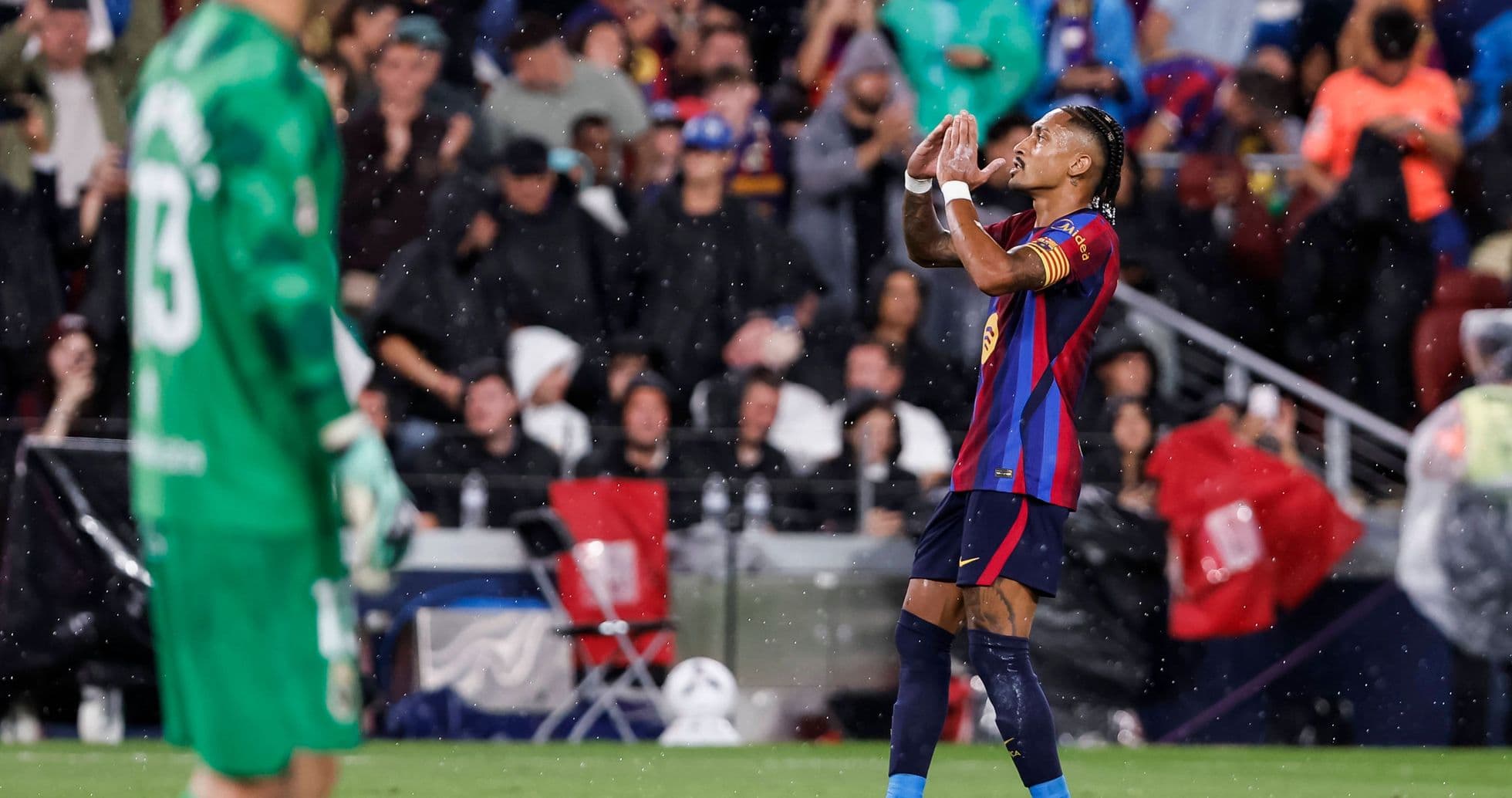
Raphinha's Hat-Trick Drives Barcelona to 7-2 Triumph Over Racing Santander
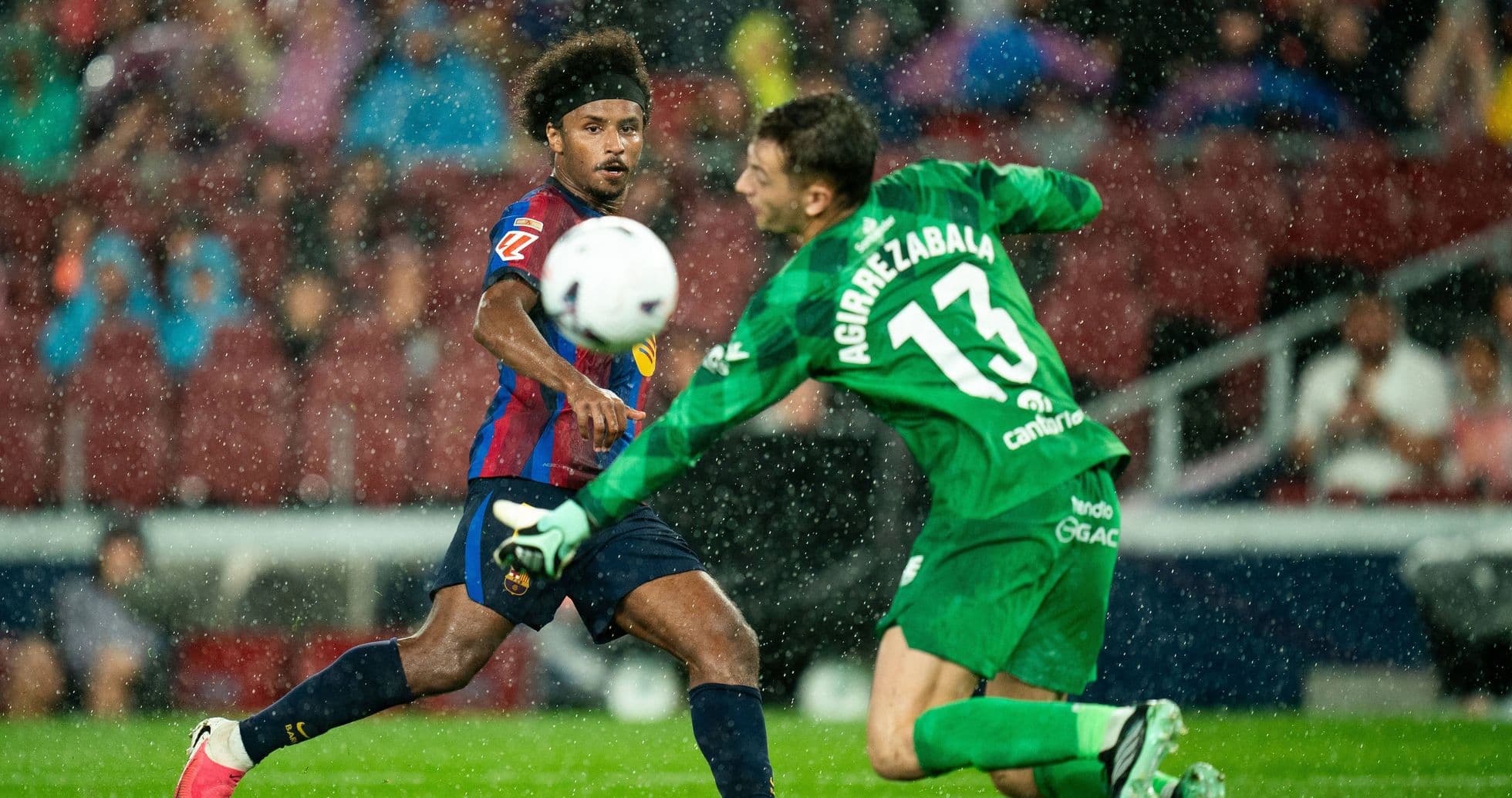
Hansi Flick Leads Barcelona to Record-Breaking Seven Wins in a Row
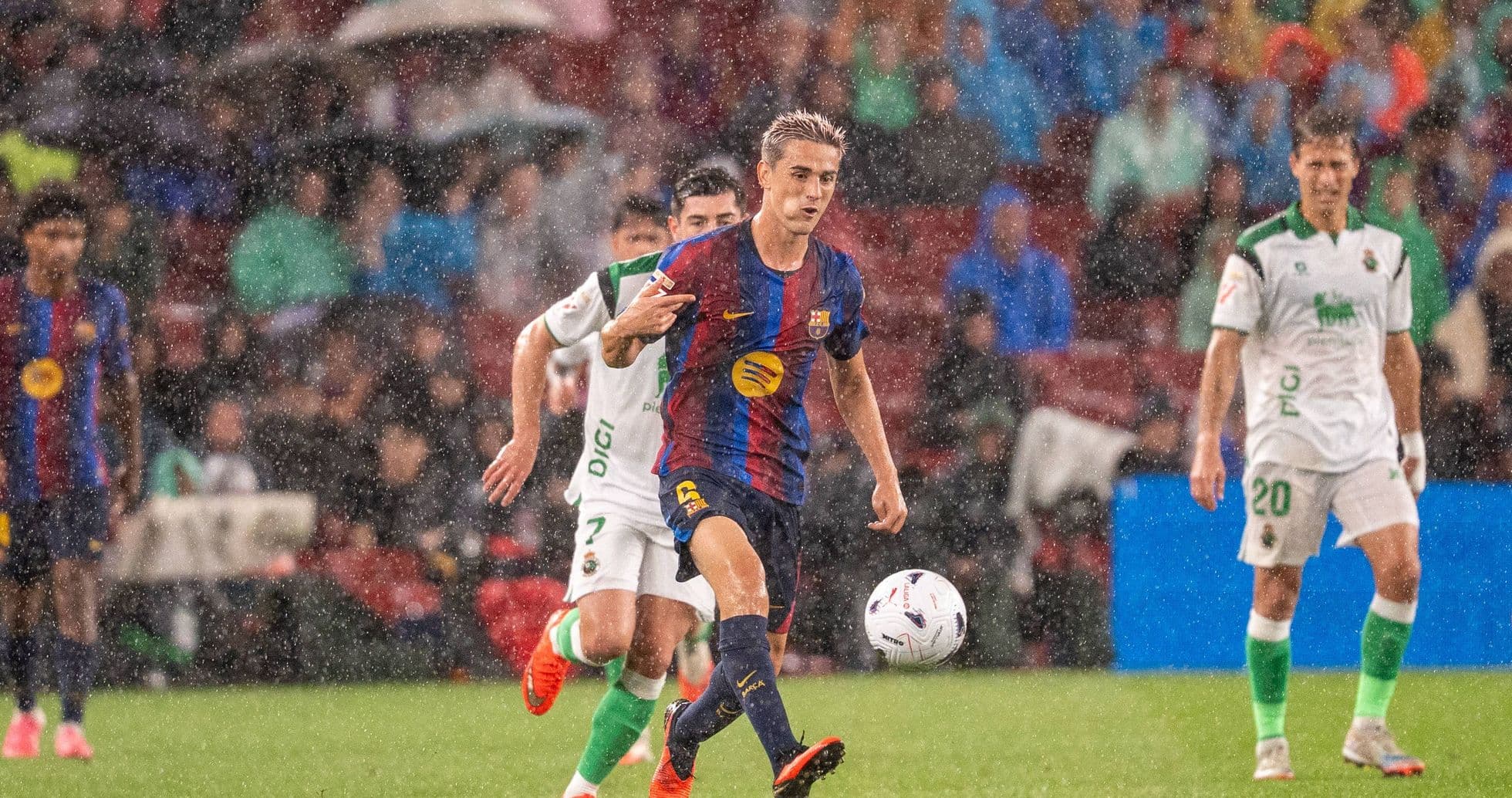
Gavi Reflects on Injury Return as Barcelona Dominate Racing Santander 7-2