
Argentina Stuns Egypt with Late Comeback in World Cup Clash
LOS ANGELES — Egypt walked to the edge of history. Argentina dragged them back from it.
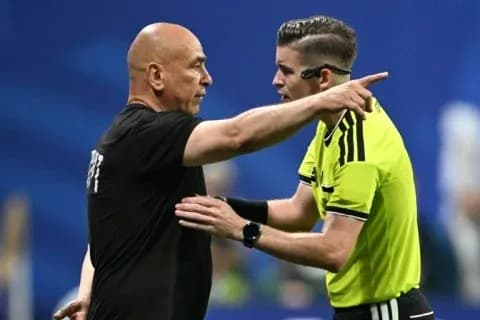
Two goals up on the defending world champions, a disallowed strike between them and a first-ever World Cup quarter-final, the Pharaohs could almost touch the last eight. Ninety minutes later, they were out, seething, and their coach was accusing the tournament of betrayal.
Hossam Hassan did not bother with diplomacy.
“I do not want to put it nicely and talk about hard luck. We have been cheated unfairly today, we have suffered injustice,” he said in a blistering press conference that matched the heat of the occasion.
Egypt rise, then rage
The game had seemed to tilt Egypt’s way early. Yasser Ibrahim’s header put them in front and rattled the holders. Argentina, chasing, looked shaken. Then came the first flashpoint.
Mostafa Zico swept in what Egypt believed was a crucial second while they still led 1-0. For a few seconds, it felt like a nation’s breakthrough moment. VAR tore it away, spotting a foul on Lisandro Martinez much earlier in the move. The goal vanished, the mood darkened.
Zico answered that injustice on the pitch, or so it felt. He did eventually double Egypt’s lead, this time clean, this time allowed. The underdogs stood 2-0 up on the world champions, a shock for the ages taking shape under the California sun.
Argentina, though, rarely stay beaten for long.
Messi misses, then ignites
Before the comeback, there was another twist. After Ibrahim’s opener, Argentina had the chance to level when they earned a penalty for a trip on Nicolas Tagliafico. Up stepped Lionel Messi, the eight-time Ballon d’Or winner, carrying the weight of a nation and his own uneasy history with World Cup penalties.
Mostafa Shobeir guessed right and saved.
Messi’s struggles from the spot on this stage deepened: he has now failed to score four of his eight non-shootout penalties at World Cups, including two at this tournament. For Egypt, it felt like a sign. For Argentina, it was a warning.
The champions did not fold. Cristian Romero pulled one back, slicing into Egypt’s lead and shifting the energy in the stadium. The noise rose, the pressure grew. Egypt, who had defended with discipline and nerve, suddenly had to ride out wave after wave.
Then Messi struck.
Having seen one golden chance wasted from 12 yards, he found redemption in open play, smashing in the equaliser and dragging Argentina level. His eighth goal of the tournament crashed through Egyptian hopes and reopened the door for the holders.
The flashpoint that broke Egypt
At 2-2, the match became a storm. Every tackle, every decision, every run felt decisive. Egypt still had chances to break, still carried threat, but Argentina now drove the game.
The decisive moment, though, will be argued over in Cairo for years.
In the build-up to Argentina’s winner, scored by Enzo Fernandez, Egypt were convinced they should have had a penalty. They claimed Alexis Mac Allister pulled back Hamdy Fathy, a tug on the shirt that they insist should have brought a spot-kick and a chance to reclaim control.
Instead, play continued. Fernandez finished. Argentina completed a 3-2 comeback. Egypt’s dream lay in pieces.
For Hassan, that incident turned anger into open revolt.
“We haven't seen respect or fair play. There has not been respect or fair play,” he said. “A penalty was ruled out, was not even checked by VAR. A second goal was remarkably disallowed. There has not even been a VAR check when we have all seen the image of the (shirt) being pulled back.”
“Perhaps they wanted Messi to stay”
Hassan did not stop at individual decisions. He painted a broader picture, one in which the world champions and their global icon stood at the centre.
“Perhaps they wanted to keep the world champions in the competition. Perhaps they wanted Messi to stay in the running,” he told BeIn Sports. “In football, there are sometimes external factors that go beyond the technical aspects. The world champions received support at every level.”
Anger at the schedule
The Egyptian coach also turned his fire on the calendar. The match kicked off at noon local time (1600 GMT), just four days after both sides had come through their round of 32 ties. For Hassan, that timing bordered on absurd.
“Whoever schedules those matches has never played football. You never schedule a game for 12pm. At noon you go for a walk or to eat brunch, you do not go to play football,” he said. “When are the players supposed to eat? At 7.30am?
“There have been a lot of things to be questioned on and off the pitch.”
For a squad that had pushed the world champions to the brink, the sense of being stacked against them only sharpened the pain.
A coach who says he’s done watching
By the end, Hassan was not just lamenting a defeat. He was turning his back on the spectacle altogether.
“I am not going to continue following the matches of this World Cup, watching the matches of this World Cup,” he said. “This is my own way of speaking up.”
Egypt leave with nothing tangible, no place in the last eight, no historic milestone. What they do carry is a burning sense of injustice, a night when they led the world champions 2-0 and still walked away beaten, furious and convinced the game had slipped beyond the boundaries of football alone.
Argentina march on, their title defence still alive. Egypt go home asking whether this was simply the cruelty of elite sport — or a turning point that will harden a generation that came so close to rewriting their country’s World Cup story.
Related News

Ilia Topuria Accuses Justin Gaethje After UFC Defeat

Tyson Fury vs Anthony Joshua Fight Date and Venue Confirmed

Switzerland Calls Up In-Form Sion Striker Winsley Boteli for Nations League
Bournemouth Secures Historic 2-1 Win Over Real Sociedad in Spain
Portugal Announces Squad for 2026 UEFA Nations League; Cristiano Ronaldo Expected to Play
Raphinha Channels Ronaldo Nazario as Barcelona's Leading Striker After Position Change