
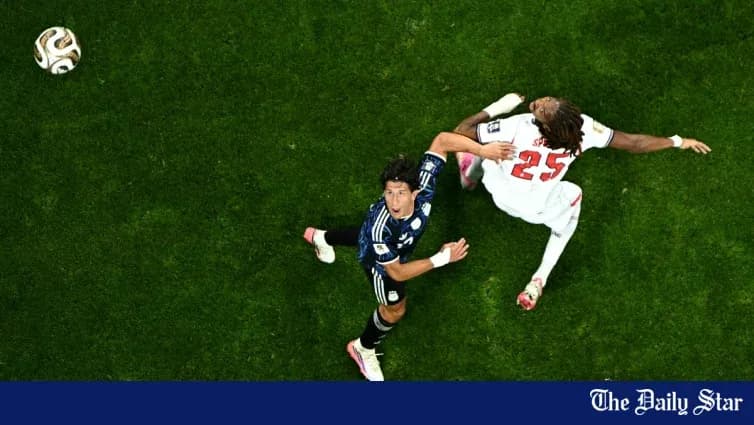
Argentina's Dramatic Comeback Against England in World Cup Semifinal
They may have to check the foundations of Mercedes-Benz Stadium.
When Lautaro Martínez’s 92nd‑minute header ripped past Jordan Pickford, the roar from the Albiceleste support didn’t just echo; it shook the place to its core. Blue and white limbs everywhere, England players slumped to the turf, and another Argentina comeback carved into World Cup mythology.
Argentina are back in a World Cup final, this time via a savage, breathless 2-1 turnaround against England in the second semifinal. It was frantic. It was nasty. It was pure, unfiltered knockout football.
And, inevitably, Lionel Messi stood at the heart of it.
At 39, he once again bent the script to his will. First came the disguised pass that teed up Enzo Fernández for an 85th‑minute thunderbolt. Then, with England reeling, he slid in the killer ball for Lautaro to finish the job deep into stoppage time. Two touches of genius. Two daggers.
But this night was not just about Messi’s artistry. It was about war.
Scaloni tears up the plan
Argentina had been accused all tournament of sleepwalking through games, conserving energy, leaning on late surges and individual brilliance. Not here. Lionel Scaloni tossed aside caution and ordered chaos from the first whistle.
His midfield snarled and snapped. Enzo, Alexis Mac Allister, Leandro Paredes and Nicolás Tagliafico hurled themselves into duels, turned every 50-50 into a 70-30. The press wasn’t measured; it was manic.
And then there was the wild card: Giuliano Simeone.
For England, seeing that surname on the teamsheet felt like a bad flashback. “Simeone” instantly drags the mind back to Saint‑Étienne ’98, to Diego Simeone, to David Beckham’s red card and a rivalry laced with grievance. This time, it was Diego’s 23‑year‑old son in the XI, a surprise starter and a psychological jab before the ball even rolled.
Giuliano didn’t just embrace the occasion. He devoured it.
Operating off the right, dovetailing with Nahuel Molina while his Atlético Madrid teammate Julián Álvarez led the line, Simeone played like a man who’d been waiting his whole life for exactly this kind of fight. Every sprint was full throttle. Every challenge carried intent. He hunted loose balls like a bloodhound, refusing to let England breathe.
This wasn’t just industry for its own sake. His tireless running stretched England’s left, forced them backwards, and carved out pockets of space for Messi to drift into and start taking players on. His energy became Argentina’s engine.
Three years ago, Simeone was recovering from a horrific leg fracture. On this stage, he looked like someone determined to squeeze every last drop out of the second chance football had given him.
England strike, Scaloni responds
For all Argentina’s fury, England drew first blood. In the 55th minute, Anthony Gordon struck, and suddenly the Three Lions had the scoreboard and, briefly, the control. Thomas Tuchel’s side dropped off, tightened lines, and tried to smother the game. The bus was parked, handbrake yanked.
That changed the equation for Scaloni. The first wave of chaos had drained Simeone. He had run himself to a standstill, finishing with four ball recoveries – joint-second among Argentines on the pitch – and a trail of battered English shirts in his wake.
On 73 minutes, Scaloni made the call. Simeone off, Rodrigo De Paul on.
The substitution carried a neat, almost poetic symmetry. De Paul, once the relentless enforcer under Diego Simeone at Atlético, now Messi’s lieutenant at Inter Miami, stepped in for the coach’s son, the very player who had taken his starting place. One warrior replacing another, same jersey, different chapter.
De Paul immediately mirrored the intensity. In a breathless cameo he also racked up four ball recoveries, snapping into tackles and almost conjuring an assist with a curling effort. The message was clear: Argentina would not dial it down. They would crank it higher.
The pressure finally broke the dam.
Enzo detonated the equaliser from distance in the 85th minute, a strike that seemed to bend the entire night in Argentina’s favour. England, who had tried to sit on their lead, suddenly found themselves drowning in blue and white waves.
Then came Messi again. Then Lautaro. Then bedlam.
A rivalry that never cools
This was not just another semifinal. Argentina and England drag decades of history into every meeting, a rivalry that stretches far beyond football. The Falkland Islands – Las Malvinas – and the 1982 war sit in the background of every tackle, every chant, every flashpoint. It simmers, always.
So when Argentina, the defending champions, dragged themselves off the canvas yet again, it carried extra bite. This time they didn’t wait for the game to drift their way. They didn’t coast and hope. They attacked the contest from the opening whistle and refused to let go.
Messi will own the headlines, as he always does when the stakes are highest. Another final. Another decisive night. Another reminder that his grip on this team, and on this era, remains firm.
But beneath the marquee name, another story took root.
Giuliano Simeone, the 23‑year‑old who ran until his legs gave out, who pressed, harried and fought as if the family name depended on it, has carved out his own place in Argentine folklore. Not with a goal. Not with a trick. With sheer, unrelenting will.
In a stadium still shaking from Lautaro’s winner, that might be the detail that lingers longest for Argentina’s future.
Related News
Ilia Topuria Accuses Justin Gaethje After UFC Defeat

Tyson Fury vs Anthony Joshua Fight Date and Venue Confirmed
Switzerland Calls Up In-Form Sion Striker Winsley Boteli for Nations League
Bournemouth Secures Historic 2-1 Win Over Real Sociedad in Spain
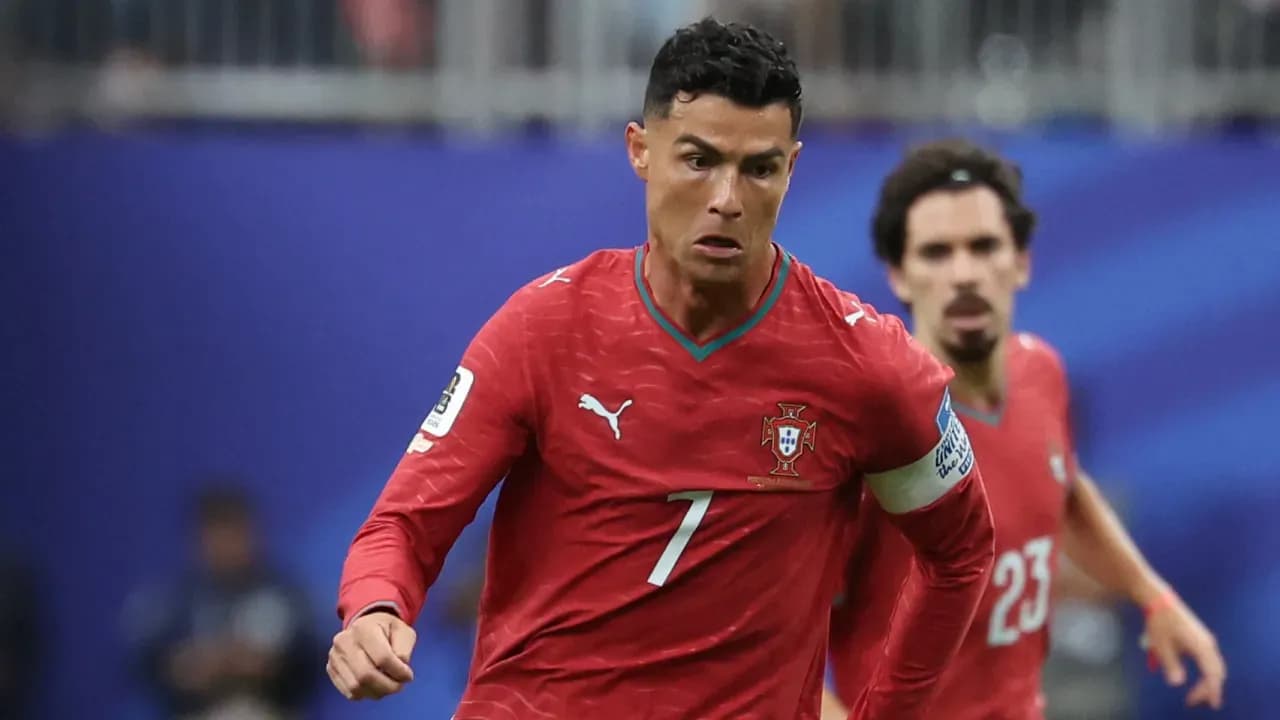
Portugal Announces Squad for 2026 UEFA Nations League; Cristiano Ronaldo Expected to Play
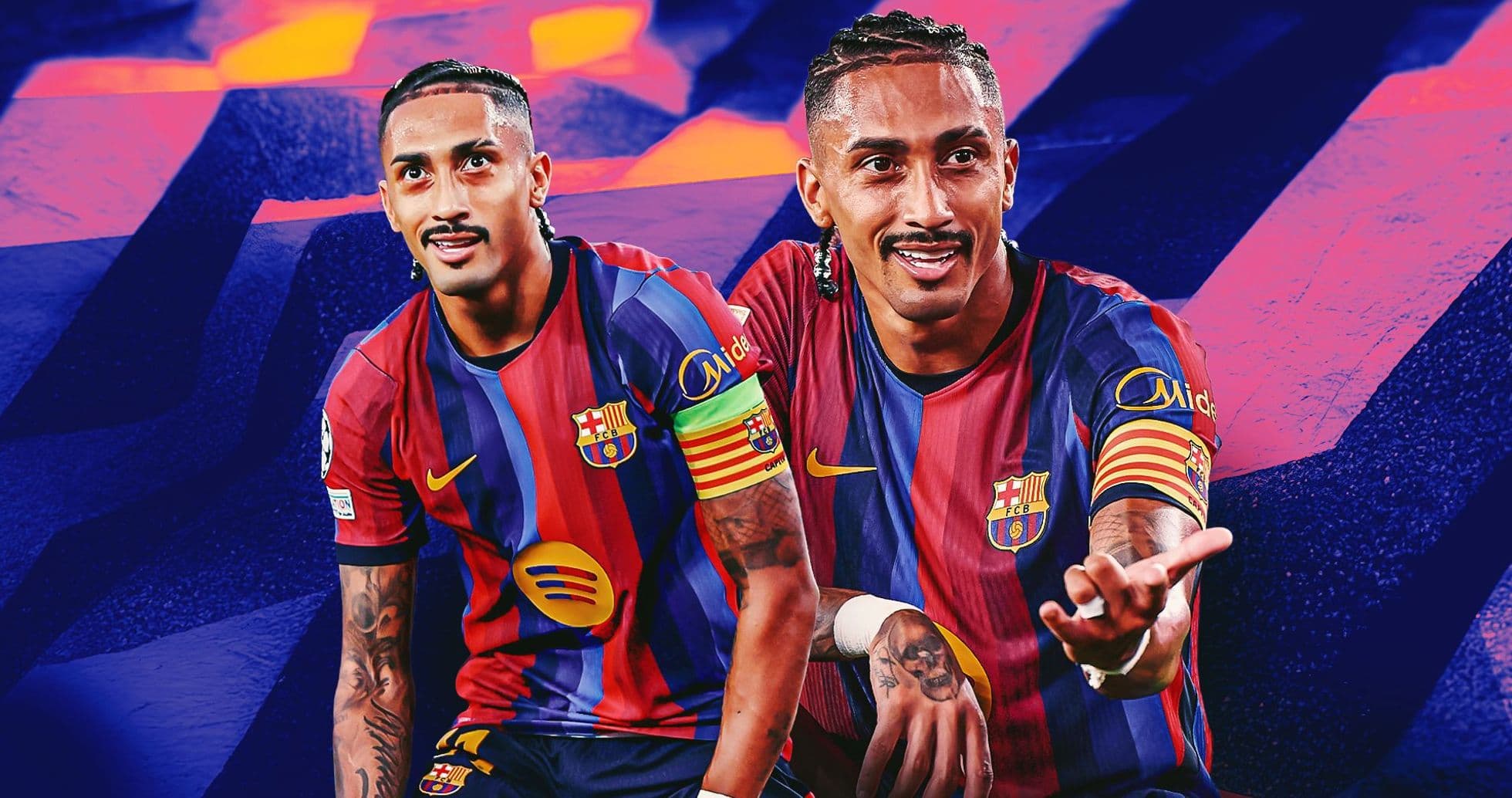
Raphinha Channels Ronaldo Nazario as Barcelona's Leading Striker After Position Change