
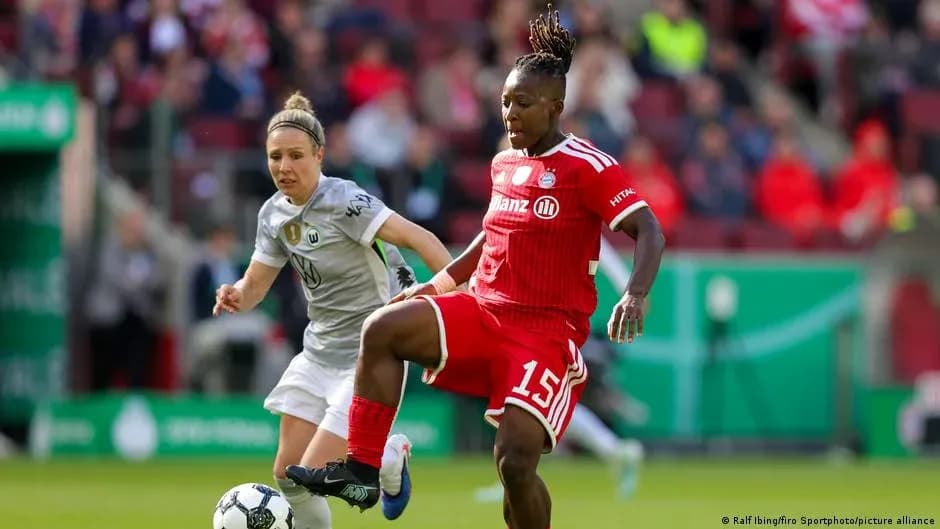
Amani’s Journey: From Dougbafla to Bayern Munich and WAFCON Leadership
Seven months into life at Bayern Munich, Bernadette Amani already has the kind of haul players spend careers chasing. Bundesliga title. German Cup. A half-season in Germany, two trophies in the bag, and a feeling that she has finally stepped into the world she imagined only in fragments as a teenager.
"It's a dream come true for me to be here, and I'm living my dream to the full," the 28-year-old told DW shortly before the Women’s Africa Cup of Nations kicked off in Morocco.
She doesn’t say it lightly. For Amani, Bayern is not just another move. It is the summit she had drawn in her mind.
"Munich is a very, very big club. Beyond just making me happy, it's a real achievement, a dream come true to be here, to play for such a prestigious club."
A different kind of professional
Amani arrived from CD Tenerife Femenino in Liga F, already a professional, already hardened by European football. Yet the jump to Munich has felt like entering another dimension of the game.
"I was already professional when I was in Spain, but let's just say it wasn't quite the same level of professionalism," she said.
In Spain or back home in Ivory Coast, a coaching staff might have meant five or six people. Enough to run training, prepare games, keep a team ticking over. At Bayern, that number stretches to eight, nine, sometimes 10 specialists orbiting the squad.
"And that enables them (the players) to perform at that high level for a long time."
The effect on a newcomer is almost inevitable. The structure drags you up or spits you out. Amani has chosen the first option.
"I've learned a great deal about aspects I wasn't already aware of; how to position myself, how to position my body, how to interact with the ball and how to think. Really understanding the game is something I'm gradually learning alongside (the players) and the coaching staff."
She is not talking about simple tactical tweaks. This is a midfielder being rewired in real time, in one of Europe’s most demanding environments.
A reluctant path to football
None of this was mapped out when she first kicked a ball with boys in Dougbafla. Football was a pastime, not a plan. Her parents pushed in another direction. Books, exams, a “proper” future.
They insisted on education. That insistence sent her to Abidjan, away from the village and closer to the door that would eventually open.
There, in the capital, she stumbled across something that changed everything: a women’s league, a stadium, a match that looked nothing like the improvised games of her childhood.
"I discovered the women's football league. I went to a match and, as luck would have it, it was the top team against the second-placed team," she recalled.
"I saw the intensity, I saw the technique, and then I heard that so-and-so isn't here today because she's playing in Serbia, another isn't here today because she's playing in Turkey. And that was a real eye-opener for me; it made me realize that I could make a living from what I love."
In the stands that day in 2019, she watched Onze Soeurs de Gagnoa. Soon, they were watching her. The club offered a trial. She took it, and she took her chance.
Within a year, she had left Ivory Coast for Spain’s third tier. From there, the climb accelerated. Liga F with Eibar. A swift move to Tenerife. Each step a little higher, a little faster, until Bayern came calling.
She calls it "the top." Yet she refuses to treat it as a finish line.
"Someone on the outside will say to you: 'You've put in the effort, you've made it to Bayern, a club that wins titles, that's professional and renowned all over the world,'" she said.
"But someone who's involved in football will tell you that's where the hard part begins. Staying there is even better. And it's hard not to let your guard down."
The trophies confirm she belongs. The pressure reminds her she cannot relax.
Captain of a returning nation
For now, the Bayern story pauses. A different shirt, a different responsibility takes over. Amani is captain of Ivory Coast at WAFCON 2026, leading a nation returning to the continental stage after 12 years away.
Ivory Coast were one of four late additions when the tournament expanded from 12 to 16 teams. A late call, but a long-awaited comeback.
"The target that has been set for us is, of course, to do no worse than we did at the last Africa Cup of Nations we took part in — that is, to finish third," she said.
That 2014 run set a benchmark. This squad looks different. More players now operate in Europe’s top leagues, a clear sign of progress. At the same time, almost half of the current group will be making their first appearance at a WAFCON.
Inexperience on one side, newfound pedigree on the other. It is a delicate balance, but Amani sounds quietly sure of what they can bring.
"We're going to focus on our own game, and we know that we've got qualities that could give (our opponents) a run for their money," she said.
The Lady Elephants did more than just trouble their first opponents. They dominated. In Casablanca on Monday, they swept past Burkina Faso 4-1, a statement win that sent them straight to the top of Group B.
The early pressure of a returning nation eased, at least for a moment. The goals, the control, the swagger — all of it suggested a team not content simply to be back on the stage.
A sterner test, a sharper edge
Now comes the kind of match that reveals how far this Ivory Coast side can really go. On Friday they face South Africa, ranked second on the continent. On paper, it is the group’s heavyweight clash.
Yet even heavyweights can wobble. South Africa arrive wounded, beaten 2-1 by Tanzania in their opener. A shock result, and a warning. Reputation guarantees nothing in tournament football.
For Amani and her teammates, the equation is simple: build on the Burkina Faso win, handle the step up in quality, and prove that talk of a top-three finish is not just nostalgia for 2014.
She has already shown she can climb from a village pitch to Bayern’s training ground. Now the question hangs over Casablanca and beyond: can she drag Ivory Coast back into Africa’s elite and stay there, just as she plans to in Munich?
Related News
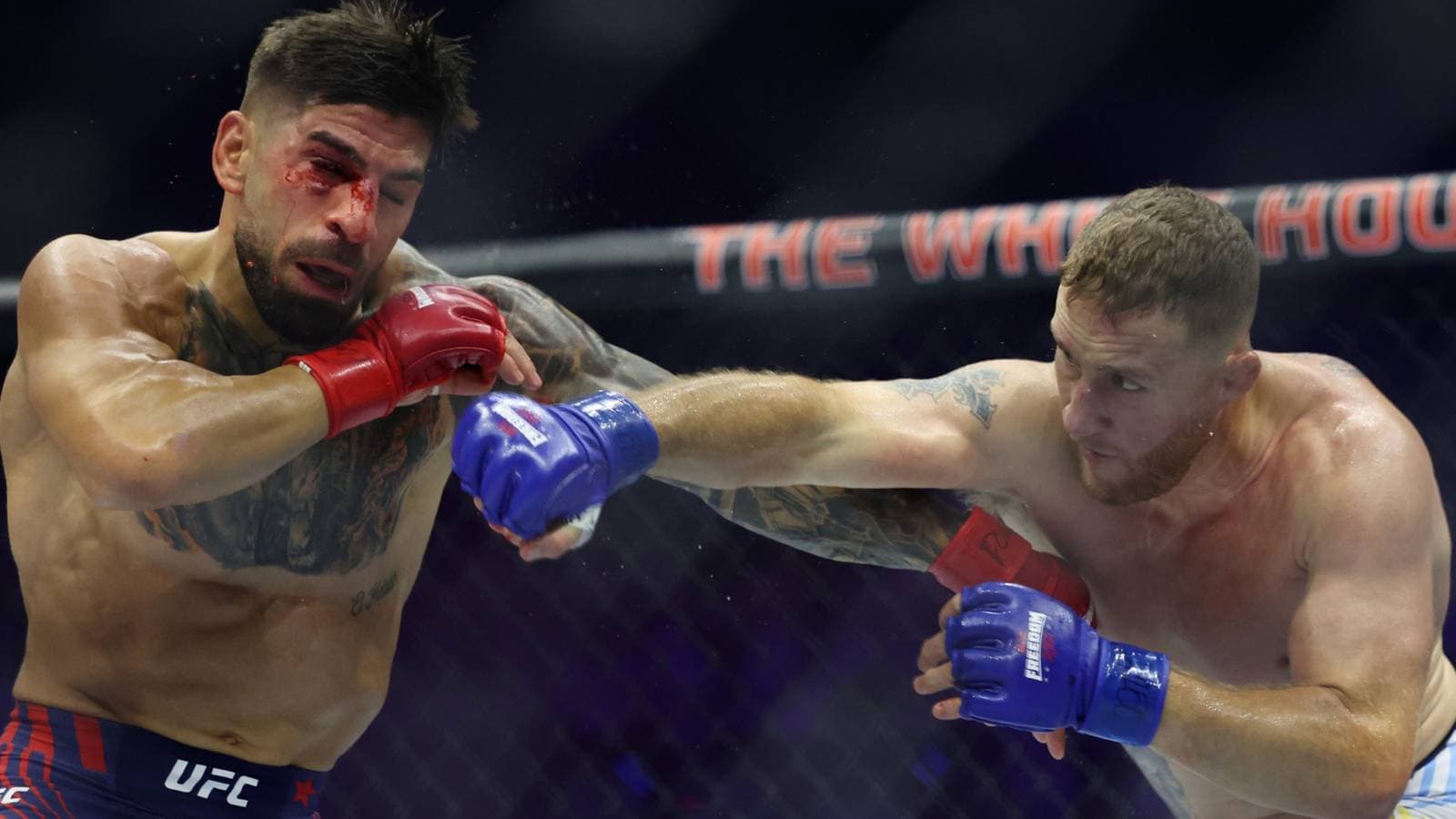
Ilia Topuria Accuses Justin Gaethje After UFC Defeat

Tyson Fury vs Anthony Joshua Fight Date and Venue Confirmed
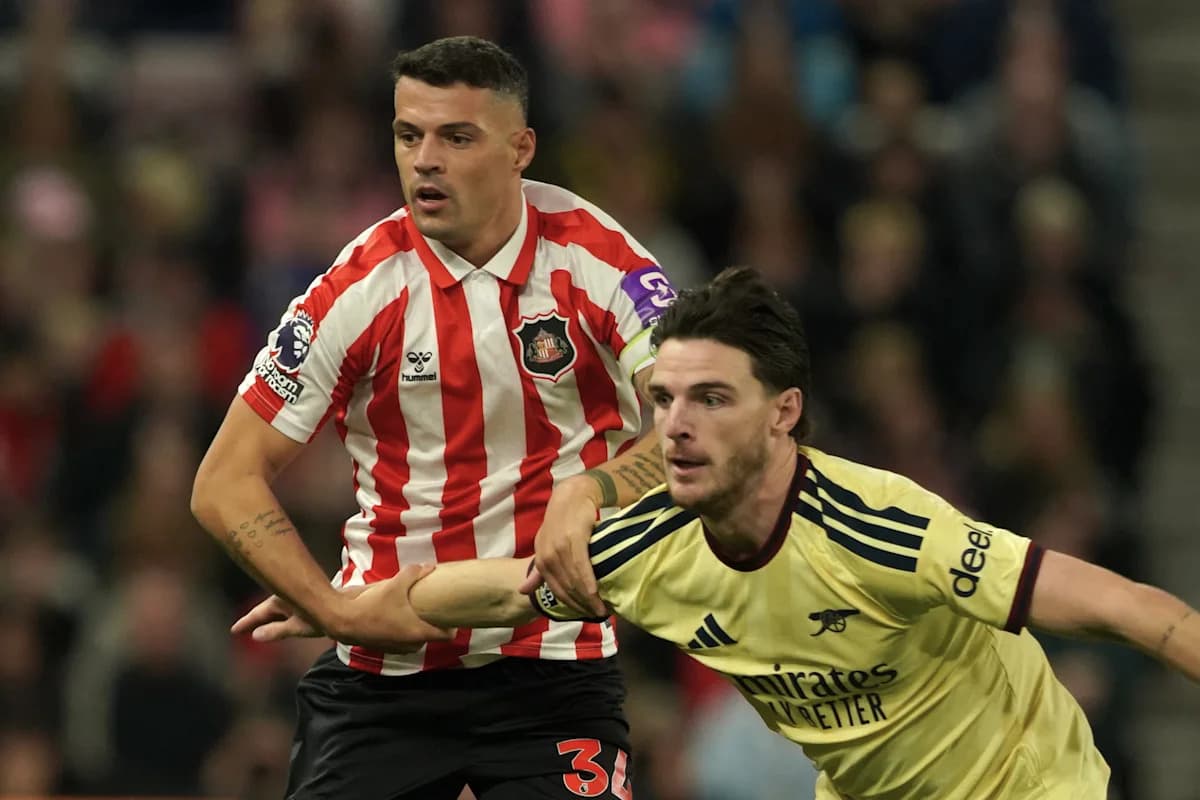
Switzerland Calls Up In-Form Sion Striker Winsley Boteli for Nations League
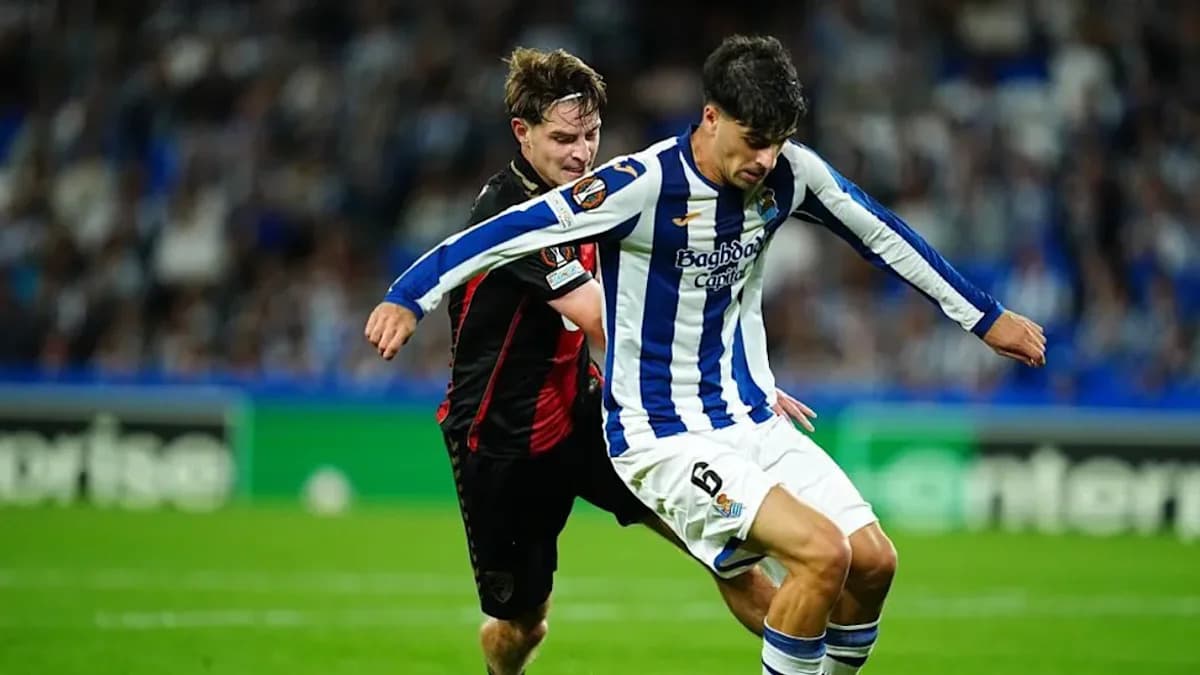
Bournemouth Secures Historic 2-1 Win Over Real Sociedad in Spain
Portugal Announces Squad for 2026 UEFA Nations League; Cristiano Ronaldo Expected to Play

Raphinha Channels Ronaldo Nazario as Barcelona's Leading Striker After Position Change