
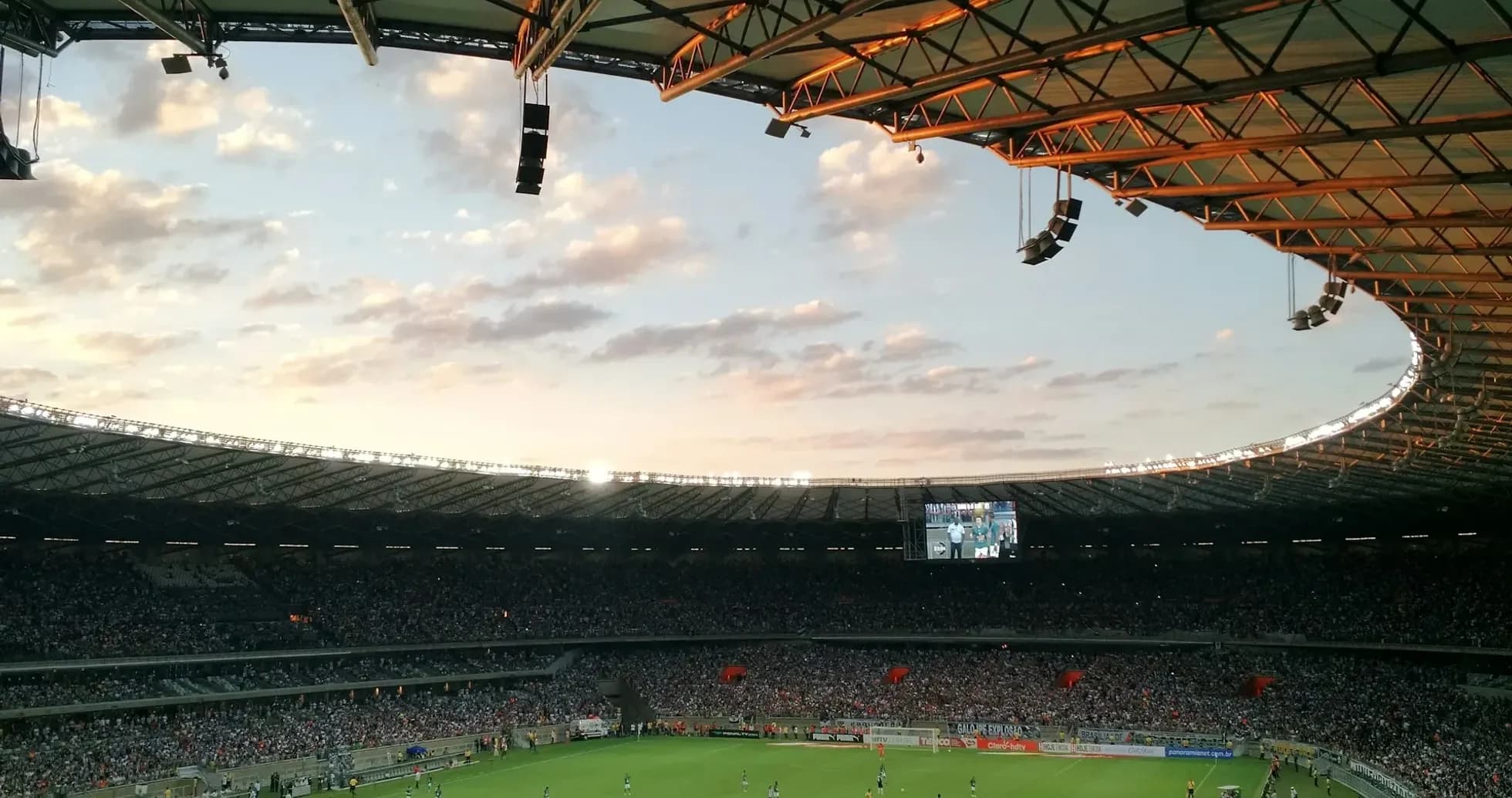
Aarhus vs Benfica: UEFA Europa League Play-offs Showdown
At New Vejlby Stadium in Aarhus, this UEFA Europa League Play-offs second leg carries heavy seasonal weight for both clubs: Aarhus are trying to overturn a clear first-leg deficit to keep their European campaign alive, while Benfica arrive with a strong platform from Lisbon and the chance to secure early progression and the financial and sporting benefits of a full Europa League group-stage run.
Head-to-Head Tactical Summary
The only recent meeting in the data came on 20 August 2026 at Estádio da Luz in Lisbon, where Benfica, as the home side, beat Aarhus 3-1 in the Play-offs. The match was effectively shaped by an explosive first half: the half-time score was already 3-1 to Benfica, and that scoreline remained unchanged at full time, underlining Benfica’s capacity to start fast at home and Aarhus’s vulnerability when asked to defend for long spells.
Global Season Picture
- League Phase Performance: There is no standings data available yet for either Aarhus or Benfica in the Europa League structure, so their league-phase goals for, goals against and points cannot be quantified from the standings block. The tie therefore has to be read primarily through the lens of early qualifying/play-off performance rather than established group-stage positioning.
- Season Metrics: In the league phase context provided by the team statistics so far, Aarhus have played 1 match, scoring 1 goal and conceding 3, with no clean sheets and no failures to score. Their only recorded setup is a 3-5-2, suggesting a back three with wing-backs that still leaked three goals. Disciplinary-wise, they have picked up a single yellow card late in games (between minutes 76–90), hinting at pressure and late defensive strain. Benfica have a larger early sample of 5 matches, with 3 wins, 1 draw and 1 loss. They have scored 16 goals (an average of 3.2 per game) and conceded 5 (1.0 per game), showing a high-scoring, front-foot profile. At home they have been particularly ruthless (14 goals in 3 games, averaging 4.7), while away they are more controlled (2 goals in 2 games, 1.0 per match) but still productive. Their main formations, 4-2-3-1 and 4-1-3-2, point to a possession-oriented side with strong central structure. Disciplinary patterns show yellow cards spread across most 15-minute windows, indicating an aggressive but managed pressing game without red cards so far.
- Form Trajectory: Aarhus’s form string is a single “L”, reflecting just one competitive Europa League match in this dataset and a losing start to continental play. Benfica’s form line “LWWDW” shows an early defeat followed by a strong recovery: two consecutive wins, then a draw, then another win. That trajectory indicates a team that has stabilised quickly after an early setback and is now trending positively in terms of results, with only one loss in their last four recorded matches.
Tactical Efficiency
With no explicit comparison indices provided, tactical efficiency must be inferred from the season statistics. Aarhus’s early numbers are stark: 1 goal scored and 3 conceded in 1 match, with no clean sheet and a defensive structure that allowed three goals while using a back three. That points to a side still adjusting to the pace and quality of Europa League opposition, especially in transition and penalty-area protection. Benfica, by contrast, show a markedly more efficient attack: 16 goals in 5 games, including a biggest win of 6-1 at home, and no matches where they failed to score. This suggests a high-functioning attacking unit capable of repeatedly creating and finishing chances across different formations. Defensively, conceding 5 in 5 while scoring heavily is a trade-off consistent with an assertive style: they accept some risk but generally control matches well enough that their attack more than compensates. The penalty record is flawless so far, with 4 penalties taken and 4 scored, reinforcing Benfica’s clinical edge in key moments. In practical tactical terms, Aarhus will need to increase their defensive efficiency significantly—tightening the spaces in front of their back line and reducing individual errors—while also finding ways to stretch Benfica’s back four, whereas Benfica can afford to lean on their established attacking patterns and structured pressing to manage the tie.
The Verdict: Seasonal Impact
From a seasonal perspective, this second leg is pivotal. For Aarhus, overturning the first-leg defeat would be transformative: progression from the Play-offs into the Europa League proper would elevate the club’s European profile, bring substantial revenue, and inject belief into their domestic campaign. Failure to do so would likely reframe the rest of the year around domestic consolidation rather than continental ambition. For Benfica, successfully closing out the tie would confirm their status as a seeded-level Europa League contender, giving them a platform to target a deep run and maintain a high coefficient, which in turn supports future European seedings and the club’s broader strategic objectives. An unexpected collapse in Aarhus, however, would be a major negative shock, questioning their defensive resilience away from home and potentially forcing tactical recalibration before the main European calendar intensifies. In short, the result here will either validate Benfica’s upward form curve and attacking model or open the door to one of the more significant early upsets of the 2026 European season, with direct consequences for both clubs’ competitive and financial trajectories across the year.
Related News

Celje vs Red Bull Salzburg Predicted Lineups and Team News

Anderlecht vs Red Bull Salzburg Predicted Lineups and Team News

NEC Nijmegen vs Benfica Predicted Lineups: Team News for UEFA Europa League
Plzen vs Benfica Predicted Lineups: Team News Ahead of UEFA Europa League

Benfica vs Lech Poznan Predicted Lineups and Team News

Benfica vs OFI: Predicted Lineups and Team News for UEFA Europa League