
2026 World Cup Insights: Messi, Mbappe, and Rising Stars
The 2026 World Cup is only just stretching its legs, but the heavyweights have already kicked the door down.
Lionel Messi is scoring at a rate that mocks his birth certificate. Kylian Mbappe looks like he’s reserved his best version for this stage yet again. Erling Haaland has arrived with the menace everyone expected. And now Cristiano Ronaldo has walked into the spotlight with a ruthless performance against Uzbekistan.
The 48‑team format was supposed to dilute the spectacle. Instead, it has thrown Cape Verde, Japan, Egypt and a clutch of so‑called minnows into the centre of the drama, proving they are anything but passengers. The tournament feels bigger, wilder, more open.
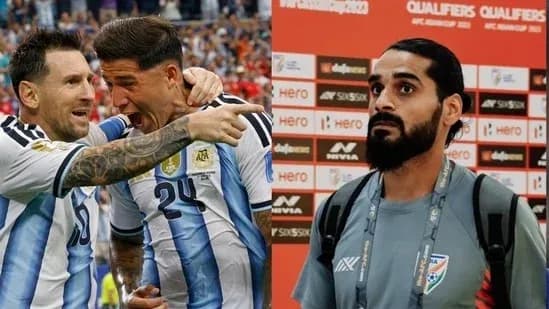
Watching from the pundit’s chair rather than the penalty box, India defender Sandesh Jhingan has had a front‑row seat to it all as part of the Zee5 expert panel. Speaking to Hindustan Times Digital, he dissected Messi’s ridiculous start, Argentina’s ironclad defence, Mbappe’s World Cup aura, the noise around Ronaldo, and the rise of Lamine Yamal — all with the blunt honesty of someone who has lived the grind.
“He makes a 100-year-old feel like 10”
At 39, Messi should be slowing down. Instead, he has opened this World Cup with five goals in two games, tossing out hat-tricks and braces as if they were routine training drills.
For Jhingan, the numbers only tell half the story.
“It’s incredible, first of all, to have that longevity and that consistency,” he said, underlining what every professional knows: talent gets you noticed, consistency makes you immortal. “The hardest thing to do, or the greatest talent you can have, is to have that consistency, performing at such a high level.”
He spoke of a visual from the Zee studio that stuck with him — a 100-year-old woman in the stands, eyes fixed on Messi.
“When you watch Messi, it gives you that feeling of being a kid,” Jhingan said. “So that 100-year-old lady yesterday must have felt like a 10-year-old watching him play. He gives you that kind of joy.”
The goals are historic. The feeling, he suggests, is timeless.
Argentina’s steel behind Messi’s magic
Messi’s freedom high up the pitch has not come by accident. Argentina have not conceded a goal yet, and their defensive work has been ferocious — bodies thrown into blocks, lines staying compact, a team that suffers together so one man can decide it.
For Jhingan, the foundation of Messi’s brilliance lies in the structure behind him.
“The reason Messi is doing so well is because the team’s shape and compactness are so good,” he said. The praise quickly moved to Lionel Scaloni and his staff. The best coaches, he argued, build around their players, not their ego.
Argentina have shown they can sit deep, hold a mid-block, or step up when needed. The key is clarity. Every player understands the job: win the ball, give it to Messi, trust him to create.
“That structure gives Messi the freedom to operate higher up the pitch,” Jhingan explained. The defenders and midfielders know the script. The belief that Messi will produce something special feeds the entire group. Confidence becomes a tactic.
Reliant on Messi? “If you’re winning, who cares?”
Lautaro Martinez ran himself into the ground against Austria — pressing, tracking, linking play, stretching the defence. Still, the criticism lingered: are Argentina too dependent on Messi, and are the strikers doing enough?
Jhingan brushed off the concern with the blunt realism you often hear in dressing rooms, not studios.
“If I’m an Argentine player or a fan, I wouldn’t mind being called reliant on Messi as long as the team is winning,” he said.
He stressed that this Argentina is not a one-man band but a well-drilled unit. Organisation, discipline, and compactness matter as much as the final flourish.
“They know when to sit back, how to hunt the ball together, and how to create the right conditions for Messi and the other attacking players to decide games,” he said.
Results tell their own story: Argentina are winning, already through to the next stage. For Jhingan, that is the only metric that counts — and the coaching staff deserve a large slice of the credit for creating a system where every role is crystal clear.
Mbappe and the weight of a World Cup legacy
World Cups shape legacies. Mbappe seems to treat them as his personal arena.
The France forward, now in his late twenties, has stacked up goals and numbers that would be career-defining for most players. For him, they feel like a starting point.
“With his goals and his numbers, it’s incredible,” Jhingan said. But the comparison game is unforgiving. Every new superstar is measured against Messi and Ronaldo, the two pillars of the modern era.
“How do you put him in that bracket,” Jhingan asked, when the standard is two decades of dominance? The answer, he suggested, lies in longevity — motivation and fitness over time.
Mbappe, though, has one trait that already screams “big player” to Jhingan: he lifts himself on the biggest stage.
“Whenever the World Cup is there, that guy just brings an extra level,” he said, pointing to 2018 and 2022 as proof. The pattern is clear. When the lights are brightest, Mbappe doesn’t shrink. He sharpens.
Lamine Yamal: the one-on-one nightmare
He is not starting every game. He is not playing every minute. It does not matter. Lamine Yamal has already bent this World Cup to his rhythm in flashes — enough to make defenders nervous and neutrals lean forward.
From Jhingan’s vantage point as a centre-back, the challenge is obvious and brutal.
“If you’re in a one-on-one situation with Lamine, most of the time he’s going to get past you because that’s his biggest quality,” he admitted. Yamal is one of those players you pay to watch, a winger whose first instinct is to attack, not hesitate.
The mistake, Jhingan warned, is to treat it as a personal duel.
“You can defend a striker or winger perfectly for 90 minutes, but one shot, one deflection, and the headlines say he won the battle,” he said. The job, then, is not to win every tackle. It is to shrink his influence.
That means collective defending: compressing the space he receives in, cutting the passing lanes, demanding that midfielders and forwards press so the back line can stay high and compact. You do not stop him. You limit him.
He will get chances. The art is making sure they are as few, and as awkward, as possible.
Ronaldo, the bench, and a “bold statement”
No World Cup is complete without a Ronaldo debate. This time the question is blunt: at his age, and with his recent form under scrutiny, should he be benched?
Jhingan did not sit on the fence.
“I’m going to give a bold statement,” he said, “but all this debate is from the ones who never played professional football, or in case who never played much of it professionally.”
Opinions are free. Decisions belong to one man.
“At the end of the day, it’s Martinez who decides. He’s the head coach. If he thinks he’s good enough, he will play,” Jhingan stated.
Ronaldo, like Messi, lives under a magnifying glass. One game without a goal, and the conversation swings to age, decline, and nostalgia. Yet Jhingan pointed to the evidence people conveniently ignore: a flood of goals at club level, a top-scoring season in the Saudi league, and a strong return in qualifiers.
“But people tend to forget that and just pinpoint,” he said. The scrutiny will not disappear. History suggests Ronaldo won’t either.
Golden Boot: giants in a sprint
Two games in, the race for the Golden Boot already feels like a heavyweight sprint.
“I think it could be between Messi and Mbappe,” Jhingan said, with Messi holding “a very healthy lead” on five goals. Haaland lurks in the mix, exactly the trio the world wanted to see at full throttle.
And then there is Ronaldo, still chasing his first goals of this edition.
“I think today Ronaldo will kind of open his account as well in a big way,” Jhingan predicted, pointing to a familiar pattern: the more doubts, the sharper his response. If that happens, the Golden Boot battle could turn into a four-way clash between the game’s biggest attacking names.
“More goals, more fun, more excitement,” he said. For neutrals, there is no downside.
Heart over odds: Jhingan’s pick to go all the way
Asked to name his champion, Jhingan didn’t pretend to be neutral.
“I’m going to be biased. I’m going to root for Japan,” he admitted, backing an Asian side to crash the established order. Argentina, he acknowledged, are very much in the frame, but his heart is with the blue shirts from Asia.
“I want them to go as high as they can,” he said.
In a World Cup where Cape Verde can shake giants and Japan can carry the hopes of a continent, that no longer sounds like a fantasy. It sounds like a challenge to the old hierarchy — and a warning that the biggest story of 2026 may yet come from somewhere no one expected.
Related News
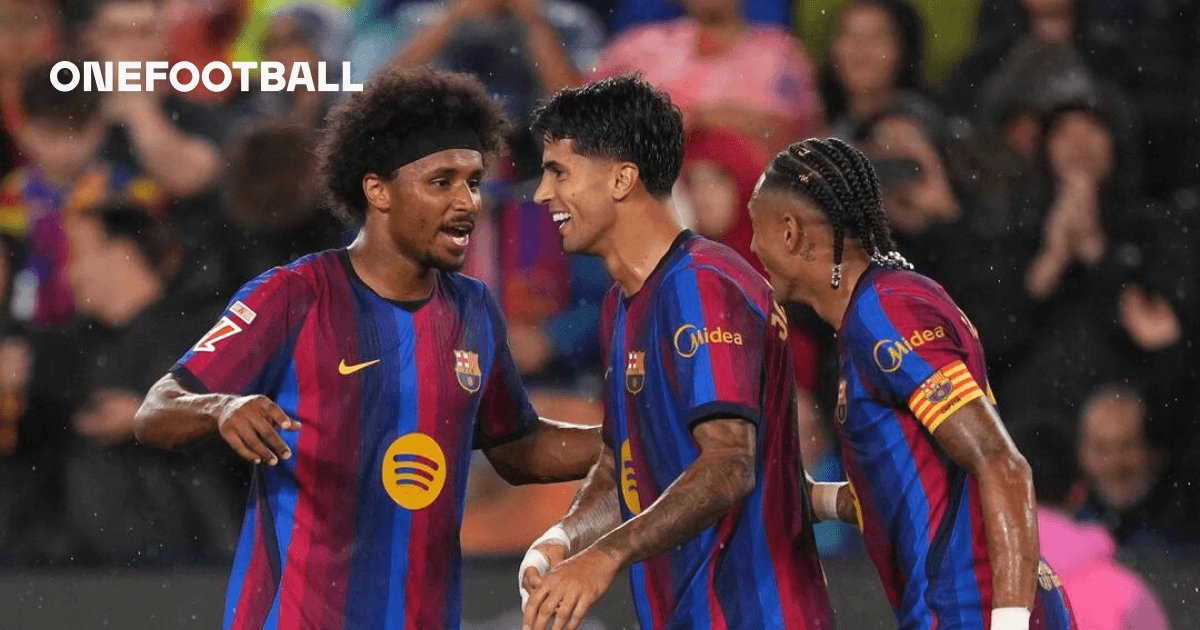
Raphinha’s Hat-Trick Powers Barcelona to 7-2 Victory Over Racing Santander
Carabao Cup Fourth Round Draw: Liverpool Set to Clash with Chelsea, Arsenal to Face Fleetwood Town
Key Football Matches to Watch in Azerbaijan This Autumn
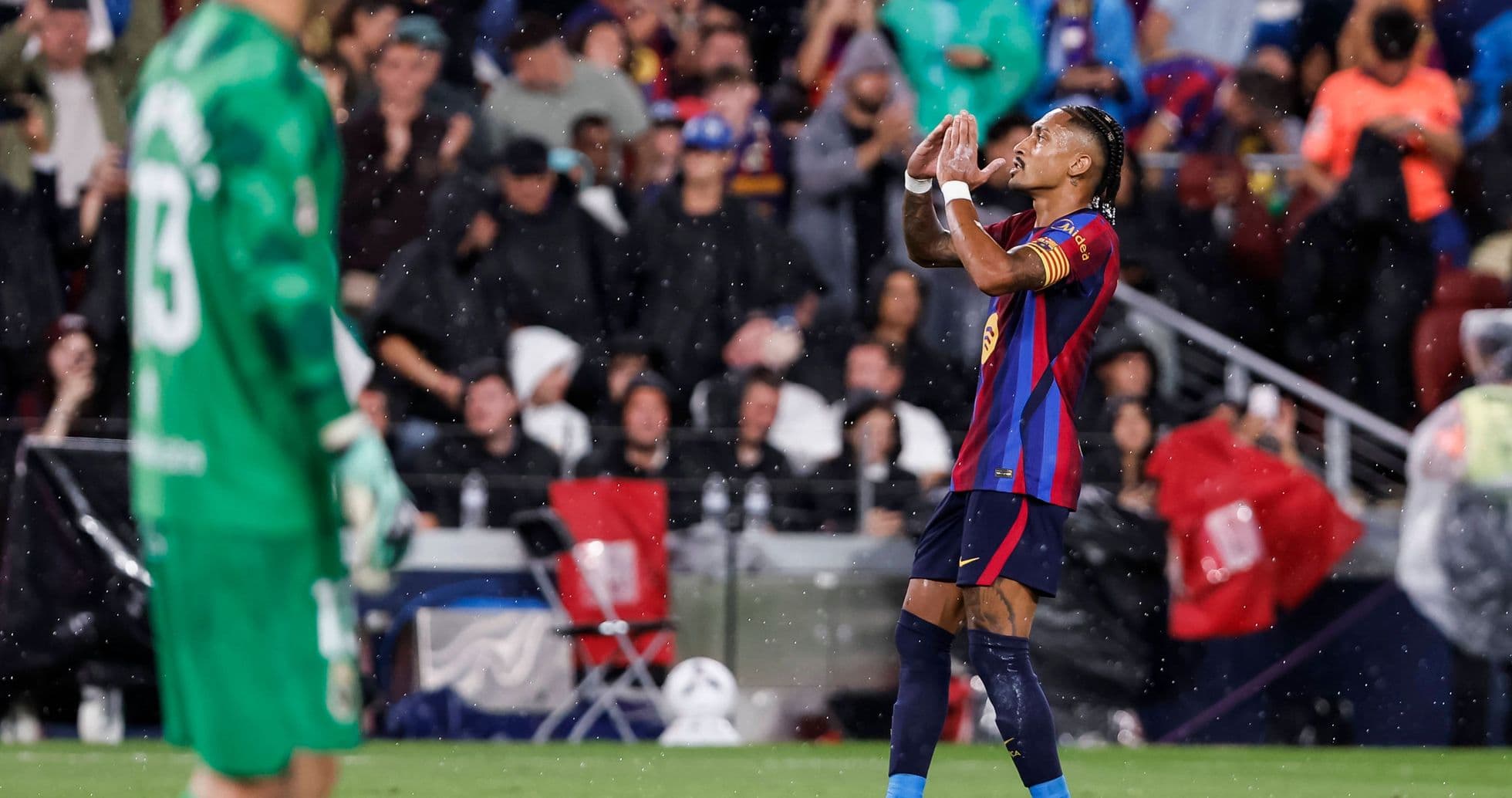
Raphinha's Hat-Trick Drives Barcelona to 7-2 Triumph Over Racing Santander
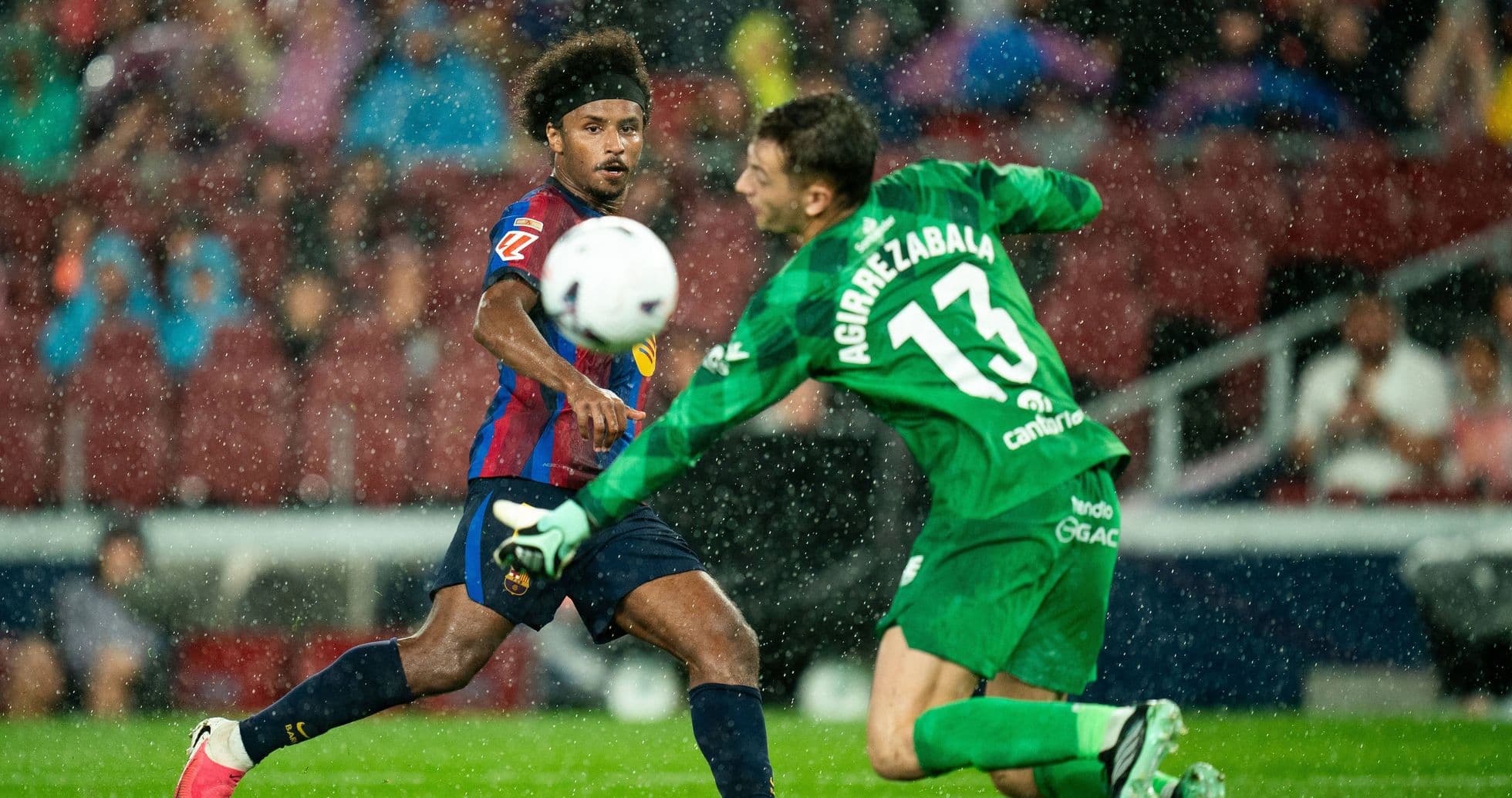
Hansi Flick Leads Barcelona to Record-Breaking Seven Wins in a Row
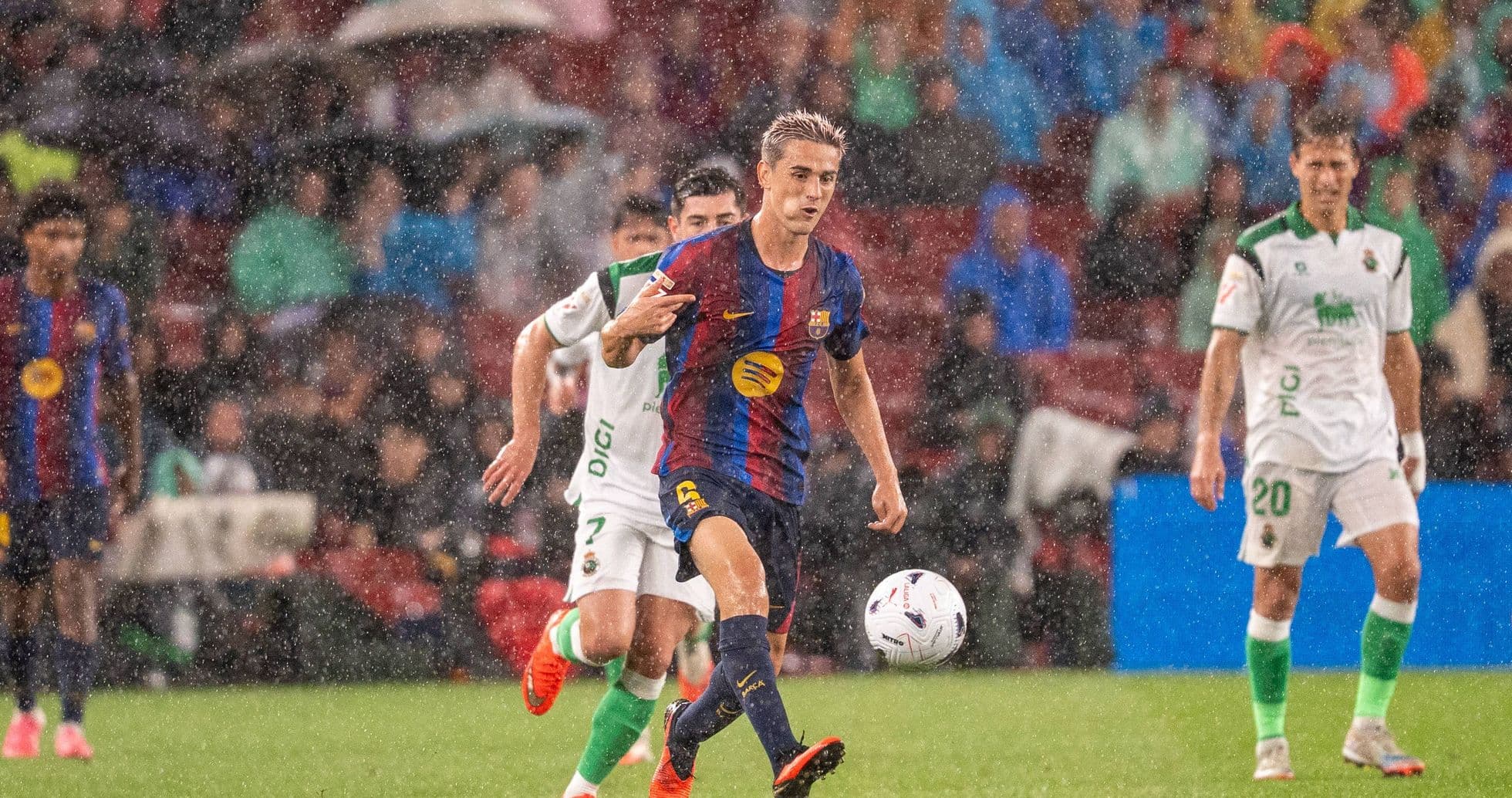
Gavi Reflects on Injury Return as Barcelona Dominate Racing Santander 7-2